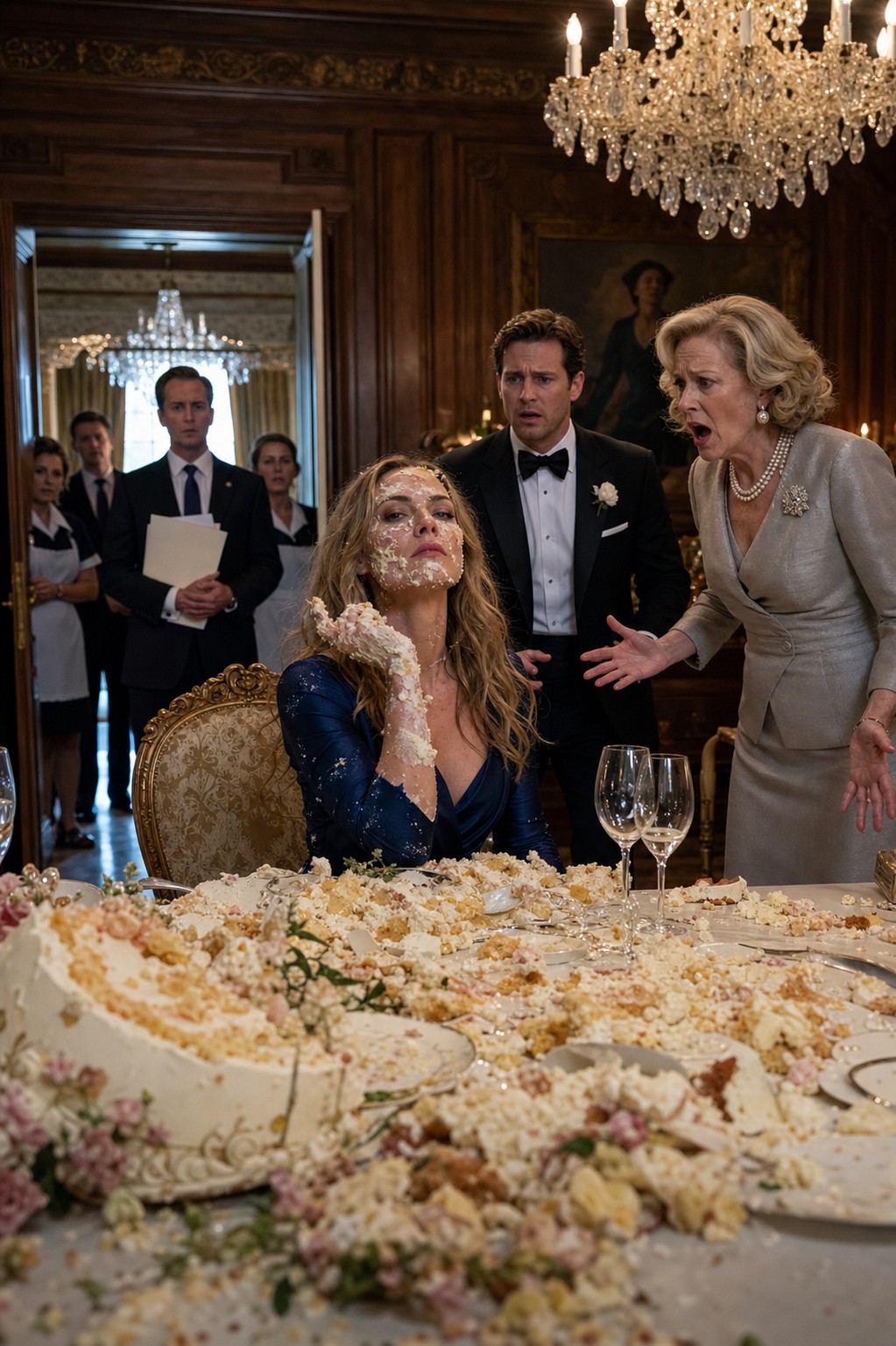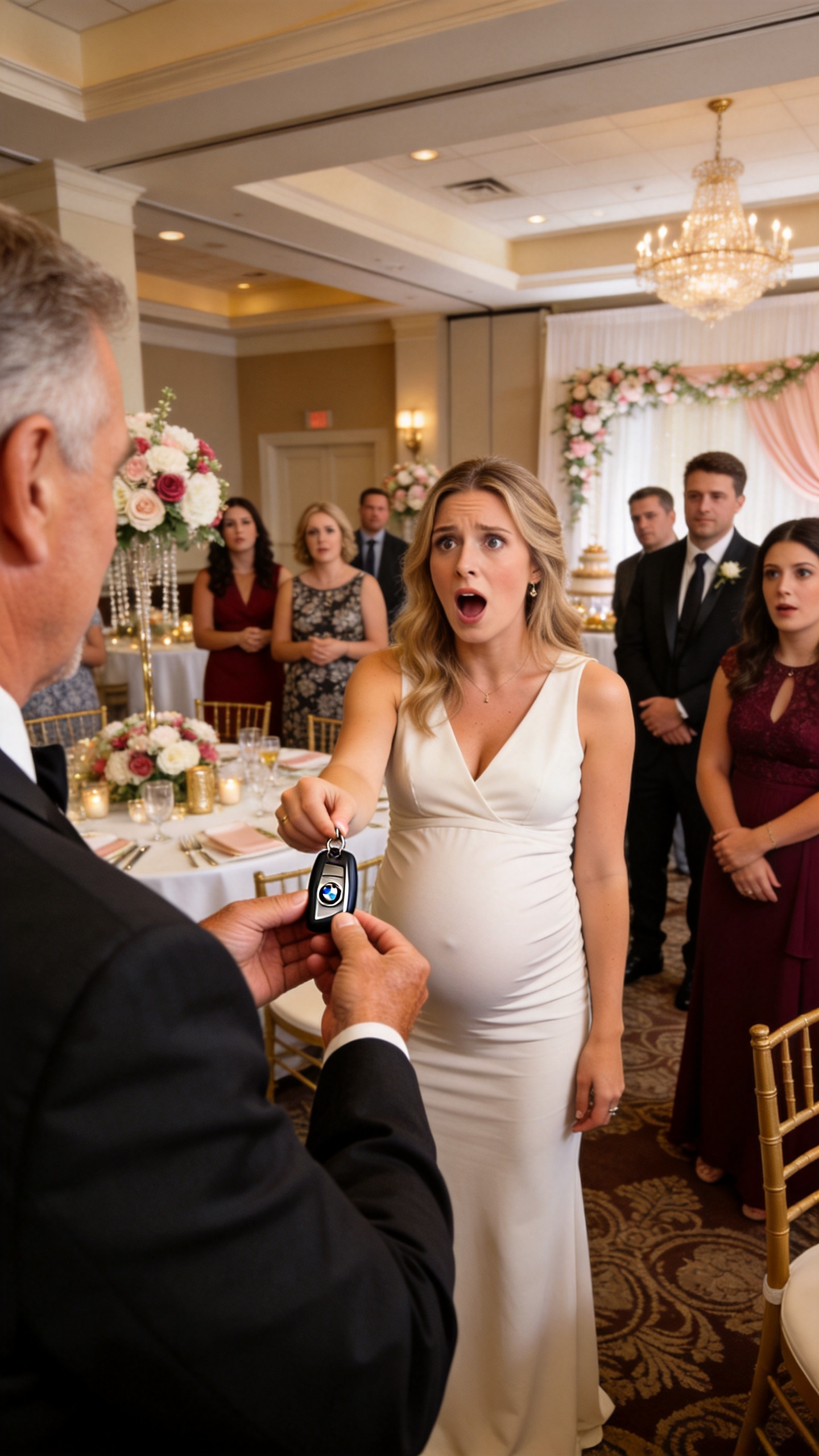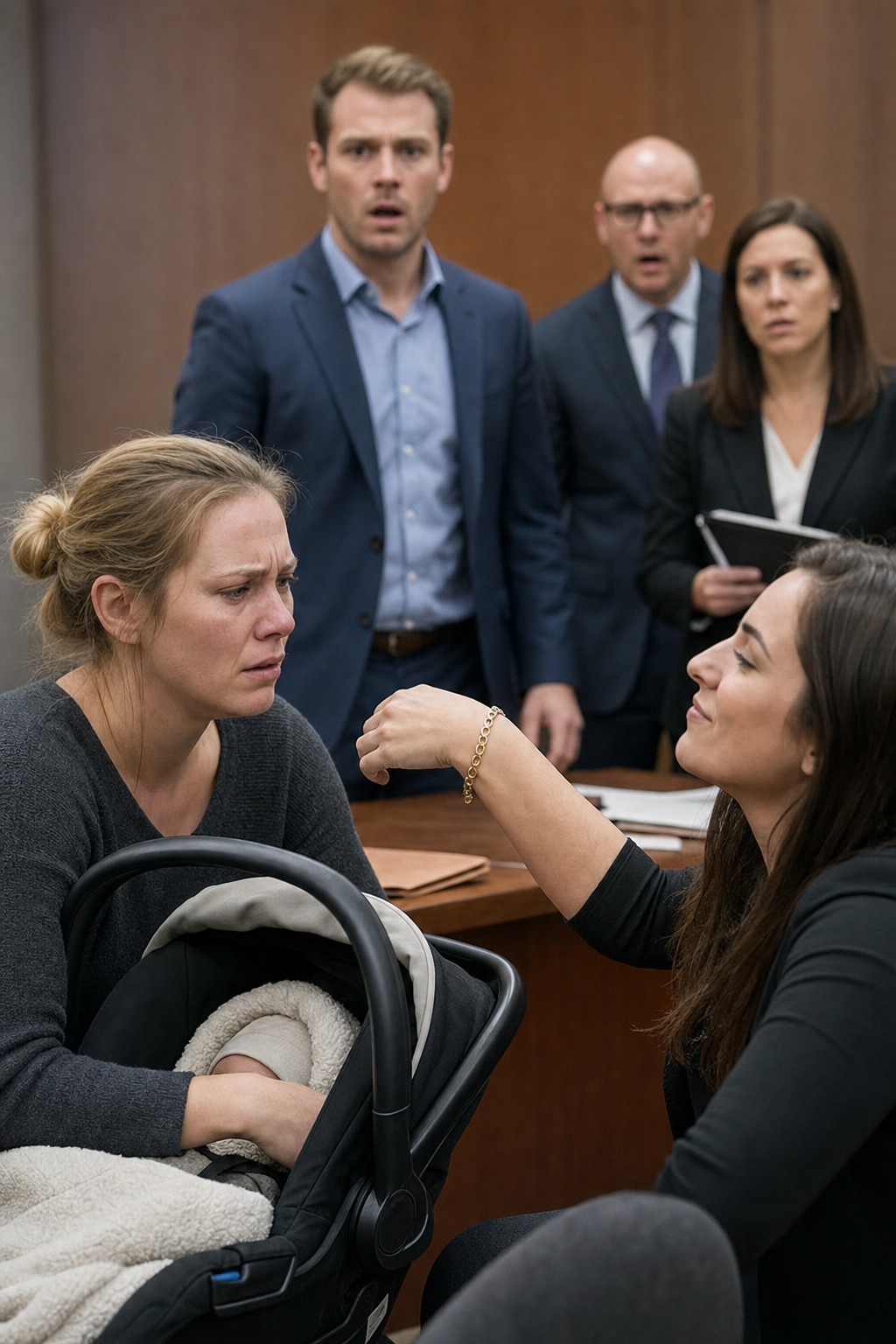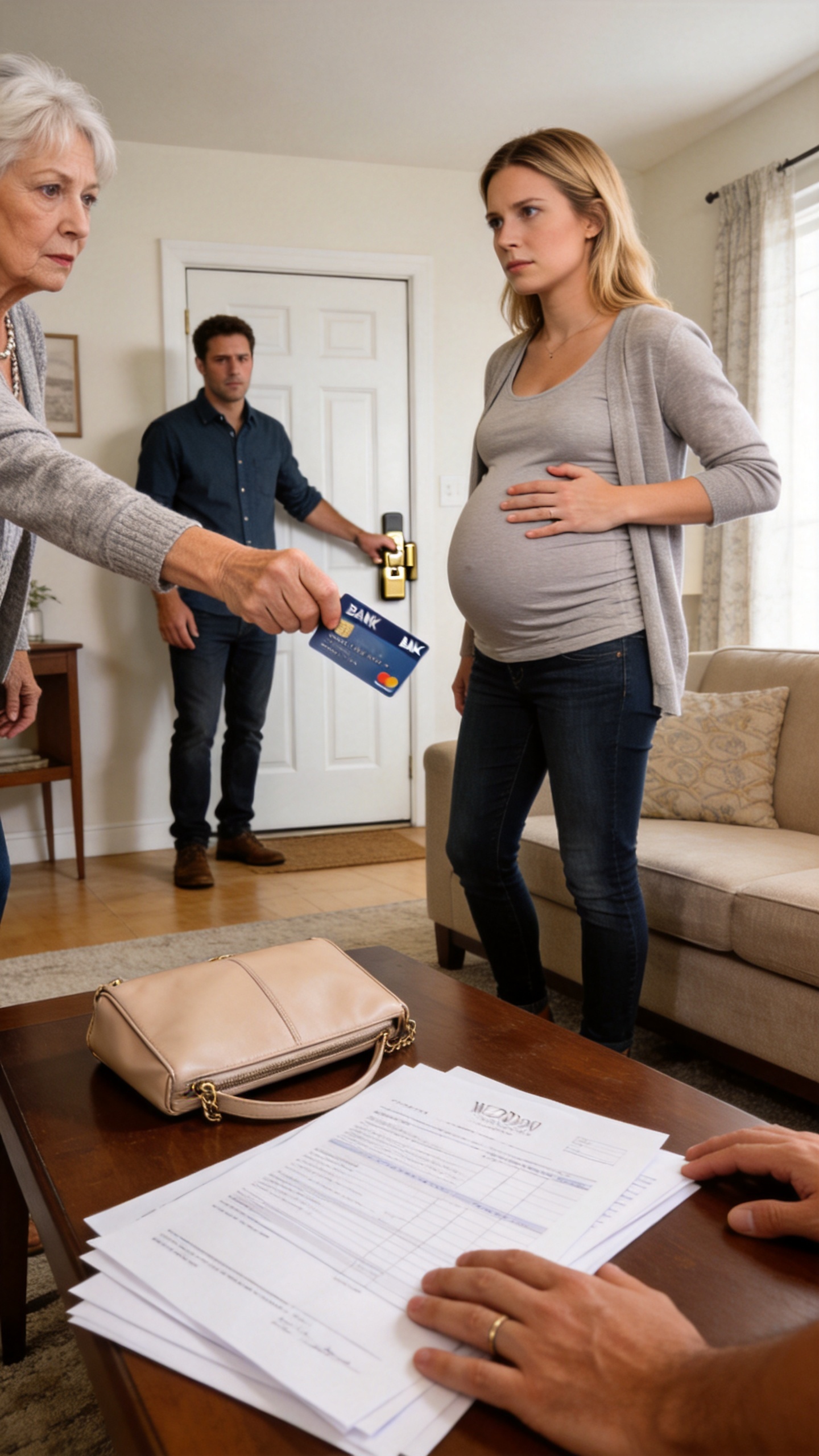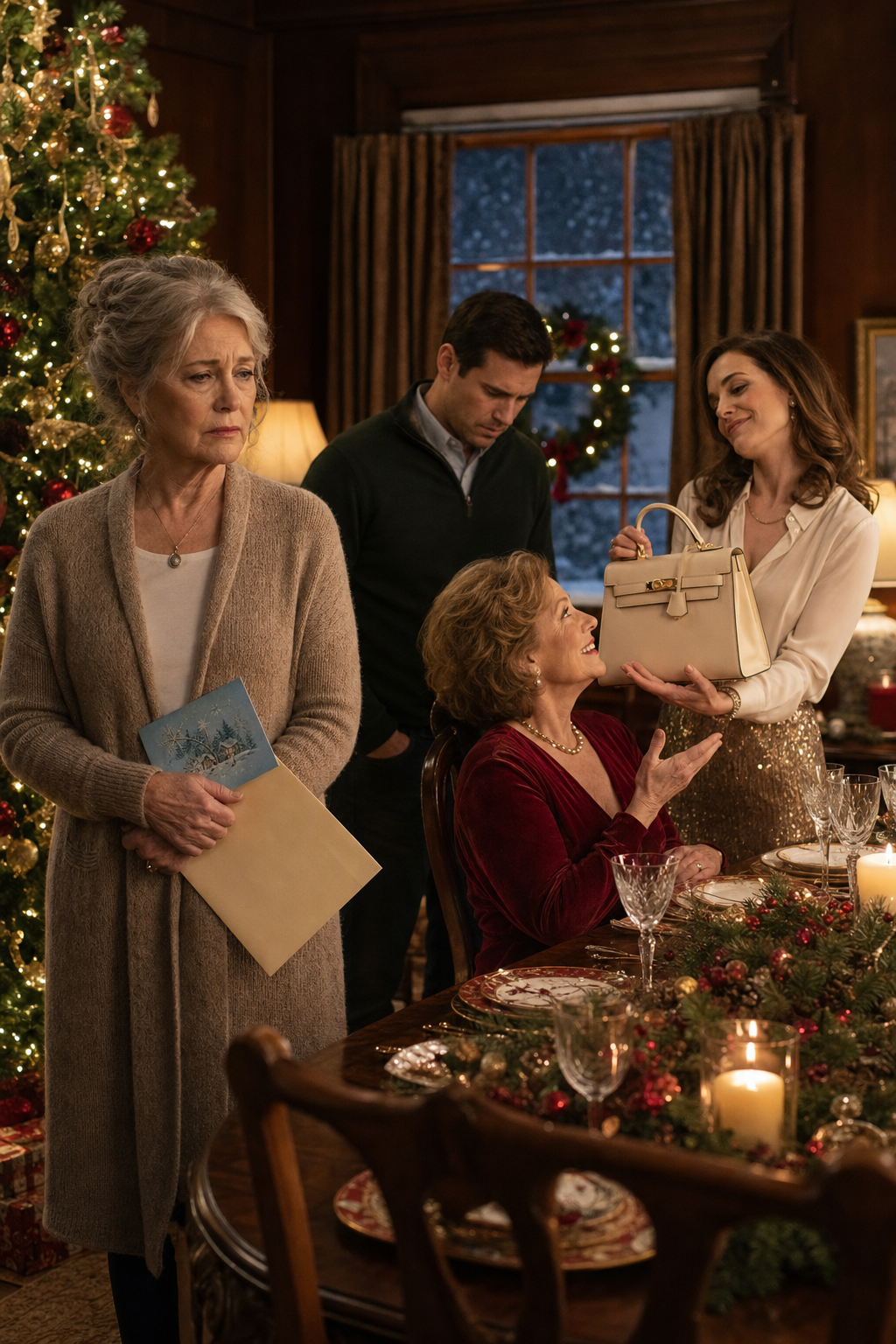
I paid for my son’s wedding because he kept begging me to keep the peace — but during the reception, his bride humiliated me in front of 250 guests.
“What did she tell Claire?”
Daniel answered before I could.
“She closed her card.”
Tiffany stared at me.
“You cannot be serious.”
“I am.”
“My father’s toast—”
“Use one of the champagnes already included.”
Her father finally spoke.
“Tiffany, let it go.”
That surprised all of us.
She turned toward him.
“But you specifically wanted—”
“I said I liked it. I never said Margaret should spend thousands of dollars on it.”
For the first time that evening, Tiffany looked uncertain.
Her mother quietly added, “There are guests waiting.”
Tiffany looked at Daniel.
Then at me.
Then she walked away.
The toast happened twenty minutes later with champagne that had already been paid for.
Nobody complained.
Nobody left.
Nobody’s evening was ruined.
In fact, most of the guests probably never understood exactly what had happened.
That realization stayed with me.
For months, Daniel had told me that every new expense was necessary.
That changing a plan would create problems.
That saying no would embarrass Tiffany.
That some detail absolutely had to happen.
Yet the moment I stopped paying, the world continued.
Music played.
People danced.
Dinner was served.
The wedding survived my boundary.
I did not stay until the end of the reception.
Around ten o’clock, I found Daniel near the hallway outside the ballroom.
“I’m going home.”
His face fell.
“Mom.”
“I’m tired.”
“Please don’t leave angry.”
“I’m not angry.”
That was mostly true.
I was hurt.
Deeply.
But underneath the hurt was something stronger.
Relief.
He looked toward the ballroom.
“Tiffany shouldn’t have said that.”
“No.”
“She was stressed.”
I almost smiled.
There was that word again.
For months, stress had been treated like a permission slip.
“She was stressed when she wanted the estate,” I said. “She was stressed when the guest list expanded. She was stressed about the flowers, the cars, the cake and the brunch. At what point does being stressed stop being an explanation?”
Daniel said nothing.
I opened my purse to find my car keys.
Then he said, “I know you’ve done a lot.”
I stopped.
“You don’t know.”
“What does that mean?”
For months, I had hidden the true cost from him.
I suddenly saw that protecting him from that truth had helped create the problem.
So I told him.
“I used the Scotland money.”
His expression changed.
“What Scotland money?”
“The money your father and I saved for our trip.”
He stared at me.
“Mom, I thought you had separate savings.”
“I did.”
“What else?”
I looked at him.
“I sold six acres.”
He went completely still.
“What?”
“Your father’s land.”
“You sold Dad’s property for this wedding?”
“Part of it.”
“Why would you do that?”
I gave him the most truthful answer I had.
“Because every time I said I had reached my limit, you came to my house and asked me to keep the peace.”
Daniel looked as though I had placed a mirror in front of him and he did not like what he saw.
“I didn’t know you were doing that.”
“No. You didn’t.”
“You should have told me.”
“I should have.”
He looked away.
For a moment, neither of us spoke.
Then I said, “But you also should have believed me when I said I couldn’t keep paying.”
That landed differently.
His shoulders dropped.
“I thought you meant you didn’t want to.”
“And would that have made my answer less valid?”
He had no response.
I touched his arm.
“I love you. That is not changing tonight.”
His eyes looked wet.
“But something is changing.”
“What?”
“I am finished buying peace.”
He looked at me.
I continued.
“If you and Tiffany are unhappy with me because I say no, then you may be unhappy. I will survive it. So will you.”
“Mom—”
“I spent years teaching you how to stand on your own feet. Somewhere along the way, I forgot I was allowed to stand on mine.”
He looked toward the ballroom again.
“What happens now?”
“You go back to your wife.”
“And you?”
“I go home.”
He hugged me.
It was not a comfortable hug.
It was the kind of hug between two people who love each other but know a difficult conversation is only beginning.
I left.
The next morning, I woke shortly after seven.
My phone already had several messages.
The first was from Daniel.
Can we talk after the brunch?
The second was also from Daniel.
I’m sorry about last night.
The third came ten minutes later.
I didn’t understand how much pressure I was putting on you.
I read the messages twice.
Then I put my phone down.
Old Margaret would have answered immediately.
She would have reassured him.
She would have told him everything was fine so he could enjoy his first morning as a married man.
I did not do that.
Because everything was not fine.
And pretending otherwise would only restart the same cycle.
At eleven, Claire from the venue called.
She wanted to confirm that several optional brunch additions had been declined because no alternative payment method had been supplied.
“Yes,” I said.
“Everything included in the base package is still available.”
“That’s fine.”
“There was also a transportation extension requested this morning.”
“Who requested it?”
“The bride.”
“Then the bride can pay for it.”
Claire paused.
“Understood.”
I expected guilt.
Instead, I felt free.
Around three that afternoon, Daniel arrived at my house alone.
He looked exhausted.
I let him inside.
We sat at the kitchen table.
The same table where he had repeatedly asked me for more money.
For several minutes, he stared at his hands.
Finally he said, “I talked to Tiffany.”
I waited.
“She thinks you embarrassed her.”
“I’m sure she does.”
“I told her I disagreed.”
That surprised me.
He continued.
“I told her you had already paid more than we ever should have accepted.”
I said nothing.
“She didn’t know about the land.”
“Neither did you.”
“No.”
He looked around the kitchen.
“I keep thinking about Dad.”
“So do I.”
“He would have stopped this months ago.”
I gave a small laugh.
“Yes.”
Daniel almost smiled.
Then his expression turned serious.
“Why didn’t you?”
The question could have offended me.
Instead, I appreciated it.
“Because after your father died, I became terrified that every disagreement would push you further away.”
His face softened.
“I wasn’t going anywhere.”
“I know that now.”
“No, Mom. I mean it. You never had to pay for me to stay close to you.”
I looked down.
“That is easy to understand after the fact.”
He nodded.
“I owe you.”
“This is not about owing me.”
“It is partly.”
“I don’t want another promise you make because you feel guilty today.”
“Then what do you want?”
I thought about it.
“I want you to understand that marriage means you and Tiffany have to make financial decisions together. If you want expensive things, you need to decide whether you can afford them. You cannot make me the solution.”
He nodded slowly.
“And I want you to stop asking me to keep the peace when what you really mean is that you want me to surrender.”
His face reddened.
“That’s fair.”
“Tiffany does not have to like me.”
“She does like you.”
I raised an eyebrow.
He exhaled.
“Fine. At the moment, maybe not very much.”
Despite everything, I laughed.
Daniel did too.
The tension broke for a few seconds.
Then he became serious again.
“She wants to apologize.”
“I’m willing to listen when she is ready to give a real apology.”
“What counts as real?”
“One without the word ‘but.’”
He smiled faintly.
“Dad used to say that.”
“Yes, he did.”
Daniel left an hour later.
Tiffany did not call that day.
Or the next.
Three days later, she sent a message asking if she could come over.
She arrived without Daniel.
That surprised me.
She looked very different from the bride who had confronted me at the reception.
No formal dress.
No crowd.
No parents behind her.
No 250 guests.
Just Tiffany standing on my porch in jeans and a sweater.
I let her inside.
She sat across from me.
“I owe you an apology.”
I waited.
“What I said at the wedding was disrespectful.”
I continued waiting.
She swallowed.
“I became so focused on everything being exactly how I imagined it that I stopped seeing what people were doing for me.”
Still no “but.”
Good.
“I also didn’t understand how much you had paid.”
“That information would not have changed whether the champagne was necessary.”
“No.”
She looked down.
“You’re right.”
That answer mattered more to me than any elaborate apology.
She continued.
“Daniel told me about the land.”
I felt my chest tighten.
“I wish he hadn’t.”
“I’m glad he did.”
“Why?”
“Because I needed to understand what my expectations had cost someone else.”
I studied her face.
She looked sincere.
That did not erase what happened.
Forgiveness, I had learned, did not require pretending a lesson had never been necessary.
“I accept your apology,” I said.
Her shoulders relaxed.
“But I need you to understand something.”
She nodded.
“I will never finance your lifestyle again.”
Her eyes widened slightly.
“I’m not talking only about weddings. Houses. Vacations. Cars. Emergencies created by poor planning. If I choose to give you a gift, that will be my decision. It will not happen because I was pressured.”
“I understand.”
“And if Daniel comes to me privately asking me to pay for something you two have already decided you want, the answer will be no.”
A tiny embarrassed smile appeared.
“That’s probably fair.”
“It is.”
She nodded.
We did not become best friends that afternoon.
I did not expect us to.
But something healthier began.
Honesty.
Over the next several months, Daniel started repaying a portion of the wedding expenses.
I never demanded the full amount.
Much of it had been my choice, and I needed to take responsibility for that.
But he insisted on setting up monthly transfers.
Tiffany agreed.
They canceled several expensive plans they had been discussing for their first year of marriage.
They learned how to budget.
More importantly, I learned how to stop interpreting their disappointment as evidence that I had failed them.
Sometimes Daniel called and asked for advice.
Sometimes he disagreed with my answer.
And nothing terrible happened.
He still called the following week.
We still had dinner.
We still loved one another.
That was the lesson I should have learned years earlier.
Love that disappears the moment you set a boundary was never secure because of your generosity.
And love that is real does not need to be purchased.
Six months after the wedding, I opened Thomas’s old wooden box again.
The Scotland page was still there.
Edinburgh.
Highlands.
Isle of Skye.
For a long time, I simply looked at his handwriting.
I could not afford the trip we had originally imagined.
Not yet.
But for the first time, that did not make me feel defeated.
I opened a new savings account.
I named it Scotland.
Then I transferred fifty dollars into it.
It was not much.
But it was mine.
A week later, Daniel came over for Sunday dinner.
After we ate, he helped me carry dishes into the kitchen.
Before leaving, he handed me an envelope.
“What is this?”
“Open it later.”
After he drove away, I sat at the table and opened it.
Inside was a check.
Not enormous.
Not enough to replace everything.
But meaningful.
There was also a handwritten note.
Mom,
I can’t undo what happened, and I know money doesn’t fix it. This is the first payment toward what I should have helped carry from the beginning.
Dad taught me to take responsibility.
It took me longer than it should have to remember.
Love,
Daniel
I read it twice.
Then I put the check into the Scotland account.
Not because Daniel owed me a vacation.
Because the account had become something larger than a trip.
It represented the life I had almost forgotten belonged to me.
The following year, I finally booked a modest trip.
Not three weeks.
Not every destination Thomas and I had written down.
But enough.
When I stood in Edinburgh on my first morning there, the air was cold and the sky was gray.
I carried a photograph of Thomas in my purse.
I found a quiet café, ordered coffee, and sat beside the window watching people hurry through the street.
For years, I had imagined that trip would feel unbearably lonely without him.
Instead, I felt close to him.
I could almost hear his voice.
Sometimes no is a complete sentence, Margaret.
I smiled.
He had been right.
The wedding did not end my relationship with Daniel.
It changed it.
For the better.
Tiffany and I still occasionally disagreed.
Daniel still sometimes tried to make everybody happy.
I still occasionally felt the old instinct to reach for my wallet when someone I loved was struggling.
But now I stopped myself and asked a different question.
Am I helping because I freely want to help, or because I am afraid of what will happen if I say no?
That question has saved me more than once.
I used to believe keeping the peace meant making sure nobody around me was upset.
Now I know peace built on one person constantly surrendering is not peace at all.
It is exhaustion wearing polite clothes.
The night of Daniel’s wedding, Tiffany thought the biggest problem in the room was a missing bottle of expensive champagne.
Daniel thought the biggest problem was avoiding an argument.
I thought the biggest problem was disappointing my son.
We were all wrong.
The real problem was that I had spent years confusing love with unlimited sacrifice.
It took a ballroom filled with 250 people, one unreasonable request, and a son who could not bring himself to speak when I needed him to for me to finally understand that.
I did not need to punish anyone.
I did not need revenge.
I did not need to destroy Daniel’s wedding or embarrass Tiffany in return.
I simply needed to stop participating in a pattern that was hurting all of us.
So I closed my card.
I went home.
I told the truth.
And then I allowed the people I loved to deal with the consequences of their own choices.
That simple decision changed my family more than another forty-five thousand dollars ever could.
And if Thomas had been standing beside me that night, I know exactly what he would have said.
“Margaret, you finally remembered.”
And this time, I would have known precisely what he meant.