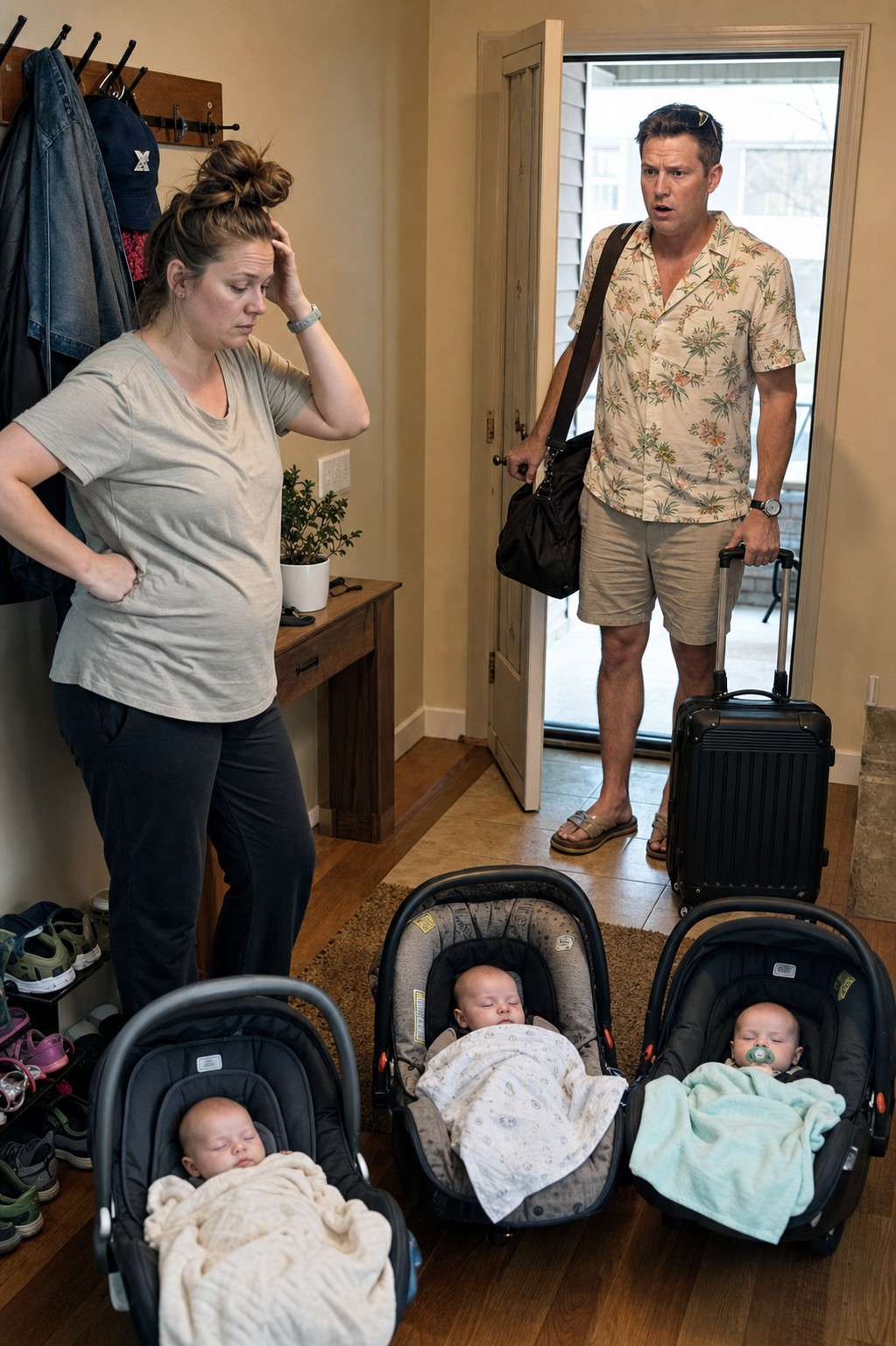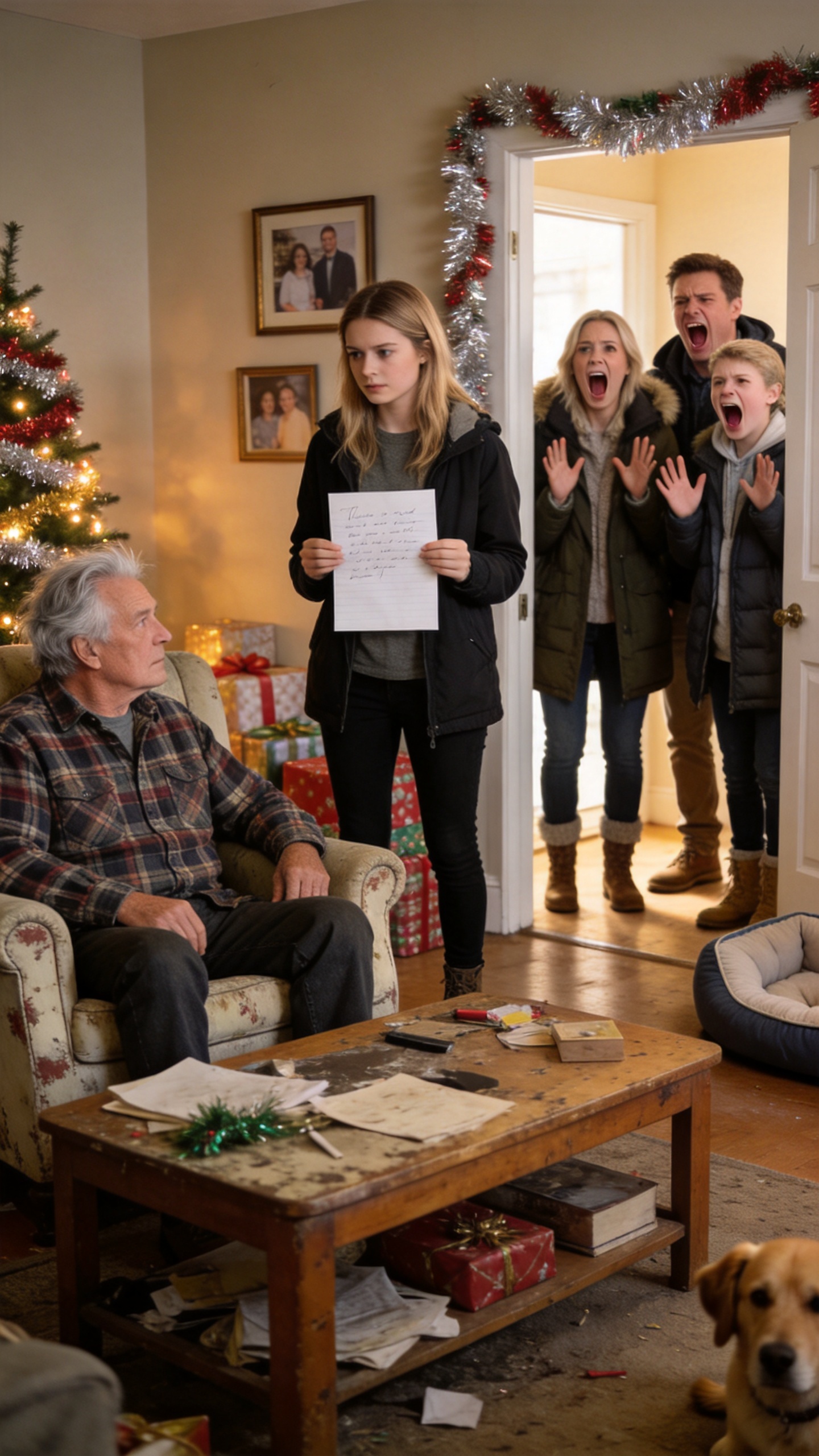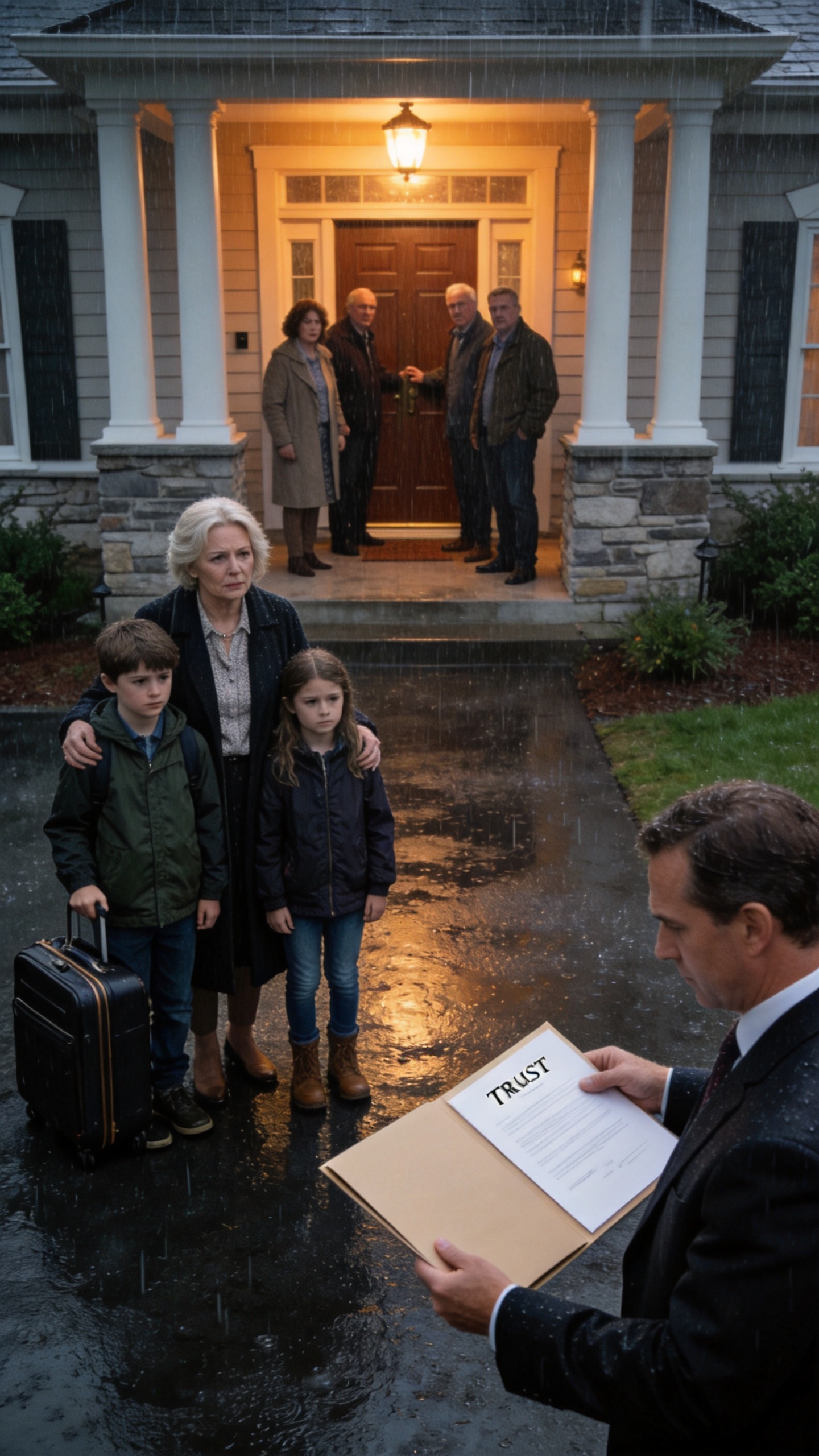
My Daughter-in-Law Gave Me a Two-Dollar Christmas Card After Buying Her Mother a Gucci Bag - By New Year's, She Learned Whose House She Had Been Living In
The Public Break
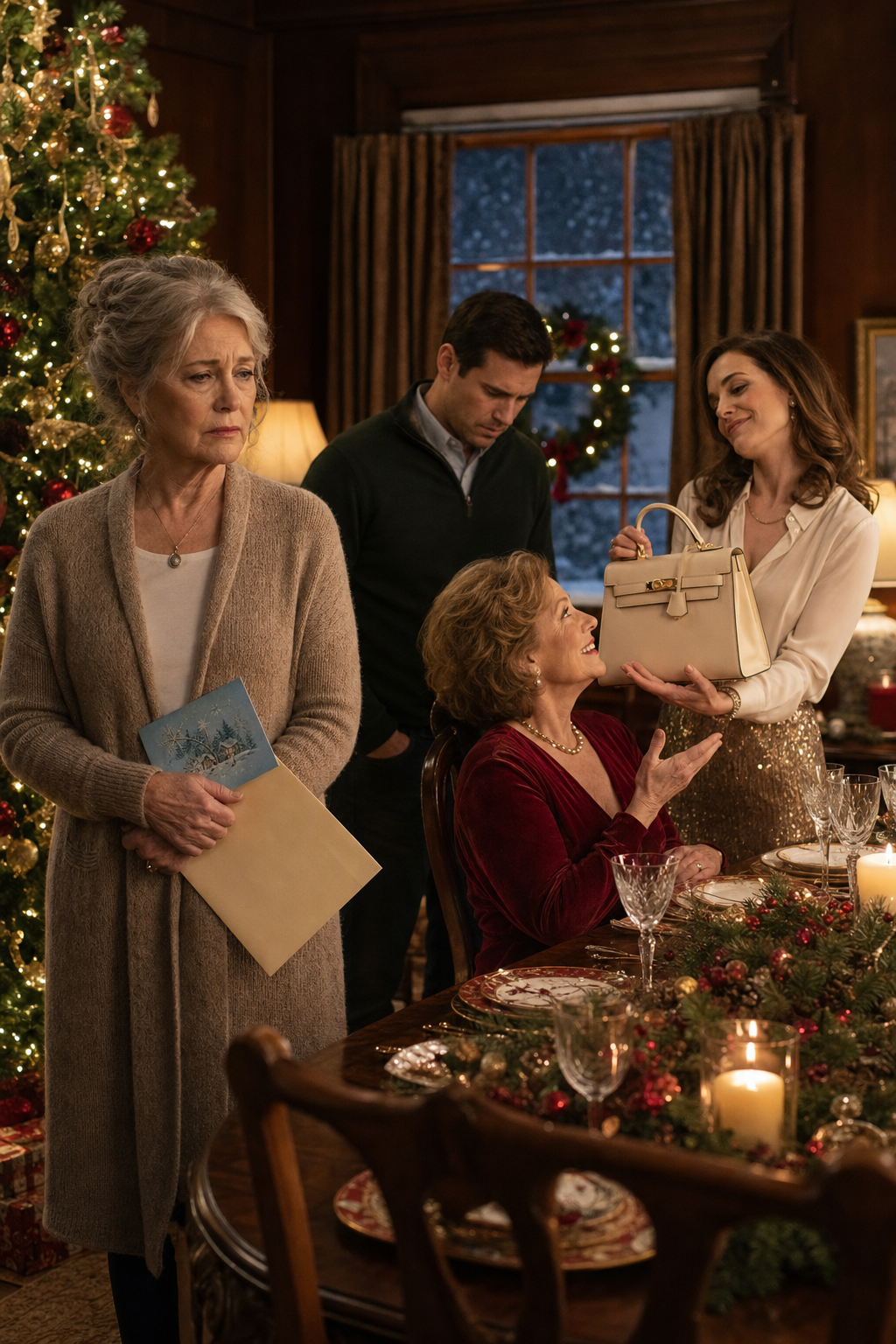
The $4,500 Gucci bag was still gleaming beneath the Christmas lights when my daughter-in-law handed me a two-dollar greeting card.
She had called her own mother "the best mom in the world.
Then she called me Evelyn.
Not Mom.
Not even Mrs. Carver.
Just Evelyn, delivered with a thin professional smile, as though I were the woman who had catered the dinner rather than the woman who owned the house, paid for the meal, and raised the man sitting silently beside her.
I did not cry.
I did not shout.
I did not knock over a wineglass or create the kind of holiday scene relatives would whisper about for years.
I simply folded the cheap card, slipped it into the pocket of my cardigan, stood up, and walked out of the house I still owned.
By sunrise, I had decided that silence would never again be mistaken for permission.
Only an hour earlier, the house had looked like Christmas.
Steam curled from the roast in fragrant ribbons of rosemary, garlic, and browned butter. Cranberry sauce shimmered inside the crystal bowl Peter and I had received on our wedding day. Mashed potatoes remained warm beneath a linen towel.
Candles flickered across the mantel, casting soft light over framed photographs of birthdays, graduations, summer picnics, and a marriage that had lasted thirty-eight years.
Outside, snow gathered along the porch railing of our quiet New England street.
Across the road, the Hendersons' inflatable snowman leaned to one side, just as it did every year when the wind came down from the hill. Porch lights glowed against the white sidewalks. Somewhere nearby, children laughed as they pulled a sled over packed snow.
Inside my house, the room was warm.
Too warm.
The kind of warmth that made you notice every breath, every scrape of silverware, and every laugh that did not include you.
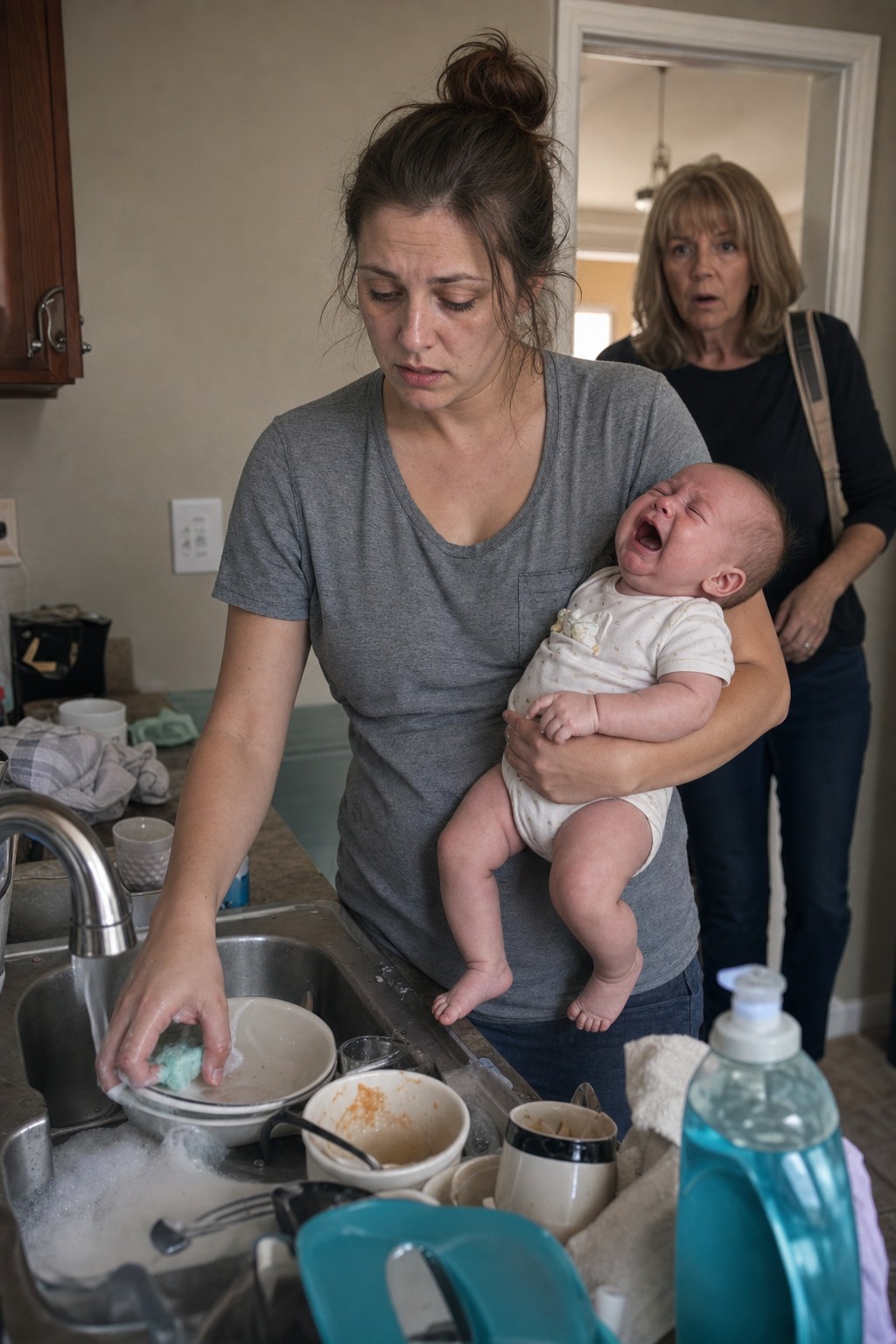
My daughter-in-law, Natalie, sat beside my son, Andrew, at the far end of my dining table. Her mother, Denise Collins, occupied the chair Peter had once used, though Natalie had assured me it was "the best place for photographs.
Natalie had announced that she would organize Christmas dinner that year.
Organize" turned out to mean sending a group message with the starting time, selecting the wine, changing my centerpiece, and informing me which serving platters would look most sophisticated on the table.
I cooked the roast.
I made the sides.
I purchased the wine.
I polished the glasses.
I folded the napkins.
I paid for everything.
By the time everyone arrived, Natalie had accepted three compliments for "putting together such a beautiful evening.
I had remained quiet.
That was one of my oldest mistakes.
Natalie reached beneath the Christmas tree and lifted a large box wrapped in gold paper. The satin ribbon was so glossy it reflected the chandelier light.
Oh, Mom," she said brightly. "This one is for you.
Denise pressed both hands against her champagne-colored blouse.
For me?
She had arrived forty minutes late, apologized to no one, and complained that the driveway had not been salted properly. Her blond hair was sculpted into perfect waves, and diamonds flashed from her ears whenever she turned her head.
Natalie placed the box in her lap.
Denise tore away the ribbon with theatrical care.
When she pulled the cream-colored Gucci handbag from the gold tissue paper, she gasped loudly enough to silence the room.
Oh my God, Natalie.
She held it toward the lights.
You shouldn't have.
Natalie laughed.
Only the best for the best mom in the world.
There are sentences that sound harmless to everyone except the person they are designed to wound.
That was one of them.
My son lowered his wineglass.
He did not look at me.
I knew the handbag's price because Natalie had talked about it for weeks. She had left the boutique page open on the family tablet. She had mentioned the leather, the stitching, the gold hardware, and the limited seasonal color.
The bag cost $4,500.
Exactly one month earlier, Andrew had borrowed $4,500 from me for emergency car repairs.
He had stood in my kitchen, rubbing the back of his neck.
Mom, I hate to ask.
He looked tired and embarrassed, and for one foolish moment, I did not see a forty-year-old man with a successful wife and a comfortable lifestyle.
I saw the little boy who once came home with scraped knees and a backpack too large for his shoulders.
Don't worry about it," I had said.
I'll pay you back in January.
You always do your best.
I transferred the money before dinner.
Now Denise rotated the handbag beneath the chandelier while Natalie explained the craftsmanship.
Andrew stared down at his plate.
That hurt more than Natalie's gift.
Natalie was Natalie.
But Andrew was my son.
He knew where the money had come from. He knew I had never made him feel ashamed for needing help.
He knew I was sitting ten feet away, watching the woman he married give her own mother a luxury handbag purchased with money that should have covered his supposed emergency.
He still did not meet my eyes.
Denise stood and placed the bag against her shoulder.
How does it look?
Perfect," Natalie said.
Then Natalie remembered me.
Her expression changed - not enough for anyone else to notice, but enough for me. The warmth vanished from her eyes while the smile remained fixed across her face.
She lifted a small blue envelope from the side table.
And this is for you, Evelyn. Thanks for hosting tonight.
The envelope was thin.
Its corner was bent.
A cheap snowflake sticker sealed the flap.
I opened it.
Inside was a generic grocery-store card with snowy mountains printed across the front.
Season's Greetings.
No personal message.
No gift card.
No handwritten note.
No signature from my own son.
I stared at the card while the room continued without me.
Denise admired herself in the dark window.
Natalie adjusted the discarded ribbon.
Andrew checked his watch.
A cold feeling passed through my chest.
It was not sadness.
It was not anger.
It was clarity.
Absolute clarity.
For years, I had mistaken silence for grace. I believed swallowing small humiliations protected the family. I believed that if I gave enough, forgave enough, and remained agreeable enough, the people around me would eventually remember to be kind.
But the card was not an oversight.
It was not a mistake.
It was a statement.
Natalie was the daughter who gave luxury.
Denise was the mother who deserved it.
Andrew was the husband who watched.
And I was the aging widow who provided the house, the meals, the emergency fund, the free storage, the utilities, the childcare, and endless forgiveness.
I was useful.
I was not valued.
That distinction matters.
I folded the card neatly along its original crease. Then I folded it once more and slipped it into my pocket.
My chair scraped against the rug when I stood.
Andrew finally looked up.
I reached for my winter coat.
Natalie's smile tightened.
Everything okay, Evelyn?
I looked around the room.
At my husband's chair.
At my wedding crystal.
At the mantel from which Natalie had removed half my photographs because they made the room feel "visually crowded.
At Peter's reading lamp, which she had placed in the garage because its brass base did not match her updated aesthetic.
At the dining table she had replaced for "one special event," then quietly sold without asking me.
Every objection I had ever made returned to me in Andrew's voice.
Natalie's just trying to help.
She has a good eye.
It's easier if you let her handle things.
Why does everything have to become an issue?
I buttoned my coat.
Mom, where are you going?" Andrew asked.
I opened the door.
Snow blew across the porch.
Behind me, Natalie gave an irritated sigh.
Evelyn, don't be dramatic.
I paused.
For a moment, everyone waited for the old Evelyn to return - the woman who apologized for making others uncomfortable, even when they were hurting her.
Instead, I turned and looked directly at Natalie.
I'm not being dramatic.
My voice was calm.
I'm finally paying attention.
Then I stepped into the snow and closed the door behind me.
I walked three blocks before I realized I had nowhere to go.
The street was nearly empty. Snowflakes clung to my eyelashes, and my shoes were not made for winter pavement. In my coat pocket, the two-dollar card pressed against my hip.
Peter had been dead for six years.
For most of those years, I had survived by behaving as though the life we built could remain unchanged if I preserved enough of it.
I kept his sweaters in the hall closet.
I left his tools arranged exactly as he had organized them.
Every February, I made the beef stew he loved, though no one else cared for it.
When Andrew suggested that he and Natalie move into the house "temporarily" after their apartment lease ended, I said yes because the empty rooms frightened me.
Just six months," he promised.
That had been three years earlier.
At first, having them there helped.
Andrew repaired a broken gutter. Natalie filled the kitchen with flowers. They ate dinner with me several nights a week.
Then the boundaries began to shift.
Natalie replaced my curtains.
She took over the guest room as an office.
She began receiving packages in my name because it was "simpler for deliveries.
She changed the password on the smart thermostat.
Then she started hosting friends without asking.
By the second year, people assumed the house belonged to them.
Sometimes I wondered whether Natalie believed it herself.
I reached the end of the street and stopped beneath a streetlamp.
My fingers were numb.
A car slowed beside me.
The passenger window lowered.
It was my neighbor, Miriam Henderson.
Miriam was seventy-one, sharp-eyed, and incapable of pretending not to notice trouble.
She leaned across the seat.
What are you doing out here?
Taking a walk.
In loafers?
I said nothing.
Miriam looked past me toward my house.
Get in.
I'm fine.
That wasn't a question.
I climbed into the passenger seat.
Her car smelled faintly of peppermint and dog hair. She turned the heat toward me, then drove the short distance to her home without asking another question.
Inside, she placed a mug of tea in front of me and waited.
Miriam's husband had died two years before Peter. Unlike me, she had handled grief with open defiance. She painted her front door yellow, adopted an elderly beagle, and joined a weekly poker game at the senior center.
I had once thought her changes were a form of running away.
Now I wondered whether she had simply refused to disappear.
What happened?" she asked.
I took the card from my pocket and placed it on the table.
Miriam opened it.
That's it?
I nodded.
What did they give Denise?
A Gucci handbag.
The Evidence Turns
Miriam stared at me.
How much?
Four thousand five hundred dollars.
Her eyebrows rose.
Didn't Andrew borrow that amount from you?
I looked at her.
I mentioned that?
You mentioned the car repairs when we had lunch.
Miriam leaned back.
Oh, Evelyn.
I don't know that my money bought the bag.
You know.
I wrapped both hands around the tea.
I know.
Miriam studied my face.
What are you going to do?
The question frightened me because I had no answer.
Then my phone rang.
I watched the screen until the call ended.
A message appeared.
Where are you? Natalie is upset. You embarrassed her mother.
I read it twice.
Not: Are you safe?
Not: I'm sorry.
Not: We need to talk.
Natalie is upset.
Miriam saw my expression.
What did he say?
I handed her the phone.
She read the message.
Then she set it down very carefully.
You know," she said, "there comes a point when kindness becomes a subsidy for someone else's cruelty.
I looked toward her living room window.
Across the street, my home glowed beneath Christmas lights.
Denise's car was still in the driveway.
Through the front window, I could see shadows moving inside.
They had continued dinner.
My absence had not stopped the celebration.
That realization should have broken my heart.
Instead, it freed something in me.
May I stay here tonight?" I asked.
Miriam smiled without triumph.
You may stay as long as you need.
At 11:17 p.m., Andrew called again.
This time I answered.
Mom, where are you?
I'm safe.
You need to come back.
He hesitated.
Because it's Christmas.
It was Christmas when your wife handed me a two-dollar card.
He lowered his voice.
Natalie didn't mean anything by it.
The handbag cost exactly what you borrowed from me.
Then he sighed.
The car situation changed.
What does that mean?
We didn't need all of it.
And you spent the rest on Denise?
It wasn't like that.
How was it?
Natalie had already promised the bag.
So you lied to me.
I was going to repay you.
That was not my question.
He was quiet again.
In the background, I heard Natalie's voice.
Tell her she's making this much bigger than it is.
I closed my eyes.
Andrew, tomorrow morning, I'm going to the bank.
What does that mean?
It means exactly what it sounds like.
Mom, don't do anything impulsive.
I almost laughed.
For three years, they had rearranged my house, spent my money, and treated me like a tolerated guest.
Yet the moment I considered protecting myself, I became impulsive.
I'll speak to you tomorrow," I said.
I ended the call.
Miriam was standing in the doorway.
Do you still use Peter's lawyer?" she asked.
I don't know whether he still practices.
Find out.
At eight the next morning, I called the office of Leonard Salazar.
Leonard had handled Peter's business contracts, our wills, and the transfer of the house into my name after Peter died.
A receptionist told me Leonard had retired, but his daughter Lisa now managed the practice.