I paid for my son’s wedding because he kept begging me to keep the peace — but during the reception, his bride humiliated me in front of 250 guests.
I paid for my son’s wedding because he kept begging me to keep the peace — but during the reception, his bride humiliated me in front of 250 guests.
The entire ballroom seemed to fall silent at once.
The band stopped between songs. Conversations disappeared. Even the people standing near the bar turned toward us.
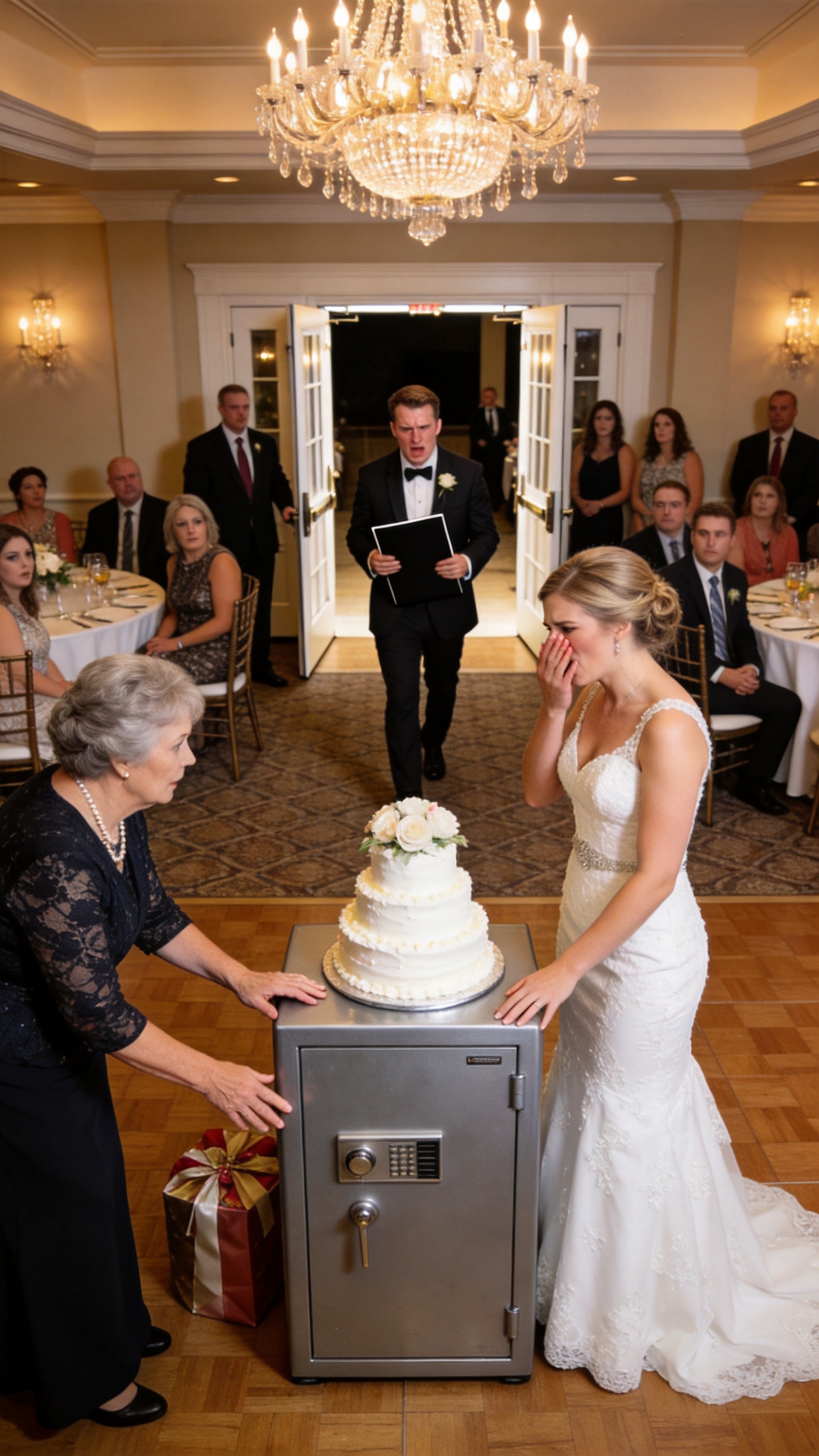
Tiffany stood in front of me in her white wedding gown, her expression tight with anger, while her parents hovered several feet behind her.
“You should leave,” she said. “You’re ruining the atmosphere.”
For a moment, I honestly wondered whether I had heard her correctly.
I had spent more than $45,000 on that wedding.
I had drained my savings.
I had canceled the Scotland trip my late husband Thomas and I had dreamed about for years.
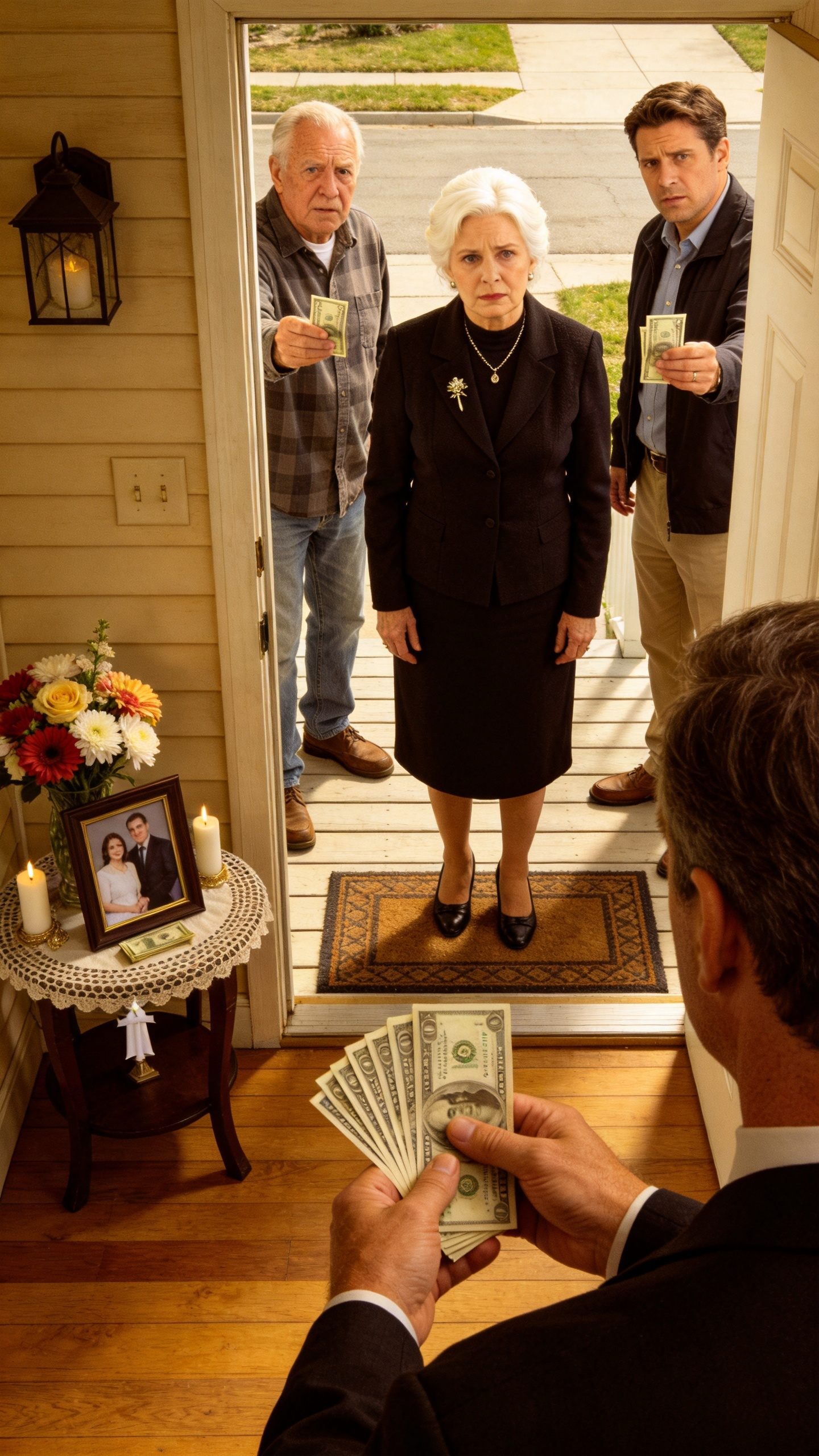
I had even sold six acres of land that had belonged to Thomas’s family for four generations because my son Daniel kept coming to me with the same request.
“Please, Mom. Just keep the peace.”
And now his bride was standing in a ballroom I had helped pay for, telling me that I was the problem.
My name is Margaret Bennett. I’m sixty-two years old, widowed, and until that night, I had convinced myself that loving your child meant giving until there was almost nothing left to give.
The wedding had started with a reasonable plan.
Eighty guests. A family dinner. A local quartet.
Then Tiffany became involved.
Eighty guests became 250.
The family dinner became a private estate reception.
Then came imported flowers, luxury transportation, premium wine, a designer cake, personalized gifts for guests, elaborate lighting, and a farewell brunch scheduled for the next morning.
Every time I tried to draw a line, Daniel approached me alone.
“It’s only one day, Mom.”
“She’s under a lot of pressure.”
“Could you let this one thing go?”
I always did.
That evening, the reception looked flawless.
That was almost the hardest part.
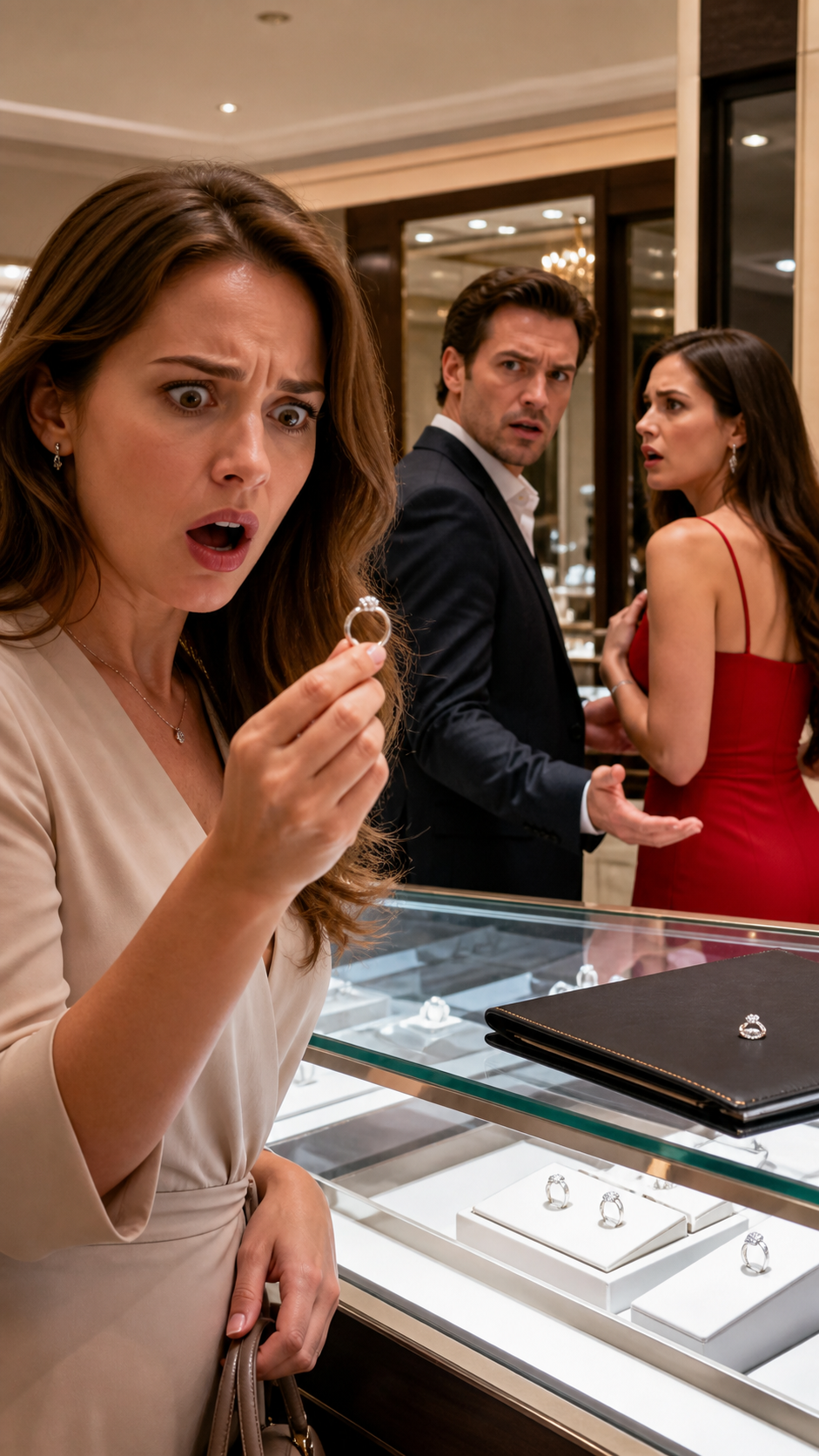
Then Tiffany discovered that the bar was not serving Laurent Reserve, a rare imported champagne she had requested for her father’s toast.
It cost nearly two thousand dollars per bottle.
I had already told her no.
She marched across the ballroom with her parents behind her.
“The bar manager says the Laurent Reserve isn’t being served.”
“That’s correct,” I said.
“Put it on your card.”
“No.”
Her expression changed immediately.
“This is my wedding.”
“And I’ve already paid more than enough.”
People nearby began watching.
Her father folded his arms.
Daniel stood near the dance floor, pale and motionless.
I looked directly at my son, waiting for him to step forward.
He didn’t.
Then Tiffany looked around at the room I had helped create and said quietly enough to sound controlled, but loudly enough for everyone nearby to hear:
“If you can’t support this wedding properly, maybe you shouldn’t be here.”
Something inside me became very calm.
For the first time in years, I stopped thinking about how to keep everybody else comfortable.
I stared at Tiffany for several seconds, not because I was searching for an answer, but because I was finally understanding the question I should have asked myself months earlier.
How much was I willing to lose just to prevent my son from being uncomfortable?
Daniel finally moved.
“Mom,” he said softly.
I looked at him.
For a second, I expected him to defend me.
Instead he glanced toward Tiffany and then back at me.
“Maybe we should all calm down.”
Those six words told me everything.
I had sold land for him.
Canceled dreams for him.
Used savings Thomas and I had built over decades.
And when his wife publicly told me I should leave the celebration I had helped finance, my son’s solution was still for me to make things easier.
I picked up my purse from the chair beside me.
Tiffany’s expression relaxed slightly, as if she believed she had won.
But instead of walking toward the exit, I walked toward the venue coordinator.
Her name was Claire, a composed woman in a black suit who had been managing the reception all evening.
“I need a moment,” I told her.
She led me several steps away from the crowd.
“I want my card closed,” I said. “Everything already approved can remain. Nothing else gets added tonight without Daniel or Tiffany paying for it themselves.”
Claire blinked.
“Are you certain?”
“Completely.”
She nodded.
That was all.
No scene.
No shouting.
No dramatic announcement.
Just a boundary I should have set months earlier.
When I turned around, Daniel was watching me.
Tiffany was too.
And for the first time that evening, neither of them seemed certain what I would do next.
The first thing people usually ask when I tell them what happened at my son’s wedding is why I paid so much in the first place.
The answer is embarrassingly simple.
I loved my son, and I was afraid of losing him.
Daniel was my only child.
His father, Thomas, passed away five years before the wedding, and afterward Daniel and I became even closer. At least I believed we had.
Thomas had always been the practical one in our marriage.
I was the person who wanted everybody happy.
Thomas was the person who could say no without feeling guilty afterward.
Whenever Daniel asked for something unreasonable as a teenager, I would start explaining why we might be able to make it work.
Thomas would look over his newspaper and say, “Margaret, sometimes no is a complete sentence.”
I used to laugh.
After Thomas was gone, I missed that sentence more than I ever expected.
Daniel met Tiffany almost three years after his father passed away.
At first, I genuinely liked her.
She was confident, polished, organized, and very clear about what she wanted from life.
Daniel seemed happier than I had seen him in years.
When he called one Sunday afternoon to tell me he was proposing, I cried.
Not because I was sad.
Because I could hear happiness in his voice again.
A few weeks later, they came to my house for dinner.
After dessert, Daniel cleared his throat.
“We’ve been talking about the wedding.”
Tiffany smiled.
“We want something intimate,” she said.
That word would become almost funny later.
Daniel explained that they imagined around eighty guests, preferably somewhere close enough that elderly relatives would not need to travel far.
I told them I wanted to help.
Thomas and I had always assumed we would contribute to Daniel’s wedding someday.
I had set aside some money.
“How much were you thinking?” Daniel asked carefully.
I told him I could comfortably contribute around twenty thousand dollars.
His eyes widened.
“Mom, that’s more than enough.”
Tiffany reached across the table and squeezed my hand.
“You have no idea what that means to us.”
I believed her.
For the first month, everything seemed reasonable.
Then the guest list grew.
Tiffany’s parents had relatives and business acquaintances they felt obligated to invite.
Daniel wanted several coworkers added.
Then Tiffany explained that eighty people in their chosen venue would look “too empty,” so perhaps they should choose somewhere larger.
A private estate became available.
It cost far more than the restaurant we had originally discussed.
I hesitated.
Daniel called me the following evening.
“Mom, I know it’s more expensive.”
“Then choose somewhere else.”
There was a pause.
“Tiffany already fell in love with it.”
I should have stopped the conversation there.
Instead I asked, “How much more?”
That was the beginning.
The flowers followed.
Then the cars.
Then the upgraded dinner menu.
Then photography.
Then additional entertainment.
Then guest gifts.
Every item sounded manageable when discussed individually.
Five hundred here.
Eight hundred there.
Another fifteen hundred for something Tiffany insisted was necessary.
But weddings do not become expensive in a single dramatic moment.
They become expensive through a hundred small decisions that each sound temporary.
By the time I realized how far beyond the original budget we had gone, I had already committed so much money that backing away felt cruel.
I told Daniel we needed to stop.
He came to my house alone.
That became his pattern whenever he wanted something from me.
Never Tiffany.
Always Daniel.
He sat at my kitchen table where he had eaten cereal as a boy.
“Mom, I know this has gotten bigger than we planned.”
“It has gotten twice as big.”
“I know.”
“I’m serious, Daniel. I cannot keep paying.”
He rubbed both hands over his face.
“Tiffany is overwhelmed.”
“So am I.”
“She keeps saying your family doesn’t really want this wedding.”
I stared at him.
“Who told her that?”
“No one. She’s just stressed.”
“Then reassure her.”
“I have.”
He looked exhausted.
And there it was.
The expression that always defeated me.
My son was unhappy.
So I reached for my checkbook.
That pattern repeated again and again.
Eventually, the money I had originally set aside was gone.
Then I dipped into my savings.
I told myself I would rebuild it.
Then came the request that finally left me staring at my bank statement late at night wondering how I had allowed things to go so far.
Tiffany wanted a premium beverage package and custom lighting.
Daniel said they had already promised certain things to guests.
I said I could not cover it.
He reminded me that deposits would be lost if they started canceling vendors.
That night, I went into the spare bedroom and opened an old wooden box that had belonged to Thomas.
Inside were photographs, property documents, and the little notebook where he used to write down plans for the future.
One page said:
Scotland.
Underneath, Thomas had written a list.
Edinburgh.
Highlands.
Isle of Skye.
Two weeks, maybe three.
We had talked about taking that trip after retirement.
Then life happened.
His health changed.
The trip kept moving further into the future until suddenly there was no future left for us to take it together.
After he passed, I promised myself I would still go.
Not immediately.
Someday.
I had kept money aside for it.
The next morning, I transferred part of that money toward wedding expenses.
I cried afterward, but I told myself the same thing I had been telling myself for months.
Daniel is my son.
It is only money.
Memories matter more.
What I did not understand then was that I was exchanging one set of memories for another.
The six acres came later.
Thomas’s family had owned a larger piece of land outside town for generations. Over time, different sections had been divided between relatives, but the acreage Thomas inherited remained in our name.
We never developed it.
He liked knowing it was there.
Sometimes we would drive out on Sunday afternoons, park beneath the old trees, and walk along the boundary.
After he died, I rarely visited.
Still, selling it felt like letting go of something that could never be replaced.
When the property agent handed me the documents, I nearly changed my mind.
Then my phone rang.
Daniel.
“Everything okay, Mom?”
I looked down at the papers.
“Yes.”
“Thank you again. Seriously. Tiffany is finally relaxing.”
That sentence did it.
I signed.
Then I sat inside my car afterward and cried until I could breathe normally again.
Nobody knew.
Not Daniel.
Not Tiffany.
I never told them what I had sold.
I suppose part of me knew that if I said it aloud, I would finally hear how unreasonable everything had become.
So I stayed quiet.
By the morning of the wedding, I had spent more than $45,000.
And yet when I arrived at the estate, I told myself it had been worth it.
The place was breathtaking.
White flowers filled the entrance.
Soft lighting warmed the ballroom.
Tables were covered in pale linen and crystal.
The musicians were rehearsing near the dance floor.
Daniel stood at the far end of the room adjusting his cuff links.
When he saw me, his face changed.
“Mom.”
He walked over and hugged me.
“You look beautiful.”
“So do you.”
He laughed.
“You’re supposed to say handsome.”
“Then you look handsome.”
For those few seconds, he was simply my son again.
Not a groom managing expectations.
Not a husband trying to prevent conflict.
Just Daniel.
I nearly forgot every difficult conversation that had brought us there.
Then he whispered, “Thank you for all of this.”
I looked around.
“I hope you’re happy.”
“I am.”
That should have been enough.
The ceremony went beautifully.
The reception began.
Guests laughed.
The food arrived exactly on schedule.
The music was wonderful.
Even Tiffany seemed relaxed.
I remember standing near the edge of the dance floor and thinking Thomas would have loved seeing Daniel that happy.
For the first time in months, I felt peaceful.
Then, less than two hours later, Tiffany approached me near the bar with her parents behind her.
Her face told me something had gone wrong before she even spoke.
“The bar manager says the Laurent Reserve isn’t being served.”
“That’s right.”
She stared at me.
“What do you mean, that’s right?”
“I mean I didn’t approve it.”
“We discussed this.”
“You requested it. I said no.”
Her mother glanced away.
Her father remained silent.
Tiffany lowered her voice.
“My father’s toast is in twenty minutes.”
“There are several excellent champagnes available.”
“He asked for Laurent Reserve.”
“It costs nearly two thousand dollars a bottle.”
“This is not the moment to worry about money.”
I almost laughed.
Not because it was funny.
Because after everything I had paid, she had somehow found a way to say that to me.
“It is always the moment to worry about money when you expect someone else to provide it.”
Her expression hardened.
“Put it on your card.”
“No.”
That one word felt unfamiliar in my mouth.
Then strangely comfortable.
She stepped closer.
“This is my wedding.”
“And I have already contributed far more than we agreed.”
A few guests began noticing.
I saw heads turning.
Daniel stood near the dance floor.
His eyes met mine.
I waited.
He knew the budget.
He knew the arguments.
He knew how many times I had said I could not keep adding expenses.
All he needed to do was walk across the room and say, “That’s enough.”
He did not.
Tiffany glanced around, apparently embarrassed that other people had noticed.
Then she said the sentence that changed everything.
“If you can’t support this wedding properly, maybe you shouldn’t be here.”
The room around me seemed very quiet.
I looked at her.
Then at her parents.
Then at Daniel.
And suddenly I saw the situation with extraordinary clarity.
Nobody had forced me to pay $45,000.
Nobody had physically taken my checkbook.
Nobody had secretly sold Thomas’s land.
I had done those things because I believed saying no would create distance between me and my son.
But here I was.
I had said yes to almost everything.
And distance had arrived anyway.
“Mom,” Daniel said.
He finally walked toward us.
For one hopeful second, I thought he was going to defend me.
Instead he said, “Maybe we should all calm down.”
I studied his face.
“Is that what you think the problem is?”
He swallowed.
“Tonight is getting emotional.”
“No, Daniel. Tonight is becoming clear.”
Tiffany sighed.
“I don’t want an argument at my wedding.”
“Neither do I.”
“Then can we please just fix the champagne issue?”
I looked directly at her.
“There is nothing to fix.”
I turned and walked away.
Not toward the door.
Toward Claire, the venue coordinator.
I asked her to close my card to new expenses.
Anything already authorized could proceed.
Anything additional would require Daniel or Tiffany to provide payment themselves.
Claire remained professional.
“Of course.”
“Also the brunch tomorrow?”
She checked her tablet.
“The base package is already paid. Additional upgrades have not been charged yet.”
“Then no upgrades.”
“Understood.”
It took less than two minutes.
Months of arguing had ended with two minutes of clarity.
When I turned around, Daniel was standing behind me.
“What did you do?”
“I stopped paying.”
His eyebrows lifted.
“Tonight?”
“Anything already approved is covered. Anything new belongs to you and Tiffany.”
“Mom, this isn’t the time.”
“That is what you keep saying every time I try to establish a limit.”
He lowered his voice.
“People are watching.”
I glanced around.
“Yes. They are.”
He seemed surprised that I did not look ashamed.
For years, embarrassment had been one of the easiest ways to control me.
I hated conflict.
I hated making scenes.
I hated knowing someone was unhappy because of something I had said.
But embarrassment only works when you believe you have done something wrong.
I didn’t.
Tiffany joined us.