On the first day of our marriage, my mother-in-law placed a black notebook on our bed and said, "Everyone eats before you. If there's anything left over, then you can eat."
A Harsh Welcome on the Wedding Night
On the first day of our marriage, my mother-in-law placed a black notebook on our bed and said, "Everyone eats before you. If there's anything left over, then you can eat."
Those were the first words I heard from my mother-in-law on my wedding night.
My white wedding gown still hung on the bedroom door, and my scalp ached from the pins in my hair.
My name is Lauren Hayes.
I'm 33 and work as a Chief Financial Officer for a restaurant group in Chicago.
My job is to find missing money, check suspicious accounts, and spot when someone is hiding problems behind fancy numbers and decor.
But that night, I learned that not all dangerous debts are in spreadsheets.
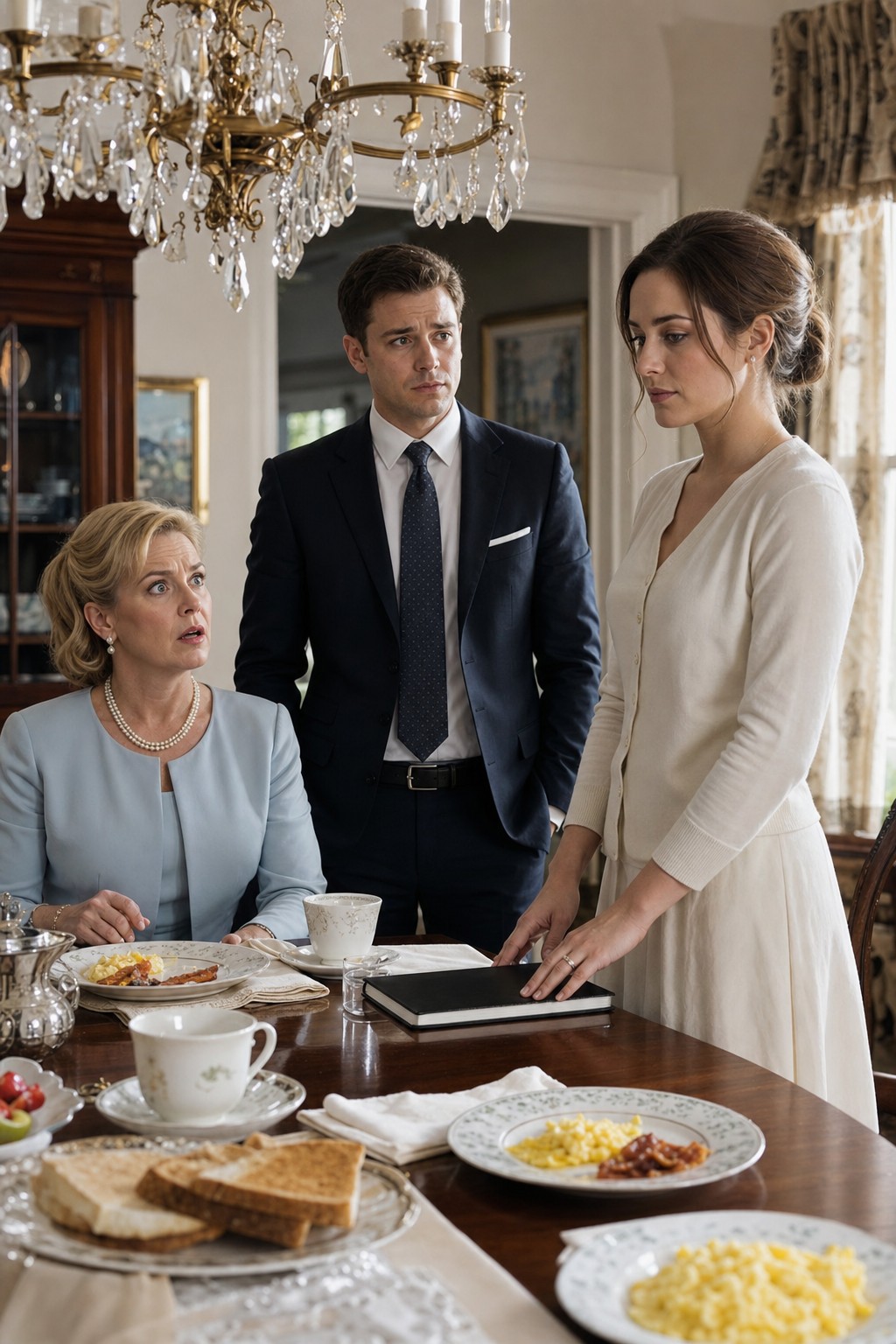
As soon as we got to my husband's family home in Oak Park, Mrs. Whitmore put the black notebook on our bed.
She did it so seriously, like it was a Bible or a judge's sentence.
My husband, Nathan, froze.
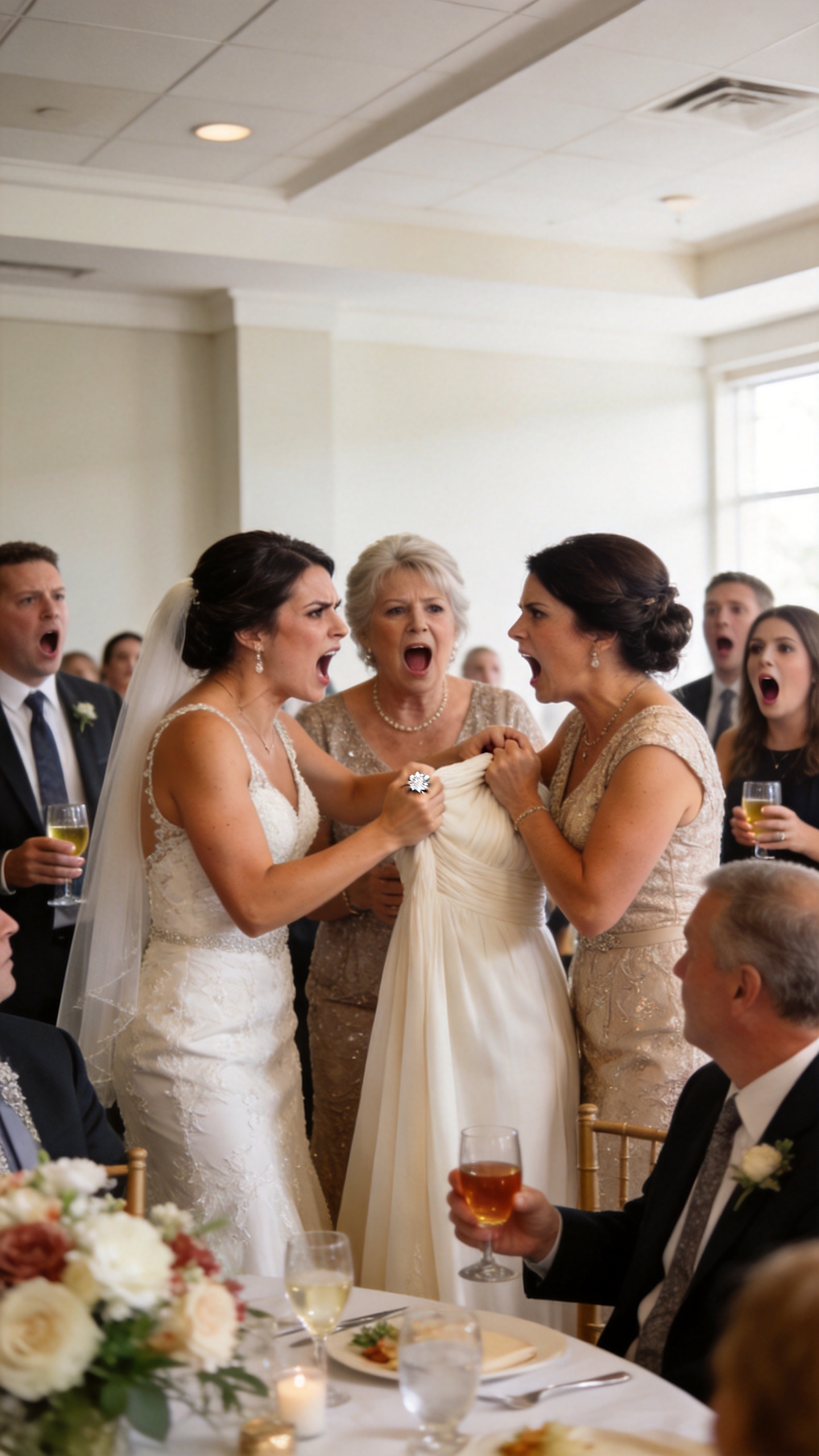
Just hours ago at our wedding reception in Lake Forest, he'd promised in front of everyone to never let anyone disrespect me.
But when he saw that old notebook with its worn corners and pages held together by a red elastic band, he hung his head like a scolded child.
"You are my son's wife now," Mrs. Whitmore said with a perfect smile.
"And this family has rules. Young women learn their place by serving others first."
I took a slow breath.
From the moment she started talking, I knew it was about control, hidden behind lace curtains and fancy napkins.
Mrs. Whitmore opened the notebook and read aloud.
There were rules about how young relatives should greet elders, how to pour coffee, when to use the sitting room, when to open the curtains, and even which way soup bowls should face on the table.
Then she got to the rule she'd been waiting for.
"The newest daughter-in-law never sits with the elders. First, the husband eats. Then the lady of the house. Then the guests. Once everyone else is done, if there's any food left, the daughter-in-law can eat. That's how respect is kept."
"Mom, that's degrading," Nathan said, his voice tight.
"Lauren works all day. You can't expect her to come home, cook, serve, and then eat scraps."
Mrs. Whitmore gave him a cold stare.
"Be quiet, Nathan. A family falls apart when a man lets a modern woman change the family traditions."
Rules Backfire
Then she looked at me, waiting to see my reaction.
"You're completely right, Mrs. Whitmore," I said calmly.
"If those are the rules of this house, I'll start following them precisely tomorrow morning."
His mother blinked, clearly confused by my calmness.
The next morning, I came downstairs at exactly six, dressed for work.
I wore a beige tailored suit, closed-toe heels, and my hair was pulled into a neat low bun.
Mrs. Whitmore was already sitting in the dining room, looking like someone expecting to win.
Nathan stood near the counter, struggling with the coffee machine as if it were a bomb.
"Lauren, come make breakfast," my mother-in-law ordered.
I stayed at the foot of the stairs.
"I'm afraid I can't, Mrs. Whitmore."
"What do you mean, you can't?"
"Last night, you said my place is after everyone else and I mustn't touch the elders' food before they're done. If I scramble eggs, I need to taste them for seasoning. If I pour coffee, I'll touch your cup before you eat. That'd break your rules."
Nathan almost dropped the spoon.
Mrs. Whitmore's face turned red.
"Don't be smart with me. I said you eat later, not leave us without breakfast."
"I'm not arguing," I replied.
"I'm just following every rule in your notebook."
I picked up my handbag and headed for the door.
"Please excuse me. I have an eight o'clock meeting."
That morning, in my office, I ate avocado toast and drank an Americano, imagining Mrs. Whitmore realizing the rule meant to humiliate me had trapped her.
What we didn't know then was that the black notebook held something even worse than cruel household rules.
By the third day, the kitchen looked empty.
There was no smell of fresh coffee.
No eggs and tomatoes like Mrs. Whitmore said proper families had in the morning.
A few stale rolls were on the table, next to badly cut fruit and weak coffee that even Nathan wouldn't touch.
I came downstairs, ready to leave, with my briefcase under my arm.
"Too fancy to cook again?" my mother-in-law snapped.
"Since you came, this house is like a hotel. You come and go, order your own meals, and leave your husband hungry."
"I'd never want Nathan to be hungry. But you made it clear I can't touch the elders' food before they eat. I have to wait."
Nathan rubbed his face.
"Lauren, please. Can't you just make something quick? Mom is really upset."
"You want me to break your mother's precious family traditions? If I cook, I have to taste the food. If I taste it, I eat before she does. If I serve it, I touch her meal. Do you really want me to be a disrespectful daughter-in-law in my first week?"
That evening, I got home from work and found Mrs. Whitmore eating instant noodles.
Nathan had brought home burgers, but she refused to eat them because, according to her, "A proper woman doesn't eat food from a paper bag."
A Tricky Demand and a Strategic Response
Thirty minutes later, my dinner was delivered.
I put all the food at one end of the kitchen island, far from the formal dining table.
Mrs. Whitmore showed up in the doorway.
"Do you always buy pricey meals just for yourself?" she asked.
"With my own paycheck, yes," I replied.
"And I'm not sharing because it was handled by someone of lower status. I don't want to offend you."
This time, Nathan didn't seem annoyed with me.
The real showdown came on Sunday.
Mrs. Whitmore called me into the living room.
She sat there with the black notebook on her lap.
"Next Saturday is the anniversary of my husband's death," she said.
"The whole family will be here. This year, you'll cook the meal so everyone can see what kind of daughter-in-law joined our family."
I knew her game right away.
If I cooked, she'd brag that she'd finally made me give in.
If I refused, she'd call me selfish and lazy in front of everyone.
"Sure, Mrs. Whitmore. I'll make it a gathering no one forgets," I said.
All week, I didn't buy any meat, rice, vegetables, or other groceries.
I only brought home white flowers, candles, and a clean tablecloth for the memorial display.
The night before the gathering, Mrs. Whitmore opened the empty refrigerator.
The Revelation and the Memorial Showdown
"Where is the food for tomorrow?"
Mrs. Whitmore asked.
"You'll understand in the morning," I told her.
"It will be a perfect demonstration of family respect."
Then she made the fateful mistake that changed everything.
She left the black notebook on the dining table and stepped away to call one of her sisters-in-law to complain about me.
I had no intention of touching it.
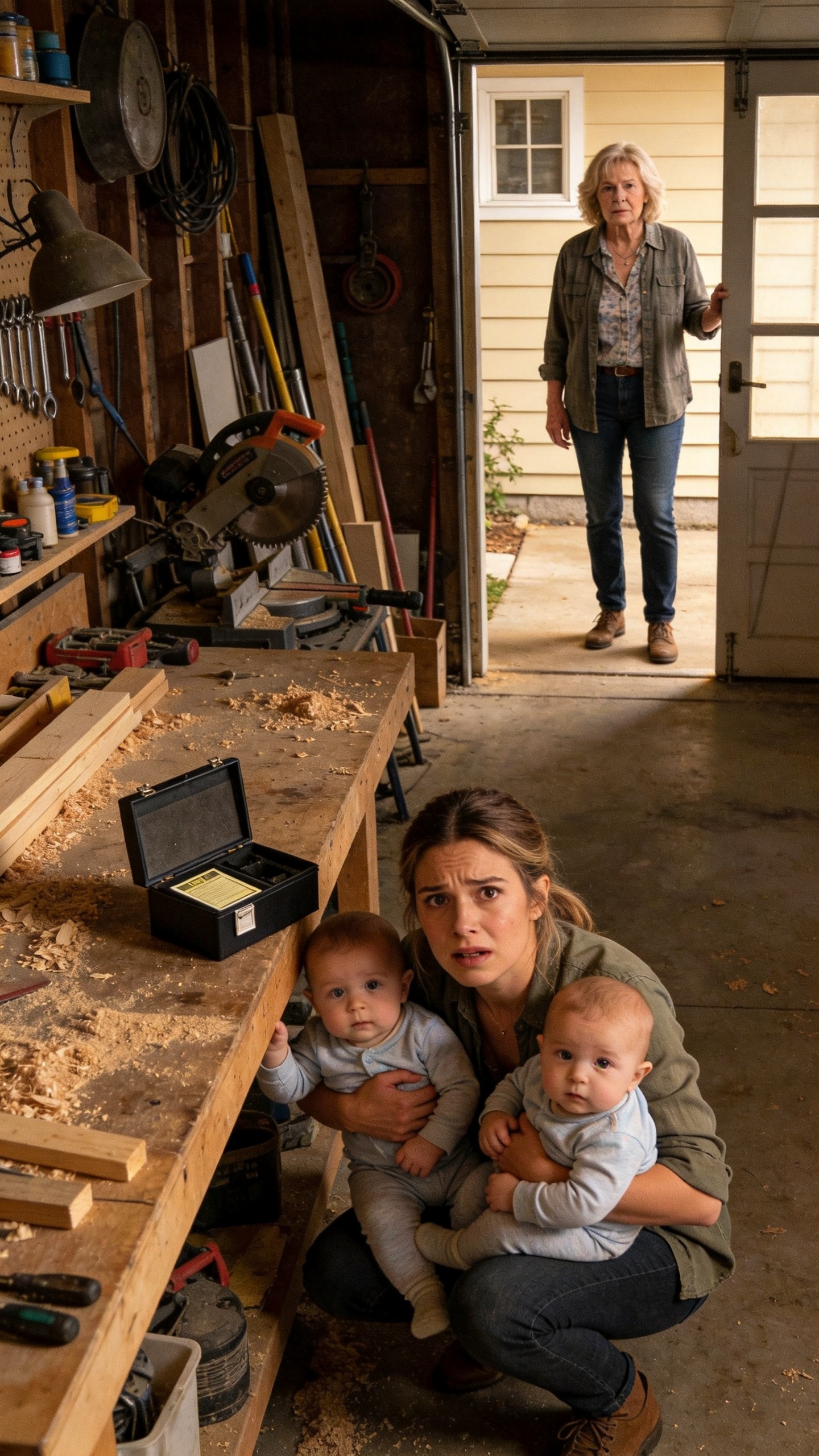
But then, a folded sheet of paper slipped from between the pages and fell onto the floor.
It wasn't another household rule.
It was an old letter written in blue ink and signed by the late Robert Whitmore, Nathan's father.
The letter revealed that the notebook was never meant to control a daughter-in-law.
It was created to record what Mrs. Whitmore had hidden for years.
Family money spent without permission.
Loans opened in her husband's name.
And a house that should never have been transferred entirely into her ownership.
My hands turned cold as I slipped the letter into my purse.
The next morning, when the relatives arrived dressed in black, Mrs. Whitmore had no idea that her notebook was no longer a weapon against me.
It had become the key to her own downfall.
By eight o'clock, the house was filled with chatter.
Uncles, cousins, nieces, nephews, and longtime neighbors in dark clothes came to honor Robert, the family patriarch.
His portrait stood in the living room under a white ribbon, surrounded by flowers and candles.
A small table was set with coffee, tea, and pastries.
Mrs. Whitmore moved among the guests in a dark purple dress and a strand of pearls.
She acted like the queen of the memorial, though her hands kept adjusting napkins that were already straight.
"This year, my daughter-in-law organized everything," she told the guests.
"She's very successful professionally, but in this home, she's learning what truly matters-serving the family."
Some guests sized me up, looking at my plain suit, neatly pulled-back hair, and calm smile.
"You're fortunate, Margaret," Aunt Diane said.
"Young women today hardly want to do anything around the house."
I asked if anyone needed water.
But no food came from the kitchen.
At nine o'clock, Thomas, Robert's older brother, looked at his watch.
"Margaret, when are we eating? We should have said the prayer and sat down by now."
She looked around the room and found me washing coffee cups in the kitchen.
"Lauren," she whispered angrily.
"Where is the food?"
"Waiting for you to begin preparing it. You taught me that the newest daughter-in-law must not touch the elders' food. Today, the most senior members of the family are here.
It would be very disrespectful for me to cook, taste, or serve anything before they eat. So, of course, I thought you, as the keeper of tradition, would make the whole meal yourself."
"Have you lost your mind? There are more than twenty people in this house."
"Exactly. That's why I can't risk breaking the protocol."
Before she could reply, I walked into the living room.
"Thank you all for coming to honor Robert," I said clearly.
"As you know, I joined this family recently and I'm still learning its traditions. Mrs. Whitmore explained an important rule: the daughter-in-law must not touch the elders' food or sit at the table until everyone else has finished eating.
To keep that tradition today, she's chosen to prepare the whole meal herself."
Mother-in-law's Cooking Dilemma
Mrs. Whitmore just stood still in the kitchen doorway.
What do you mean, the daughter-in-law eats last?
Thomas stared straight at my mother-in-law.
Lauren, if you set that rule, you can't make Margaret break it now.
You should be the one to cook.
The other women can help if they want, but you're the one responsible, right?
After all, you're the one sticking to this tradition.
To get a closer look at what would happen.
Go on, Lauren, one sister-in-law said with a sly smile.
You've been telling us for years that no one can cook as well as you.
Nathan walked into the room looking lost.
His mother looked at him, clearly hoping he'd back her up.
For a whole week, he'd watched her demand total obedience and then complain when I did exactly what she said.
The kitchen turned into chaos.
Nathan dashed to a nearby store to get chicken, rice, vegetables, cheese, and bread.
One aunt rummaged through the cabinets for big pots.
A cousin chopped onions with a serious look on her face.
Another cousin checked the empty pantry and let out a low whistle.
Mrs. Whitmore, who was used to giving orders from the dining room, now had to cook for over twenty people with hands that were visibly shaking.
Hurry up, Lauren, one of her sisters-in-law joked.
The elders are hungry.
Don't make them wait like you make your daughter-in-law wait.