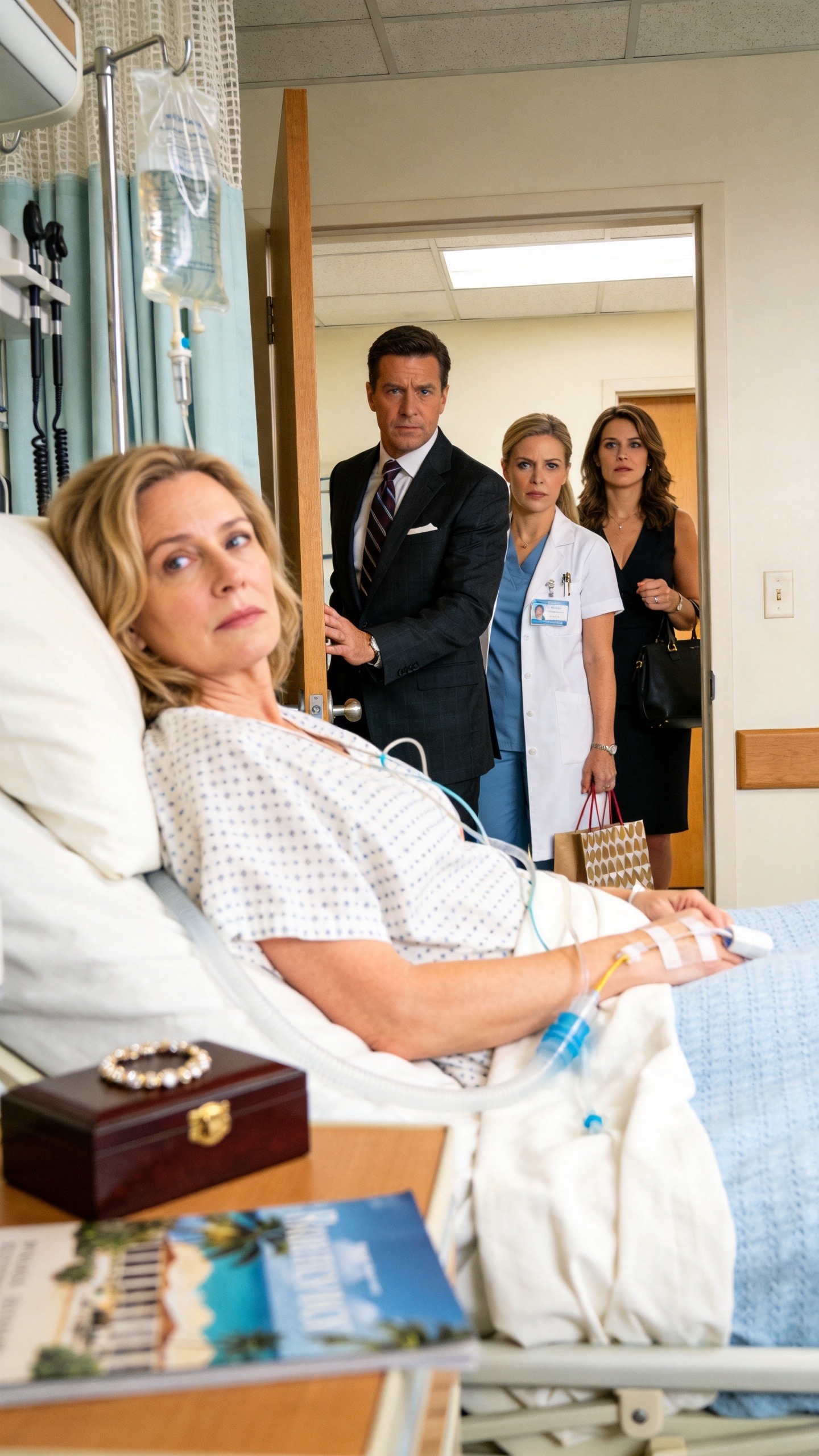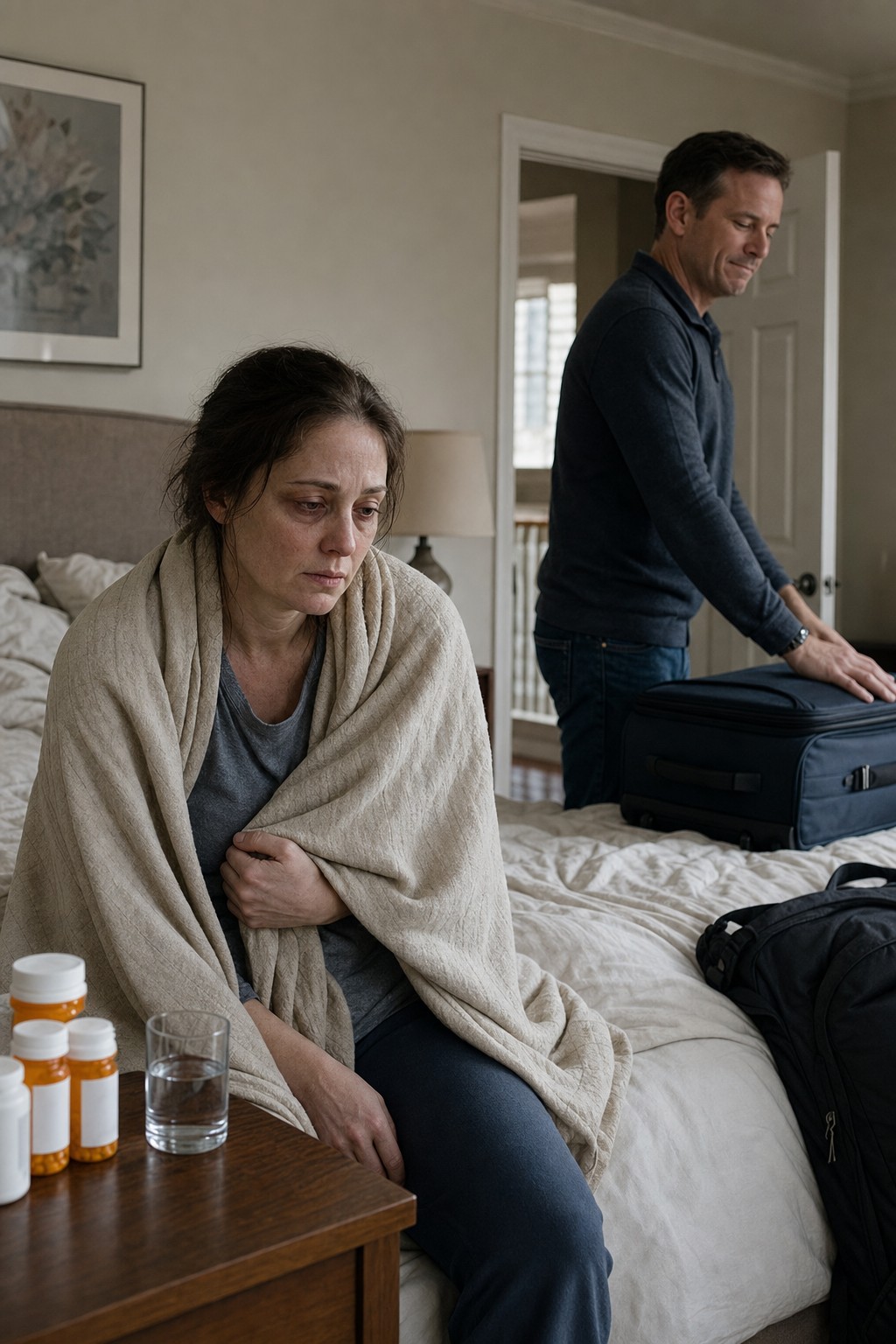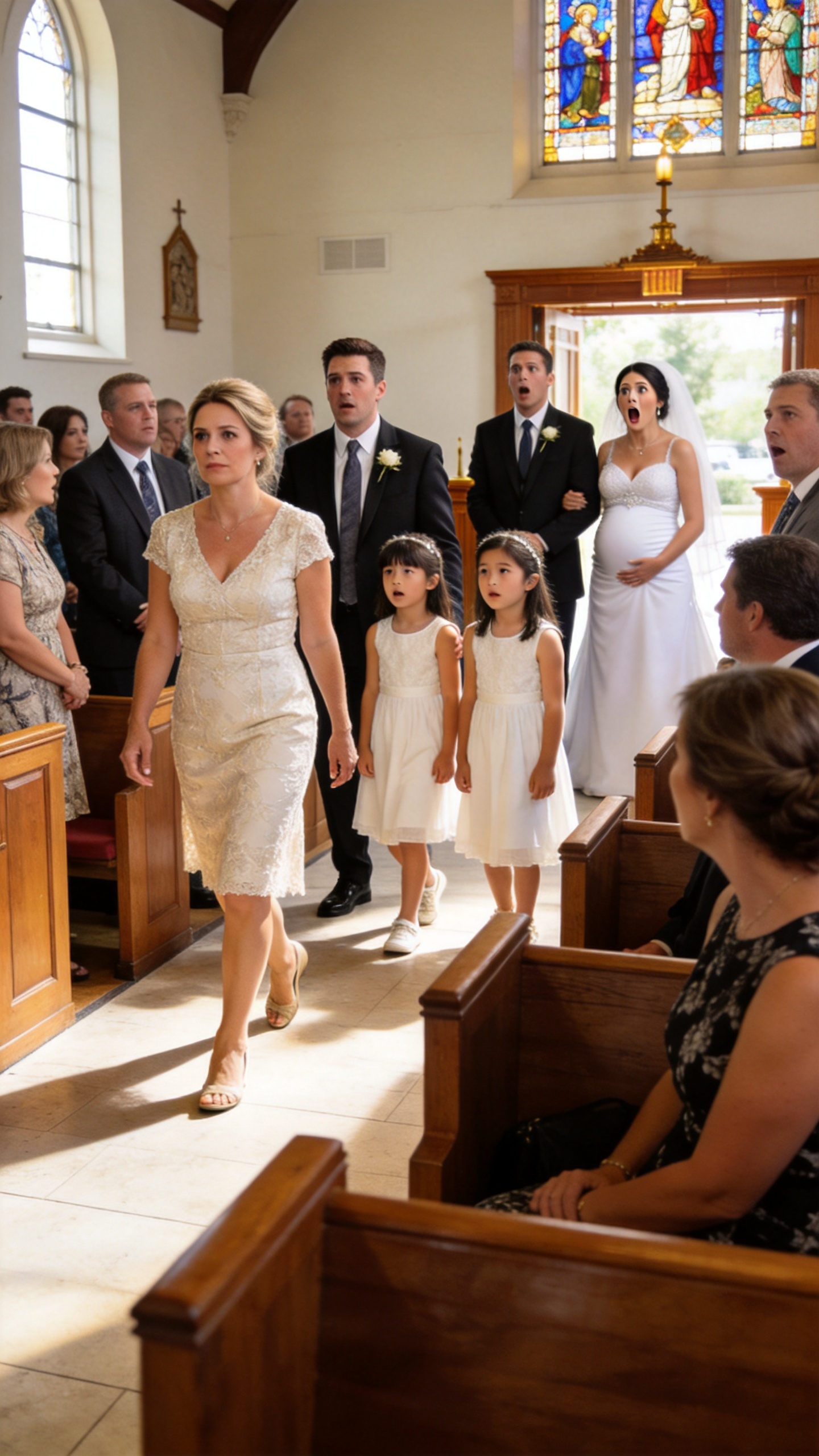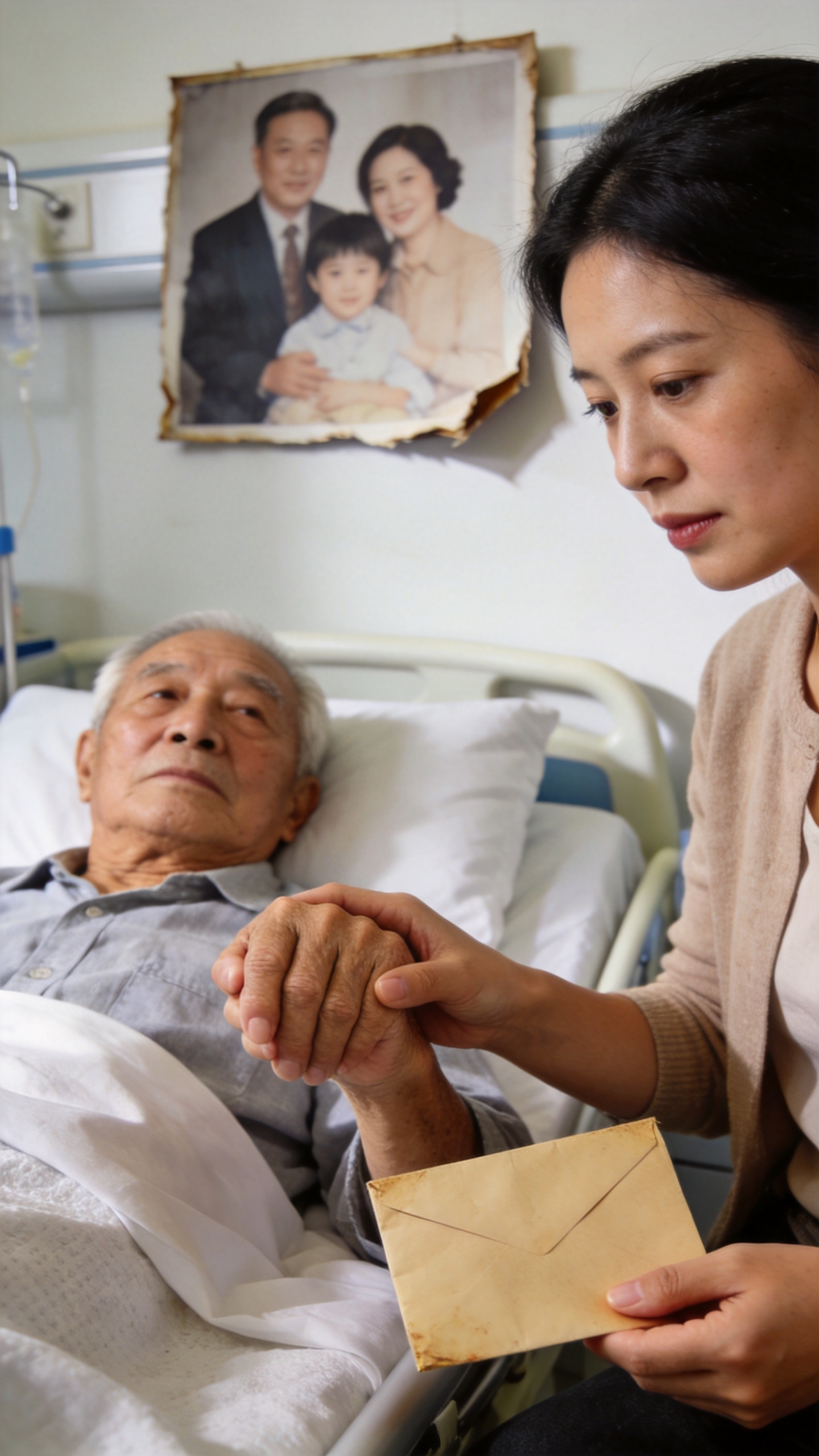
While I lay fighting for my life in the ICU, my parents ignored nine urgent calls. Days later, my dad laughed off my ordeal, calling me a wrecked
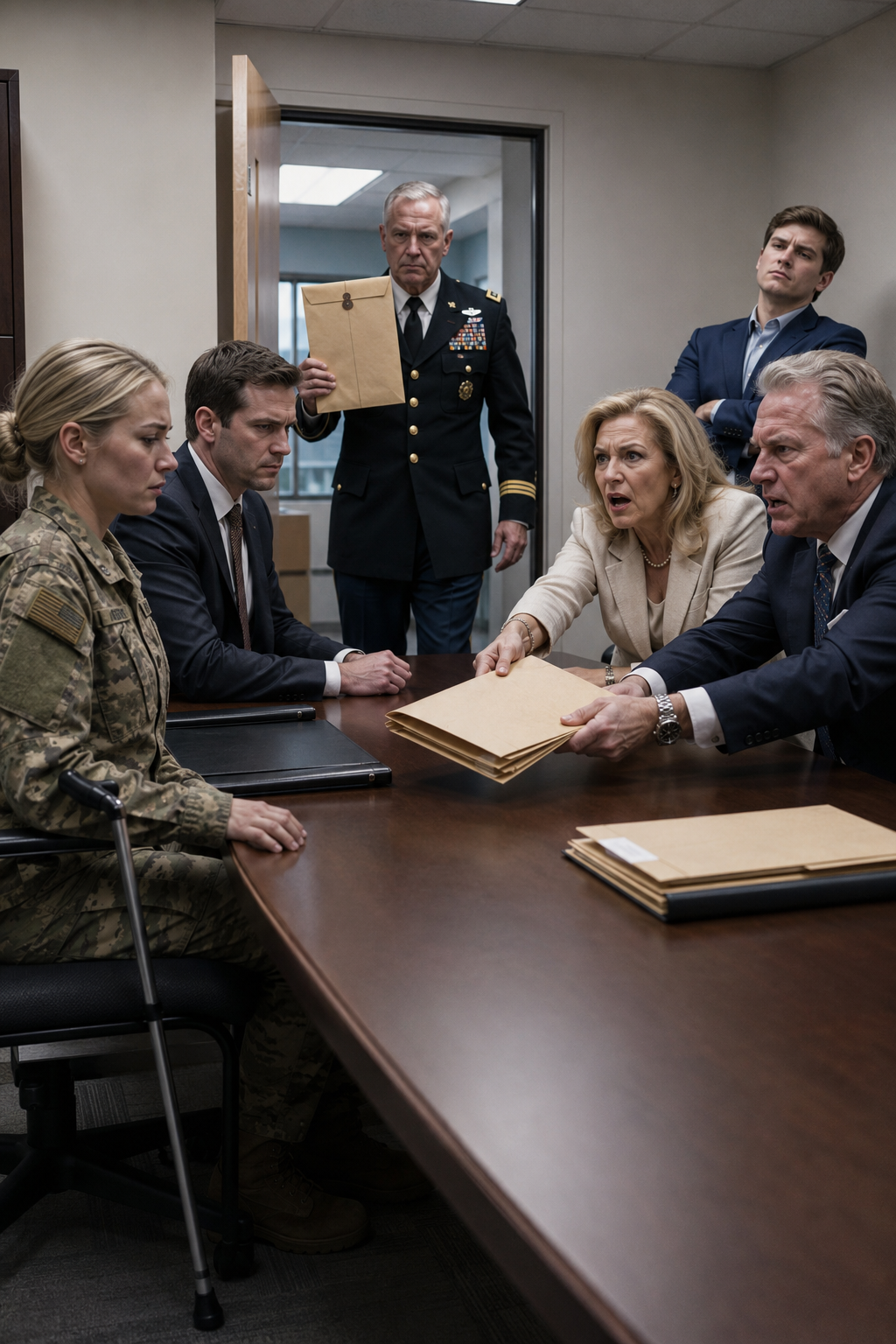
Alone in the ICU
The first sound that reached my ears was the beeping of the monitor next to my bed.
The ceiling lights were a blur above me.
My throat was sore, and pain shot through my hip, ribs, and the bandaged area of my abdomen.
I recalled the twisted metal, the shouting, and a military evacuation drill that turned into a real emergency due to a vehicle breakdown.
I was Captain Mara Reed, a trauma surgeon in a military medical unit.
I'd spent years rushing to help the injured.
That afternoon, I became the one in need of help.
A nurse named Lisa noticed I was awake and checked my monitors.
"Military hospital in San Antonio," I murmured.
Her face softened.
"You had surgery. You've got several fractures and internal injuries, but you're stable."
"Stable" seemed like a funny word when every breath felt like a struggle.
My phone was in a clear plastic bag, next to my ID and my grandma's silver watch.
Lisa hesitated.
"You should rest."
She put the phone in my hand.
My dad's number was saved as "Home."
Victor Reed could remember every property his company bought in twenty years, but he always forgot my last three birthdays until his assistant reminded him.
My mom, Grace, could be loving when it looked good in photos, but she never liked the parts of my life that involved sacrifice, stress, or anything she couldn't neatly organize.
After almost dying, I didn't want excuses.
I just wanted to hear a familiar voice say, "We're coming."
The first call went to voicemail.
By the fourth call, I told myself they might be in the car.
By the sixth, I started to wonder if my phone was broken.
On the seventh call, Lisa fixed my blanket and pretended not to see the tears rolling down my face.
The last call rang for so long that hope turned into humiliation.
Then an automated voice said the subscriber was unavailable.
I placed the phone on my chest and stared at the ceiling.
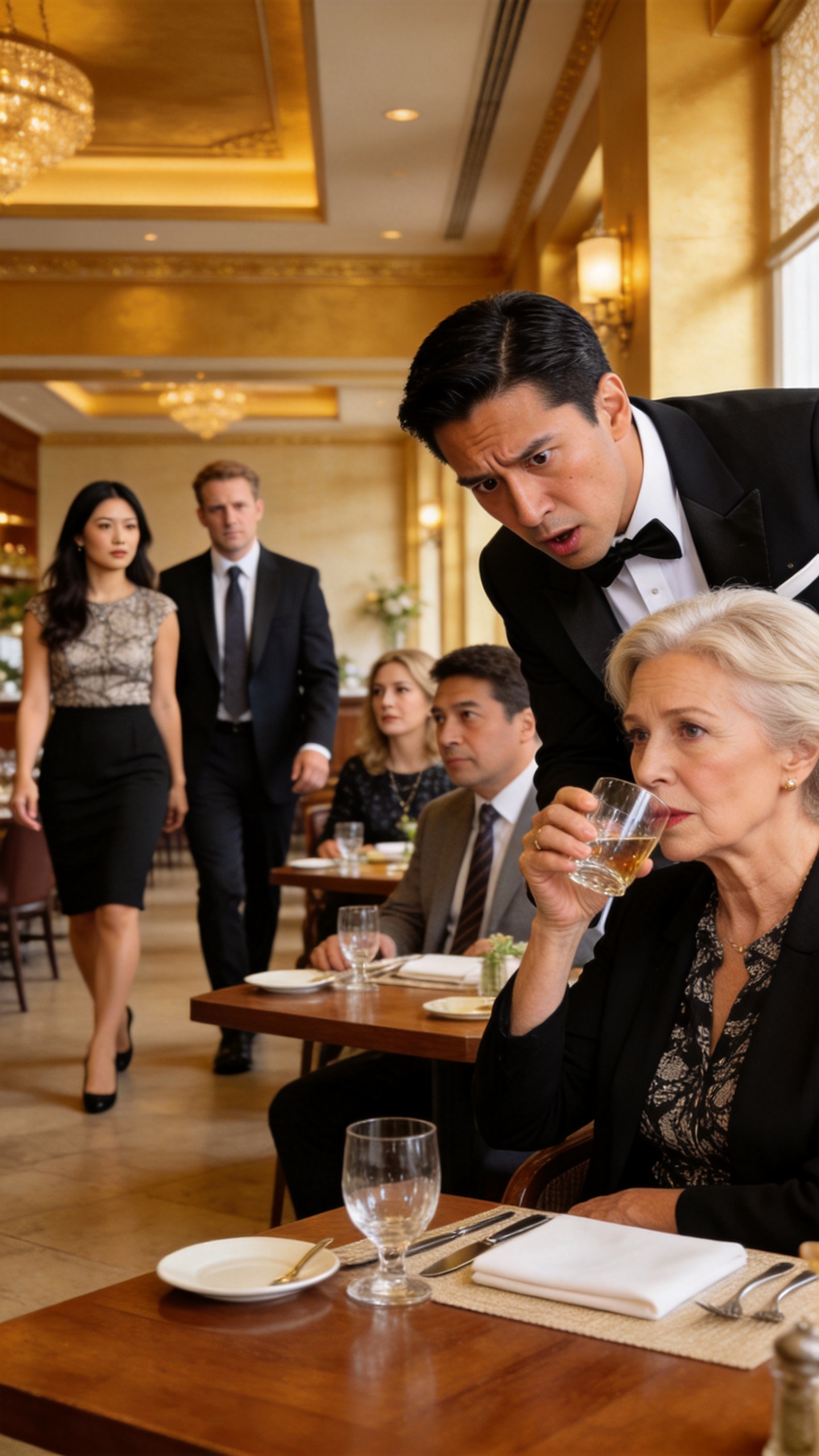
Across the country, my little sister Mia was celebrating her engagement at my parents' mansion outside Boston.
I didn't know it then, but later I'd see pictures of chandeliers, white roses, champagne towers, and my parents smiling beside Mia and her fianc, Ryan Black.
I'd also find out that my name popped up nine times on my dad's phone screen that night.
At that moment, all I knew was that I was alone in an ICU room, with strangers watching to make sure I kept breathing.
Six days later, I was released from the hospital with a rib brace, a cane, and strict orders not to lift anything heavy.
A driver from my unit took me to my small cottage outside the base.
I was looking forward to the quiet walls and the faded green blanket my grandma had knitted for me.
The Locked-Out Shock
But when I got to my cottage, my key wouldn't turn.
There was an envelope taped under the brass door knocker.
My full name and rank were typed on the front.
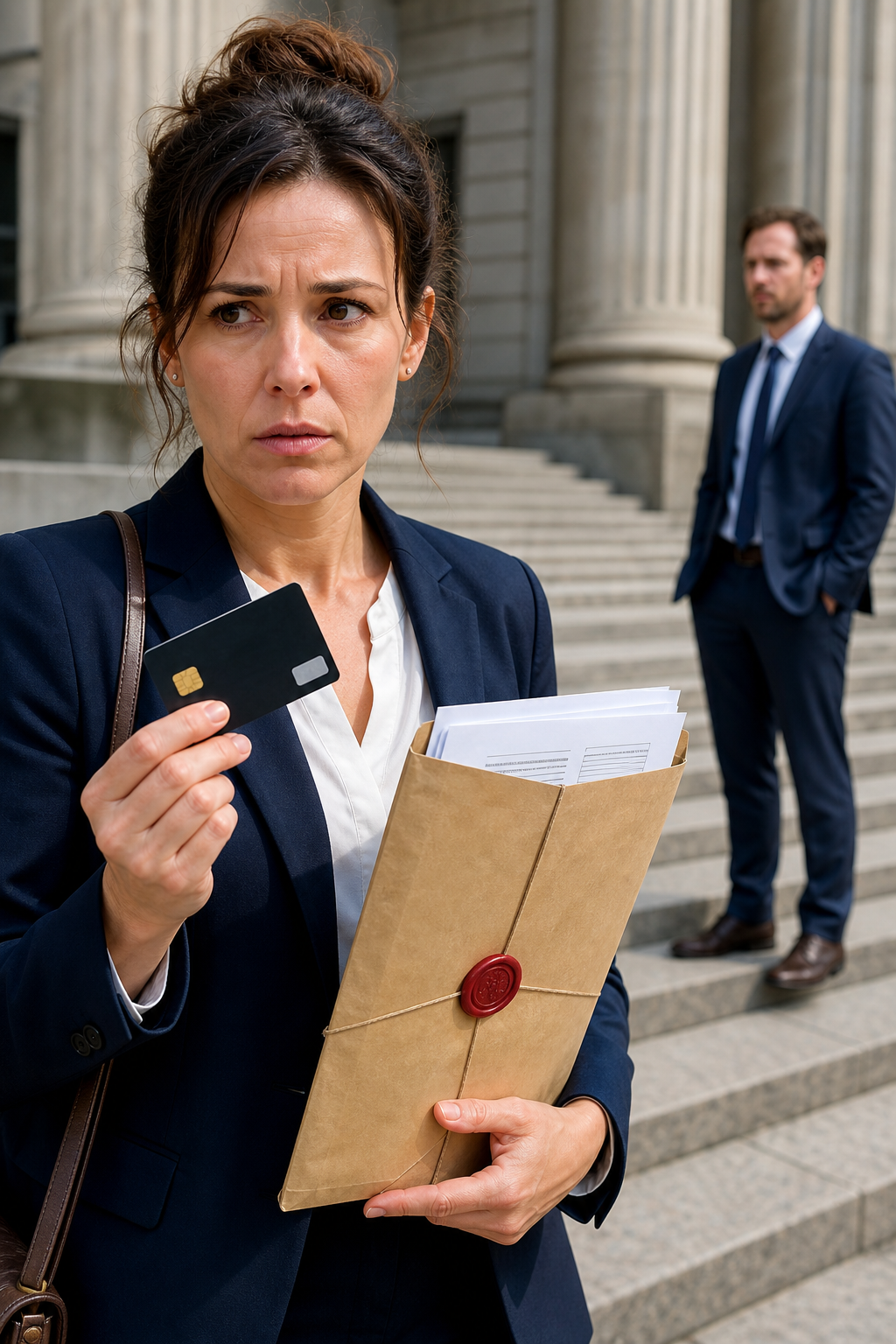
Inside was a letter from a law firm representing Ellison Crest Properties, my dad's company.
It said that due to an urgent family estate restructuring, my stuff had been taken out and moved to a private storage facility.
My parents had ignored those nine calls from my ICU bed.
And while I was still in the hospital, they went into my home, packed up my life, and changed the locks.
I stood on the porch, with my discharge papers under my arm, and read the letter again.
That's when I knew their silence wasn't an accident.
They'd been waiting for something.
The storage facility was between a tire shop and an empty warehouse on the edge of the industrial part of town.
A young employee checked my ID and pushed a cart my way.
"Your delivery came three days ago," he said.
"Twelve plastic containers, four cardboard boxes, one military duffel, and one locked document case."
Three days ago, I was still going to daily medical checks.
I could barely shower without sitting down, but my parents found time to list everything I owned.
Everything I had was now in sixteen containers.
Inside were my uniforms, medical textbooks, photos from deployments, notes from soldiers who survived because our teams got to them in time, and a chipped blue mug that my grandma Ruth used every morning.
Near the bottom of one box, I found the faded green blanket.
I pressed it to my face and smelled the cedar from the chest where I'd stored it.
The smell took me back to Ruth's kitchen, where the counter was covered in flour and the radio played softly by the window.
Ruth Ellison was the only one in my family who never asked what my achievements could do for her.
When I was seventeen, after my dad criticized my plan to join military medicine, she told me, "People notice what you own before they notice who you are. Make sure you never become one of those people."
I thought she was warning me about money.
I didn't realize she was warning me about my family.
My commanding officer got me temporary housing near the base while they looked into what happened to my cottage.
That night, I sat at a folding table surrounded by boxes and sorted through all the documents related to the lock change.
The legal notice talked about an estate restructuring authorization.
The cottage was mine.
I'd bought it eight years ago with military housing benefits and money I saved from deployments.
My dad's company had no right to it.
When I called the lawyer on the notice, he sounded nervous as soon as I said I owned the house.
"We were given papers showing Ellison Crest had temporary management authority," he said.
"The file has your electronic authorization."
"I never authorized anything."
Uncovering the Trust Scheme
I told the lawyer to save every email, record, and document.
Then I called Tessa Walsh, a lawyer who dealt with estate issues for base officers.
She showed up the next morning with a leather folder and two cups of coffee.
She listened as I told her about the calls from the ICU, the changed locks, and the storage notice.
"Do your parents have any reason to think they control your property?" she asked.
"What about trusts, family partnerships, inheritance documents?"
The word "trust" triggered a memory.
I opened the locked document case from storage.
Under mortgage papers and military records was a sealed envelope in Grandma Ruth's handwriting:
"For Mara. Open when you finally need to know."
Inside were a letter and trust documents.
The Ruth Ellison Family Trust had been set up five years ago.
Its main value was just over five million dollars.
Tessa read the conditions out loud.
The trust couldn't be transferred by regular power of attorney, electronic signature, or estate proxy.
Any release needed my physical presence, verified ID, and biometric confirmation.
My grandmother had made it so no one could pressure a clerk, copy my signature, or move the money when I was gone.
Then Tessa asked the trust administrator for an emergency audit.
Two hours later, the report came back.
Someone had tried to access the trust at 10:47 p.m. on the night of my accident.
At 10:47 p.m., I'd been under bright lights, struggling to stay awake while making my ninth call.
The request had a document with my signature on it.
The administrator turned it down because my biometric confirmation was missing.
I looked across the table at Tessa.
"They weren't waiting to see if I got better," I said.
"No," she said softly.
"They were waiting to see if you'd still be needed."
My phone rang before I could say more.
My mother's name showed up on the screen for the first time since the accident.
Nine calls from the ICU hadn't been enough.
One blocked financial transfer brought her to me in just a few hours.
My parents came the next afternoon with flowers, fake concern, and three legal folders.
My father's black SUV pulled up first.
My mother's sedan followed.
Then Lena's white crossover parked behind them.
Adrian got out in a navy suit, even in the Texas heat.
He adjusted his cuffs like he was going into a boardroom.
My mother held the bouquet to her chest.
"Mara," she said when I opened the door.
"Look at you."
She reached for me, but I stepped back before her hands touched my ribs.
My father cleared his throat.
"There were communication problems at the party," he said.
"The estate was crowded. The signal was bad."
The excuse sounded like it had been practiced.
Lena looked around the cottage like she was looking for reasons to feel better than me.
"We brought flowers," she said.
I let them in because I wanted to know what they were after.
Tessa had told me not to accuse them yet.
"Let them talk," she'd said.
"People make mistakes when they think you're still in the dark."
The Deceptive Offer
My mother plopped the flowers on the counter, not even bothering to look for a vase.
My father marched straight to the table and laid out the folders in front of an empty chair.
He'd barely been inside a minute.
"Mara, before things get too emotional, we've got a practical matter to sort out," he said.
"A temporary reshuffle of family assets."
The first agreement gave Ellison Crest Properties the power to manage Ruth's trust.
The second let company execs use the trust as collateral.
The third shifted most of the trust to a holding company controlled by Lena and Adrian after they got married.
My mother put her hand near mine.
"This is to protect you. You've never been into business," she said.
"Military contracts are different," my father added.
Adrian leaned against the wall.
"The company's got several projects going on. Your grandma's money is just sitting there," he said.
His jaw clenched.
"No one said it was," he snapped.
Lena strolled over to the couch and stepped on my military duffel.
The edge of her shoe pressed on my unit patch.
She laughed.
"You still haul this thing around everywhere?"
She kicked it aside.
"You're always so over-the-top about military stuff. You just had a training accident, Mara. You weren't storming a beach."
Not the man she was going to marry.
Pain shot through my ribs as I moved the bag myself.
I wanted to tell them about the people I'd helped, people whose families would've gone to any length for one more chat.
But I remembered Tessa's advice.
"I need time to read all this," I said.
"Of course. Forty-eight hours should do it," my father replied.
My mother smiled like I was starting to come around.
Lena took a picture of the flowers, carefully leaving the legal folders out of the frame.
Before leaving, she posted a picture of my mother touching my shoulder with a caption about healing, gratitude, and family strength.
There was nothing about the unanswered calls.
Nothing about the changed locks.
Nothing about the five million dollars.
When their cars drove out of sight, Tessa stepped out of the bedroom, where she'd listened with my okay.
"They never asked how you were feeling," she said.
"They didn't even ask about your recovery."
"They came here for a deal."
We sent the documents to the trust administrator.
By evening, the administrator said they matched the rejected transfer attempt.
The signature looked like mine, but it had been digitally put in.
The file history had an ID linked to Adrian's personal device.
Then Tessa got a preserved email from the audit.
Adrian had sent it to my father twenty minutes before my ninth call.
"If Mara doesn't make it through the week, the trust goes according to the secondary family provision. Don't call the hospital until we know if we still need her cooperation."
I read the message three times.
The Threat They Tried to File
The flowers stayed on the counter until they wilted.
Their sweetness made the cottage smell dishonest.
My family had not simply ignored my calls.
They had decided my survival was financially inconvenient.
The next morning, Victor came back with Adrian.
No flowers this time.
Victor walked in without waiting for an invitation and sat across from my desk.
Adrian stayed near the door, using height and silence the way insecure men use expensive suits.
"We need to finish this," my father said.
"I am still reviewing the documents."
Adrian placed a new folder on the desk.
"Final agreement."
Victor looked at the brace under my shirt.
"You have been through a traumatic event. Your judgment may not be reliable."
Adrian opened the second folder.
"This is what happens if we cannot resolve things privately."
Inside was a draft complaint accusing me of mishandling medication during recovery.
It included fabricated claims from an unnamed employee and a request for a formal military investigation.
The accusation was false.
It was also dangerous.
Even a temporary investigation could delay my return to duty, affect my clearance, and stain a career I had built through years of exhausting work.
Victor folded his hands.
"No one wants to file it."
"Then why bring it?"
"To help you understand the consequences of refusing reasonable cooperation."
This was the man whose voice I had wanted in the ICU.
I had spent my childhood believing he was distant because he was busy and severe because he was responsible.
The truth was smaller and colder.
Victor Reed loved people only while they stayed useful.
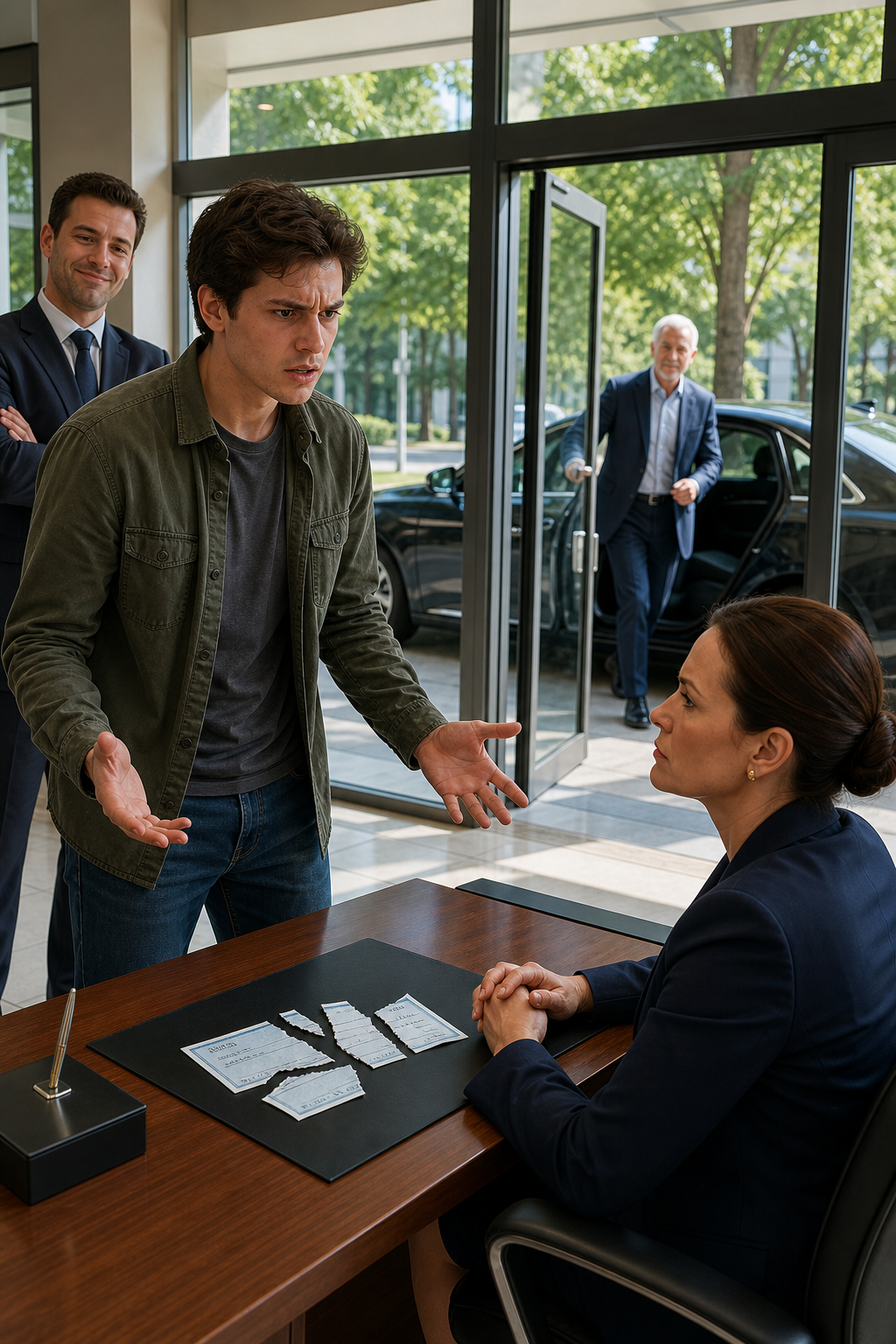
He opened a narrow wooden case and removed a gold fountain pen.
"Sign the settlement release," he said.
"The complaint disappears, the property issue is corrected, and this family moves forward."
"And if I do not?"
"Then you may lose the uniform you care about more than your own family."
A recorder, legally placed on my own desk in my own home, captured every word.
I let my hands shake because fear was what they expected.
"I need until tomorrow," I said.
"To understand what I am giving up."
Victor and Adrian exchanged one quick glance.
They thought pressure had finally worked.
After they left, Tessa retrieved the recorder from behind a row of medical textbooks.
Colonel Daniel Reeves, my commanding officer, joined us by secure video.
He listened without moving.
When the recording ended, he asked one question.
"Are you in immediate danger, Captain?"
"Not this minute."
"Do you believe they will file the false complaint?"
"Yes."
His jaw tightened.
"Then we document everything before they do."
The next twelve hours moved with military precision.
My medical team preserved pharmacy logs proving every medication was accounted for.
The hospital sent time-stamped records of the nine urgent calls.
The trust administrator certified the failed five-million-dollar transfer request.
Property records confirmed that Ellison Crest had used fraudulent authority to empty my cottage.
The storage company preserved surveillance footage of company employees supervising the move.
By midnight, it was no longer my word against theirs.
It was records against greed.
The Ballroom Evidence
The next afternoon, I called my father.
His relief came too fast.
"You are making the right decision," Victor said.
"I want to do it at Lena's engagement gala."
Silence.
"Why?"
"Everyone thinks I am fighting the family. I want them to see I am choosing peace."