At My Father's Funeral, My Brother Said the House Would Be Sold to Pay His Debt - Then Our Lawyer Revealed the Will None of Them Had Read
The Funeral and the House
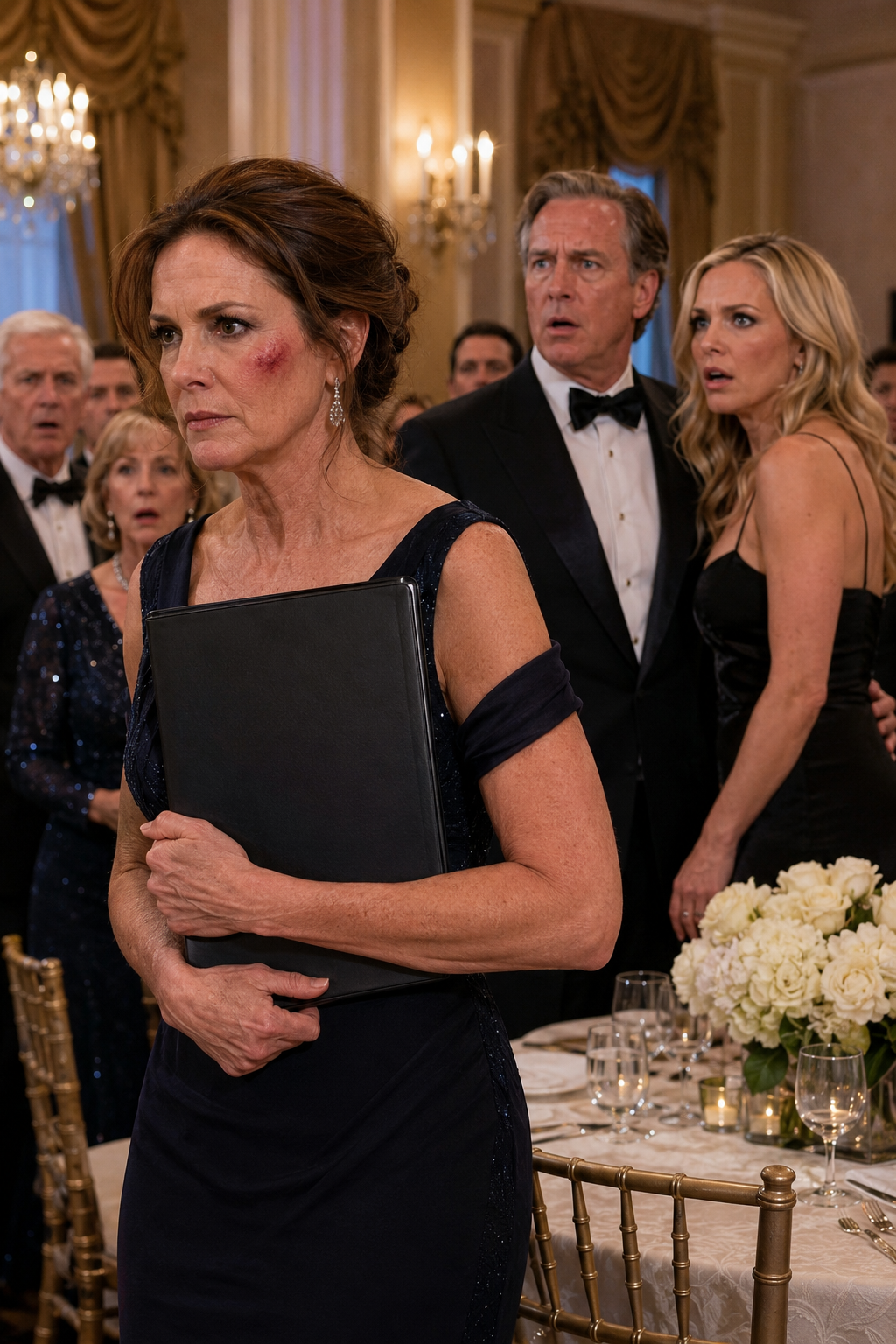
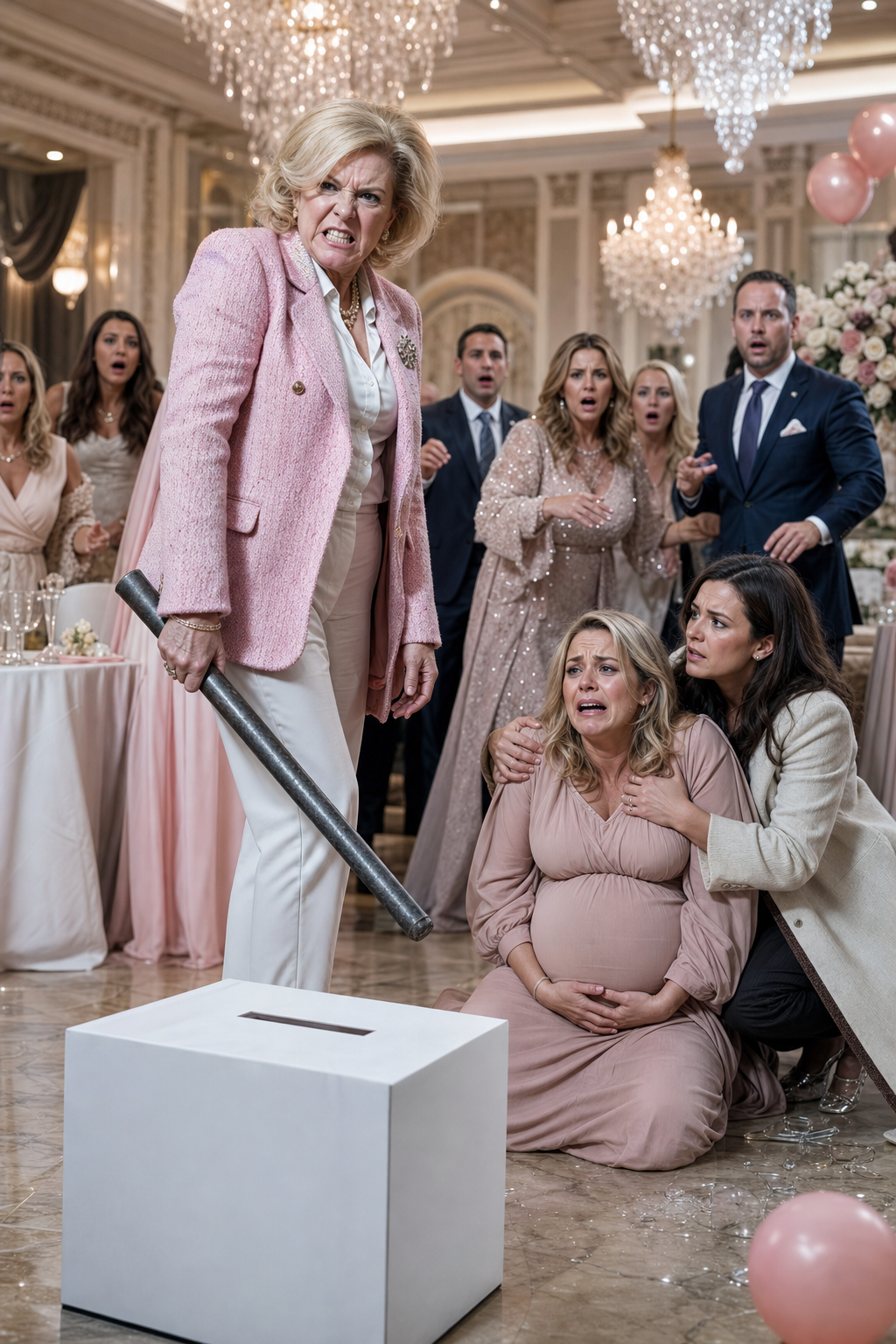
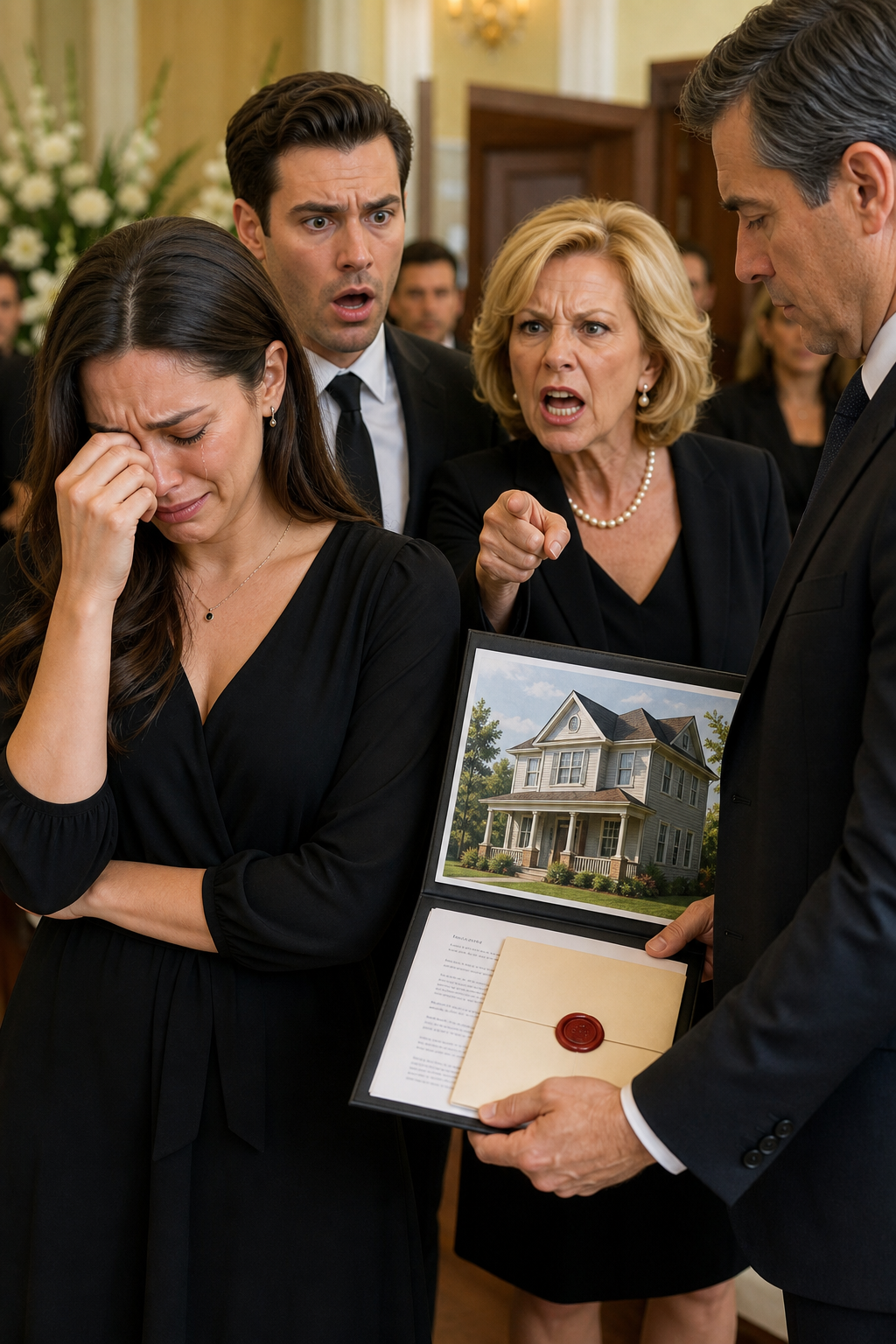
My father's casket was still at the front of the chapel when my brother stood up and said the house would have to be sold.
He did not say it quietly.
He said it in front of forty relatives, two grieving aunts, and the man holding the service folder as if he owned the room.
"I have no other option," he told everyone, though his voice was full of the kind of confidence men only have when they expect somebody else to pay for their mistakes.
He said his gambling debt was three hundred forty thousand dollars.
Then he looked at my mother and waited for her to back him up.
She did.
My mother turned toward me, her face pale but determined, and said I would need to find another place to live.
That was the moment I understood exactly what family meant to her.
It meant sacrifice, as long as it was mine.
The chapel went so quiet I could hear the old floorboards ticking under people's shoes.
My brother sat there like a man asking for permission to steal a grave.
I did not answer him.
I just watched the lawyer near the back row unfold a leather folder that none of them had noticed.
What They Thought I Would Sign Away
My brother had spent years being rescued from consequences.
My father had covered missed rent, bounced checks, and debts nobody in the family was brave enough to name out loud.
Every time my brother made a mess, my mother asked me to be the reasonable one.
I paid utility bills.
I fixed the roof after storms.
I handled the property tax statements when my father's health started failing.
They called it helping.
What they really meant was that I was supposed to keep the house standing while everyone else treated it like a piggy bank.
That morning, with mourners staring at me, they expected me to nod and absorb the humiliation the way I always had.
My brother even smiled a little, as if the sale was already done and all that remained was my obedience.
He thought grief would make me soft.
He thought the funeral made him untouchable.
He had no idea my father had spent the last six months building a paper trail nobody else had bothered to read.
The Folder No One Read
The lawyer stepped forward only after my mother said my name again, this time with the tired tone people use when they have already decided your life for you.
He asked if the family was ready to hear the final wishes.
My brother laughed under his breath.
The attorney did not look at him.
He opened the folder and began reading a trust amendment dated three weeks before my father died.
It said the house could not be sold to cover anyone's personal debt.
It said my brother's gambling losses were his own obligation.
It said my father had already placed the property in a protected family trust with me as the sole surviving beneficiary.
The air changed instantly.
My brother stopped smiling.
My mother's hand tightened around the funeral program until the paper bent in half.
The lawyer kept reading, calm and merciless, while relatives turned their heads toward me as if I had just been handed a secret they should have feared all along.
The Debt Belonged to Him
My brother tried to interrupt, but the lawyer raised one finger and kept going.
The debt, he said, had no claim on the house.
The property could not be forced into sale.
Any attempt to move against the trust would trigger a legal challenge my father had already funded before he died.
That was the moment my brother finally realized the room was not on his side.
My mother looked at him as if she had never seen him before.
The relatives who had been nodding along now stared at the floor or at the casket, anywhere except at the man who had tried to turn a funeral into a liquidation sale.
My brother's face went gray, then red, then blank.
He had spent the whole service acting like the house was already his to strip apart.
Now he was the one left holding a debt nobody else had agreed to inherit.
What Survived the Burial
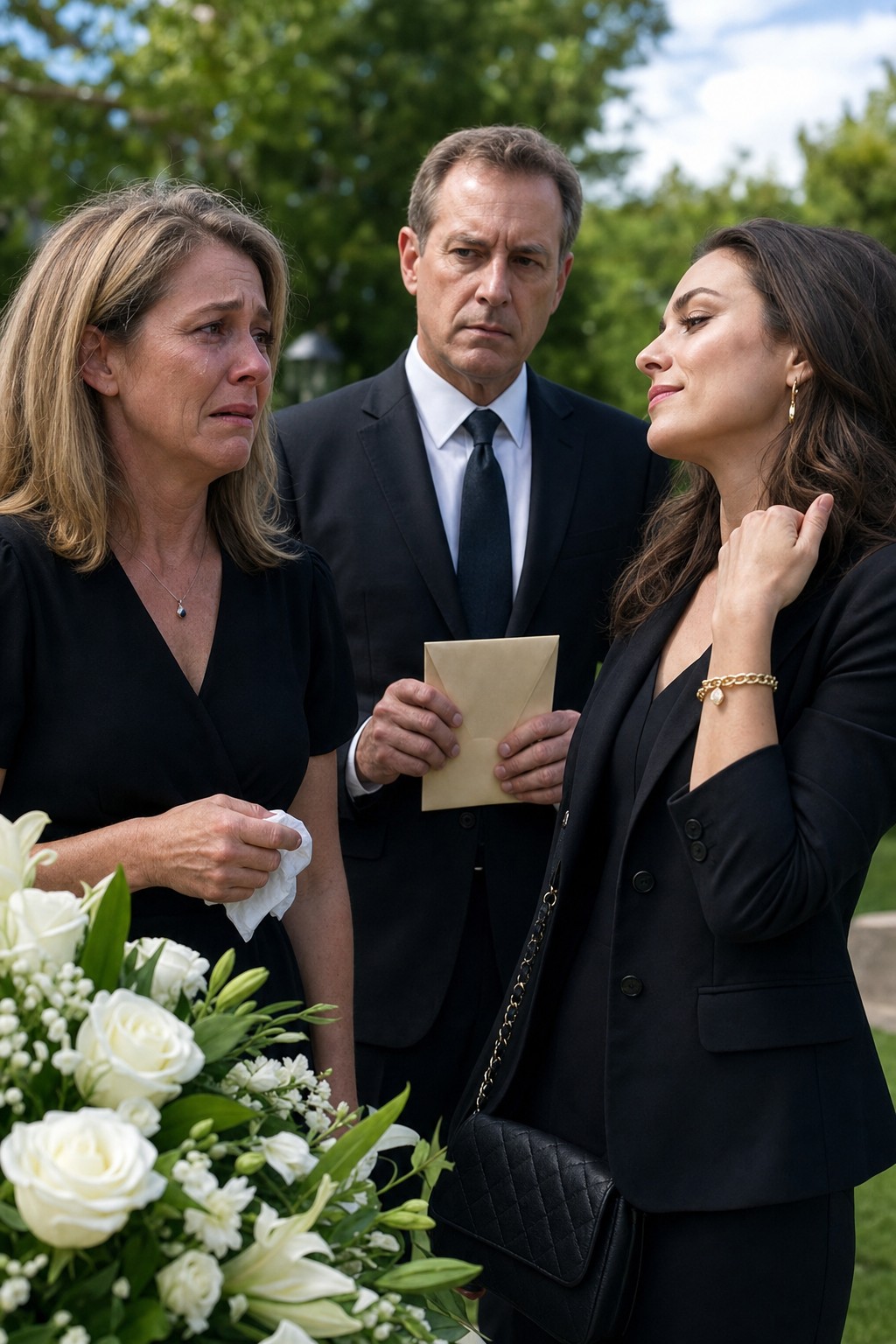
When the chapel emptied, I did not chase my mother or argue with my brother.
I folded the trust letter and put it in my bag.
Outside, the wind hit my face like a clean hard slap from the world that still existed beyond my family.
The house would stay standing.
My father had protected it.
What he had not been able to protect was the lie that my family would ever choose me first.
That was gone now too.
By the time I reached the car, I knew I would never again stand in a room and volunteer to be erased so someone else could keep their pride.
For a long time, I had mistaken endurance for love.
I had believed that if I stayed useful enough, calm enough, and invisible enough, my family would eventually treat me like a daughter instead of a service line in the budget.
The funeral proved that was never true.
My brother had not just wanted money.