A 31-Year-Old Bachelor Brought His Bedridden 76-Year-Old Neighbor Into His Home – And What He Whispered to Her Every Night Left the Whole Family Weeping
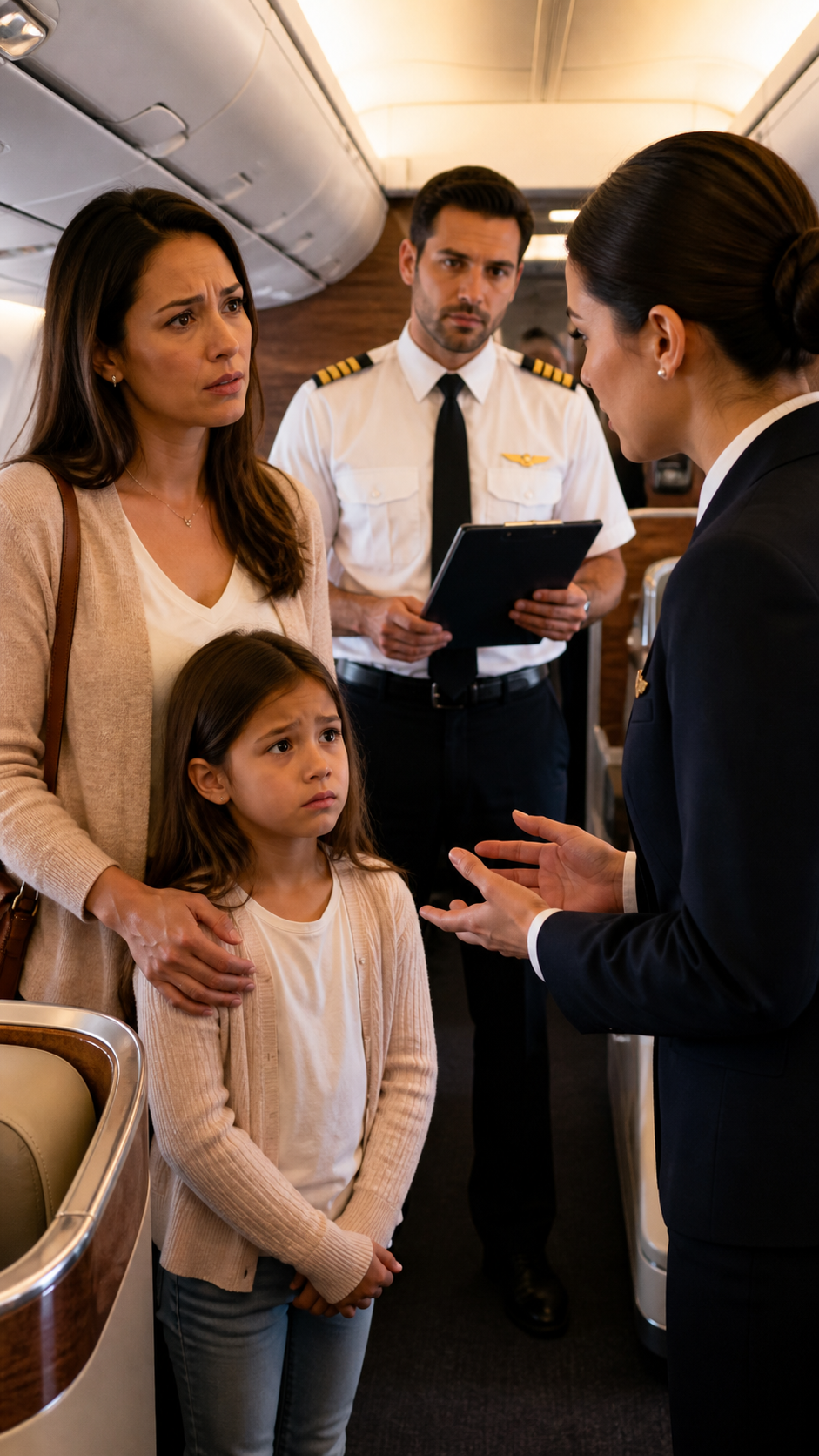
The Porch
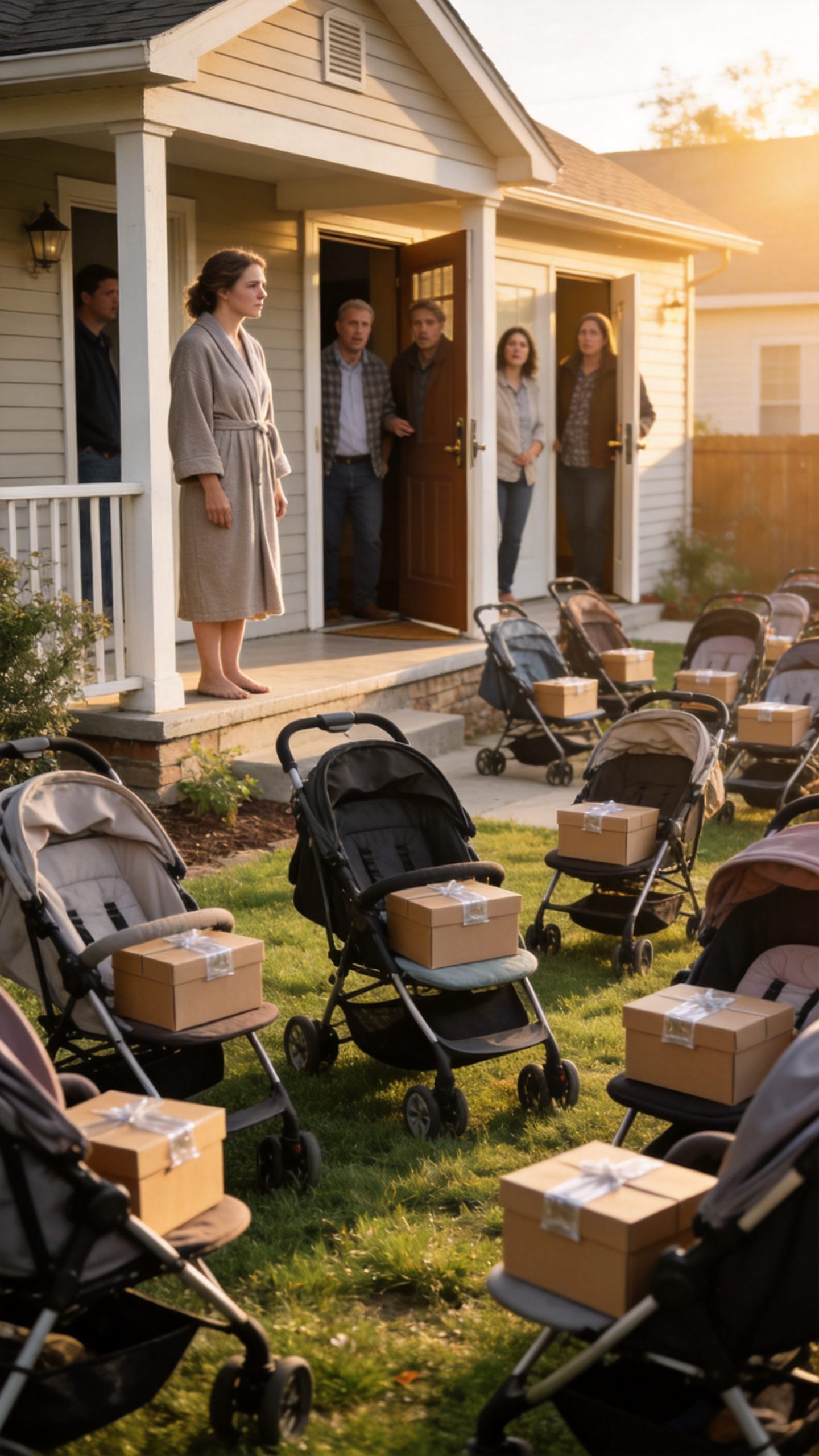
“You’re after her house!”
Brian, Ruth’s nephew, yelled from my front porch.
Loudly enough for several neighbors to come out and watch.
“You took in a dying woman for her savings! We’re calling the cops today!”
I stood in the doorway.
Clutching the frame.
Trying to stay calm.
Ruth was sleeping in the spare room behind me.
At the very least, I hoped she remained that way.
Her family hadn't visited in five years.
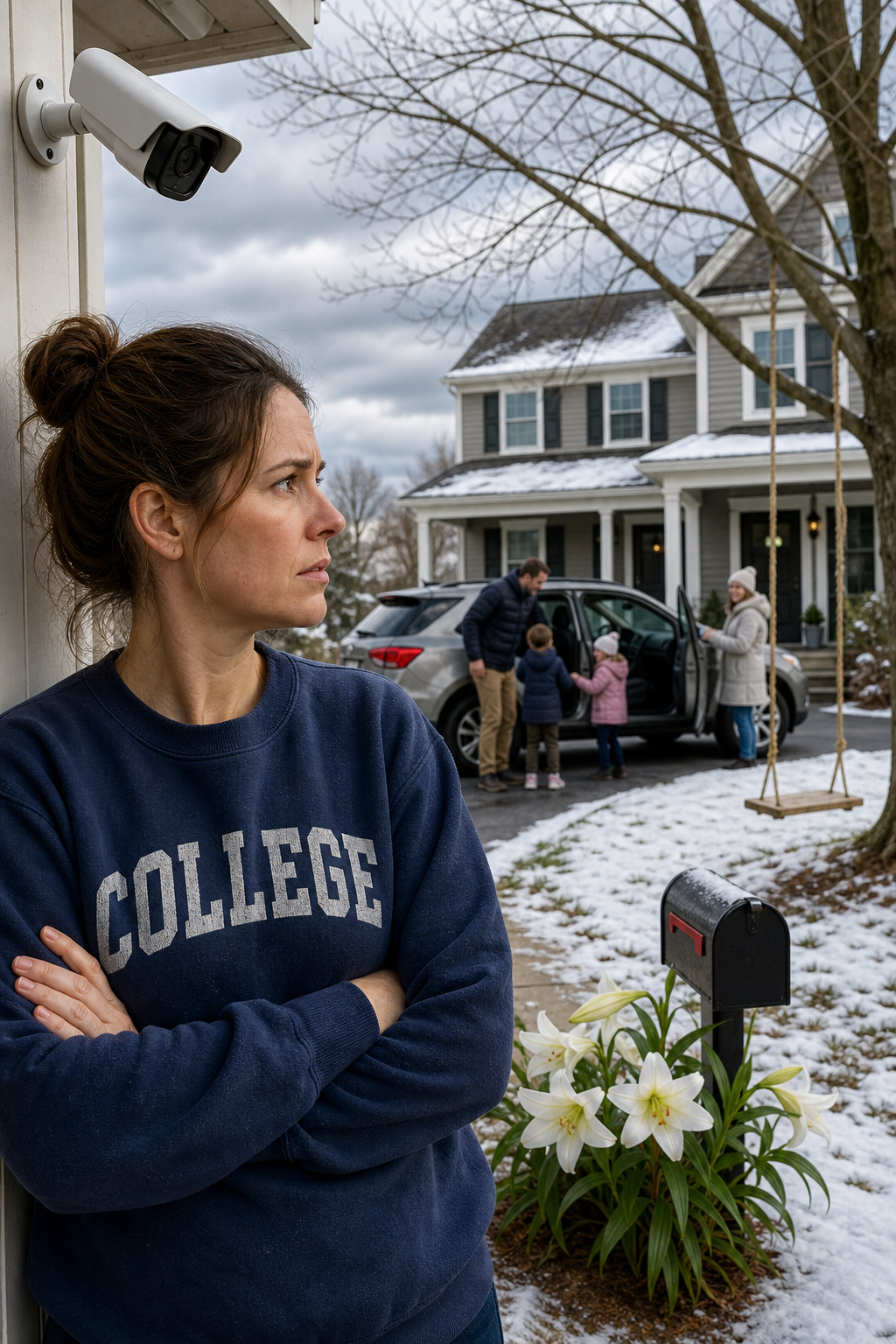
I knew because I lived across the street.
I'm Sam.
I'm 31.
Single.
I work from home.
Until a few weeks ago, my life was very quiet.
Then Ruth got very sick.
She was 76.
Weak.
Scared.
Nearly alone.
Now she was staying at my house.
Brian pointed at the hallway.
“You had no right to move her here without telling us.”
“I didn't know how to find you.”
“You should've tried more.”
His wife, Debra, stood beside him, arms crossed.
“Stop arguing, Brian. Call the police and let them handle it.”
I stared at them.
Neither was there when Ruth woke at 2 a.m. gasping for air.
Neither wiped soup off her clothes when her hands were too weak.
Neither waited outside the bathroom when she was too ashamed to stand alone.
But I kept quiet.
“Ruth asked to stay here.”
Brian laughed harshly.
“She's dying. She doesn't know what she wants.”
By evening, rumors spread in the neighborhood.
One said I was making Ruth rewrite her will.
Another said I made her think her family abandoned her.
A neighbor told Pete that Ruth gave me her house.
None of that was factual.
Pete came over with groceries the next day.
He put the bags on the counter.
“Why are you doing this to yourself?”
“Doing what?”
“Sam, come on. You're cooking for her, helping her around, waking up often, dealing with her family, and half the neighborhood thinks you're stealing her money.”
“I don't care what they think.”
“You should.”
I looked at him.
“She had no one.”
Pete softened.
“That doesn't make her your The duty.”
The word stuck with me.
The duty.
For years, I told myself Mom wasn't my responsibility either.
Or at least, that's what I said to ease my guilt.
The Letters I Never Sent
My dad left when I was little.
Mom raised us on her own.
She worked non - stop.
She made any sacrifice.
She still helped us build futures.
I attended college in a different state.
My siblings moved away too.
Mom was always strong.
So when her health declined, we didn't know how bad it was.
She never shared it with us.
Every time I called, she said, “I'm fine, Sam. Don't worry.”
It was easier to believe her, so I did.
By the time we knew how much help she needed, it was almost too late.
Years passed after she died.
But the guilt never left.
I never forgave myself for not being there for her.
Ruth knew Mom had died.
She rarely asked about it.
We'd lived across from each other for years.
She waved when I got the mail.
Sometimes she brought me muffins.
Once, when my sink leaked, she watched me fix it and told me I held the wrench wrong.
She joked about it for months.
About a month ago, I noticed something odd.
Ruth's curtains didn't open all day.
I walked across the street and rapped on the door.
I rapped on the door once more.
There was a scraping sound from inside.
After that, I heard a barely - audible voice.
When she opened the door, I hardly recognized her.
Her robe hung loose on her shoulders.
Her face was pale.
Standing seemed tiring.
She made an attempt to smile.
“I probably look terrible.”
“You look sick.”
“That's not very nice.”
I helped her to the sofa.
The next days were full of doctor visits.
Medication times.
Grocery runs.
Phone calls.
Ruth was very ill.
She was losing strength fast.
She had relatives.
But none lived close.
“Can someone stay with you?” I asked.
Ruth looked out the window.
“They're Occupied.”
“You can't do this alone.”
“I'm not alone.”
She looked at me.
It took me a moment to get it.
I did my job from my residence.
I had a spare room.
Every time I saw Ruth in that empty house, I heard Mom saying she was fine.
So one afternoon, I decided.
“Come stay at my place.”
Ruth shook her head right away.
“You shouldn't be alone.”
“I'll be okay.”
“That's what Mom used to say.”
Ruth's expression shifted.
She stared at me for a few seconds.
Then she murmured, 'Okay.'
The Nine O’Clock Confession
Three weeks later, my quiet house was full of medicine bottles.
Blankets.
Bowls of soup.
Soft conversations.
Ruth's relatives showed up only after another neighbor managed to reach them.
They arrived angry.
Brian demanded that Ruth go back home.
Debra accused me of keeping her away from her family.
Another relative called me a schemer.
Soon they were talking about lawyers, emergency guardianship, police reports, and financial exploitation.
Brian told people I was waiting for Ruth to leave me her inheritance.
I didn't argue.
When they left, I went back to Ruth's room to see if she needed anything.
But there was something her family didn't know.
Every evening at nine, I did the same thing.
I gave Ruth her medicine.
Assisted her in having some water.
Fixed her blankets.
Then I pulled a wooden chair next to her bed.
And I told her the secret I'd never had the courage to tell anyone else.
'I should've gone home earlier.'
Ruth listened quietly.
Night following night.
'I knew Mom was getting old,' I once told her.
'I could hear how tired she sounded. I knew something was wrong, Ruth. But every time she said she was okay, I believed her.'
Ruth reached for my hand.
Her fingers were weak.
But she gently touched my knuckles.
'I was her son,' I whispered. 'I should've known.'
She never interrupted me.
That became our routine.
At nine, I confessed.
Ruth listened.
I informed her about the birthday I'd skipped.
The phone call I put off because I was Occupied.
The weekend I almost flew home, then canceled because Mom said I shouldn't waste the money.
Finally, one night, I admitted what had been on my mind for years.
'I think my mother died thinking I didn't need her anymore.'
Ruth's eyes got teary.
I hung my head.
'And I don't know how to forgive myself for that.'
Her hand squeezed mine.
The Folder
The next morning, Brian came back.
This time, he brought others.
Brian stood outside with Debra and his daughter, Amy.
A police officer waited by the sidewalk.
Some neighbors were already watching from their porches.
Brian held up a folder.
'This stops today.'
I went outside.
I closed the front door behind me.
'You have to leave.'
'No, Sam. You have to bring my mother out.'
'She's sleeping.'
Amy shook her head.
'You've kept us from her long enough.'
'I never stopped you from visiting.'
'You moved her into your house.'
'Because she was alone.'
Brian stepped closer.
'You really expect us to believe you're doing this out of kindness?'
I kept quiet.
His voice got louder.
'Not visiting for five years doesn't mean we're not family.'
Something in me finally broke.
'No. It means Ruth spent five years seeing how little that word meant to you.'
The porch went quiet.
Amy looked away.
After that, I heard a feeble voice coming from behind me.
Ruth was standing in the hallway.
One hand was on the wall for support.
'Ruth, you shouldn't be out of bed.'
She ignored me.
In her other hand was a bunch of old envelopes tied with a faded blue ribbon.
Brian stared at them.
'What's that?'
I recognized the bundle.
It had been in Ruth's bedside drawer since she moved in.
I never touched it.
Ruth slowly walked forward.
'Bring everyone inside.'
'You need to rest.'
Her voice was weak.
But she was firm.
'They came for the truth.'
She looked at the letters.
'It's time they heard it.'
The Handwriting
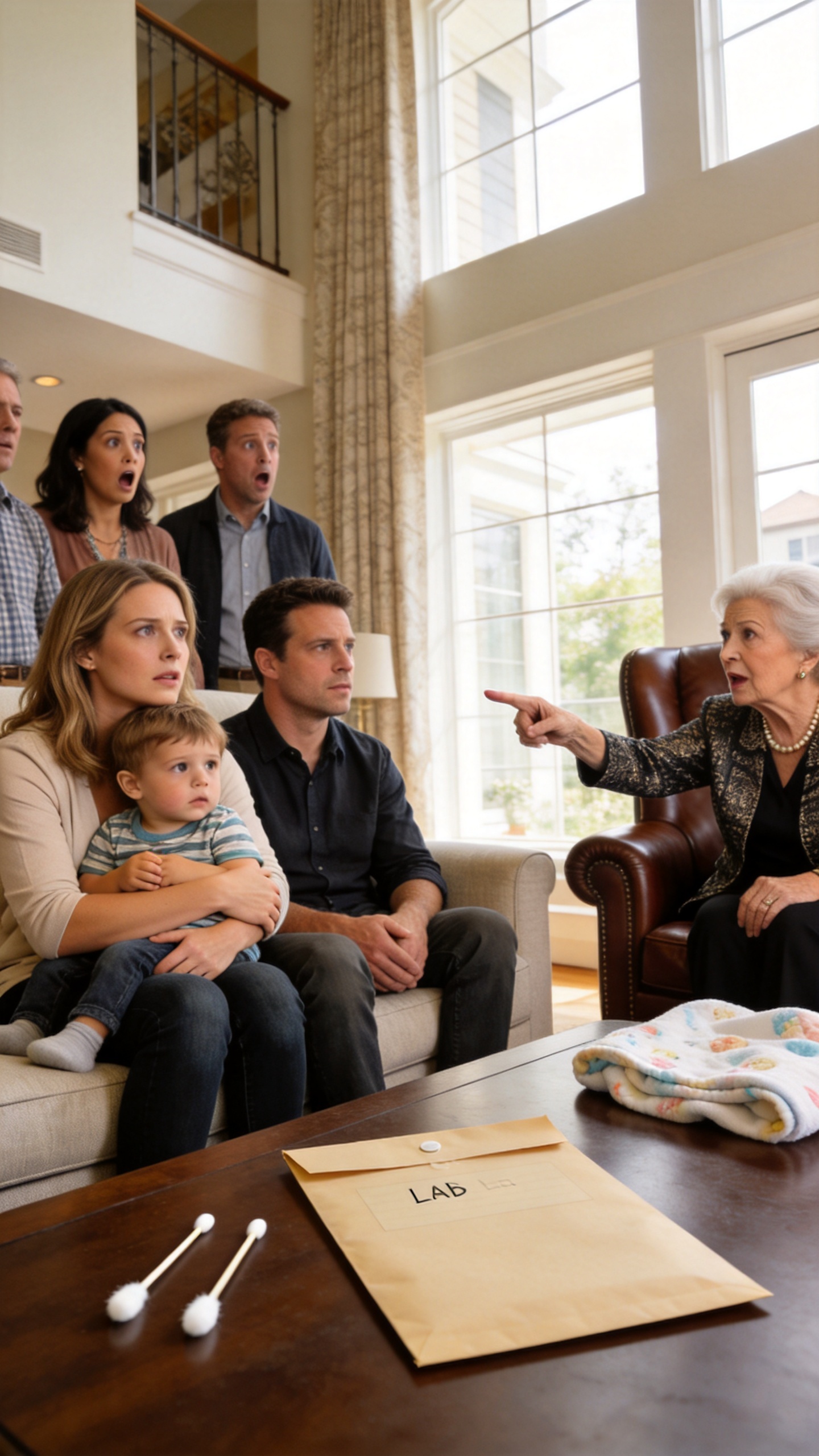
Minutes later, Ruth was sitting in my living - room chair.
Brian, Debra, and Amy crowded on the sofa.
The officer stayed near the front door.
Mostly to make sure Ruth was safe and there voluntarily.
'Let him stay,' Ruth said.
Brian frowned.
'Mom, this is a family thing.'
Ruth looked at him directly.
'You made it everyone's business when you started shouting accusations around the neighborhood.'
Brian didn't say a word.