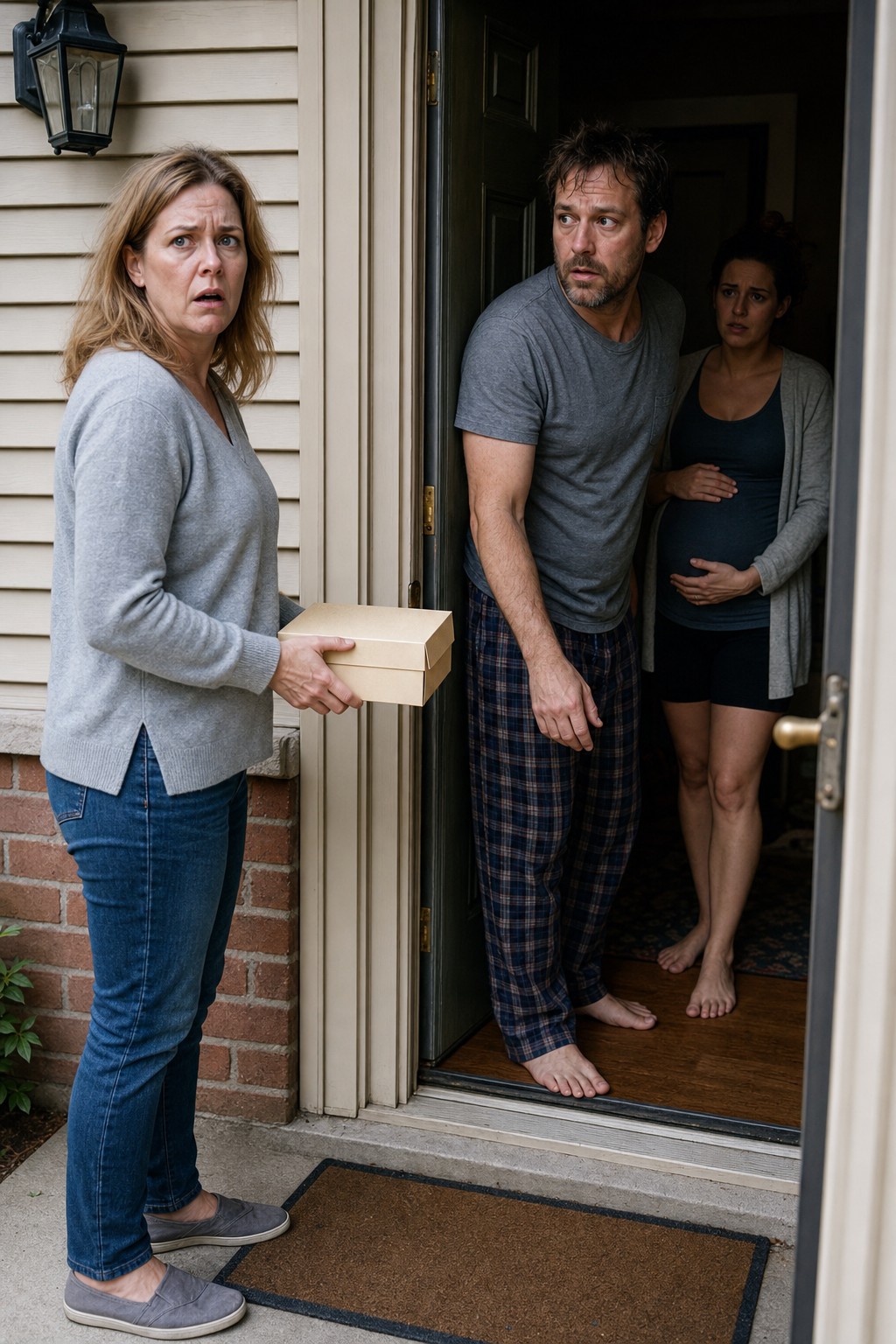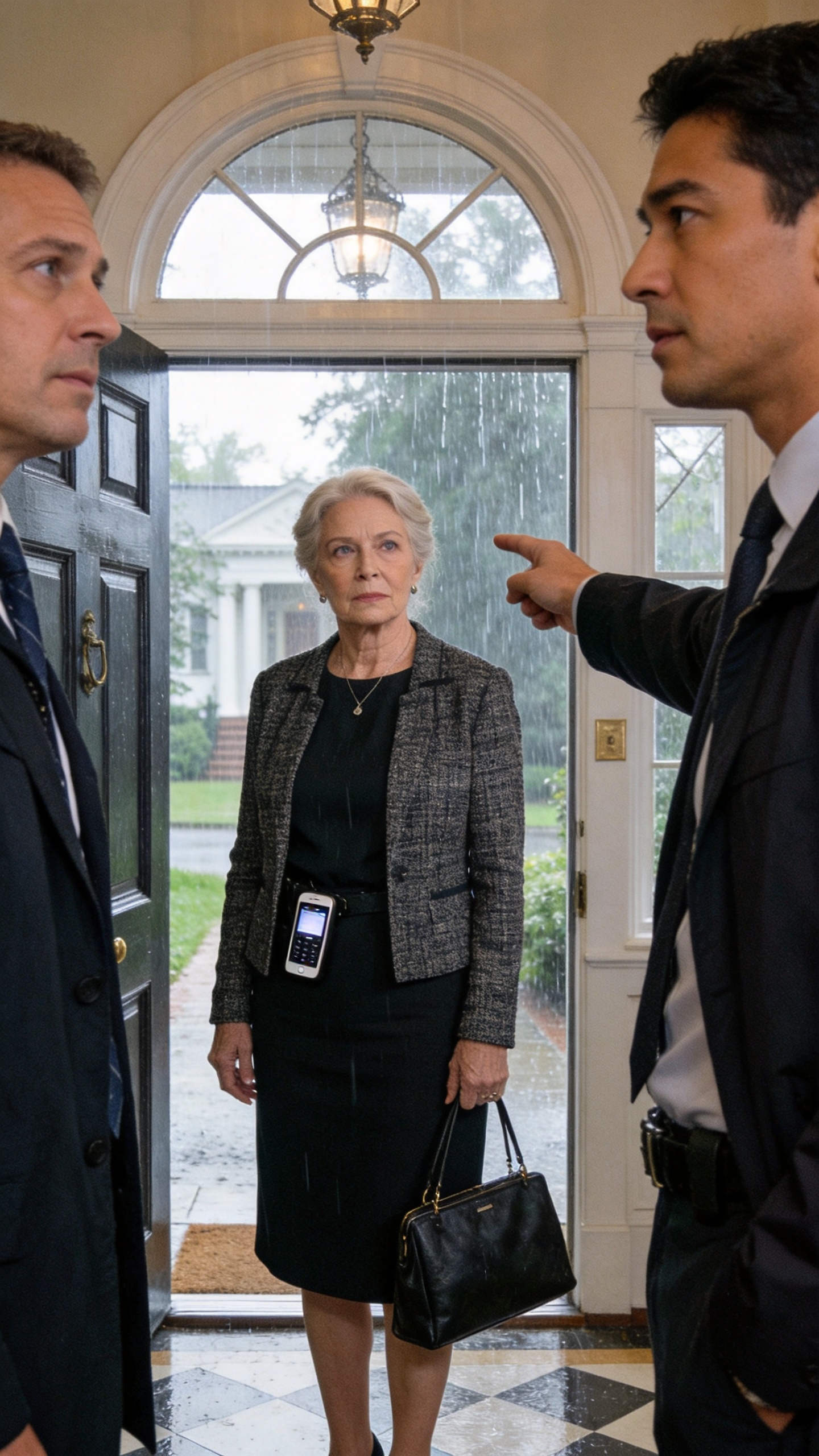
My daughter left a cheerful voicemail saying, “Mom, you shouldn’t come this summer. Kevin thinks the lake house should stay just for our family,” as though the house my late husband and I built with our savings already belonged to them. I stayed silent, signed the papers, and let them arrive for the Fourth of July. When Lorraine called screaming about strange cars in the driveway, I calmly replied, “I made space.”
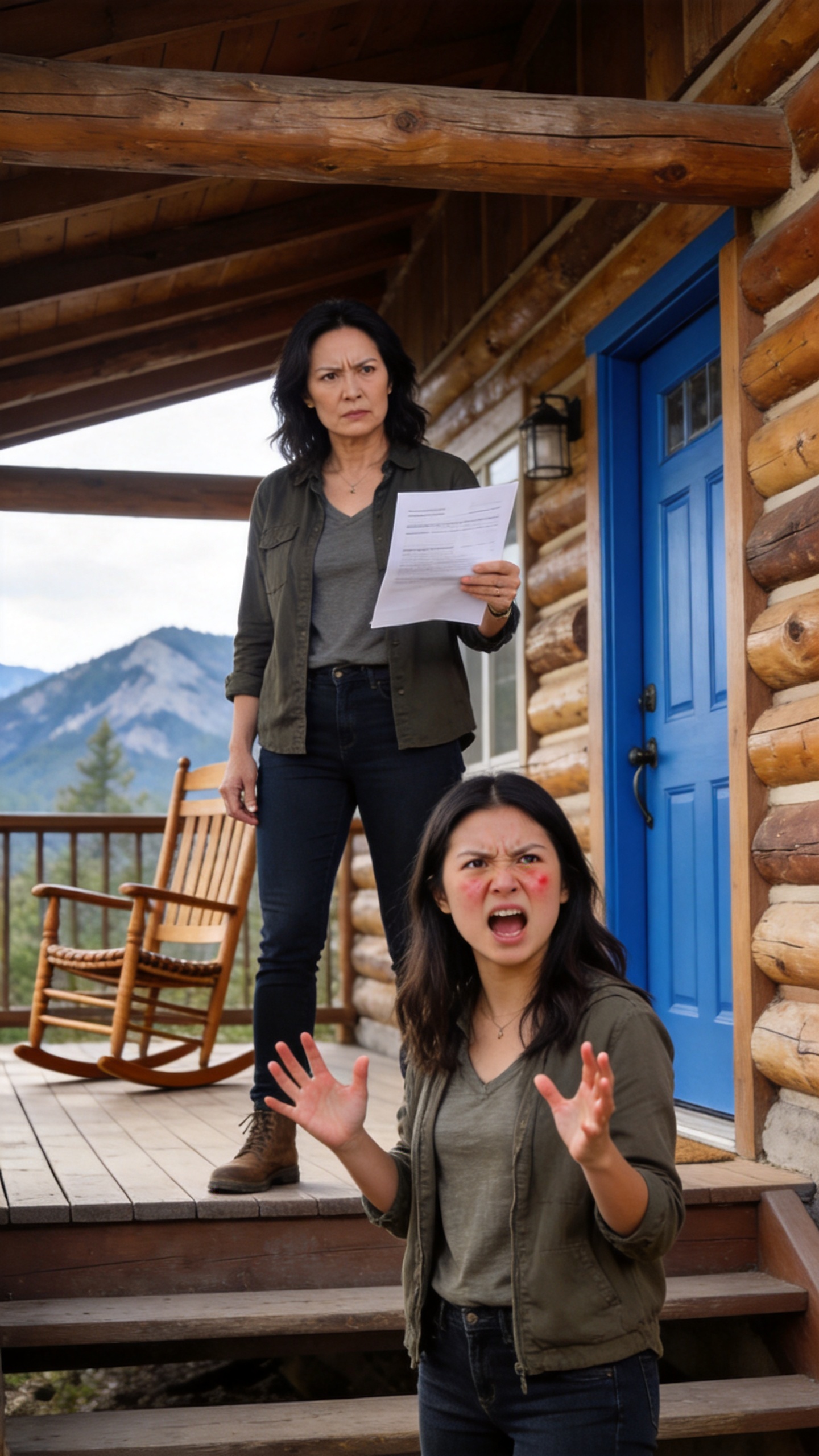
The House Built From a Promise
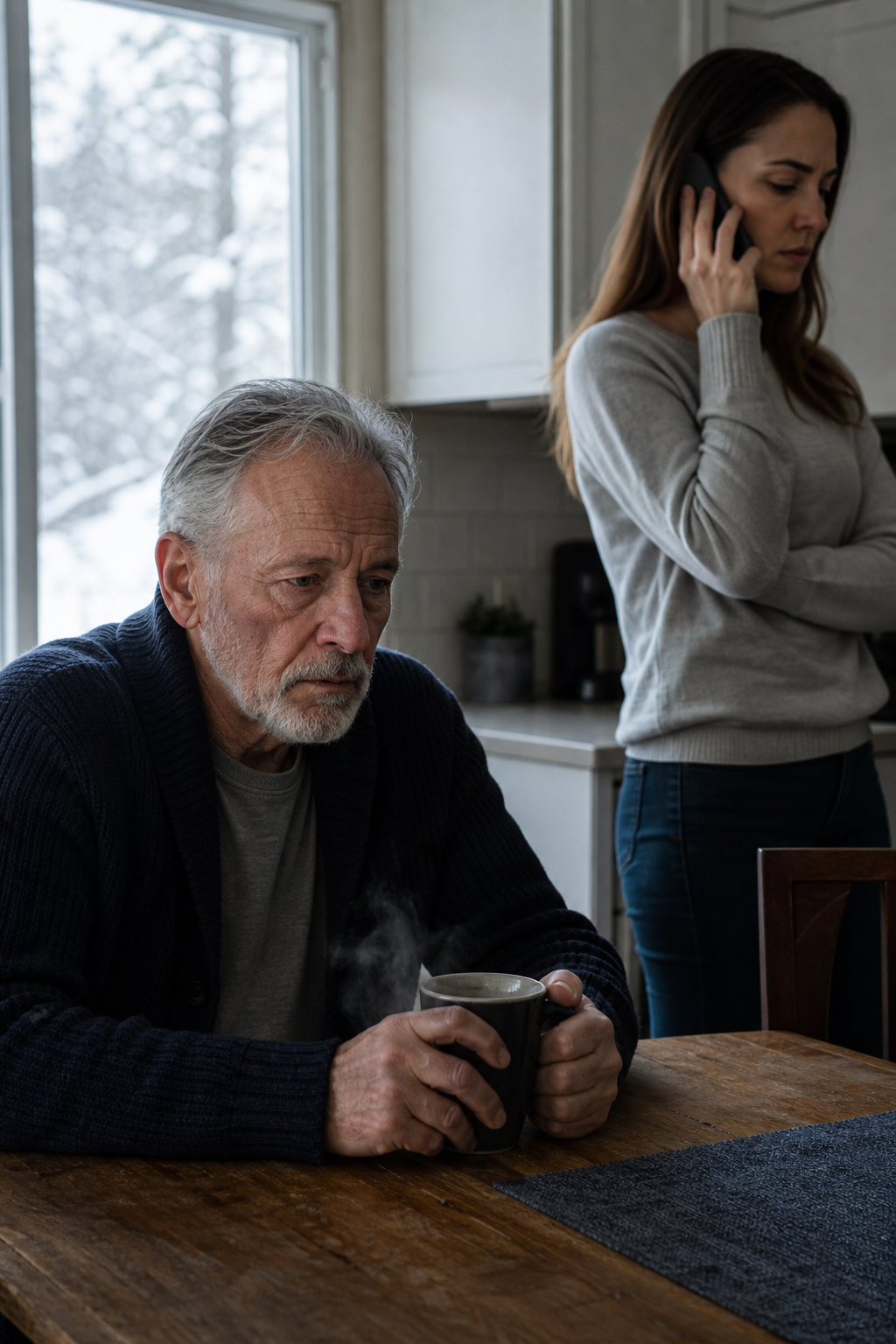
My daughter's voicemail came in on a quiet Tuesday evening while I was standing at the stove making chicken and dumplings.
I remember the exact time.
6:47.
Steam was rolling off the pot.
My hands were damp with flour and broth, so I pressed the speaker button with my wrist instead of my fingers.
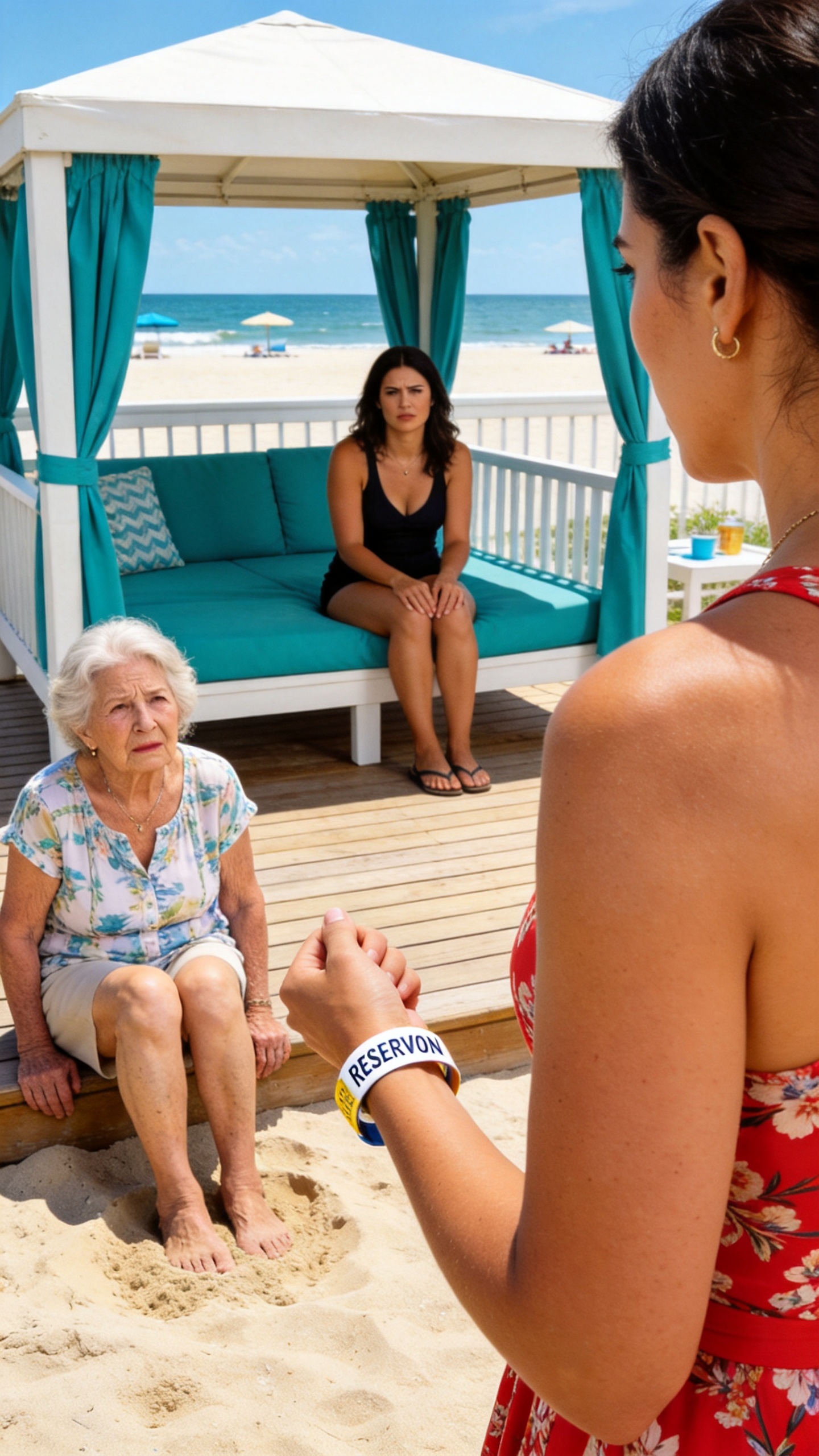
"Hey, Mom. Kevin and I were talking, and we think it's better if you don't come to the lake house this summer. The kids want to invite friends, Kevin's parents are flying in from Denver, and there just isn't enough space. We'll work out another visit later. Love you."
The call ended before I could answer.
I stood there staring at the dumplings rising in the broth and thought, with a sharpness that almost winded me, that my late husband Samuel would have laughed gently and reminded me that good dumplings required patience.
Samuel believed patience solved almost everything.
During forty-one years of marriage, he taught me never to rush bread, never to hurry soup, and never to force life before it was ready.
After that voicemail, I learned something else.
Patience can also become the very quality people count on while they quietly take pieces of your life away.
My name is Dorothy Hastings.
I am sixty-eight years old.
I spent thirty-four years working as a registered nurse in Atlanta before retiring to care for Samuel through pancreatic cancer.
Fourteen months after his diagnosis, he was gone.
What he left behind was not money large enough to make people envious.
It was something more dangerous.
An unfinished dream.
Before he died, Samuel and I had spent years talking about building a simple lake house on Lake Oconee.
He wanted a wraparound porch.
A long dock for future grandchildren.
A kitchen big enough for holiday breakfasts.
A porch swing positioned just right for the sunset.
After the funeral, I promised myself I would finish the dream even if I had to do it alone.
I used part of the life insurance and much of my retirement savings to buy the land.
Then I hired Earl Maddox, a practical contractor who cared more about solid beams than fancy speeches.
We spent nearly a year turning Samuel's sketches into an actual home.
Every decision held a memory.
The pine floors.
The deep sage-green front door.
The stone fireplace that reminded us of old cabin trips.
When the porch swing was installed, I asked Earl to move it a few inches farther west so the evening light would fall exactly where Samuel once said it should.
The first summer after construction was everything I had hoped for.
Lorraine came with Kevin and the children.
My son David joined us.
My sister Pauline brought homemade pie.
The grandchildren swam until dinner.
Samuel's photograph watched over the living room from the mantel.
For the first time since his death, the house felt more like a continuation of our marriage than a monument to its ending.
Back then, I truly believed the lake house would become the place where our family remembered how to gather.
No one complained about my rituals.
No one rolled their eyes when I touched Samuel's framed picture before bed.
No one acted as though grief itself were something inconvenient that ought to be redecorated.
The shift came slowly enough that I almost missed it.
The following summer, Kevin began suggesting improvements.
A larger dock.
Modern patio furniture.
A gas fire pit instead of wood.
One guest room converted into a permanent office because he worked remotely.
At first the comments sounded practical.
Then they sounded constant.
Then they no longer sounded like suggestions at all.
Lorraine began repeating them in Kevin's voice.
"Kevin thinks the dock should be redone."
"Kevin says the old furniture is dated."
"Kevin wants to make the guest rooms more functional."
What disappeared from those conversations was any question about what I wanted.
Plans for my own home began arriving already decided.
The Way Permission Disappeared
The boldest moment came after Thanksgiving.
Lorraine pulled me aside in the kitchen while the children were outside.
She said it almost lightly.
"Mom, Kevin and I were thinking that since we use the lake house more than anyone, maybe it would make sense to transfer it into our names."
"It would simplify taxes and make everything easier."
I looked at her for several seconds before I answered.
"It's already simple," I said. "The house is in my name, and that's where it's staying."
She smiled the way people do when they are pretending a line hasn't just been crossed.
"Okay, Mom. Just a thought."
It was not just a thought.
Two weeks later, I received a formal letter from an attorney recommending that I voluntarily transfer ownership of the lake house to Lorraine and Kevin because they were its "primary users."
There was a signature line waiting for me at the bottom.
I folded the letter and placed it in my bedside drawer beside Samuel's wedding ring.
I said nothing.
That was the moment I understood something I had been avoiding.
My daughter no longer saw the lake house as the promise her father and I had built together.
She saw it as something she expected to inherit before I was gone.
The silence after that was not peace.
It was pressure.
Lorraine called less often, but when she did, Kevin's opinions filled the space where ordinary family conversation used to live.
They replaced patio furniture without asking.
Installed shelves in the garage.
Talked openly about room assignments for future holidays.
Every compromise I made in the name of keeping the family together only taught them they no longer needed my permission.
The first unmistakable warning came one Friday afternoon when I drove four hours to Lake Oconee planning to spend a weekend by myself.
I had packed groceries.
Fresh flowers for the dining table.
One of Samuel's favorite mystery novels.
I climbed the porch steps, slid my key into the front door, and immediately knew something was wrong.
The key would not turn.
At first I assumed the lock had jammed.
Then I tried the side door.
Then the back.
Then all of them.
Only after circling the entire house did I accept the truth.
Someone had changed every lock without telling me.
I called Lorraine on the spot.
"Oh," she said after a pause that was too long to be innocent. "Kevin replaced them a few weeks ago. The old locks were getting worn out."
"You forgot to tell me?"
"I'm sorry, Mom. We'll get another key made."
I waited for her to say she would drive over.
Or that she understood how unbelievable this was.
Instead she added, casually enough to make it worse, "Kevin's parents are staying there this weekend anyway, so maybe you could just come another time."
I looked through the front window into the living room.
Samuel's photograph was still on the mantel.
Pauline's quilt was still folded over the sofa.
The porch swing moved in the breeze exactly where we had placed it to catch the light.
Everything inside belonged to me.
Yet I was standing outside like an intruder.
I drove back to Atlanta that evening without ever stepping inside.
Somewhere between the highway exits and the city lights, grief hardened into clarity.
I stopped asking why Kevin had changed the locks.
I started asking why I had allowed everyone else to behave as though the house already belonged to them.
The following Monday, I carried the deed and every relevant document to Grace Okafor's office.
Grace had handled Samuel's estate, the purchase of the lakefront property, and nearly every family legal matter we had faced for twenty years.
She reviewed the deed, the closing papers, and Lorraine's attorney letter.
Then she looked up and said, with absolute certainty, "Dorothy, there is no legal question here. You are the sole owner of that property."
"They keep speaking as though it is already theirs."
"Expectation isn't ownership," Grace said. "Your daughter and son-in-law have no authority to change locks, assign rooms, borrow against that house, or keep you out. Everything they've done rests on one assumption."
"That I won't object."
She nodded.
Those words stayed with me long after I left her office.
For the first time since Samuel died, I was not grieving the possible loss of the lake house.
I was facing the fact that I had never lost it at all.
I had simply allowed everyone else to forget whose name was on the deed.
The Call That Removed Every Doubt
Over the next several days, I thought often about what Samuel would have wanted.
He was not a combative man.
But he believed deeply in respecting whatever people worked hard to build.
That house was not a convenience.
It was forty years of sacrifice made visible.
I called Lorraine one final time because, despite everything, I wanted to give her one clean chance to hear herself clearly.
"Honey," I said, "I was thinking about spending the Fourth of July weekend at the lake house."