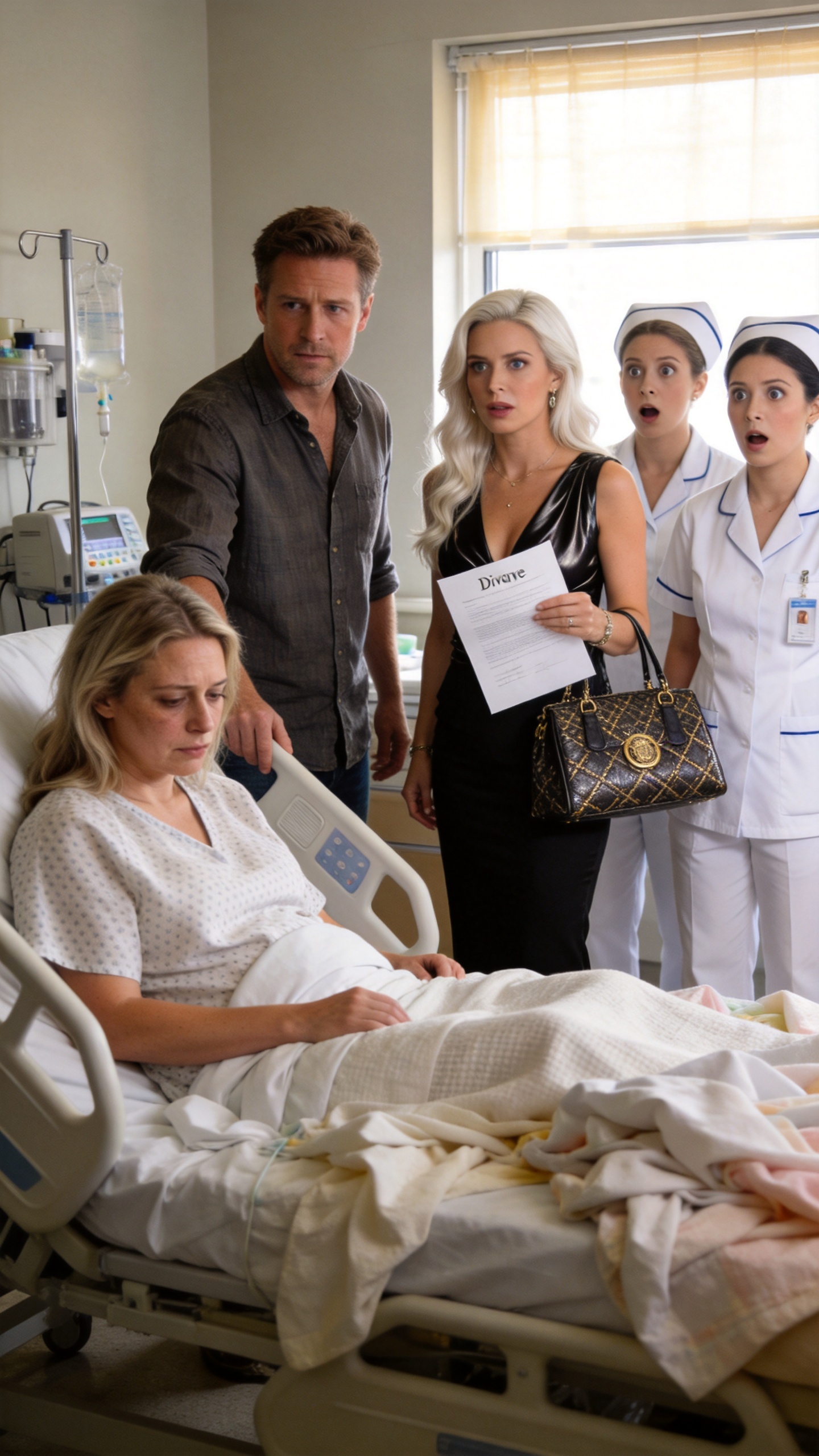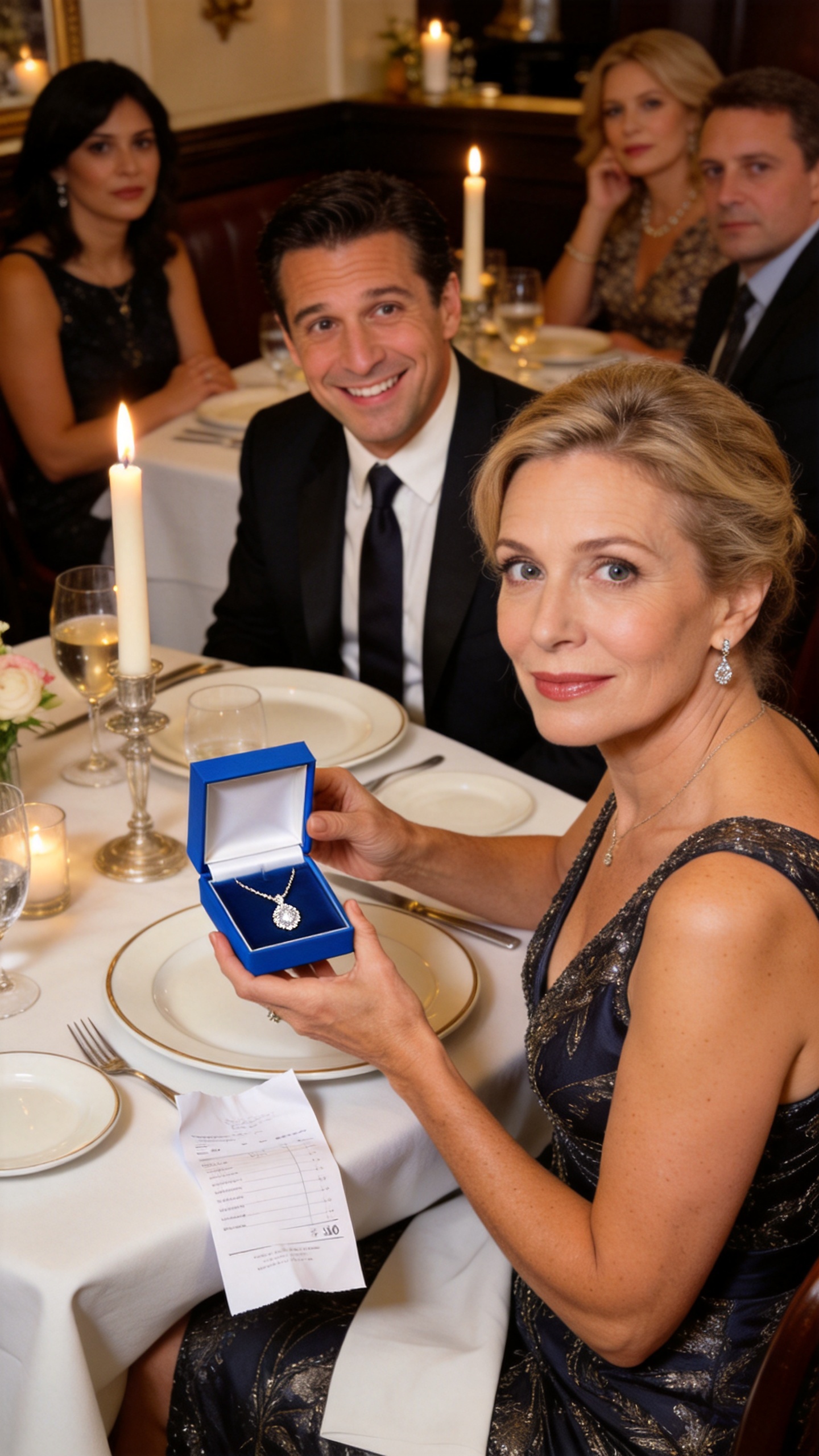
The Bride Accused a 7-Year-Old Flower Girl of Stealing Her Mother's Necklace at the Wedding... Then She Opened It and Uncovered a Shocking Truth
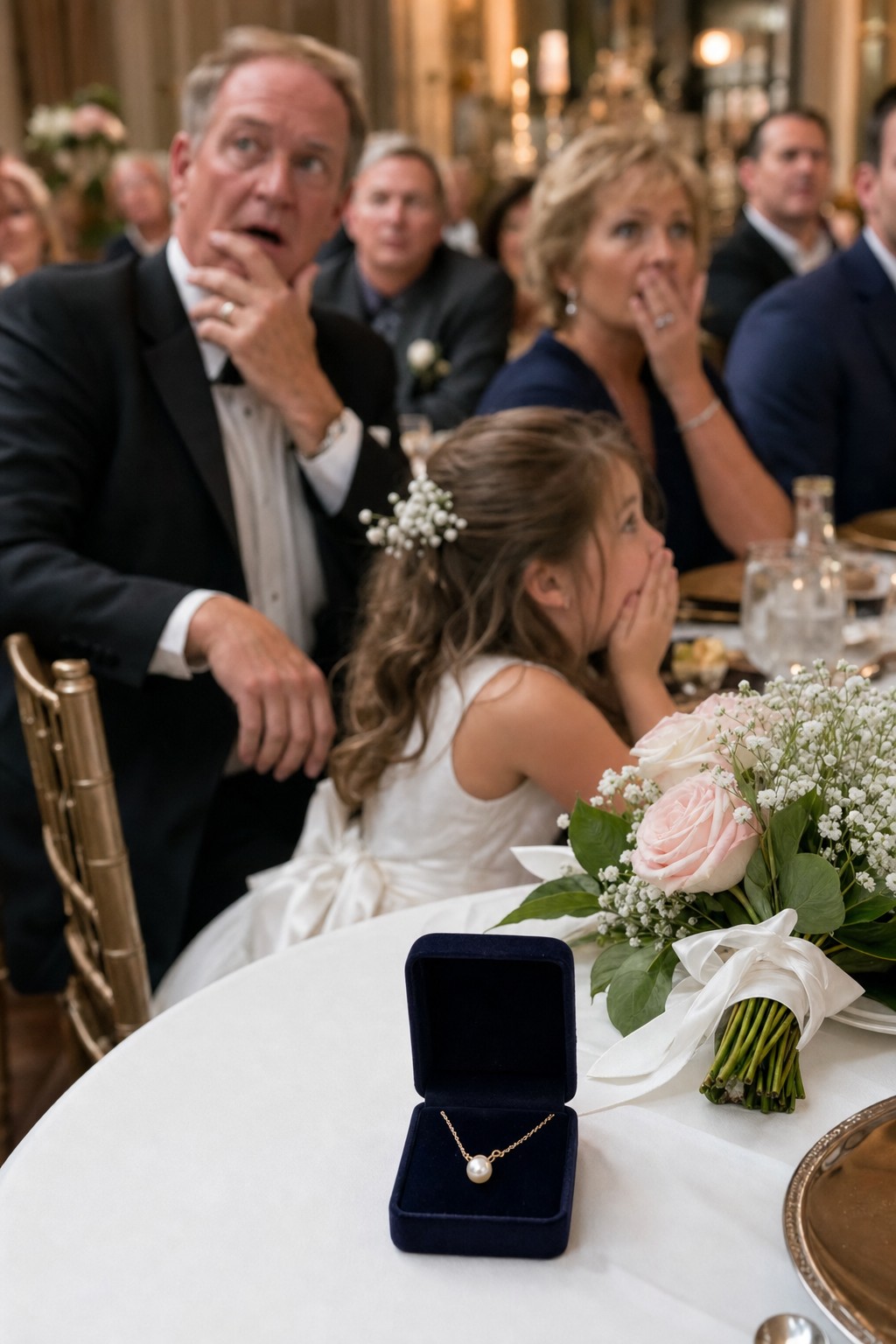
The Shocking Discovery at the Wedding
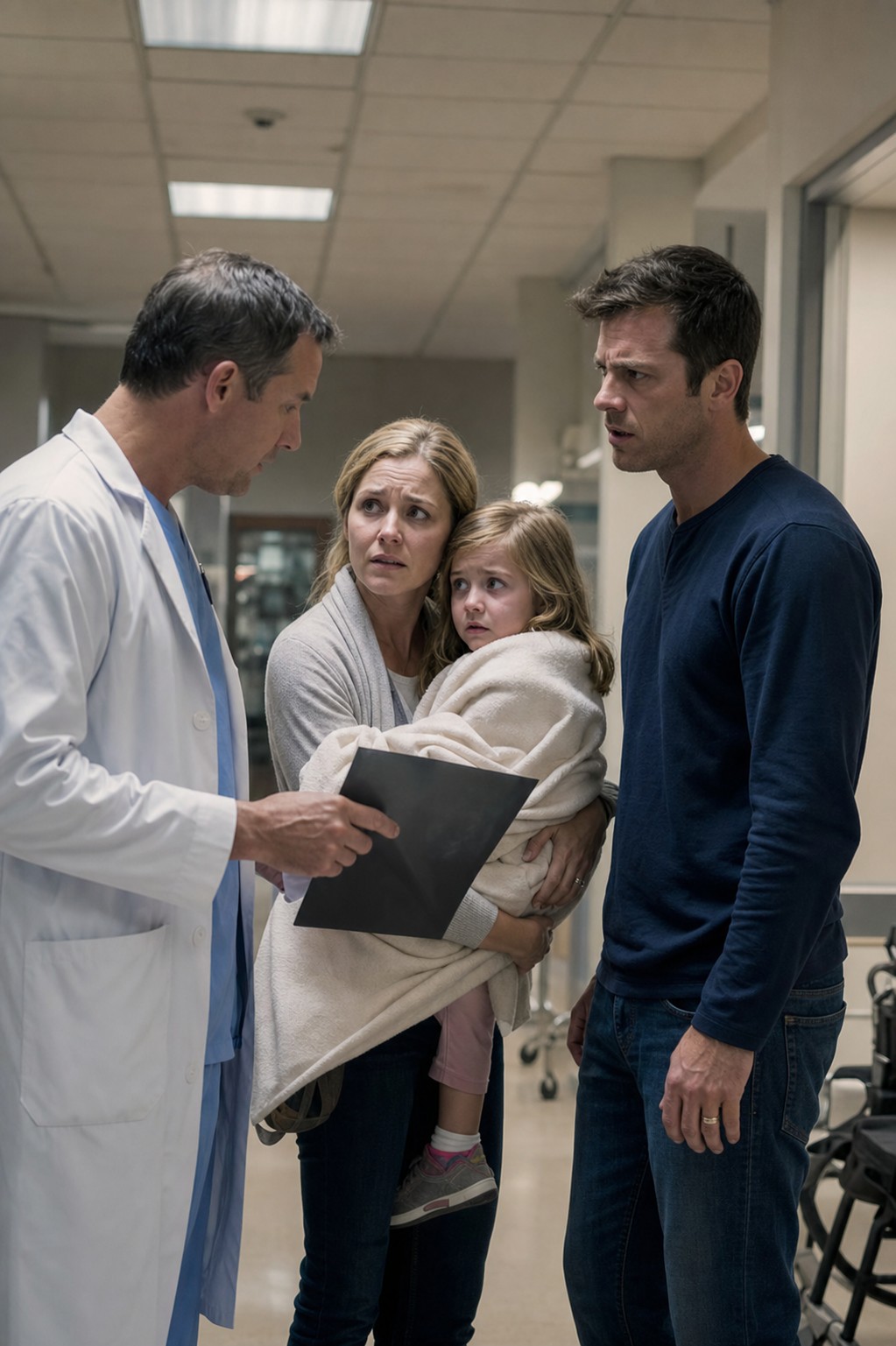
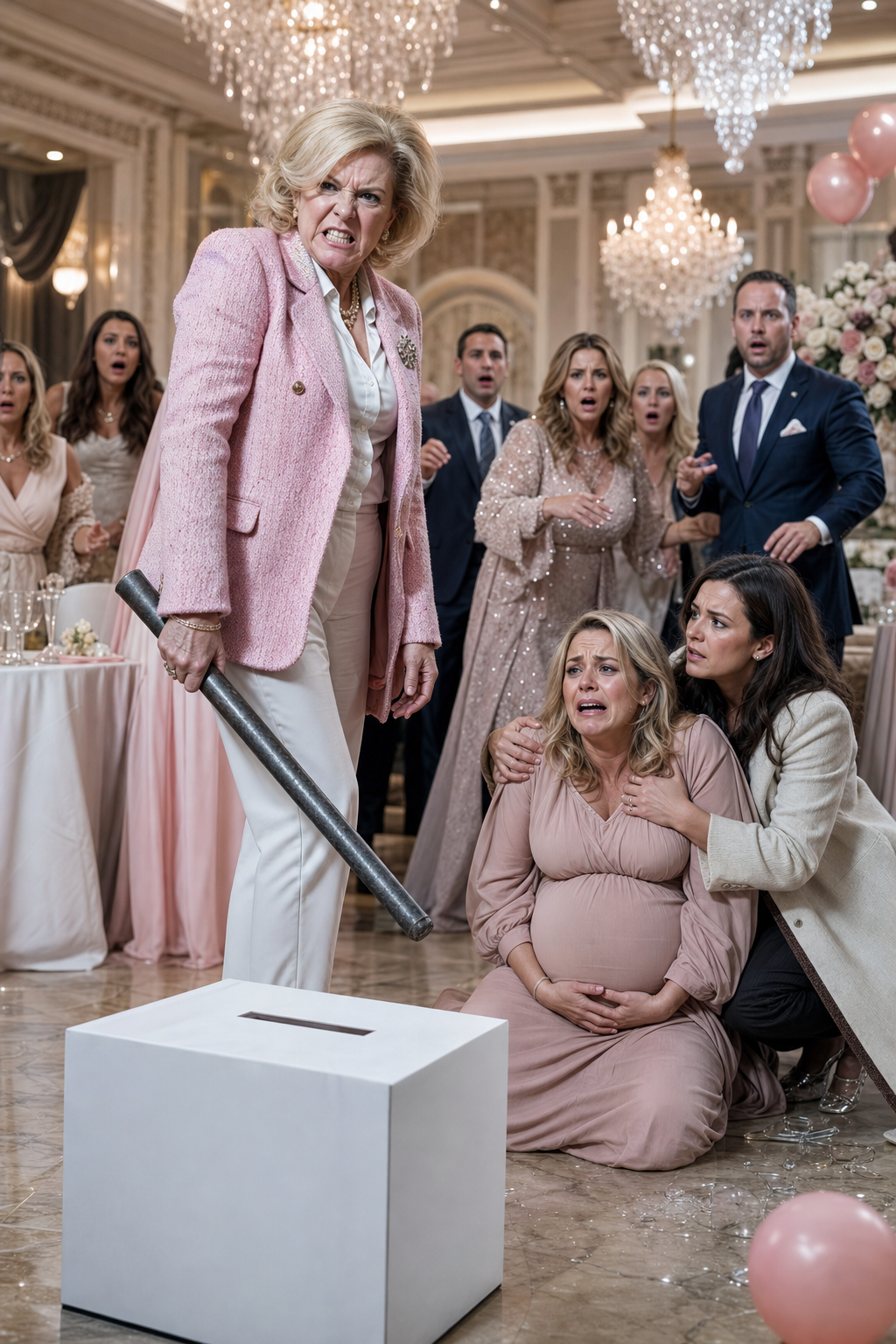
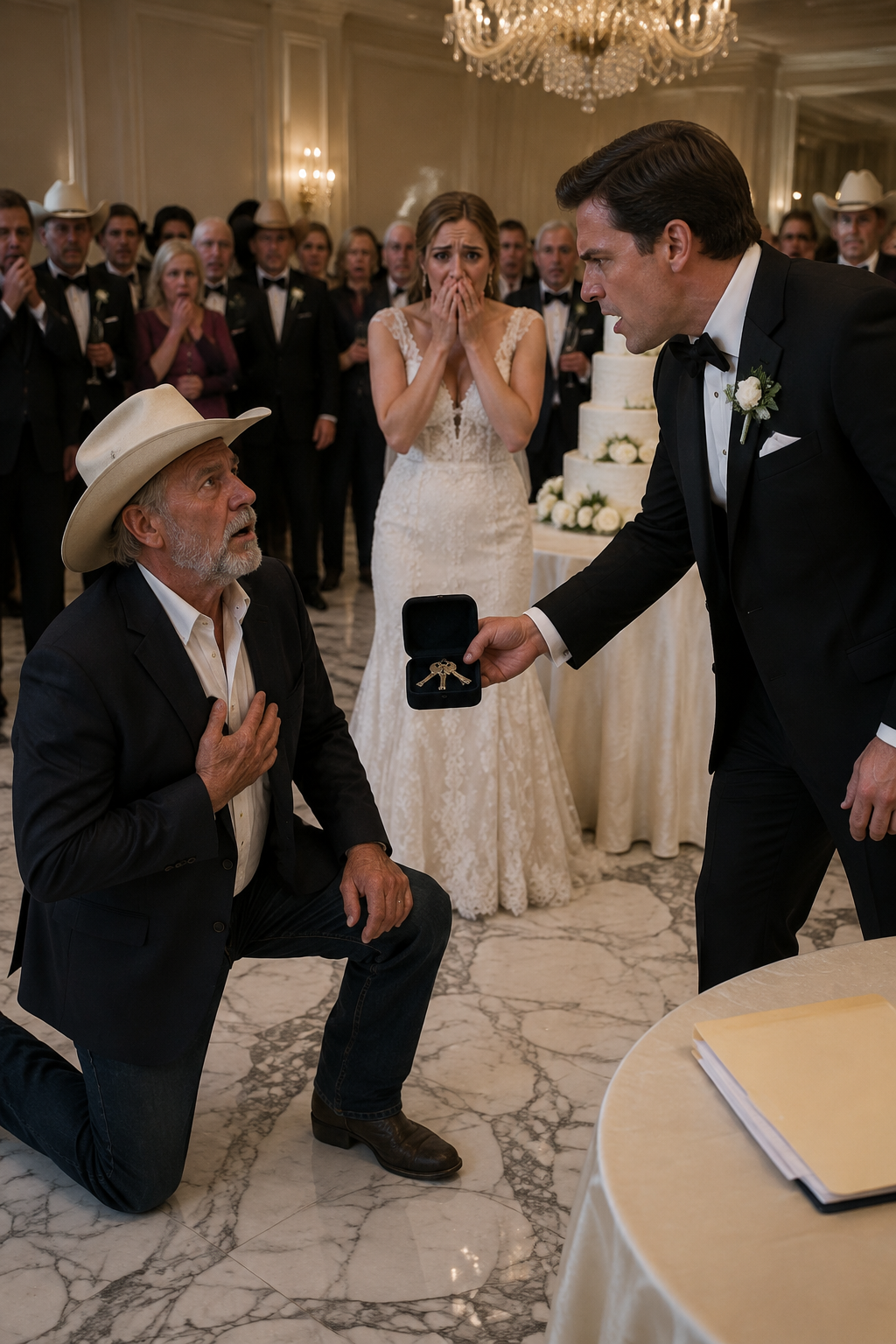
The bride was yanking the gold necklace from the seven - year - old flower girl's neck when the groom rushed in.
The little flower girl stumbled back against the wall, silent tears streaming down her face, one hand clutching her throat.
"What are you doing?" the groom shouted, quickly stepping between them.
The bride held up the broken necklace, seething and shaking.
"She stole it!"
The girl shook her head vigorously.
"I didn't."
The bride's voice broke with rage.
"It was my mother's."
The groom looked at the child.
"Then how did you get it?"
The girl stared at the floor, her lips quivering.
"She gave it to me."
Silence fell.
The groom slowly turned to the bride.
In a low voice, he said, "Your mother died."
The bride stopped breathing.
The little girl looked at the necklace in her hand and whispered, "You have to open it."
The bride's fingers started to tremble.
She pressed the tiny latch, and the necklace opened.
Whatever she saw inside wiped away all her anger.
Her face went pale, and fear filled her eyes.
She whispered, "Where did you see her?"
The little girl didn't answer right away.
She just stared at the bride, as if suddenly afraid of saying the wrong thing.
The groom moved closer.
"What's inside?"
The bride snapped the necklace shut too quickly.
Her hands were shaking.
"Nothing."
The groom stared at her.
"That didn't look like nothing."
The flower girl wiped her face with both hands.
"She told me you'd be angry."
The bride caught her breath.
"Who told you?"
The girl looked toward the hallway behind them.
The wedding guests had gone quiet.
"She said not to tell anyone until you opened it."
The bride took a slow step toward her.
"Where did you see her?"
The girl's eyes welled up again.
"At the bus station."
The bride shook her head.
"No."
The groom touched her arm.
"What is happening?"
She pulled away from him.
"My mother was buried eleven years ago."
The little girl looked confused, then frightened.
"But she knew your name."
The girl reached into the pocket of her flower - printed dress.
"I have something else."
Her tiny hand closed around an object.
She looked up at the bride.
"Proof she's still alive."
The small holding room behind the chapel felt incredibly tight.
The white silk of the bride's wedding dress brushed against the dusty baseboards as she stood still, her eyes fixed on the little girl's hand in her pocket.
The groom stood between them, hands out, looking from his pale, sweating new wife to the trembling child.
Outside the heavy oak doors, the faint, happy music of a string quartet played on, completely unaware of the upheaval in the room.
"Take your hand out of your pocket, sweetie. Show the bride what you have," the groom said gently, using the calm tone he used to defuse tense situations.
The little girl hesitated, her big, shiny eyes darting to the door as if expecting someone to burst in.
Slowly, her small fingers came out.
In the center of her palm was a small, dull silver key.
It wasn't a fancy decorative key for a jewelry box or a diary.
It was a modern, sturdy locker key, marked with a clear four - digit number: 1994.
Attached to it by a split ring was a faded plastic tag from a Greyhound bus terminal in downtown Chicago.
The Shocking Revelation Unfolds
The bride let out a low, ragged sound that was half-gasp, half-sob.
She stumbled backward, her hand flying up to cover her mouth, her knuckles pressing hard against her teeth.
"No," the bride whispered, her voice cracking under the weight of an old, buried fear.
"No, that can't be. That's... that's her handwriting on the tag."
The groom stepped forward, gently taking the key from the seven - year - old flower girl's open palm.
He turned it over, looking at the crude, faded ink on the plastic tag.
It had the initials H.A.M. - Helen Ann Miller.
"Dear," the groom said, his brow wrinkling as he looked at the key, then back at his wife.
"You told me your mother died in a hit - and - run eleven years ago. You said the police identified the body. There was a closed - casket funeral. I was with you at the memorial service before we even started dating."
"It was her!" the bride cried out, her voice rising to a frantic, hysterical pitch that made the string quartet outside stop for a moment.
"The car was crushed, honey! The driver ran away! The personal things matched the ring, the watch, the dental records. The state signed the death certificate! I've been going to the graveyard every October for eleven years!"
She snatched the necklace back from her palm, her thumb quickly pressing the hidden latch.
The hinges creaked as it opened again.
This time, the groom leaned in close to see inside.
There was no photo in the oval frame.
Instead, a tiny piece of thin, transparent tracing paper was under the small glass pane.
Written on it in precise, elegant script - the same shorthand the bride's mother used as a structural draftsman for forty years - was a single line:
"The concrete didn't fail, dear. Look at the ledger under the floorboards of the old office. 2015 wasn't an accident."
The groom stared at the words, his face going pale as the corporate meaning of the phrase started to make sense.
He was the chief legal counsel for Miller Infrastructure, the big civil engineering firm the bride got from her family.
He knew the structural history of every highway, bridge, and municipal contract in Illinois that the firm had worked on.
And he knew exactly what happened in 2015.
The Calumet River bridge collapse.
A multi - million - dollar public disaster that killed four people, almost bankrupted the firm, and led to a big, secret federal settlement that sealed the corporate ledgers forever.
The official state report said a problem in the concrete mixture was to blame.
A problem that was approved by the lead field inspector - Helen Miller, exactly forty - eight hours before she died in that hit - and - run.
"Dear," the groom whispered, a cold rush of air leaving his lungs.
"If your mother is alive... if she left this for you today... it means the whole federal settlement was a setup. It means she didn't die. She ran away."
The bride didn't look at him.
She dropped to her knees in front of the little flower girl, the white lace of her wedding train getting dusty on the floorboards.
She grabbed the girl by the shoulders, her hold tight but desperate.
"Sweetie, listen to me very carefully," the bride said, her voice shaking as she forced herself to look the child in the eye.
"The woman at the bus station... what did she look like? What did she say to you?"
Unveiling the Truth and a Bold Decision
The little seven - year - old flower girl, Maya, swallowed hard.
Her little chest heaved as she used the lace cuff of her sleeve to wipe a fresh tear from her cheek.
"She was old, bride," Maya said.
"She had gray hair and wore a big, heavy blue coat even though it was warm outside. She was sitting on the bench by the lockers. She called me over and asked if I was the flower girl for the wedding."
Maya whispered, "Yes."
She continued, "She smiled. She looked like she wanted to cry, bride. She reached out and touched my hair. Then she took the necklace off her own neck and put it on mine."
"She said, 'Tell the bride that the compass always points north, but the ledger tells the truth.' Then she gave me the key, put it in my pocket, and told me to make sure you opened it before the reception started."
The bride, Diana, stood up slowly.
Her face had lost all color, and her eyes were wide and glassy, like a mirror shattered from within.
She looked at the silver key in the groom, Julian's, hand.
"The old office," Diana whispered, her voice like a hollow echo.
"The original blueprint storage facility in the industrial district. The one the city condemned last month."
"We can't go there now, Diana," Julian said.
Panic finally showed in his eyes as he looked at the grandfather clock in the corner of the holding room.
"The ceremony is supposed to start in seven minutes. Your father is waiting at the back of the church to walk you down the aisle. The governor is in the front row. The entire corporate board of Miller Infrastructure is sitting out there."
Diana looked at the double mahogany doors leading into the grand chapel, then down at the broken gold necklace in her hands.
"My father is out there," Diana repeated, her voice dropping to a chilling, absolute calm.
"The man who collected the twenty - million - dollar key - person insurance policy on my mother eleven years ago. The man who used that exact payout to buy out the remaining shareholders and take total control of the firm."
She looked up at Julian.
For the first time in their five - year relationship, he saw the unyielding determination in her eyes, like the steel in her mother's bloodline.
"We aren't going to the altar, Julian," Diana said.
She pulled the heavy lace veil off her head and dropped it onto the floorboards.
"We're going to the bus station."
As the black town car pulled into the cracked concrete lot of the Greyhound terminal in downtown Chicago, the rain began to fall.
The wipers made a rhythmic, agonizing sound against the windshield, clearing the grey mist to show a brutalist, oil - stained building that looked like a monument to forgotten journeys.
Diana sat in the passenger seat.
She had pulled a heavy wool trench coat over her pristine wedding dress.
The white silk of her skirts was bunched around her knees like an unanchored parachute.
Julian was behind the wheel.