I planned every detail of our anniversary trip, but two weeks later, my husband announced he was leaving on a cruise with his daughter and ex-wife on that exact day.
Eleanor saw how the words hit him, but it didn’t make her feel good. She just felt tired and understood.
“Lily,” Eleanor said, “I cared enough to plan a trip your dad agreed to. I cared enough to involve him in every part. I cared enough to stay silent for years when you and your mom treated my marriage like a place to wait.”
She made a scoffing sound, but her confidence was gone. “You knew he had a family before you.”
“Yes,” Eleanor said. “And he knew he had a wife after that.”
Finally, he answered. “Lily, I’ll call you later.”
“What? No. Mom is flipping out. She said you’re trying to take everything.”
“I’m not trying to take everything,” Eleanor said. “I’m asking for my legal part of what we built in the marriage. Your dad can explain the rest.”
Mark opened his mouth but didn’t say a thing. So Eleanor filled in. “The money he moved without telling me. The payments to your mom. The costs hidden as business expenses. The cruise booked with a false story.”
For the first time, Lily sounded like a young woman, not a demanding kid. “I didn’t know about all that.”
Lily was spoiled and thoughtless. Diane had raised her to see Mark as a resource and Eleanor as a nuisance. Mark encouraged that idea ‘cause being needed made him feel important.
Mark sat down on the bottom step. “I messed up.”
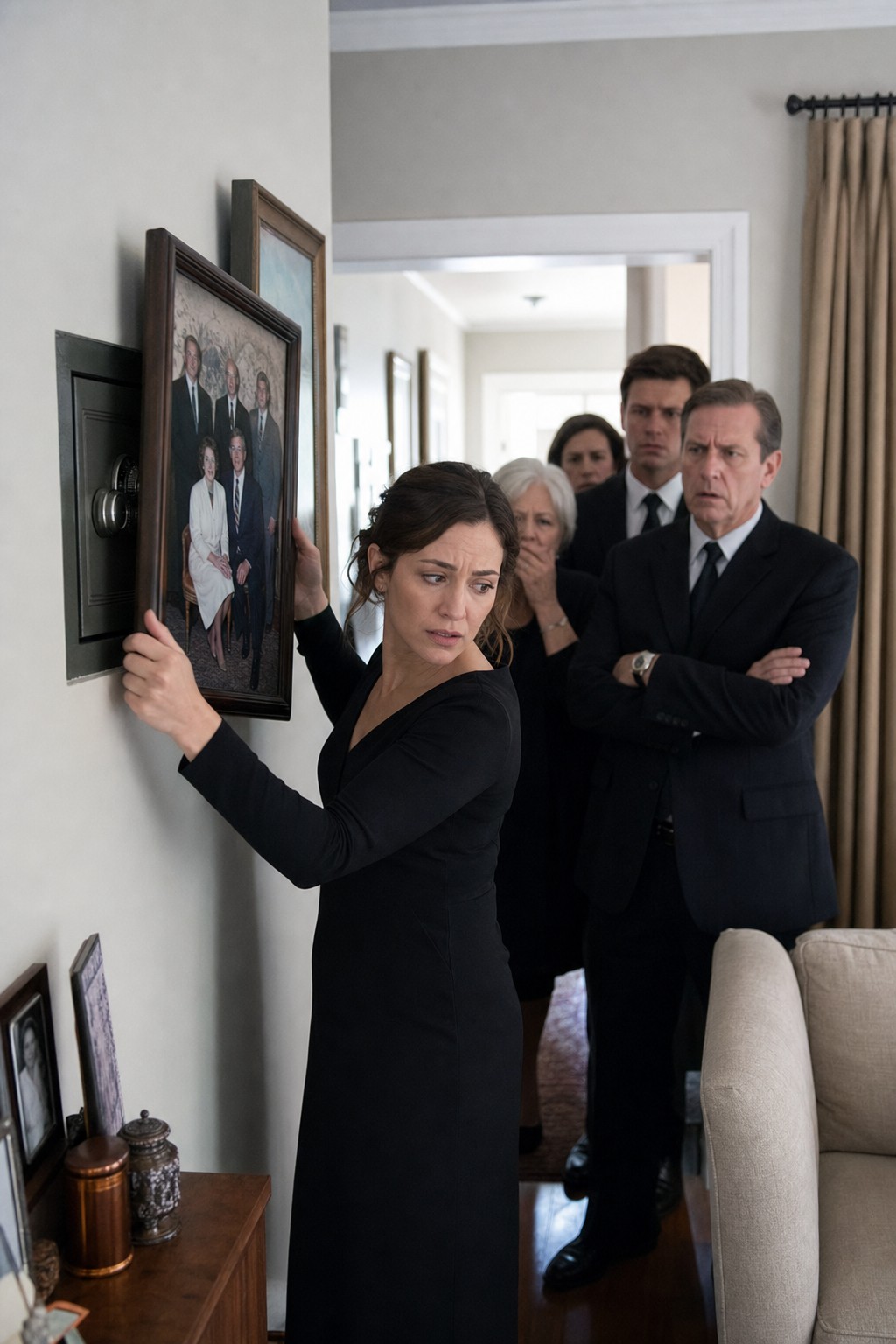
Eleanor watched him sitting under the wedding picture she’d already arranged to take down, among the floors and furniture she’d picked. His regret showed up only when there were consequences. It looked more like fear than real remorse.
Eleanor Hayes looked at Mark. His eyes were full of desperation. “Then what do you want from me?” he asked.
Once, answering that would have been a piece of cake. She wanted a husband who chose her freely, not because of court threats.
She wanted anniversaries that were set in stone, dinners without interruptions, and holidays where she wasn't treated like an outsider. She wanted to stop going head - to - head with the woman Mark claimed he'd left fifteen years ago.
But just wanting something didn't mean it was possible.
“I want you to leave tonight,” Eleanor said. “Go to a hotel. Stay with Diane. Sleep on the ship, I don't care. But you're not staying here.”
Mark stood up slowly. “This is my house too,” he said.
“Yes. That's why I filed the right way. My attorney will contact yours. I'm not changing locks, hiding money, or making a scene. I'm doing this the right way,” Eleanor replied.
Mark glanced at his packed stuff. “The right way?”
They stood still for a long time. It was like Mark still thought this split was just temporary. At the door, he turned around. “I never cheated on you,” he said.
Eleanor's silence seemed to hurt him. “That should mean something,” he said.
“It did,” she answered. “For years, it meant too much.”
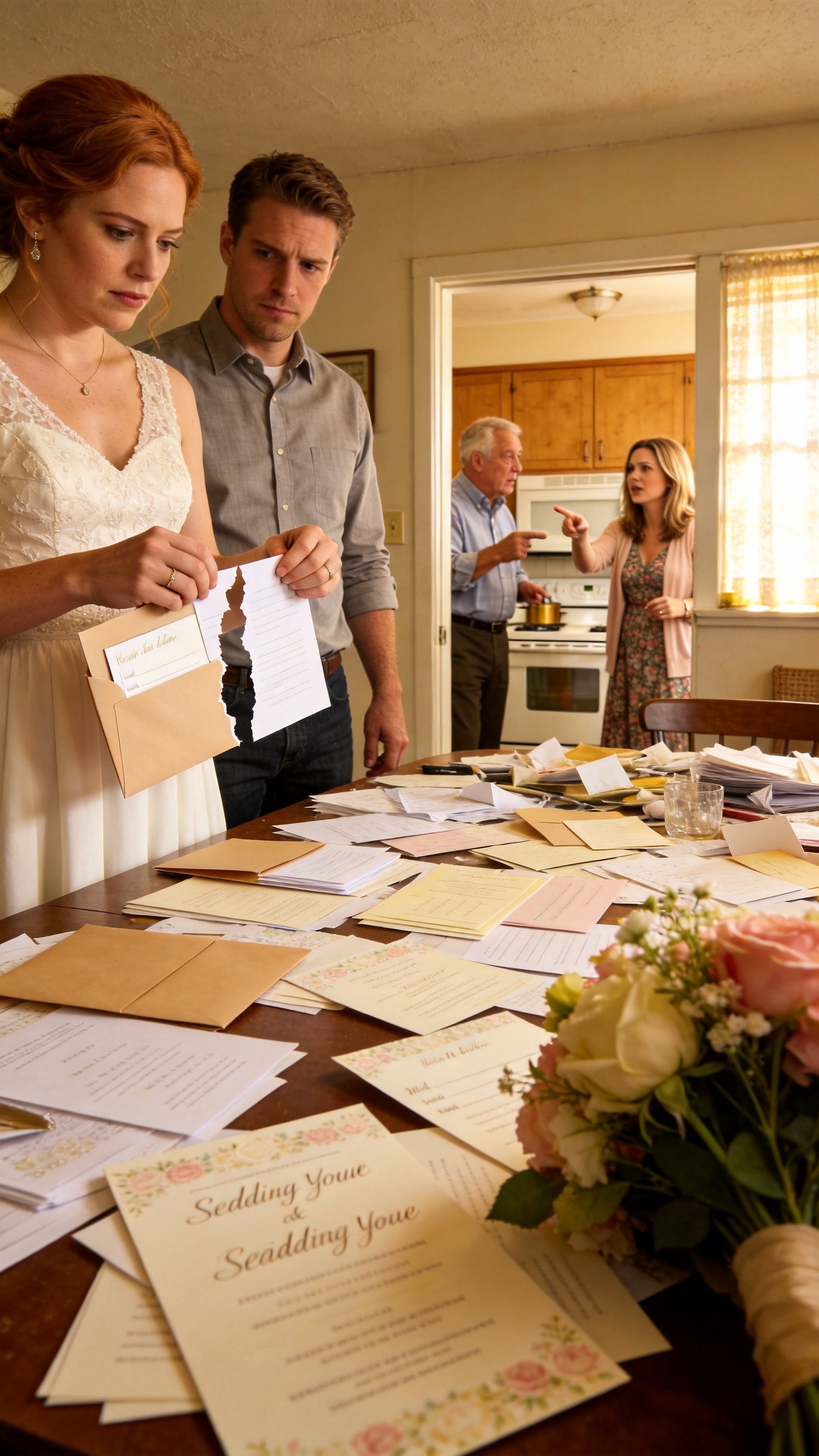
After Mark left, the house didn't feel empty. Eleanor expected grief to fill the rooms, like the silence after a machine stops running. She went to the kitchen and opened the anniversary folder. Most of the Vermont reservation was non - refundable.
The lake house owner had sent an email after she canceled the private dinner. She said the booking could be for one instead of two.
Three days later, Eleanor drove to Vermont alone. The lake house was smaller than in the photos but warmer. The porch faced the silver lake surrounded by pine trees. The bakery still had the lemon cake. When the clerk asked if she wanted candles, she said yes.
“Ten,” she said. “Not for a marriage, for the time I've spent. ” The clerk laughed, not knowing how serious Eleanor was.
On Saturday evening, their anniversary, Eleanor sat by the fire in wool socks and a cream sweater. At 7:12 p.m., Mark sent a message. “I canceled the cruise. Diane is mad. Lily won't talk to me. I'm sorry. I get it now.”
At 8:03 p.m., Diane messaged from an unknown number.
The old Eleanor would have written long paragraphs. She'd have explained everything, shown proof, and tried to make them see reason. The new Eleanor knew peace didn't need an audience.
Mark sent long emails full of memories. He talked about their Charleston honeymoon, the dog they almost got, and the night they danced barefoot in a thunderstorm. He got really good at bringing up the past when it cost him.
Eleanor's lawyer handled most of the communication. The financial check turned up more than she expected. Mark hadn't emptied their accounts, but for years he'd blurred the lines. Payments to Diane were labeled “consulting.
” There were reimbursements without real expenses. Gifts were made to seem urgent. It wasn't bad enough for jail, but it made the judge frown. As soon as Diane realized the financial records pointed to her, she dropped out of the proceedings.
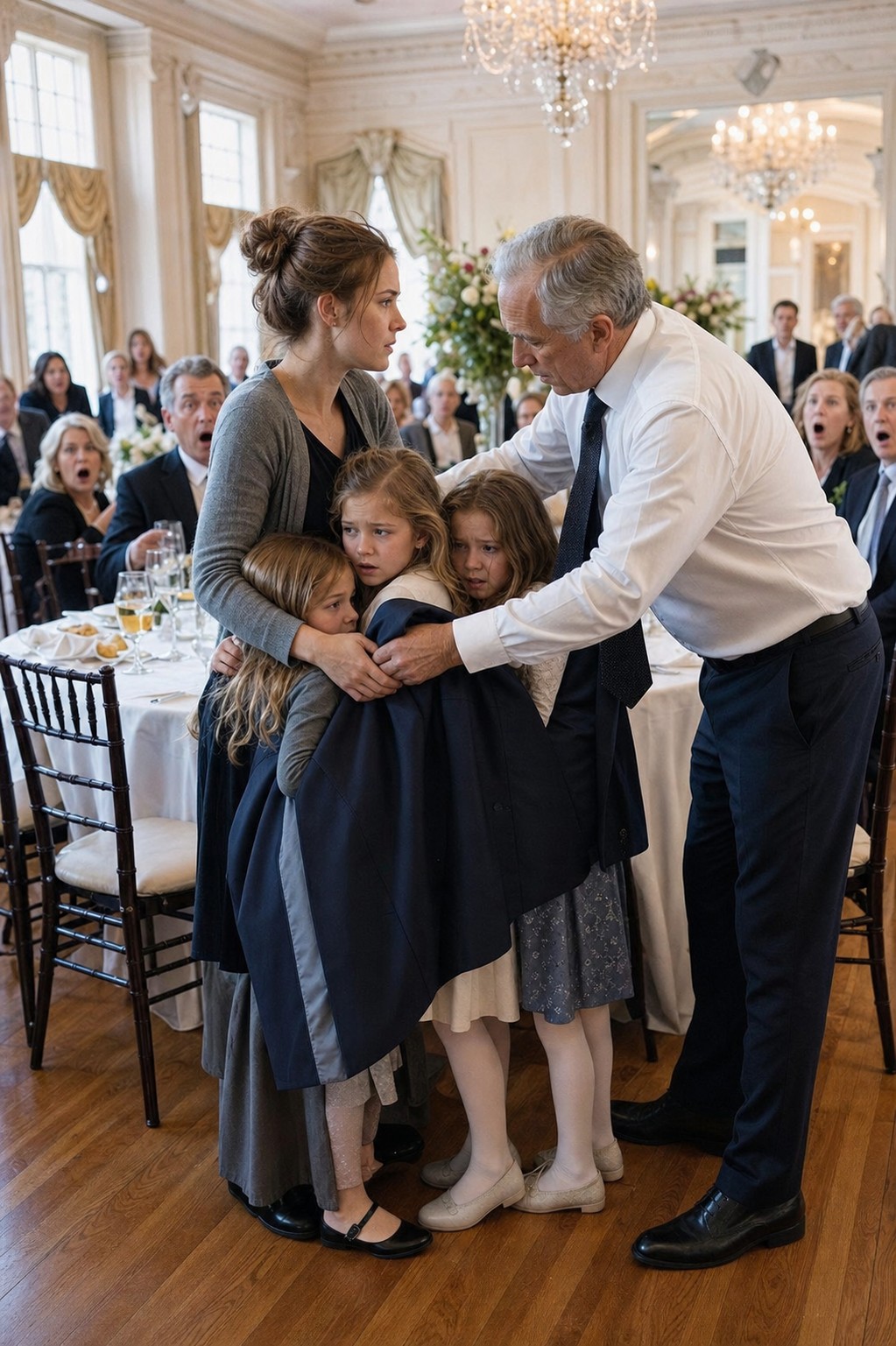
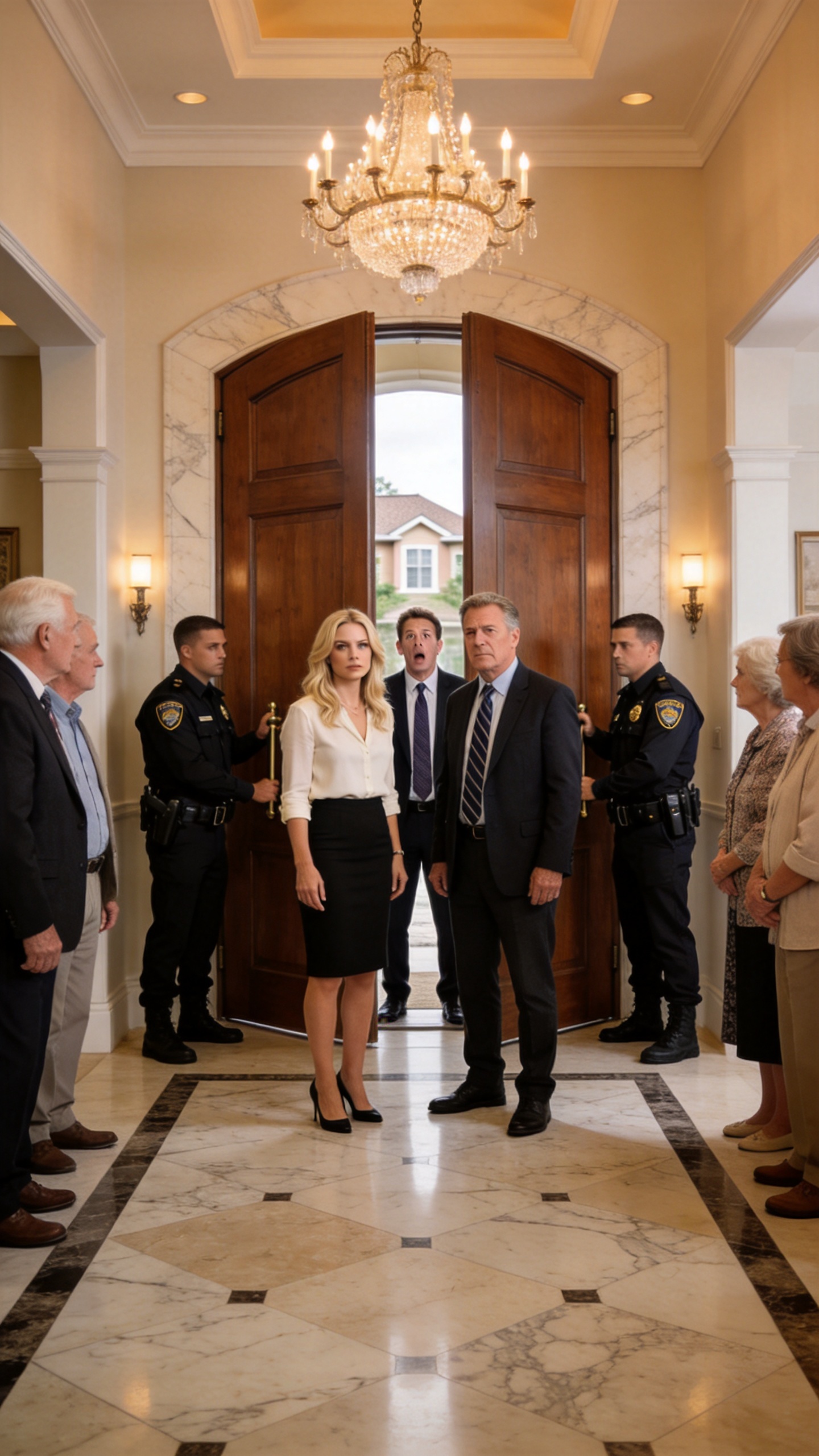
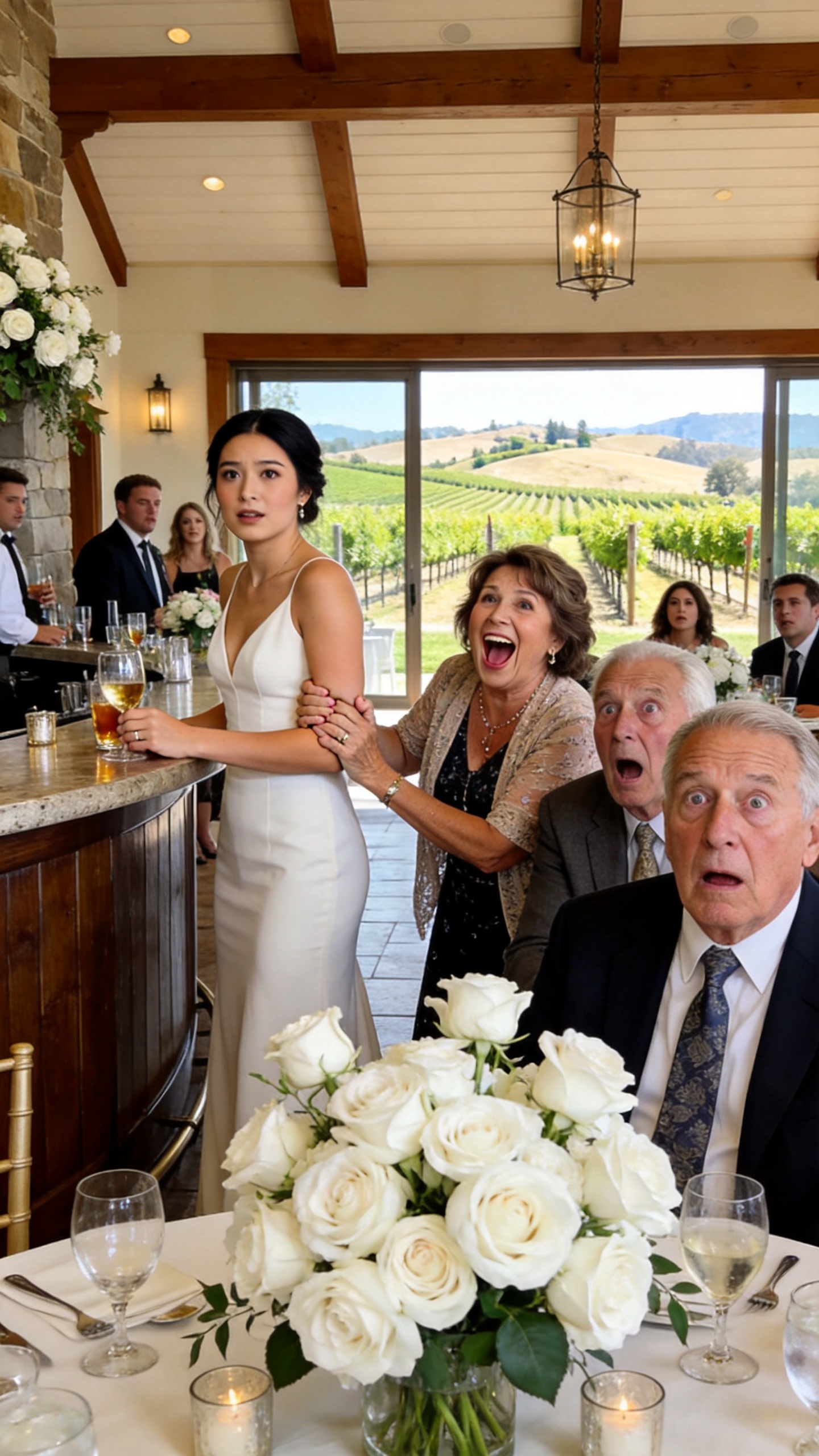
When The Room Finally Understood
Eleanor waited a day before responding to Mark's message. "I didn't understand how much Mom asked from him. I’m sorry for what I said. " She typed back, "Thank you for saying that. I hope you build healthier boundaries than the ones you were given.
" Not every hurt needed to turn into a connection.
By summer, the house was sold. Eleanor moved to a townhouse in Alexandria. It had tall windows, a blue front door, and walls free of shared memories. She bought dishes Mark would have thought useless. She started sleeping in the middle of the bed.
On the day the divorce became official, Mark called. Eleanor answered, knowing it'd be their last talk. His voice was quiet. "The judge signed. " This time, fear didn't edge his words. Eleanor stared out her office window at the afternoon sun on the floor.
"But I don't miss being your wife. " The silence after was different. "I hope you're happy," he said.
After the call, Eleanor opened her desk drawer. She took out the anniversary folder. The paper edges were soft from being handled so much. Plans for a weekend that never went as she'd hoped. She fed each paper into the shredder.
When the last page vanished, the tightness in her chest eased.
A year later, Eleanor went back to the Vermont lake house. This time, her sister Diane came with her. They sipped coffee on the porch. They hiked clumsily, laughed too hard, and bought another lemon cake.
As the sun set, Diane asked, "Do you ever regret filing so fast? " "No," Eleanor said. "I regret waiting for his okay to stop pretending. " Diane raised her mug. "To never needing permission again. "
In Alexandria, Eleanor built a life without worry. No more checking bank statements with a knot in her stomach. No more anniversaries planned around someone else's wishes. People sometimes asked what ended her marriage.
It ended in the kitchen when Mark looked at her and expected her to take second place. She'd learned to accept it politely. It ended when she realized her silence wasn't kindness. It just made her easy to ignore. The message that shocked him wasn't mean.
It was the first honest thing she'd said in years. "You'll be free to be there for her. " And she was finally free to be there for herself.
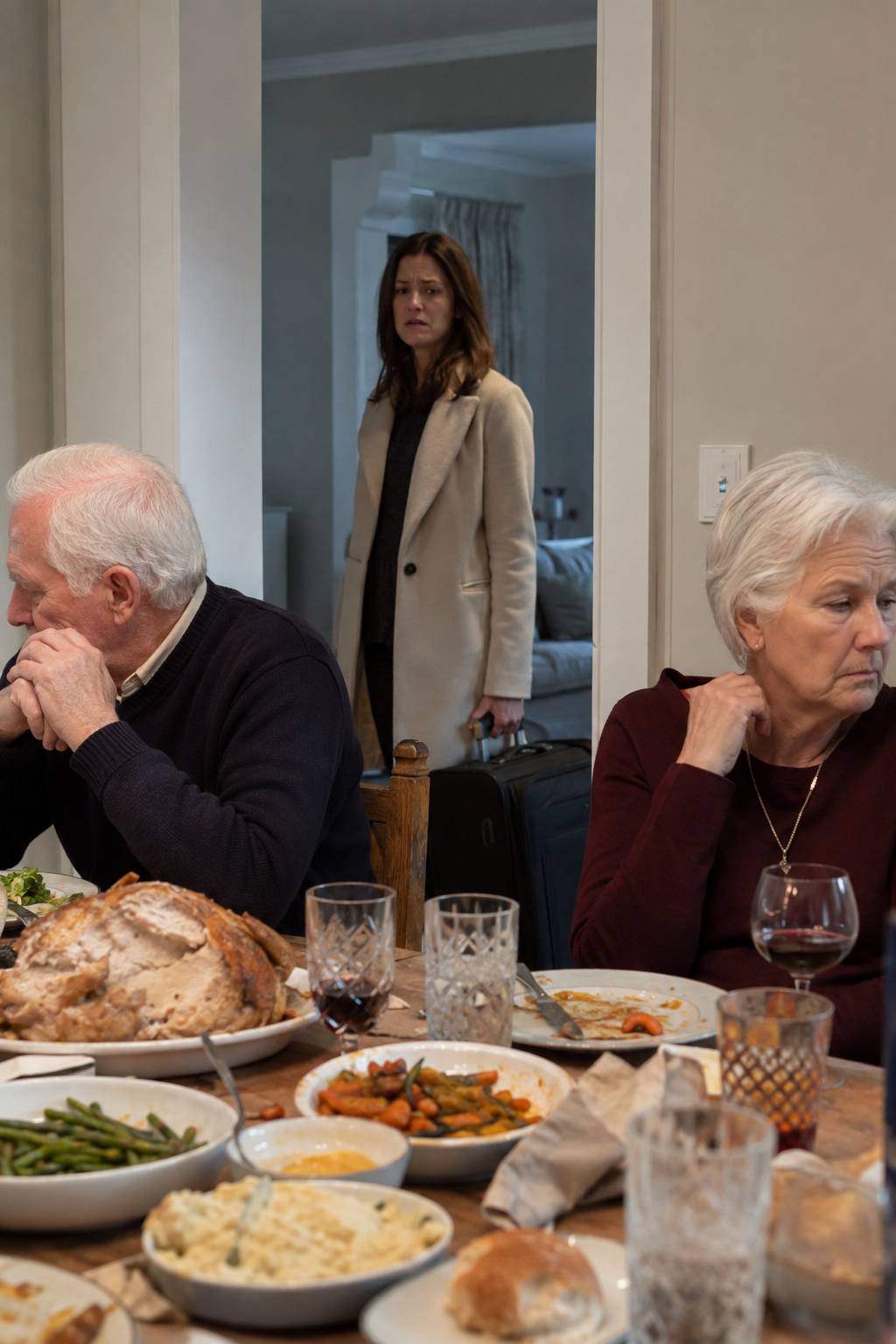
The hardest part was not the first consequence. It was the silence afterward, when everyone realized the old arrangement had ended. For years, they had treated my patience like a deed, a signature, or a permanent permission slip. That was the mistake.
I did not need to shout. The documents, the bruises, the records, and the witnesses had already said enough. By the time the calls started, I had stopped answering as the person they remembered. I was no longer protecting them from what they had chosen.
That was the part they never expected. I did not only take back a house, an account, a holiday, or a boundary. I took back the right to decide what my life would cost. The hardest part was not the first consequence.
It was the silence afterward, when everyone realized the old arrangement had ended. For years, they had treated my patience like a deed, a signature, or a permanent permission slip. That was the mistake. I did not need to shout.
The documents, the bruises, the records, and the witnesses had already said enough. By the time the calls started, I had stopped answering as the person they remembered. I was no longer protecting them from what they had chosen.
That was the part they never expected. I did not only take back a house, an account, a holiday, or a boundary. I took back the right to decide what my life would cost. The hardest part was not the first consequence.
It was the silence afterward, when everyone realized the old arrangement had ended. For years, they had treated my patience like a deed, a signature, or a permanent permission slip. That was the mistake.