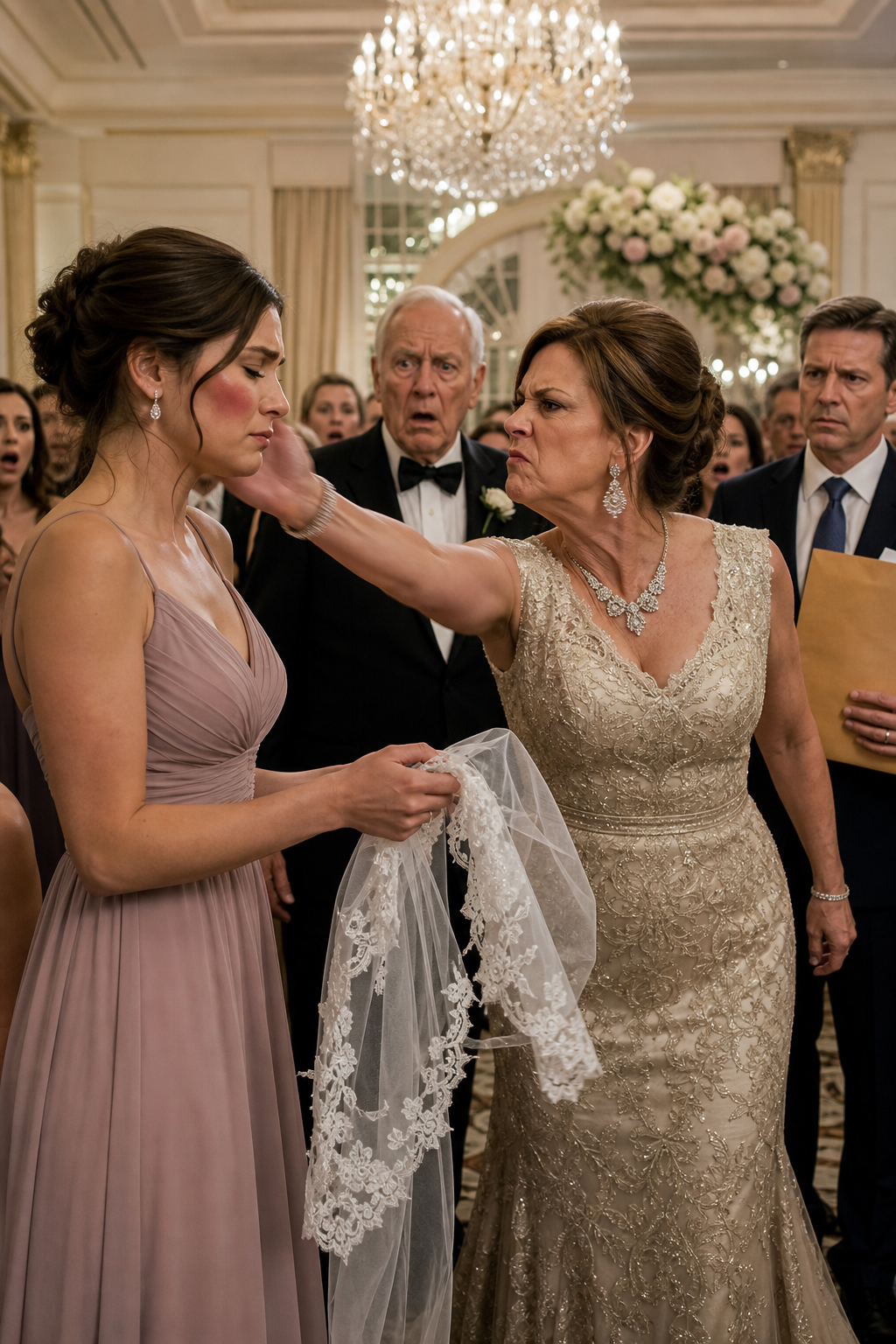
Aunt Carol's Easter Envelopes Looked Like A Sweet Family Tradition Until The Names Inside Exposed The Cruelest Secret At The Table

The Easter Envelopes Looked Harmless
Easter at my parents' house always looked perfect from the outside.
The table was covered with my mother's floral linen, the ham sat beside the good plates, and sunlight poured through the kitchen windows like the whole family was warmer than it really was.
My wife, Marianne, had been helping since before most people arrived. She refilled cups, checked the casseroles, pulled rolls from the oven before they burned, and brought coffee to my father, who was still recovering from surgery.
That was how Marianne loved people: quietly, through effort.
We had been married eight years. She had cared for my grandmother, planned birthdays for relatives who barely thanked her, and sat beside my mother through hospital visits. She was family in every way that mattered.
But Aunt Carol never accepted that.
To her, Marianne was still "the woman Ryan married." Carol's insults were never loud. They came dressed as manners. She would ask whether Marianne's "real family" was coming for holidays, or say Marianne wouldn't understand "how our side does things."
That Easter, Carol arrived in a pastel dress with a designer purse and gave Marianne the same look she might give hired help.
Marianne noticed, but said nothing.
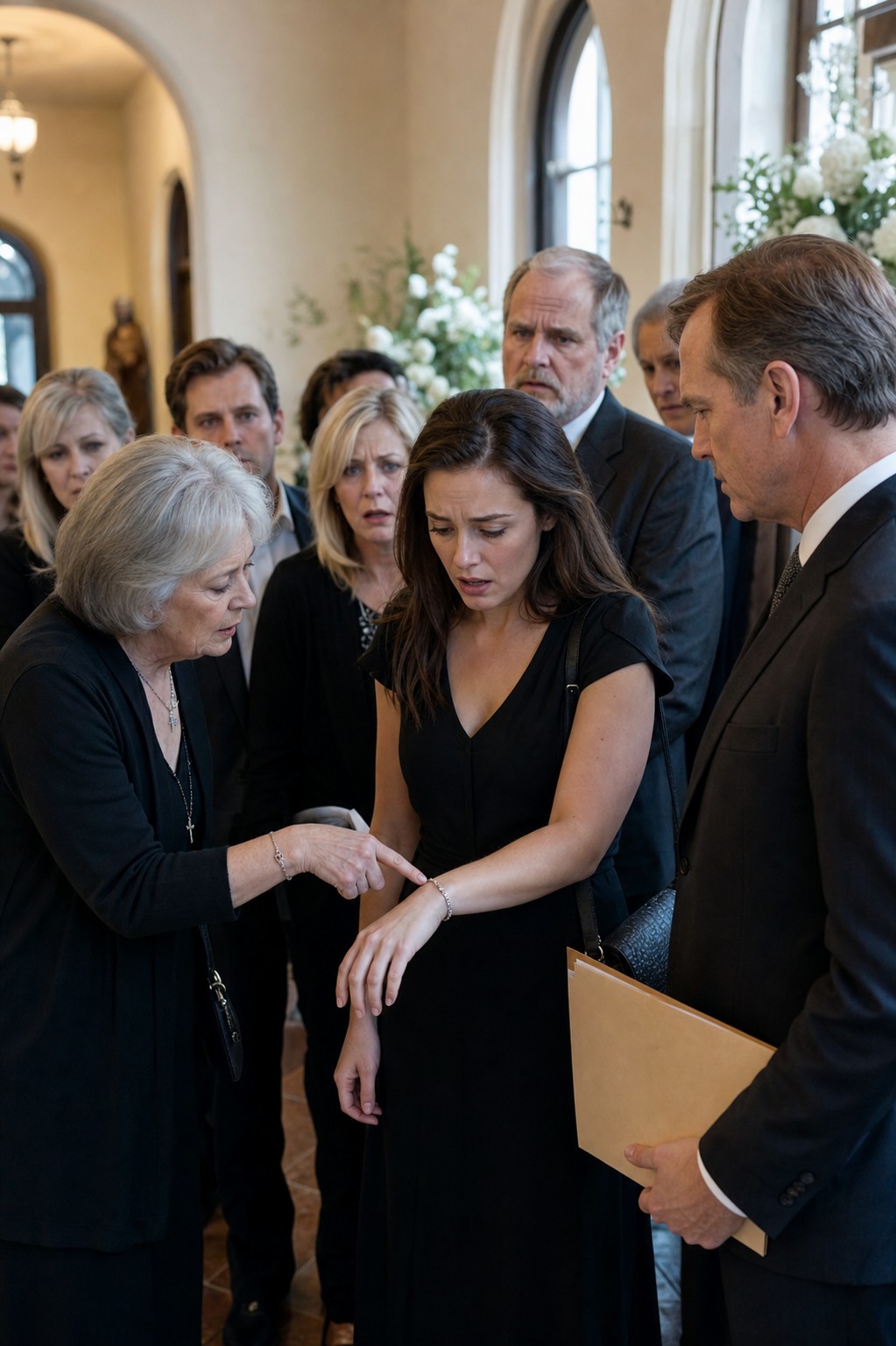
After lunch, everyone sat around the table with coffee and cake. The kids were tired from hunting eggs in the yard. Then Carol tapped one polished nail against her purse.
"Children, come here. I have something special."
Carol pulled out thick white envelopes.
Inside each was five hundred dollars.
The room filled with surprised laughter. Phones came out. Adults said, "Carol, that's too much," while still smiling.
My son Ethan stepped forward, trying not to look too eager. My daughter Lily leaned against my knee, waiting for her turn.
Then Carol snapped her purse shut.
"Daddy... did she forget us?"
My mother tightened her grip on the plates. My father stopped lifting his coffee. Marianne's hands went still in her lap.
I looked at Carol, giving her one chance to fix it.
My mother said quietly, "Carol, you skipped Ethan and Lily."
That was when I knew it was intentional.
"I didn't skip anyone," she said. "The money comes from the family trust. I gave it to the family children."
The word family hit the table like broken glass.
"What is that supposed to mean?"
Carol turned toward Marianne.
"It means the trust is for blood relatives. Marianne isn't family. She's just someone you married. Why should her children benefit from our family's work?"
One Name Was Missing For A Reason
Marianne's face closed like a curtain had been pulled.
"They are my children," I said. "My son and daughter."
"Adopted or not, it's different. If Marianne wants them to have money, she can work an extra shift."
Someone gasped. Someone whispered Carol's name.
But no one defended my children.
Lily buried her face against my side and cried. Ethan stared at the floor, ears red, trying to disappear.
Not even my parents' silence.
It was my son trying to make himself invisible at a family table.
"Then don't call us family anymore."
I took Ethan's hand and lifted Lily into my arms.
"Marianne, we're leaving."
"Ryan, don't be dramatic. It's just an inheritance policy."
No one followed us outside.
On the drive home, Marianne held my hand and whispered, "I'm sorry."
But she didn't sound like she believed it. That was the damage Carol had done.
At home, I put the kids on the couch with a movie, then went into my office.
Carol thought I was just a nephew she could shame at dinner.
She had forgotten what I did for a living.
I was a senior logistics and commercial zoning consultant. Two years earlier, Carol had needed my signature as guarantor for the family trust's largest redevelopment project. Without my professional support, the zoning process, preservation clauses, and lender approvals could collapse.
Back then, she called it "family business."
At 3:14 that afternoon, I opened my laptop and pulled up the documents.
I drafted a formal rescission of guarantor support, citing violation of the trust's good-faith execution clauses. I copied the zoning board, the commercial lenders, the project attorney, and Carol.
That is why people underestimate it.
But paperwork can walk into rooms anger never could.
Without my support, acquisition funds could freeze, loans could default, and preservation penalties could begin by Monday morning.
Twenty-three minutes later, my phone began vibrating.