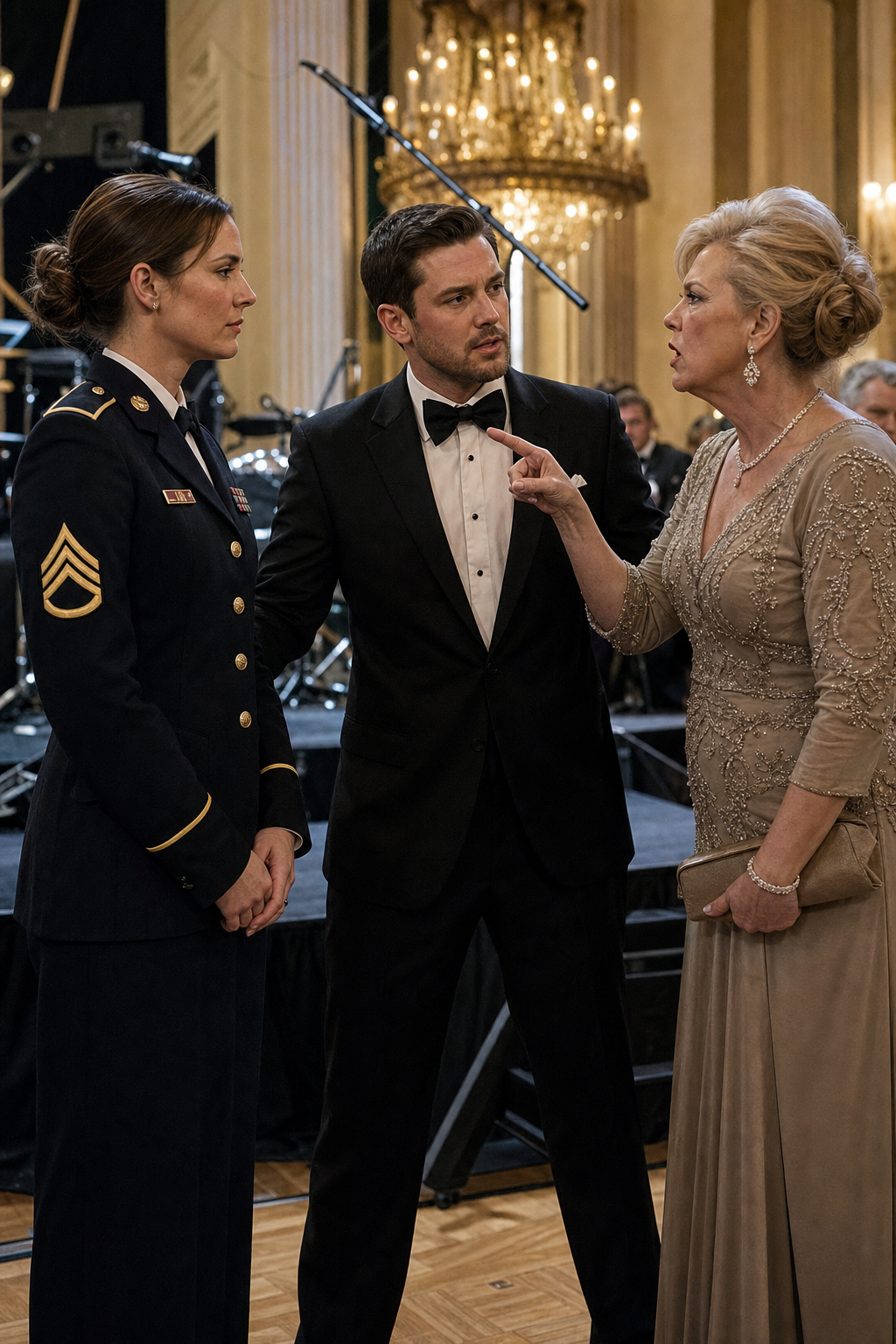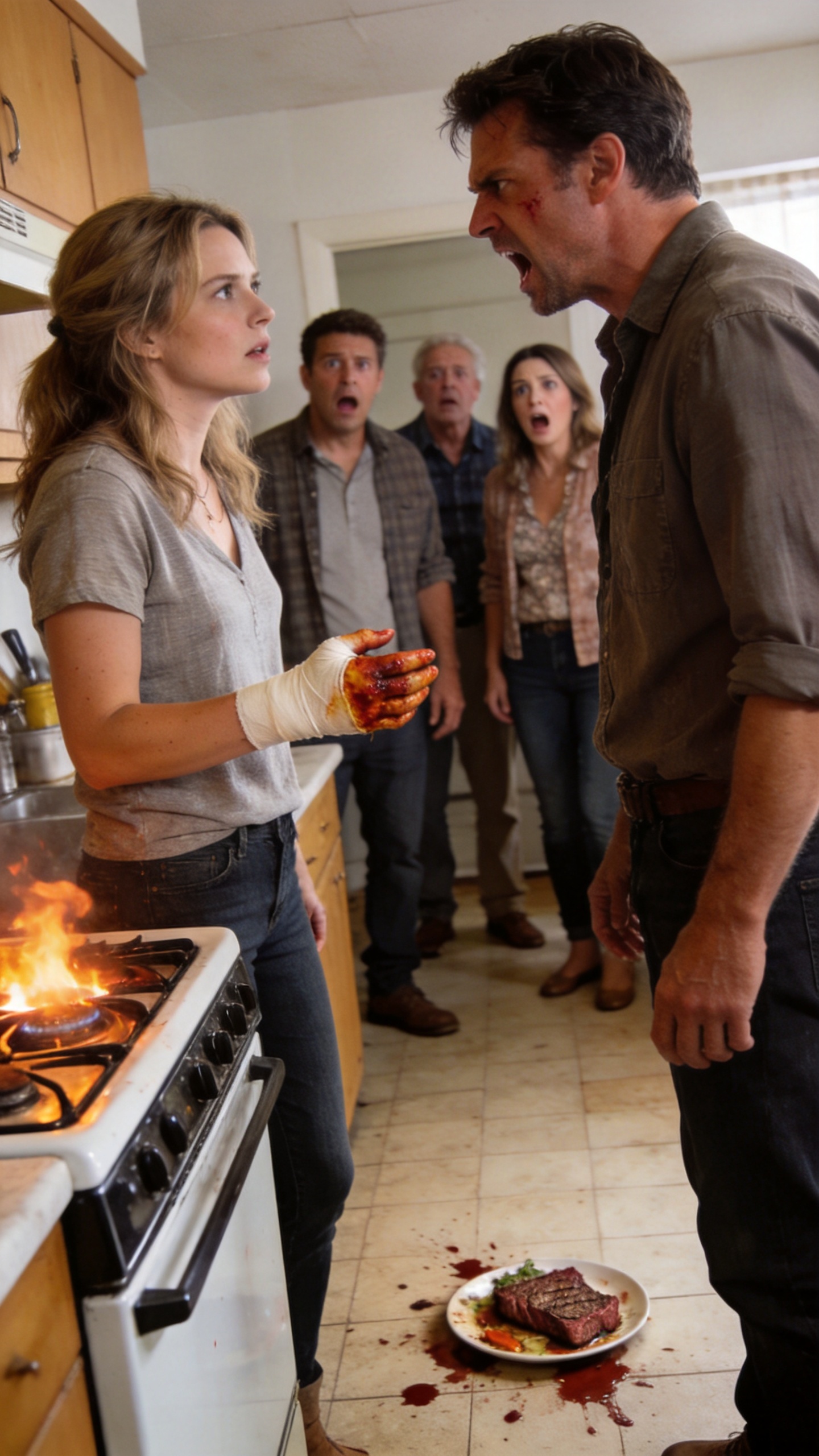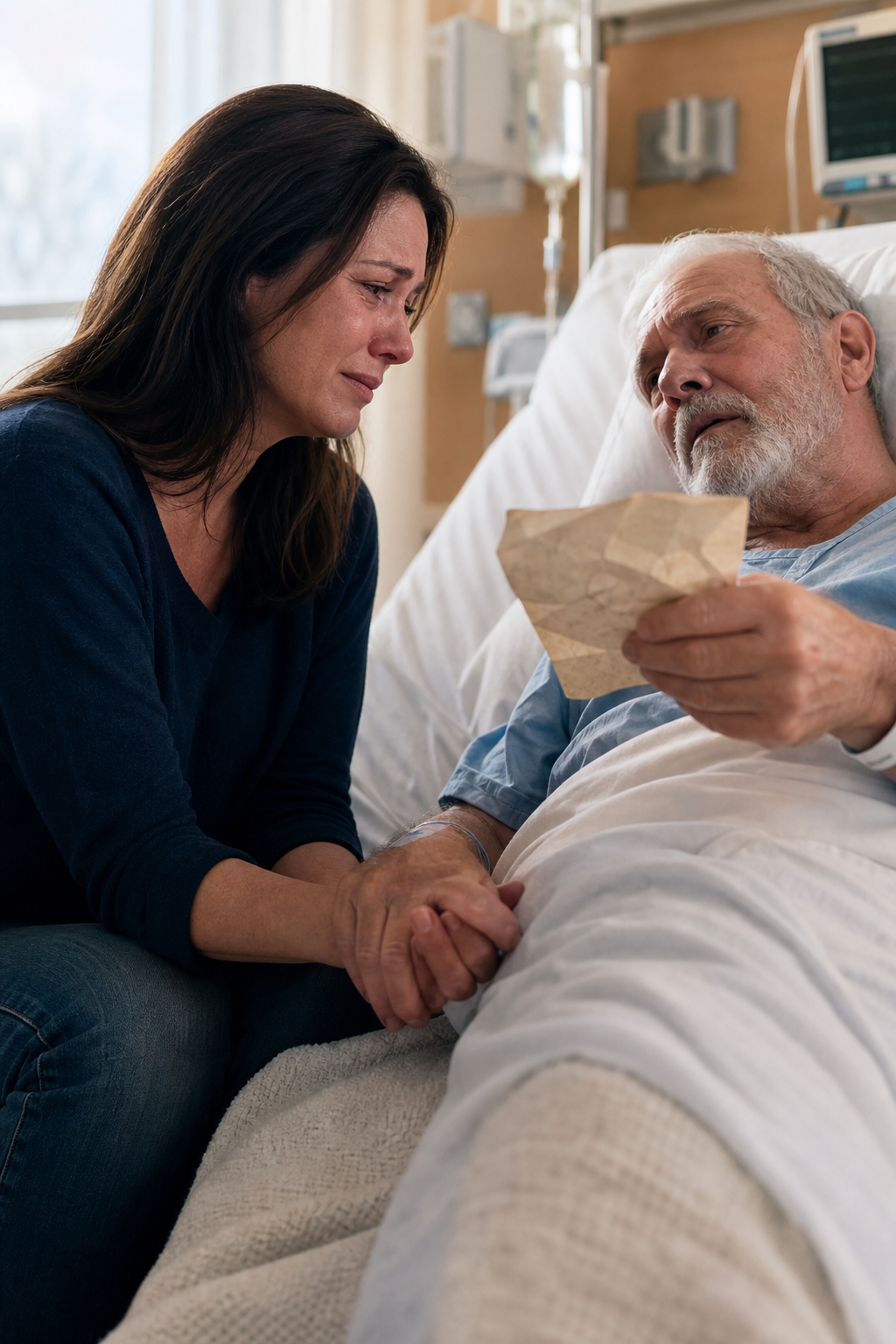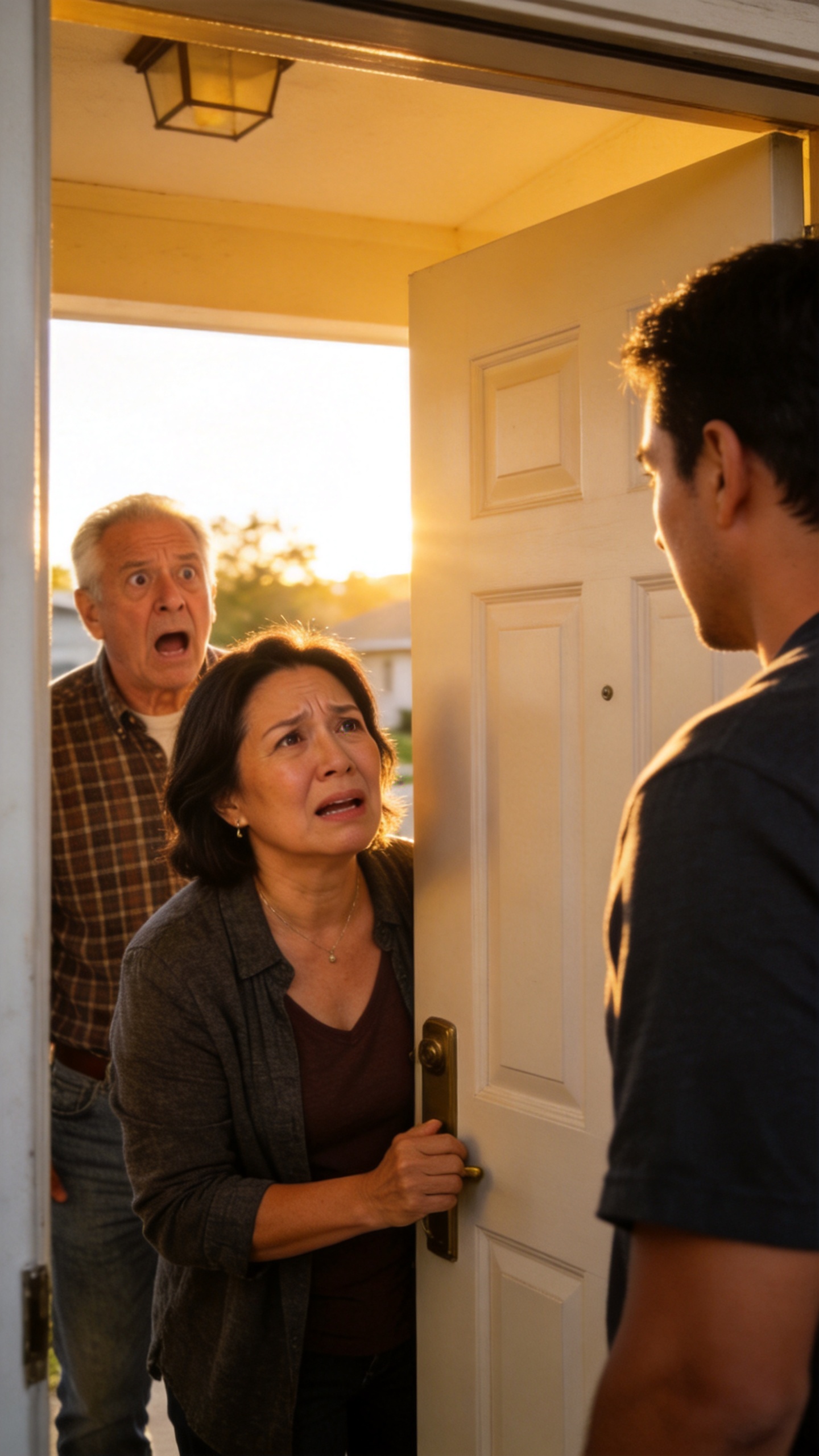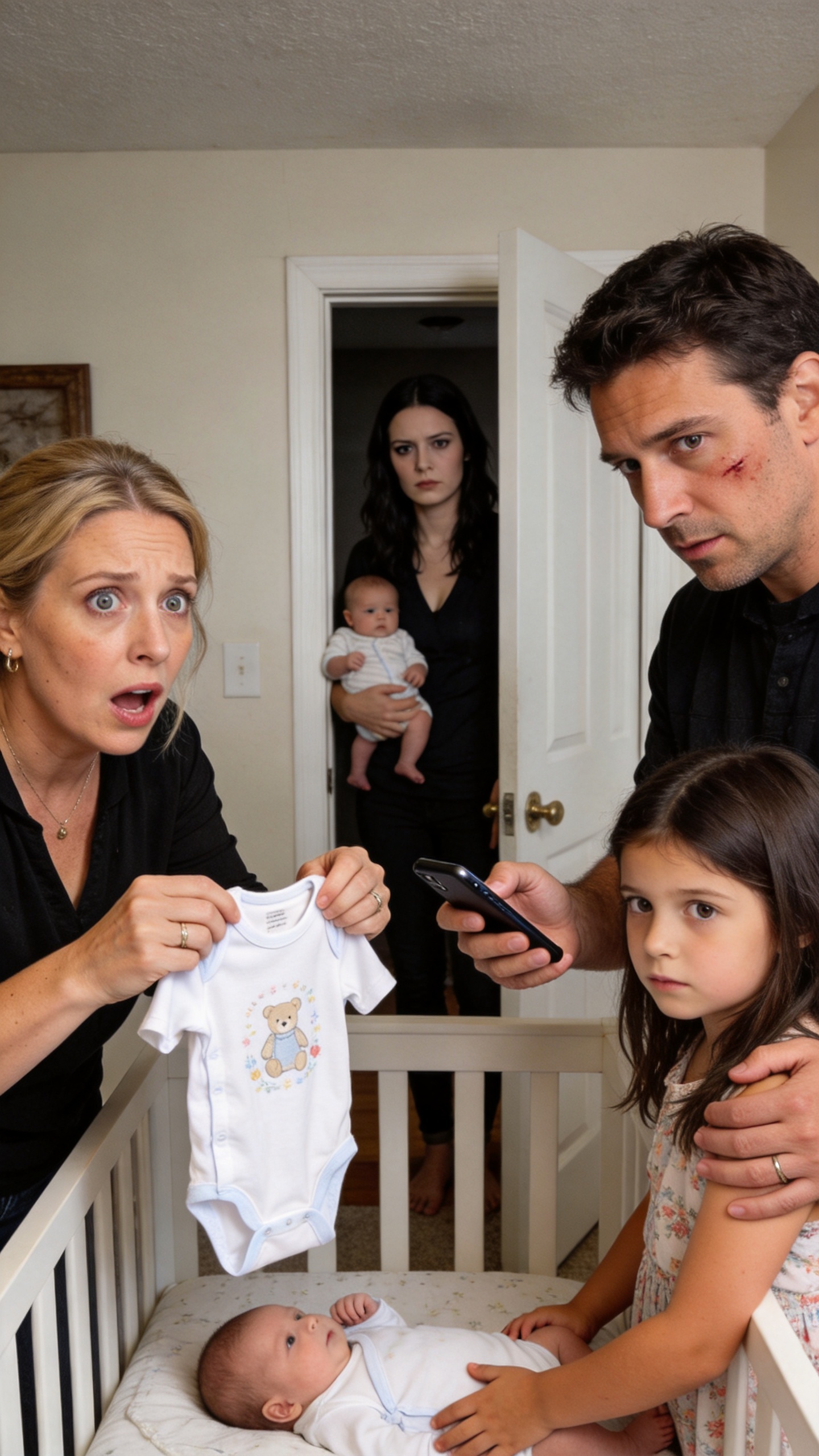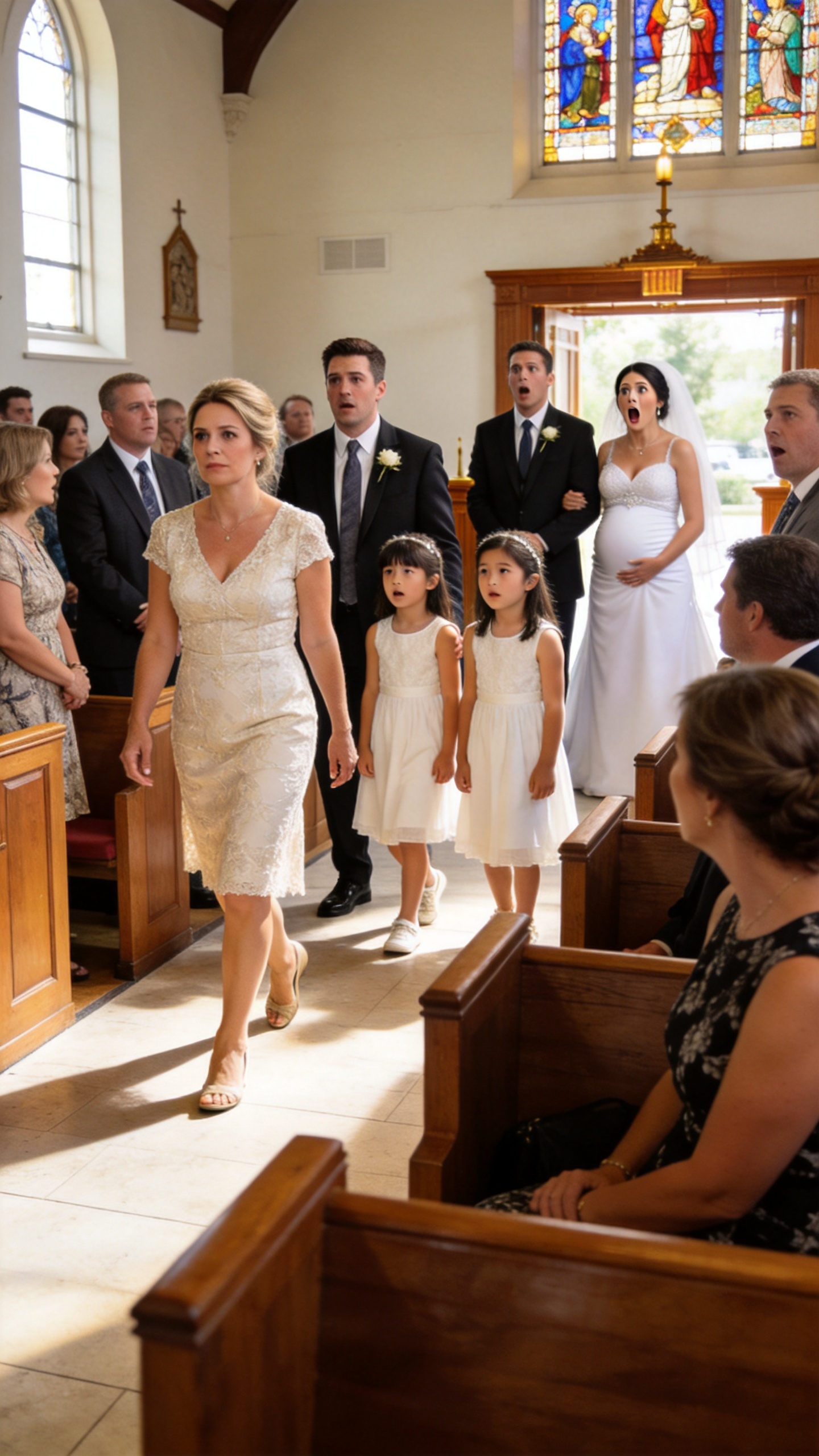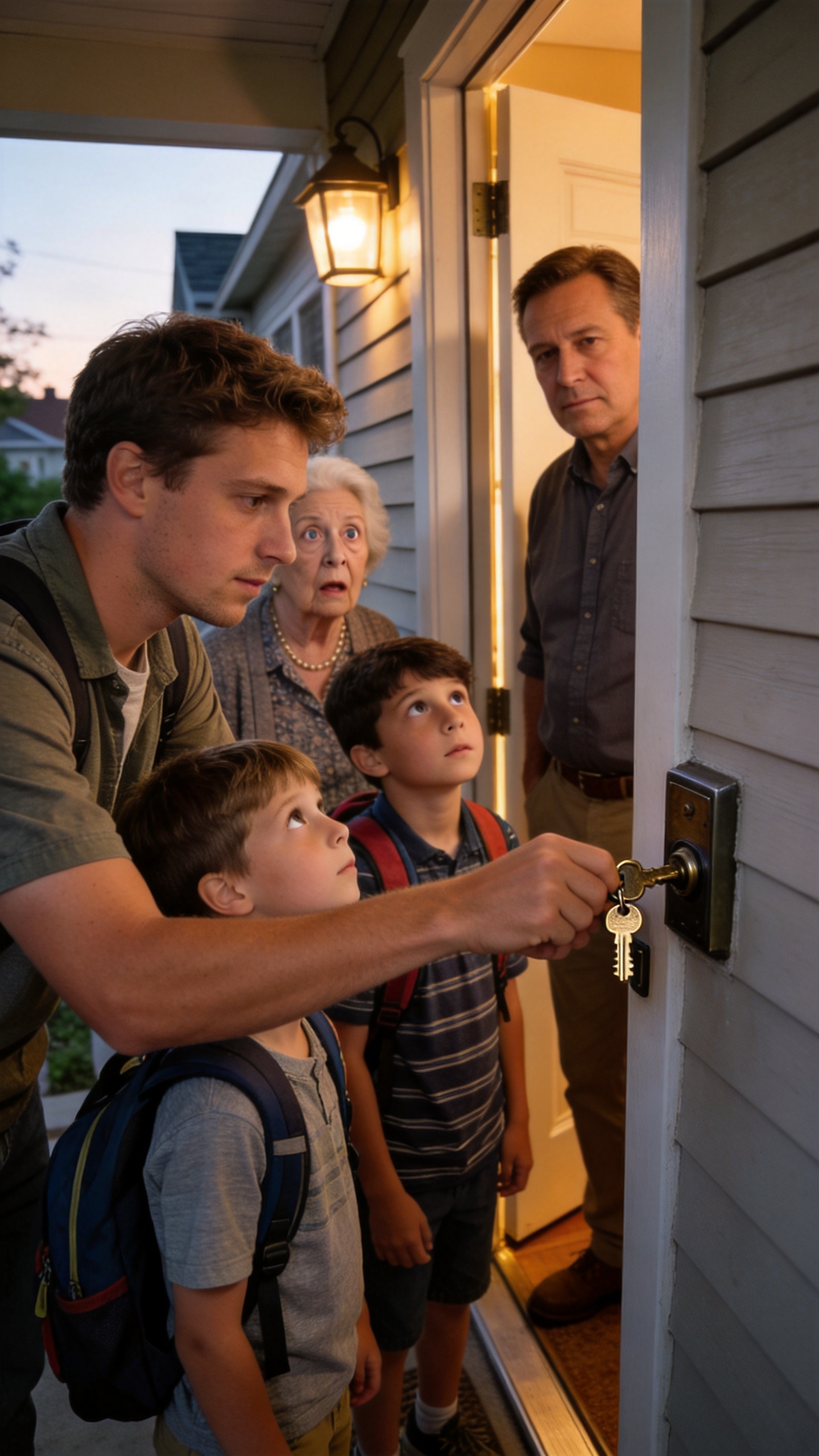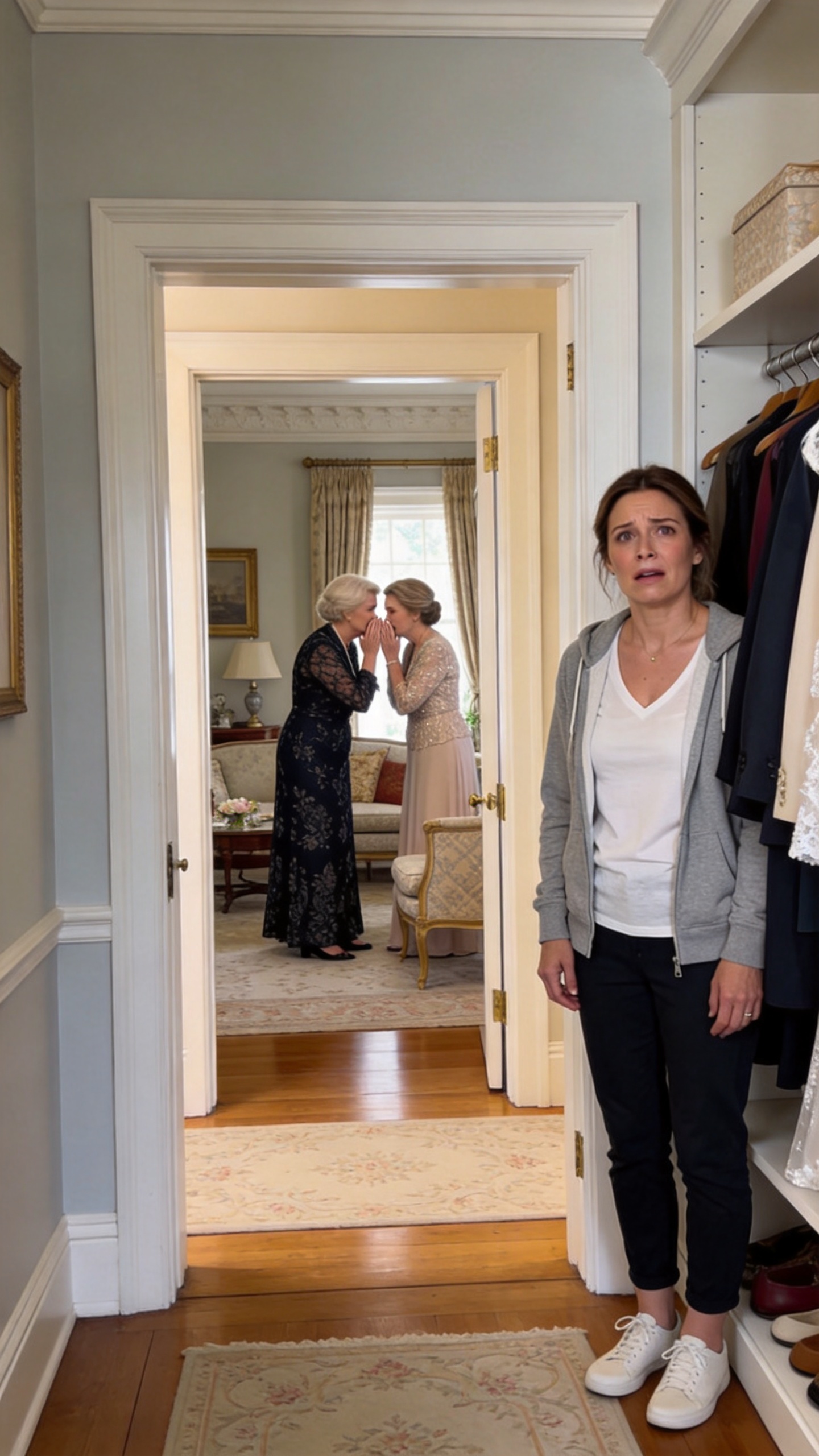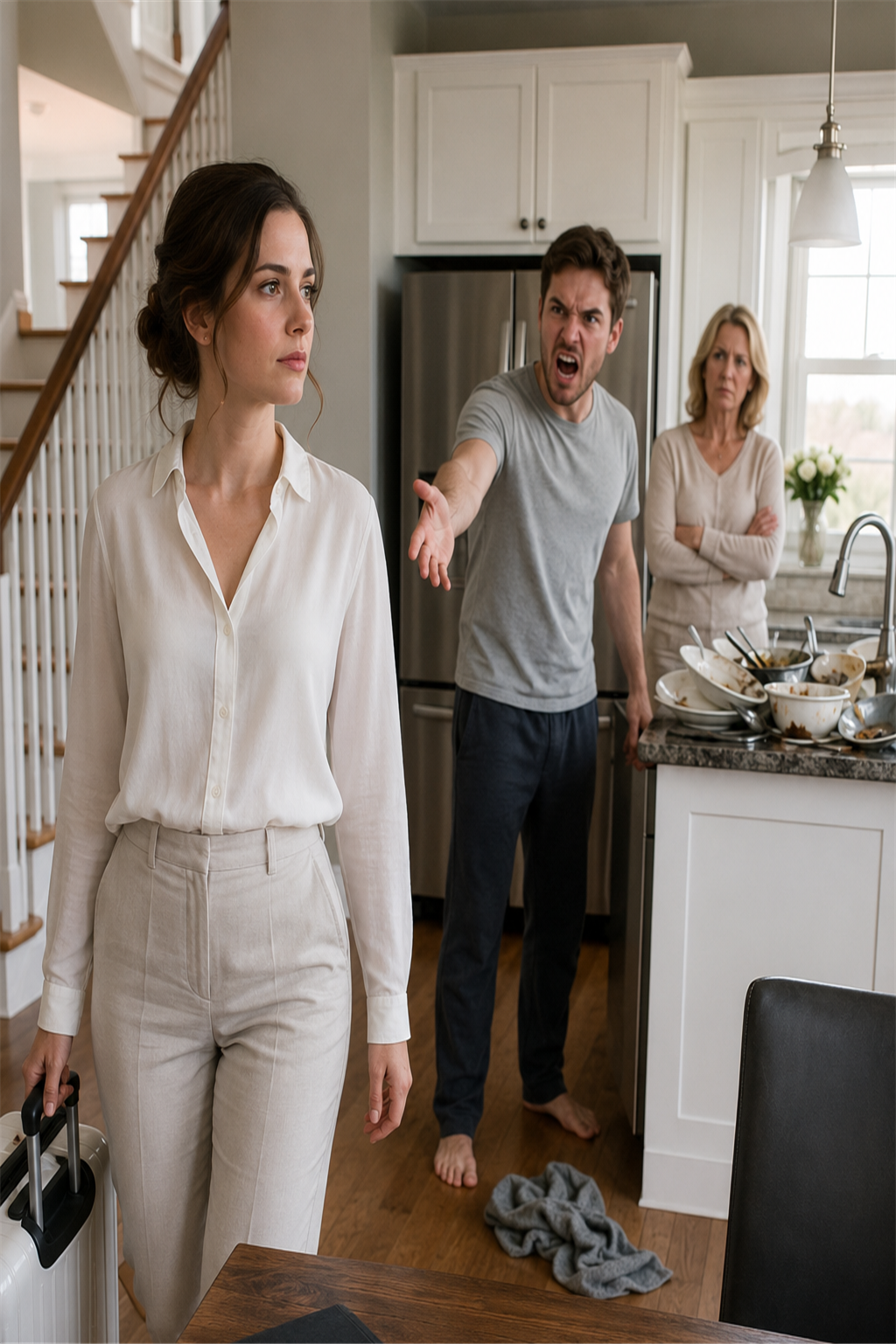
The night before my medical school interview, my sister poured bleach on my only blazer, and my parents told me to stop making a scene.
"No," I said. "I'm going to pack."
My mother blinked. "Pack for what?"
That got their attention.
Vanessa crossed her arms. "With what money?"
"With the money I saved from night shifts. The money you all thought I was using for application fees."
My father's face darkened. "You don't get to make threats in my house."
"I'm not threatening you. I'm informing you."
I walked past them to my room. My hands shook while I dragged two suitcases from the closet, but I kept moving. Scrubs. Jeans. Three sweaters. My grandmother's old photograph from the back of my drawer. A shoebox of pay stubs. My passport.
My social security card.
My mother appeared in the doorway.
Her anger was gone. In its place was something worse: panic pretending to be tenderness.
"Julia," she said softly, "you're upset. Don't make a permanent decision over one argument."
I folded a pair of black pants. "This isn't one argument."
"Vanessa made a mistake."
I looked at her. "She made a choice. You made one too."
My mother's lips parted, but no words came.
For a second, I saw not the elegant woman who hosted neighborhood dinners, but a daughter who had spent years resenting her own mother's strength and then punishing me for resembling it.
"You never told me Grandma helped build Adler's residency pipeline," I said.
Her face went pale.
"Dean Whitaker knew her."
My mother looked away.
That told me enough.
"She wasn't cold, was she?" I asked.
My mother's jaw tightened. "She was never home."
"She chose that hospital over her family."
I zipped the suitcase. "Or maybe you decided that because it was easier than admitting she wanted more than this house."
My mother flinched as if I had slapped her.
I did not apologize.
Two weeks later, I received the call.
I was in the break room at St. Agnes eating vending machine crackers before a twelve-hour shift. My phone buzzed with an unknown number, and I almost ignored it. Then I saw the area code.
"Hello, this is Julia Garrett."
"Ms. Garrett," said a woman's voice. "This is Marlene Brooks from Adler Medical School admissions. I'm calling with an update regarding your application."
The crackers turned to dust in my mouth.
I gripped the edge of the table.
"We are pleased to offer you admission to the incoming class."
For a moment, all sound vanished.
Then the break room returned around me: the refrigerator humming, someone laughing down the hall, the squeak of shoes on polished floor.
I pressed my palm over my mouth.
The Dean Saw The Name They Tried To Bury
Marlene continued, "You will also receive a financial aid package that includes the Mercer Community Medicine Scholarship."
I closed my eyes.
"It is awarded to students with demonstrated commitment to underserved clinical care," she said. "Your official letter will arrive by email today."
I thanked her three times. Maybe four. I do not remember.
When the call ended, I sat there crying silently into my hands until Nurse Caroline Ortiz walked in, saw my face, and dropped her lunch bag.
"Who died?" she asked.
"No one," I said, laughing through tears. "I got in."
She screamed so loudly that two respiratory therapists ran in.
By evening, half the floor knew. Mr. Holloway's daughter hugged me. Dr. Brenner from emergency medicine shook my hand. Someone taped a handwritten sign to my locker: FUTURE DR. GARRETT.
I took a picture of it and sent it to no one.
My parents found out from the official email because I was still logged into my account on the family desktop.
My father called seven times.
My mother texted first.
"Come home so we can discuss this properly."
"We are proud of you."
"Your father is very hurt that you didn't tell us first."
Three days later, I came back to collect the rest of my things while they were at church. Or so I thought.
Vanessa was there, sitting at the kitchen island in workout clothes, staring at her phone. Her engagement ring flashed under the pendant light.
She looked up when I entered.
"You got in," she said.
Her mouth twisted. "Congratulations."
I went to the hallway closet and pulled out a storage bin.
Behind me, she said, "Brent called off the wedding."
"He said he needed time to think," she continued. "Apparently, he doesn't like how I 'handle conflict.'"
I turned around slowly.
Vanessa's eyes were red, but her voice was still sharp. "You must be thrilled."
"I'm not thrilled," I said. "I'm tired."
She laughed bitterly. "Of course. Saint Julia."
"No," I said. "Not saint. Just done."
For the first time, she did not have a quick answer.
I carried the bin to the front door. Inside were old textbooks, my winter coat, and a framed certificate from my community college anatomy program that my mother had once taken off the wall because it "clashed with the hallway."
At the door, she said, "Why do you always get people on your side?"
I looked at her then, really looked.
She was twenty-nine years old and still seemed like a child guarding a toy box. But behind the anger was fear. Fear that without comparison, without winning, without our parents clapping for every performance, she did not know who she was.
"I don't get people on my side," I said. "I just stopped lying to protect yours."
Her face crumpled for half a second before she turned away.
I left without slamming the door.
That fall, I started at Adler.
On the first day, I wore a navy blazer I bought secondhand and had tailored with my first scholarship stipend. Inside the left cuff, I had sewn a small strip of fabric from the damaged black blazer. The bleach stain was hidden there, reduced to a private reminder.
Dean Whitaker gave the welcome address in the main lecture hall. He spoke about service, discipline, and the difference between ambition and purpose. At the end, his eyes passed over the rows of students and paused briefly on me.
He did not smile in a sentimental way.
Months later, during our white coat ceremony, my parents came.
I had not invited them. My mother found the public announcement online. They arrived dressed like they were attending a donor gala. Vanessa did not come.
After the ceremony, my mother approached me while my classmates took pictures with flowers and balloons.
"You looked beautiful," she said.
My father cleared his throat. "We're proud."
I looked at him for a long moment. I had imagined that sentence for years. I used to think it would fix something.
But it also did not hurt the way I expected.
"Thank you," I said again.
My mother reached for my sleeve, then stopped herself. "Can we take a picture?"
I let them stand beside me for one photograph.
In it, my white coat is bright. My smile is small but real. My parents look proud, or maybe relieved, or maybe aware that the story had moved forward without them controlling the ending.
I kept the photo, but I did not frame it.
The picture I framed was different.
It was the old photograph of Dr. Rosalind Mercer, standing outside Adler's original clinic entrance in 1978, arms crossed, gaze steady, white coat sharp against the brick wall.
Beside it, I placed my own white coat ceremony photo.
Two women from the same bloodline.
One erased at home.
One nearly stopped at the door.
Years later, when I interviewed applicants as a fourth-year student representative, a young man came in with a tie that had clearly been repaired by hand. One sleeve of his shirt was slightly discolored, like it had been washed too many times or borrowed from someone else.
He kept trying to hide it under the table.
I remembered how it felt to sit in a room believing everyone could see your damage before they could see you.
So when it was my turn to ask a question, I closed his file gently and said, "Tell me what it took for you to get here."
And he told us.
Not the polished version.
That was the lesson my sister accidentally taught me with a bottle of bleach: some people will try to ruin what you wear because they cannot touch what you carry.
And sometimes the stain they meant to shame you with becomes the first thing that makes the right person look closer.