Ten Years After My Family Cut Me Off for Becoming a Military Doctor, I Returned for My Grandfather's Funeral, and a Defense Official Saluted Me Before My Father Could Finish Mocking Me
The will began with predictable donations. Club memberships. And real estate transfers meant to reassure everyone the old order had survived the funeral.
My father received the house. My brother received a large equity block in the defense company. My stepmother received jewelry and a trust.
Then the attorney cleared his throat and read the line that changed the air again.
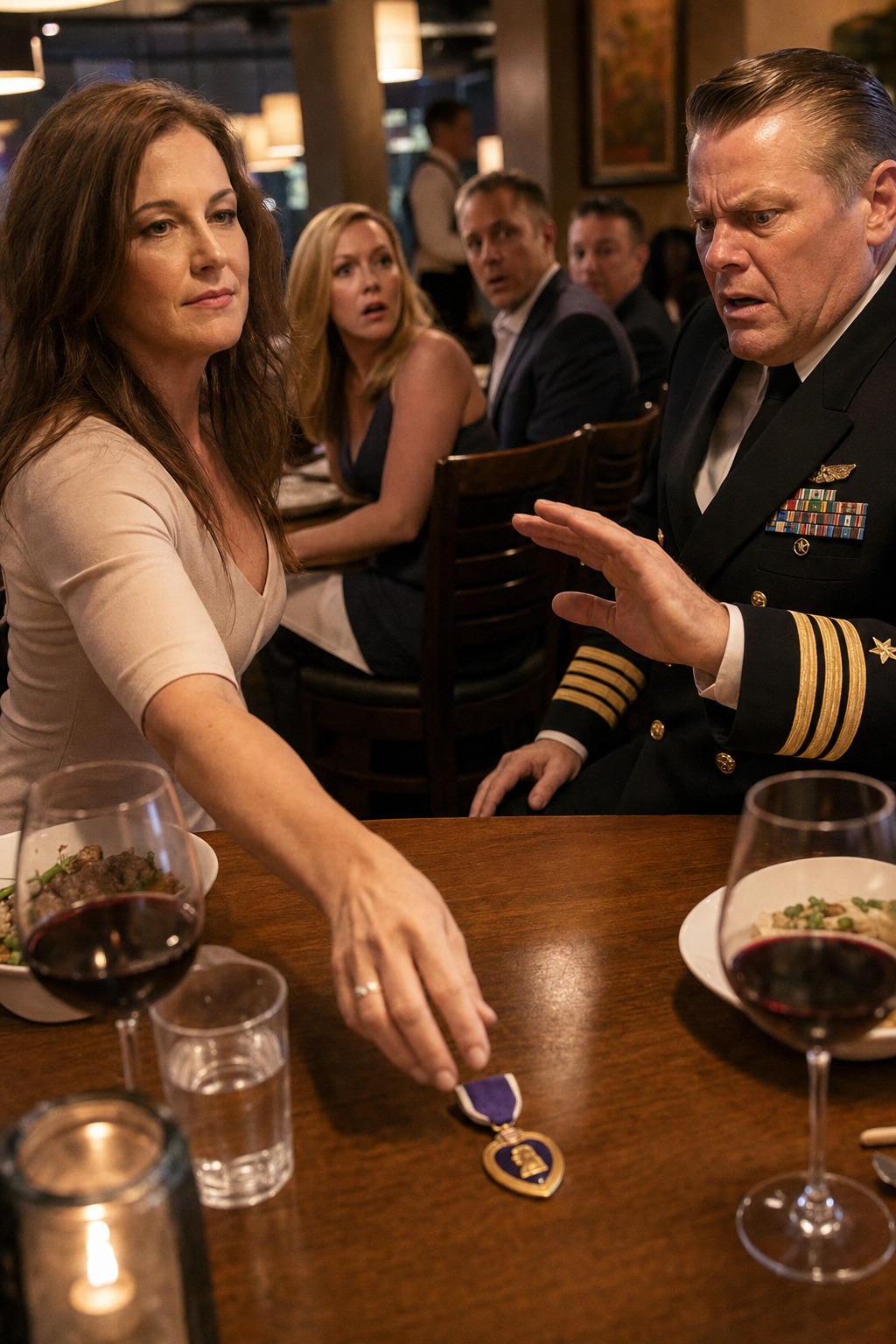
My grandfather left me his journals. His service medals. And full control of the foundation for wounded service members that my father had been quietly folding toward the company brand.
My father objected before the attorney finished the sentence. The attorney did not look up when he said the instruction was explicit and nonnegotiable.
He handed me a sealed envelope next. My name crossed the front in the same hand that had written the note under the lighter.
My brother started to ask what my grandfather could possibly have seen in me. All these years. Then stopped. Nobody joined him. Even opportunists know when a room is turning.
The attorney also mentioned that separate materials had been reserved for investigators if certain corporate documents were ever disputed. My father's jaw locked so hard I could see the muscle twitch near his ear.
The Blue Folder
I did not open the envelope in that room. I left with my father's voice at my back. Followed the map in my head to the den off the west hall.
The blue folder sat on the wet bar half hidden under old football programs. Exactly where a man expecting to retrieve it later might stash something dangerous for an hour.
I closed the door until only a finger of light remained and opened my grandfather's envelope first.
The letter was brief where apology should have been long. He wrote that he had watched my career from afar. Understood too late which member of the family had actually honored the uniform.
Then he wrote the sentence that made my hands tighten on the page. He said the company had approved battlefield medical supply shipments after internal warnings showed life-threatening failure risks.
My father's company did not sell abstract strategy. It sold equipment people depended on while blood hit the floor.
Inside the blue folder were copied contract numbers. Red-flag memos. Test results. Board notes. And meeting summaries with my grandfather's handwriting in the margins.
One report described locking failures under sustained heat stress. Another tracked complaints from deployed medical units that had been minimized and redirected instead of escalated.
A stapled email chain showed the ugliest part. Engineers had recommended an immediate halt on one product family. Finance and contracts pushed back because a delay would damage a quarterly number.
There was also a handwritten list of names my grandfather believed had already spoken to federal investigators. He had underlined two and written too late beside one of them.
A night from Afghanistan came back to me so fast I had to grab the edge of the bar. Sand in the lights. A nineteen-year-old private joking through shock. A mechanism slipping when it should have held.
He Wanted the Folder Back
My stepmother found me first. She shut the door behind her. Told me I did not understand the burdens men like my father carried.
I asked whether the burden she meant was lower profit margins or burial letters. She had no answer that could survive being spoken aloud.
For the first time in my life, she looked afraid of me instead of merely disappointed.
My father appeared a moment later with my brother behind him. Stopped speaking the instant he saw the blue tab in my hands.
He changed tone immediately. When he was most dangerous, he always sounded calm enough to pass for reasonable.
He told me the folder contained private company material. Ordered me to put it down. I embarrassed myself in my own family home.
I opened the top report instead. Read out the batch number. The heat-stress failure note. And the approval signature that had followed the warning anyway.
My brother finally stopped looking smug. My father started lecturing about context. Logistics pressure. And how naïve people misread wartime procurement. They had only touched bandages. Scalpels.
That insult would have landed ten years earlier. It did not land now. I told him he did not get to psychoanalyze me. Standing three feet from evidence tied to dead. Wounded troops.
The Call He Could Not Control
My phone rang before he could build his next speech. The number came from Walter Reed and I answered on instinct.
A tired female voice introduced herself as Captain Renee Porter. One of the physicians who had served with me overseas during the failure cluster described in the file.
She said investigators had finally reached her that afternoon. She said she had kept her own copies. Nobody back home wanted to hear what the unit had been reporting.
I put the call on speaker without asking my father whether he preferred privacy. He had used privacy long enough.
Renee described the night we lost a young private. A device malfunction that command had blamed on dust. Heat. And exhausted hands instead of a defect already known higher up the chain.
She said she still remembered me trying to hold the line with equipment that should never have stayed in circulation. The first warnings.
My father told me to end the call. His voice cracked on the last word and made my brother look at him with fresh confusion.
Renee said one more thing before I answered him. She said the investigators now had the field reports. The complaint trail. And names from inside the company who had buried the alarms.
Then she asked whether I had found the folder my grandfather mentioned. I said yes. She told me not to let it leave my hands. Not to believe anyone in that house who suddenly started talking about family unity.
My stepmother sat down without meaning to, as if her knees had made the decision first. My brother stared at my father like he was trying to decide whether panic or loyalty should speak next.
Outside the den. I heard guests laughing at something far away. Oblivious to the ruin spreading through our house one sentence at a time.
I looked at my father while her words filled the room. For once, he was not deciding how the scene would be remembered. He was standing inside it like everyone else, with both hands white against the leather chair.