On My 18th Birthday, I Quietly Locked My Multi - Million - Dollar Inheritance Into a Trust. By Morning, My Family's True Colors Were Impossible to Ignore...
Even to my untrained eye, the differences were obvious once she pointed them out. Pressure marks. slant. hesitation. imitation.
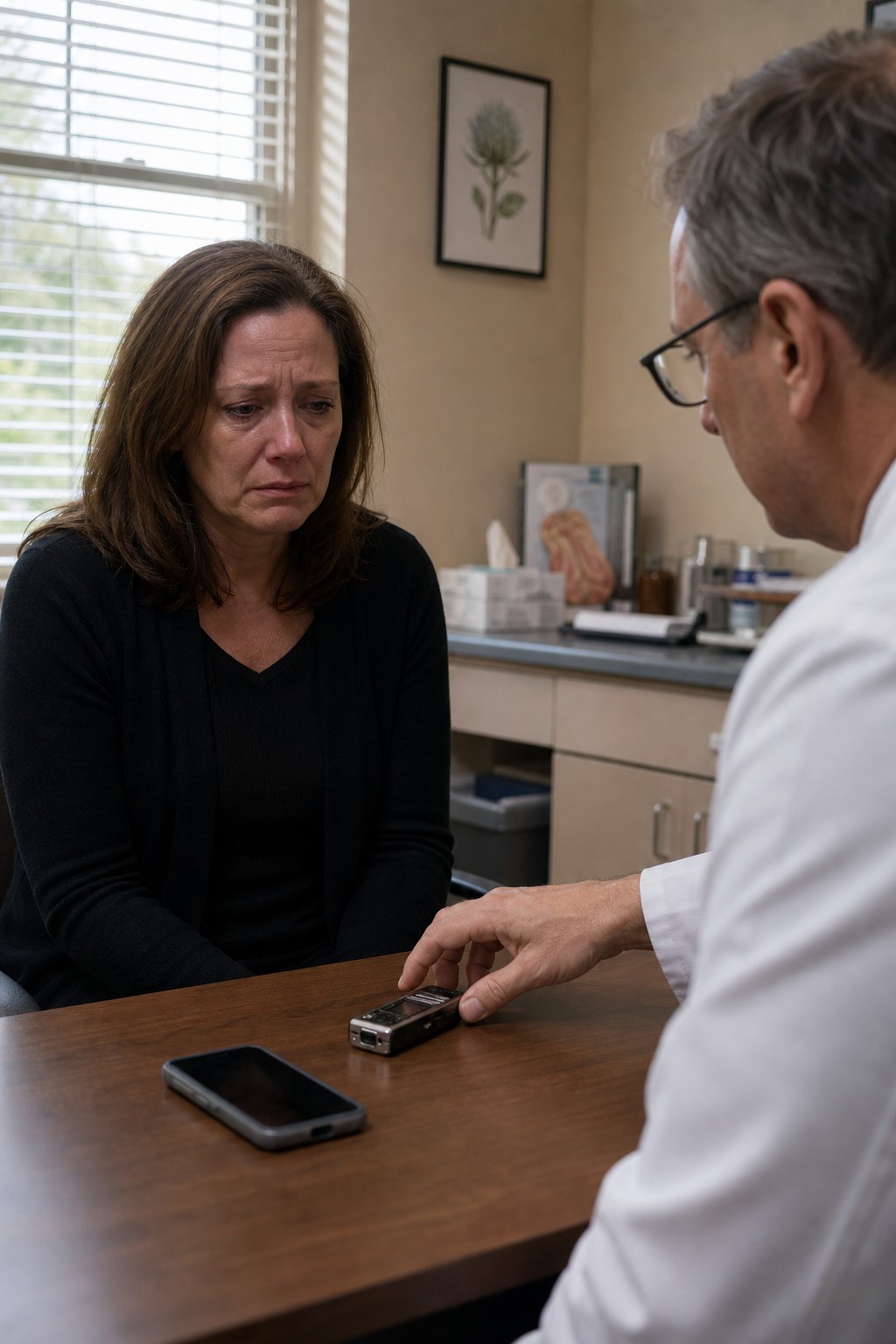
Then one detective asked a simple question that shattered Mia's composure.
Who had access to my laptop?
Mia started crying before anyone accused her directly.
She admitted that our father told her to copy my saved passwords while I was downstairs greeting guests. He promised her a car, college money, and a future that would be secure if she helped him move the inheritance quickly.
"I didn't know they were going to take all of it," she sobbed.
That was the first moment I realized Mia had not been treated like a daughter in this plan. She had been treated like a tool.
The Account Hidden in My Sister's Name
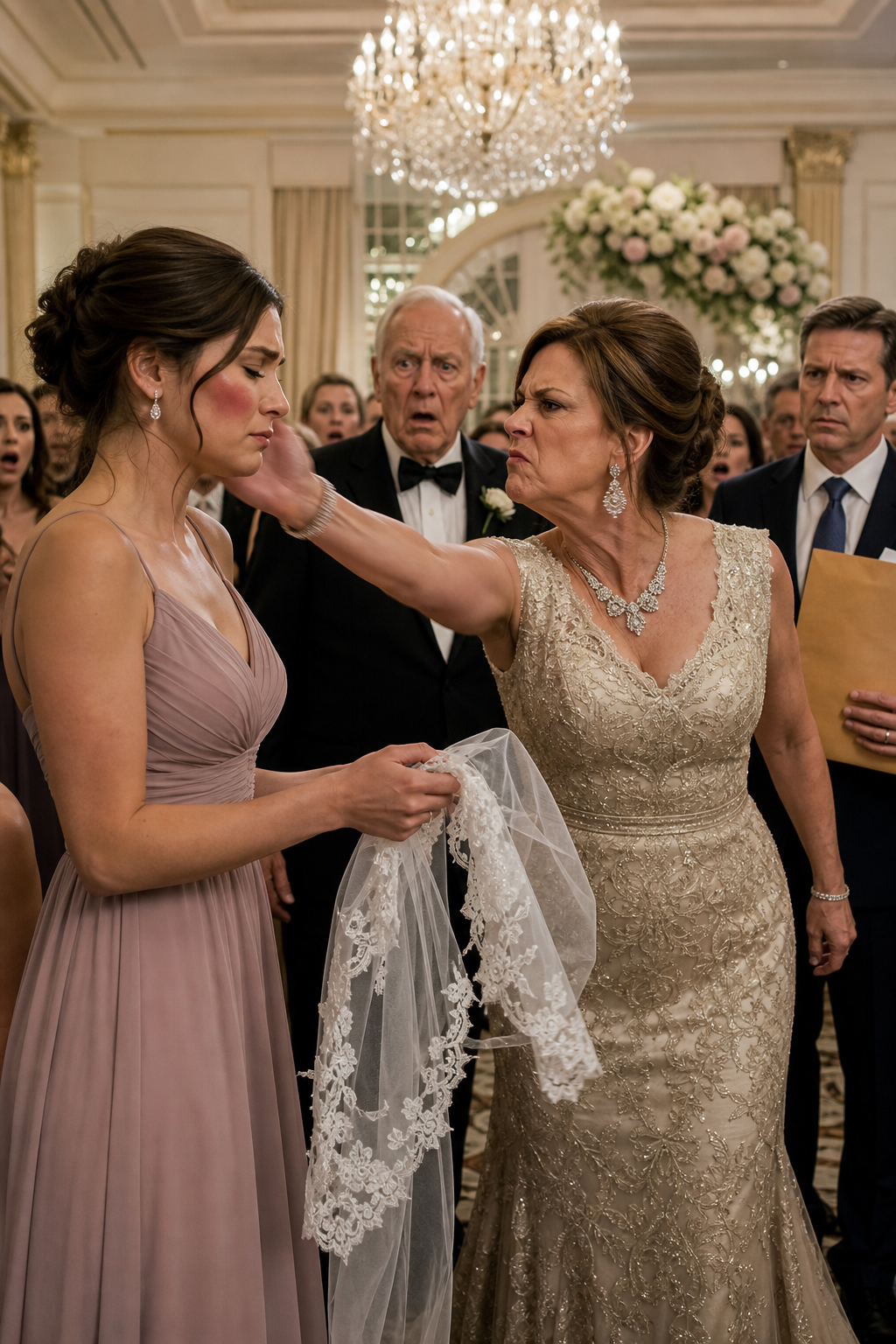
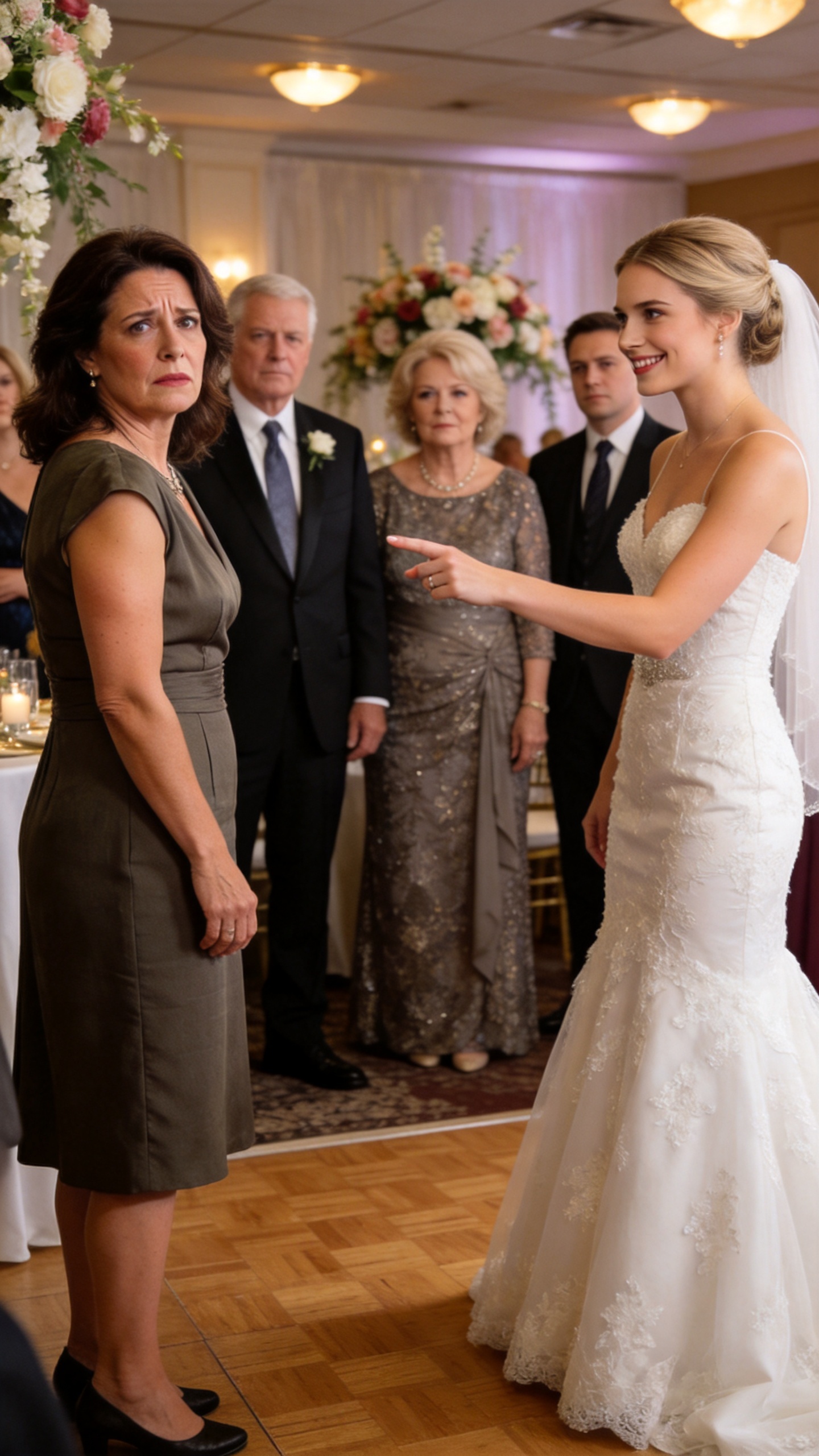
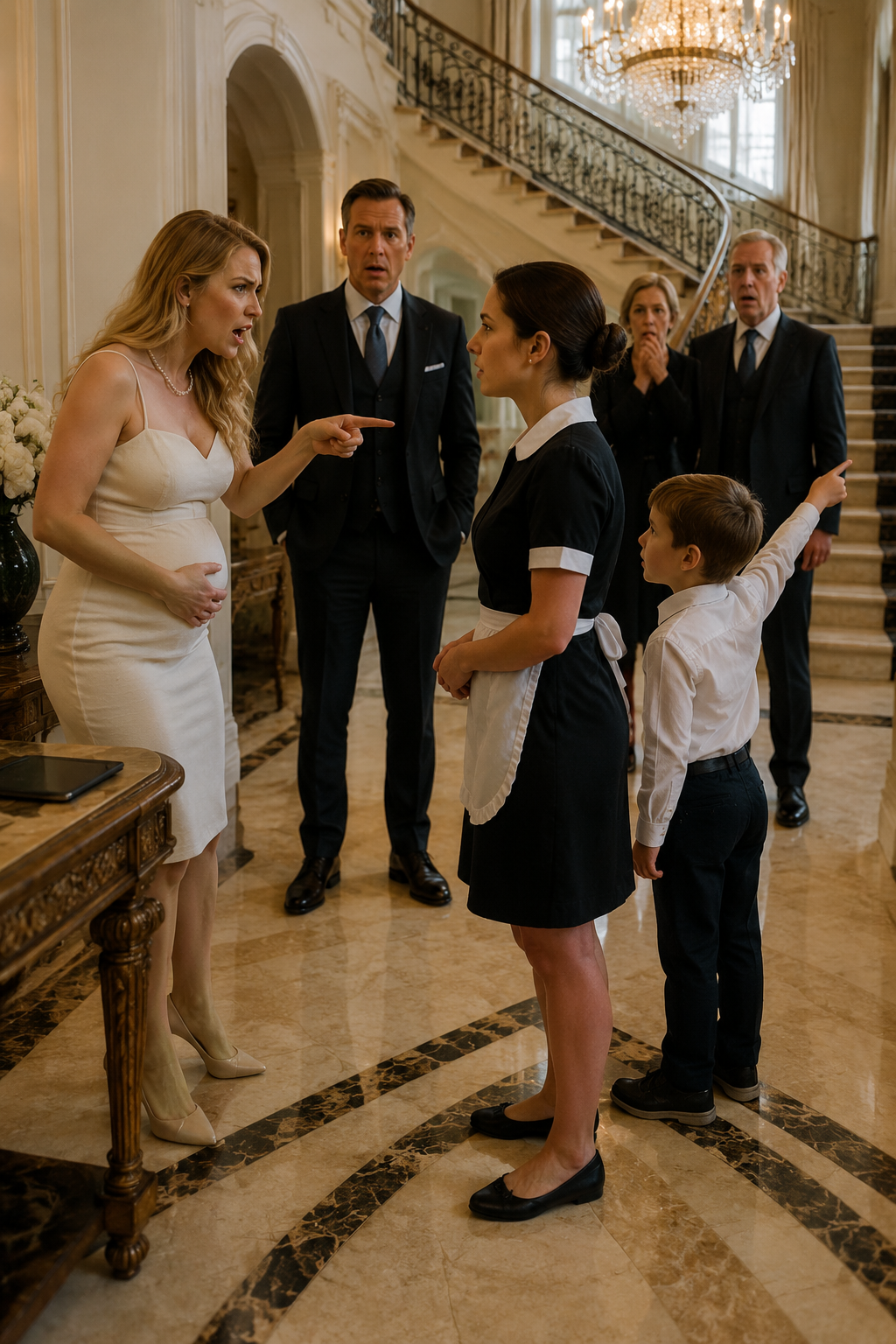
My mother lashed out at Mia instantly, calling her a liar and knocking the folder from her hands.
That reaction turned out to be one of the worst mistakes she could have made.
The detectives found my debit card in my father's desk, a photocopy of my passport in my mother's purse, and a notary stamp locked in a drawer.
But the bigger discovery came from paperwork Olivia recognized immediately.
An account had been opened in Mia's name when she was eleven.
At first Mia said she did not understand what she was looking at. Then Olivia showed her the administrator history and the transfer records.
Some $380,000 had already flowed through that account from estate distributions my grandparents intended for my education and care.
The money had been routed out again under fake expense labels: summer programs we never attended, medical treatment we never received, tuition payments that never went to any school.
My grandfather had suspected something was wrong years earlier. That was why he stopped trusting my parents with the final inheritance and why he made sure I could reach Olivia without them knowing.
It also meant the theft did not begin on my eighteenth birthday.
It had started before my grandparents' estate was even settled.
Mia looked physically sick when she understood that her name had been used to hide the scheme.
Then a detective opened my father's laptop and found a draft email scheduled to send after the guardianship hearing.
One line in it made Mia go white.
"Once Ava is declared incompetent, liquidate the trust challenge fund first. Mia knows enough to become a problem."
Mia whispered, "They were going to blame me."
The Collapse of My Parents' Story
After that, the story my parents had rehearsed fell apart fast.
The psychologist's letter turned out to be built from a downloaded template.
The largest planned transfer was tied to my father's company. Another payment trail led back to purchases my mother wanted to make immediately after the party.
The detectives photographed everything.
No one in that house was celebrating by then.
By afternoon, the guardianship petition was already unraveling. By evening, my parents were no longer speaking like people who controlled the future.
They were speaking like people trying to outrun evidence.
The formal process took time, but the outcome did not change.
My father eventually pleaded guilty to attempted theft, forgery, and related financial crimes.
My mother tried to claim she had simply followed his lead, but the account records and emails proved she was an active part of it. She also entered a plea and was ordered to pay restitution.
The notary who helped create the fraudulent paperwork lost his license and faced charges of his own.
Mia was placed into a juvenile diversion program and cooperated with investigators.
I did not forgive her quickly.
But I understood, maybe before she did, that she had been raised in the same machine that almost swallowed me too.
What the Money Finally Gave Me
For months after the investigation, I flinched whenever a phone rang too early in the morning.
I still expected someone to burst into my room demanding access to my life.
Olivia handled my trust the way my grandfather must have hoped she would: carefully, without drama, and without letting guilt decide policy.
She paid my college expenses directly.
She required financial counseling before any discretionary distributions.
At first I hated that. It felt humiliating after everything I had survived.
Later, I understood it for what it was. Not control. Protection.
I enrolled at Boston University, rented a small apartment, and learned how to make decisions no one could override with shouting.
The first personal purchase I ever made from an approved distribution was a used piano that looked a little like the one in my grandparents' living room.
A year later, Mia came to visit me.
We sat in my apartment and played the duet our grandmother used to love. Neither of us said everything we were thinking, but for the first time, silence did not feel dangerous.
I used to think the inheritance was the center of this story.
It wasn't.
The real gift was that my grandfather understood the danger before I did and left me a way out.
By the time I truly grasped his warning, the trust had already protected more than money. It had protected my right to decide what kind of life, and what kind of family, I would build from there.
That was the morning my parents came for my future and lost it instead.
And that was the morning mine finally began.