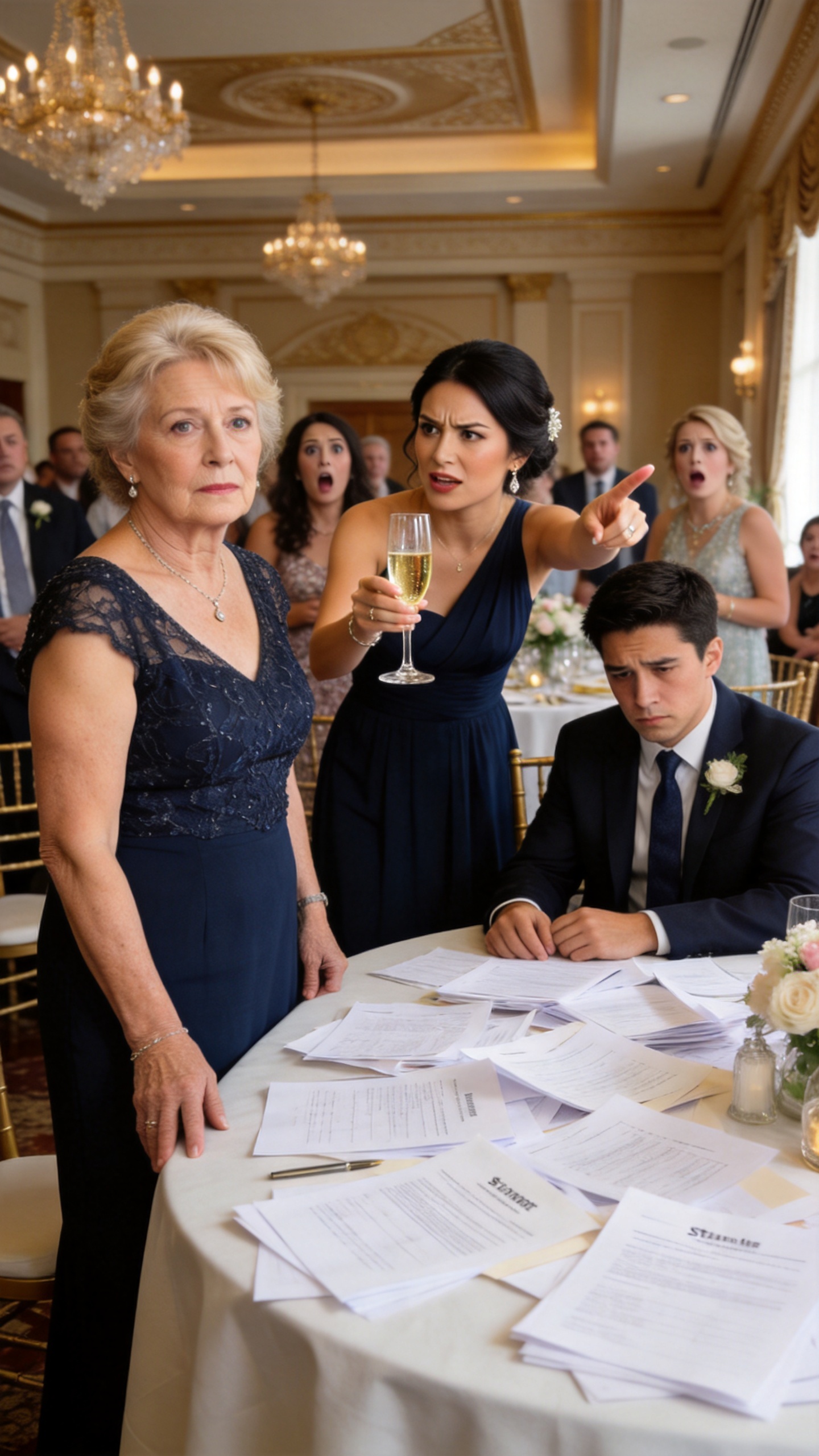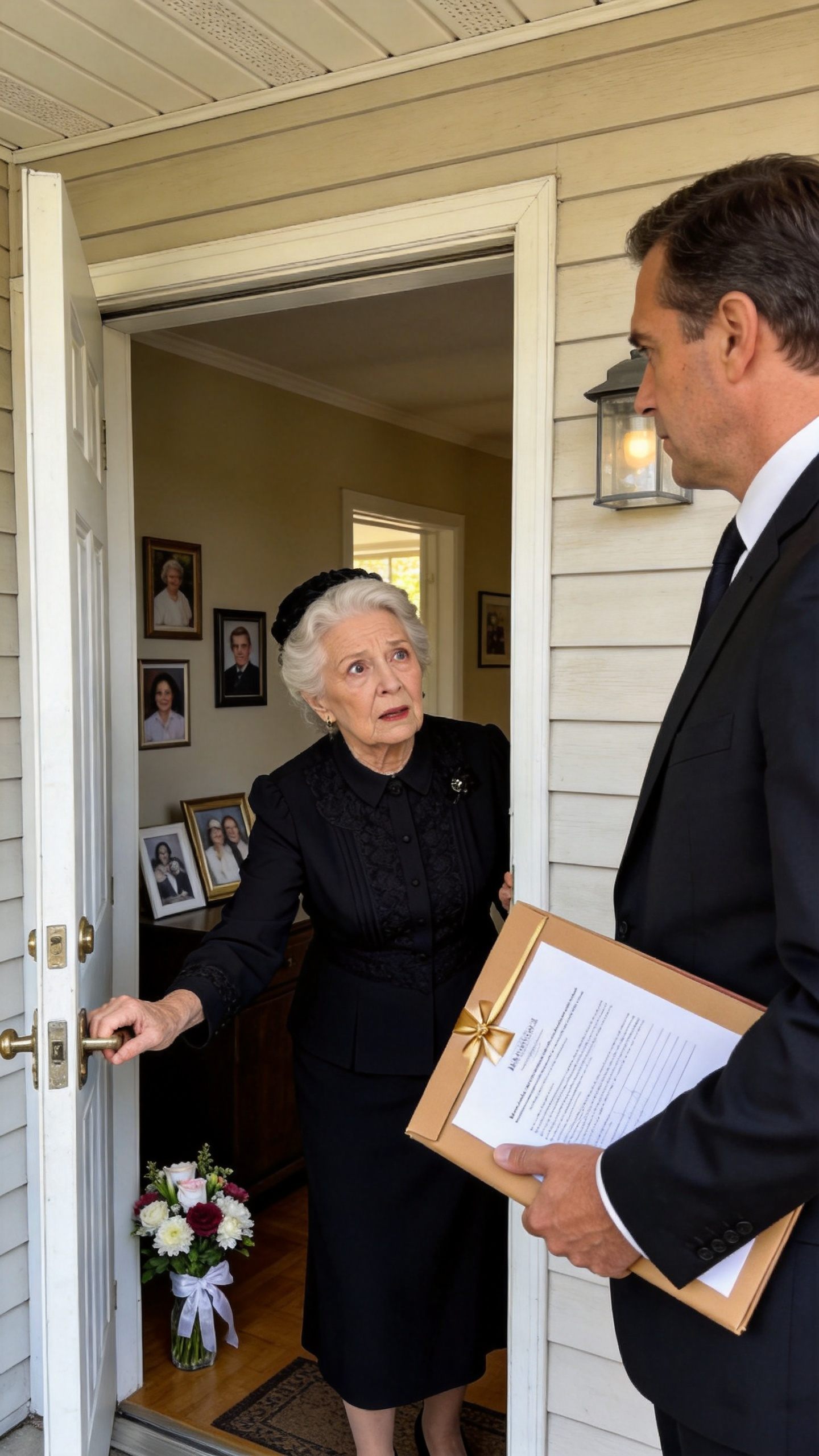
My daughter texted me while I was sitting at the bank, ready to transfer $25,000 for her honeymoon. “You’re not invited to my wedding,” she wrote.
The Moment They Thought I Would Stay Quiet
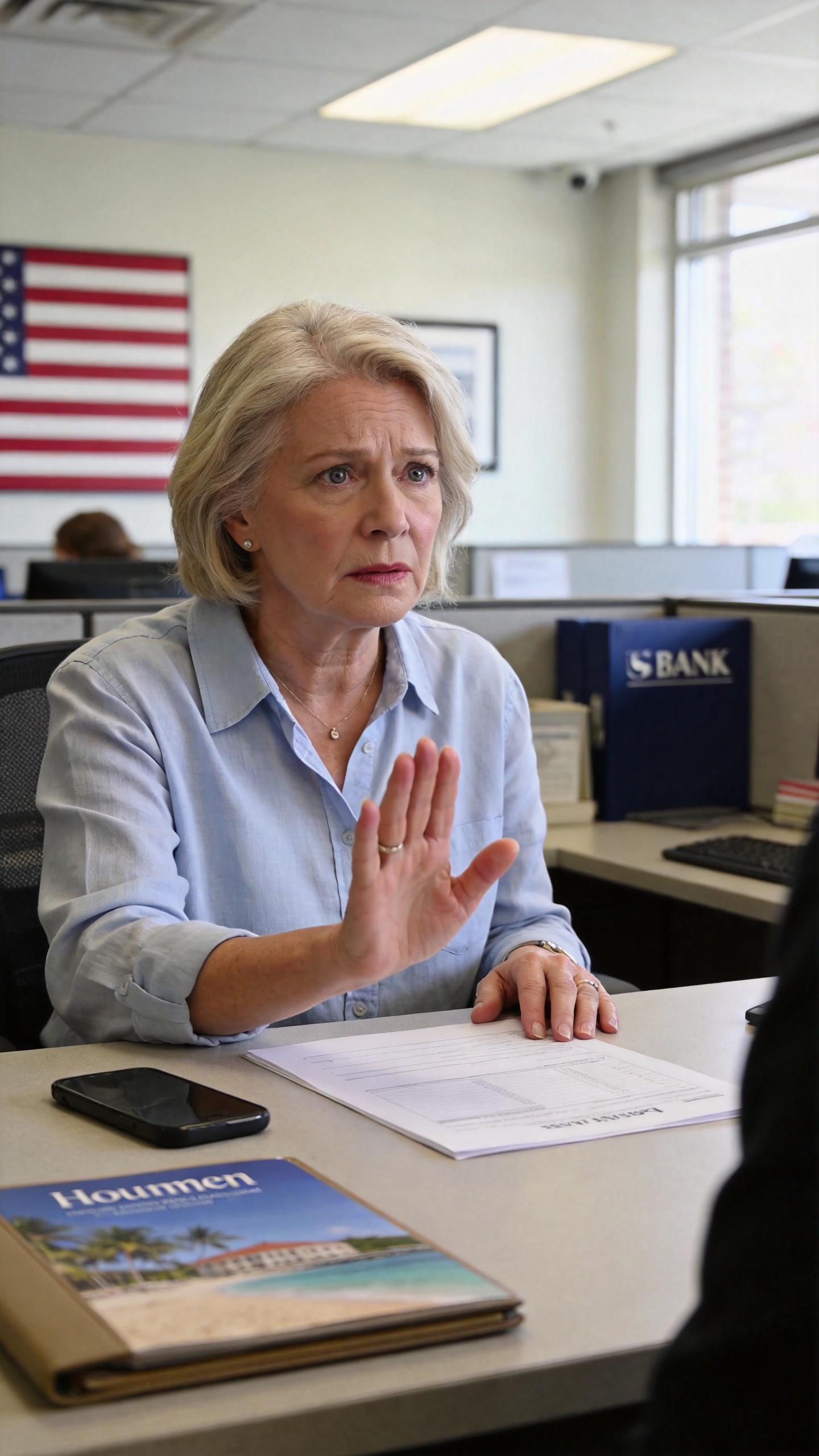
Helen Brooks sat at the First National Bank, eyeing the transfer form in front of her. It was for $25,000, meant to be sent to a travel agency for her daughter Claire's honeymoon in the Maldives. Claire had been dreaming of those islands since she was a kid.
The teller had already verified the account details. All Helen needed to do was sign. Then, a text from Claire popped up on her phone. "You're not welcome at my wedding. My fiancé can't stand you."
Helen didn't cry or drop her pen. As a retired civil engineer, she'd learned to stay calm when things went awry. She measured stress, calculated weight, and looked for signs of trouble. Those eleven seconds had her reliving 29 years of motherhood.
She remembered holding Claire's hand at her father's funeral. Helen folded the transfer form, put it in her purse, and stood up. "Everything's clear now," she said quietly.
Helen was 68, a widow, and financially stable. She'd built her engineering firm, Brooks Infrastructure Consulting, from the ground up. In 1989, she'd started in a small office above a dry - cleaner. By 2015, it had 40 employees and state contracts.
She sold it for enough to live comfortably.
But no one would know from her appearance. She drove an old Subaru, wore simple linen shirts, and kept her silver hair in a blunt style she'd had for ages. The only jewelry was her late husband's wedding ring on a chain around her neck.
Robert, her husband, had been a history teacher. He was a gentle man who believed every meal should have a story. He'd died 12 years ago in the garden, tending to the roses. After that, Helen raised their 17 - year - old daughter alone.
Taking care of Claire was how Helen showed love. She paid for tuition, fixed emergencies, repaired her car, and was always there. She never sought praise, believing love was about being there before being asked.
For years, Helen and Claire were close. Then Claire met Derek. He was charming and polished, but there was something off. At their first dinner, he admired her house but seemed to be sizing up its value.
He called her firm "a little business" and talked big about his real - estate ventures without details.
When Derek asked her to co - sign a $150,000 business loan, she eventually agreed. She asked to see his financials, but he never sent them. Instead, Claire called and accused her of making him feel interrogated.
Helen told herself she was supporting her daughter's future.
Derek soon moved Claire three hours away. Her calls went from weekly to monthly, and visits became rare. She started using words that didn't sound like her. When Helen worried about Derek's finances, Claire said, "He says you use money to control people.
" Helen could hear Derek's voice.
Then Helen met Derek's mother, Diane. Diane was elegant and well - rehearsed. At brunch, Helen overheard Diane tell Derek, "She has more money than she shows. Be patient."
Helen paid the $40,000 wedding - venue deposit when Derek's application was declined. She also kept the $150,000 business - loan guarantee.
Helen Brooks had been quietly funding a $200 - a - month grocery account for her daughter, Claire. One morning at the bank, she was all set to transfer $25,000 for Claire's honeymoon. In total, she'd put more than $215,000 into Claire's life.
Then the text came. “You're not invited to my wedding,” it read. Helen was shocked.
When she got home, out of habit, Helen made two cups of tea. Her husband, Robert, had passed away twelve years ago.
That evening, Helen called her best friend, Diane. Diane listened in silence. Helen knew that meant she was furious. “What are you going to do? ” Diane asked. “I have to think like an engineer, not a mother,” Helen replied.
“You've spent your life building bridges,” Diane said. “You can spot a failing one. ” Helen agreed. “Running onto a collapsing bridge won't save it. I'll stop maintaining it. ”
The next morning, Helen called her attorney, Sandra. She asked Sandra to change the primary beneficiary from Claire, create an engineering scholarship in Robert's name, cancel the wedding venue, and withdraw support from Derek's business loan.
Sandra warned her that without the guarantee, the bank would check Derek's finances. “If he can't support the loan alone, it might be called in,” she said.
Three days later, Helen signed all the documents. She wasn't taking anything from them. She was just stopping what she'd been giving.
Helen drove to Ridgeline Barn to cancel the wedding deposit in person. The manager, Paula, checked the contract. The whole $40,000 had been paid in Helen's name. “The groom called last week,” Paula said. “He asked if the deposit was refundable.
” Derek had tried to get her money before banning her from the wedding.
A week later, Helen's former business partner, Ed, contacted her. His son worked at the bank and saw Derek's loan file. Derek had hidden $85,000 in debt and another $30,000 in failed investments. He'd asked Helen to risk her credit while hiding all this.
Helen sat at her drafting table and wrote three questions. Claire and Derek thought Helen was just a quiet old woman with a small house and an old car. They didn't know her network of attorneys, contractors, and bankers. But Helen didn't need to attack them.
She just needed to stop protecting them.
After Sandra withdrew the guarantee, the bank reviewed Derek's loan. He had 90 days to repay $150,000 or provide non - existent collateral. He called Helen for the first time in months. She let it go to voicemail. “You're making a big mistake,” he said.
“Claire will never talk to you again. ”
A few days later, Claire's mother, Carolyn, started posting vague messages online. “Some mothers think love has a price,” she said. Claire's college roommate, Diane, started saving screenshots. Carolyn thought she was getting sympathy.
Helen thought of replies but sent none. Anger wouldn't write for her.
The Proof They Never Saw Coming
Helen Brooks learned something from her friend Brenna. Derek and Joselyn had the same kind of phones with the same passcode. One afternoon, in front of Brenna, Derek accidentally picked up Joselyn’s phone.
In the sent folder, Brenna saw the message that banned Helen from the wedding. It was sent at 2:47 p. m. But at that time, Joselyn was in a salon. A photo with a timestamp showed she was sitting in the chair with her hands under the stylist’s cape.
She couldn't have typed the message.
Brenna showed the evidence to Joselyn. Joselyn said she didn't know what to do. Helen wasn't sure what hurt more. Instead of paying for the honeymoon, she started the Robert Weber Engineering Scholarship.
She used the $25,000 she was going to give for the honeymoon and added another $25,000. The community college said the fund could help a few engineering students every year.
When the local paper announced the scholarship, the news spread fast in town. The honeymoon money was now helping students work for their futures, not being used for manipulation. Then Helen's neighbor Tom told her he saw Derek at his bar with another woman.