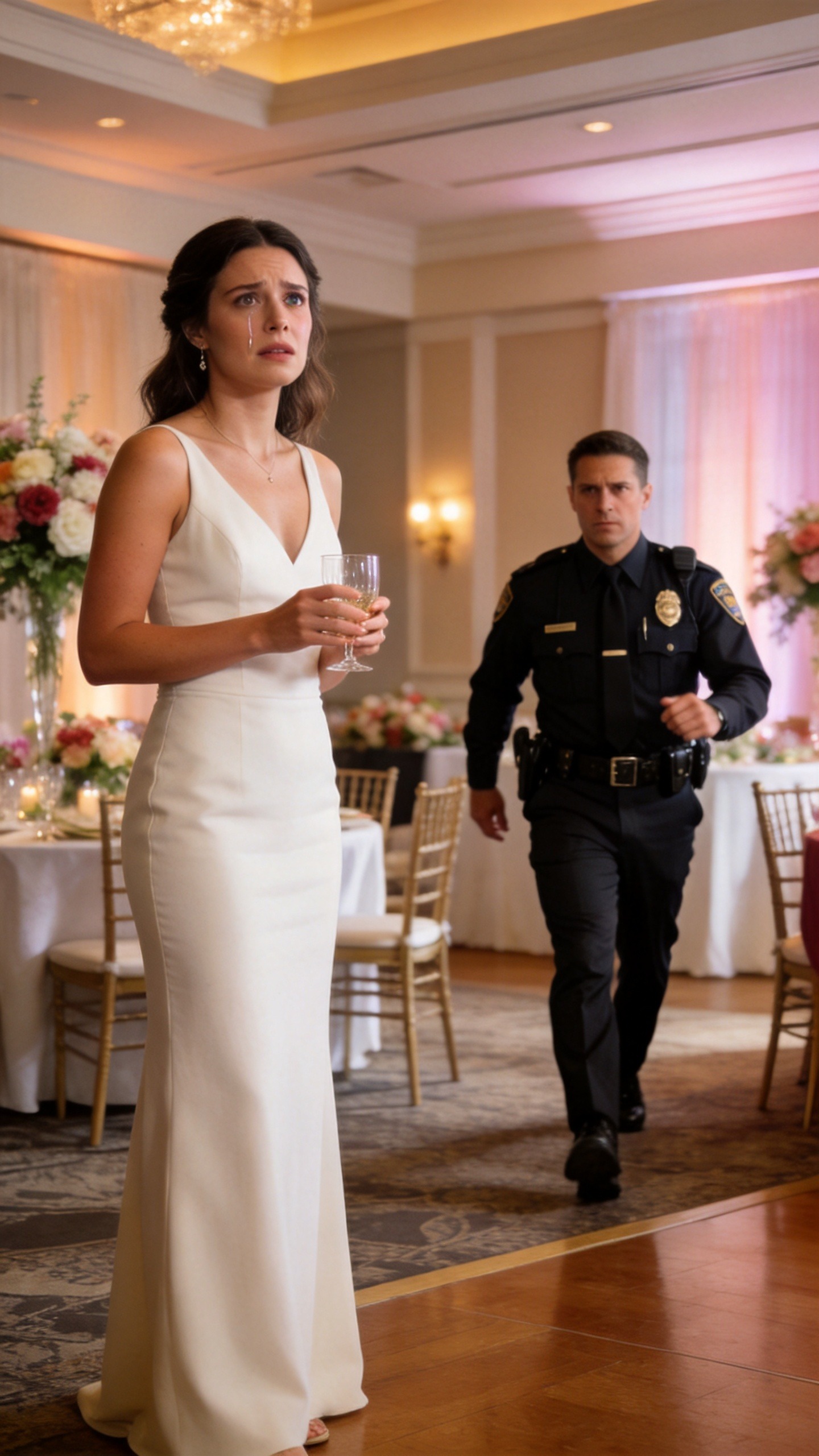
My Father Laughed And Told Me To Walk Myself Down The Aisle Because I Was Marrying A Nobody, While My Mother Sat In The Back Row And Watched
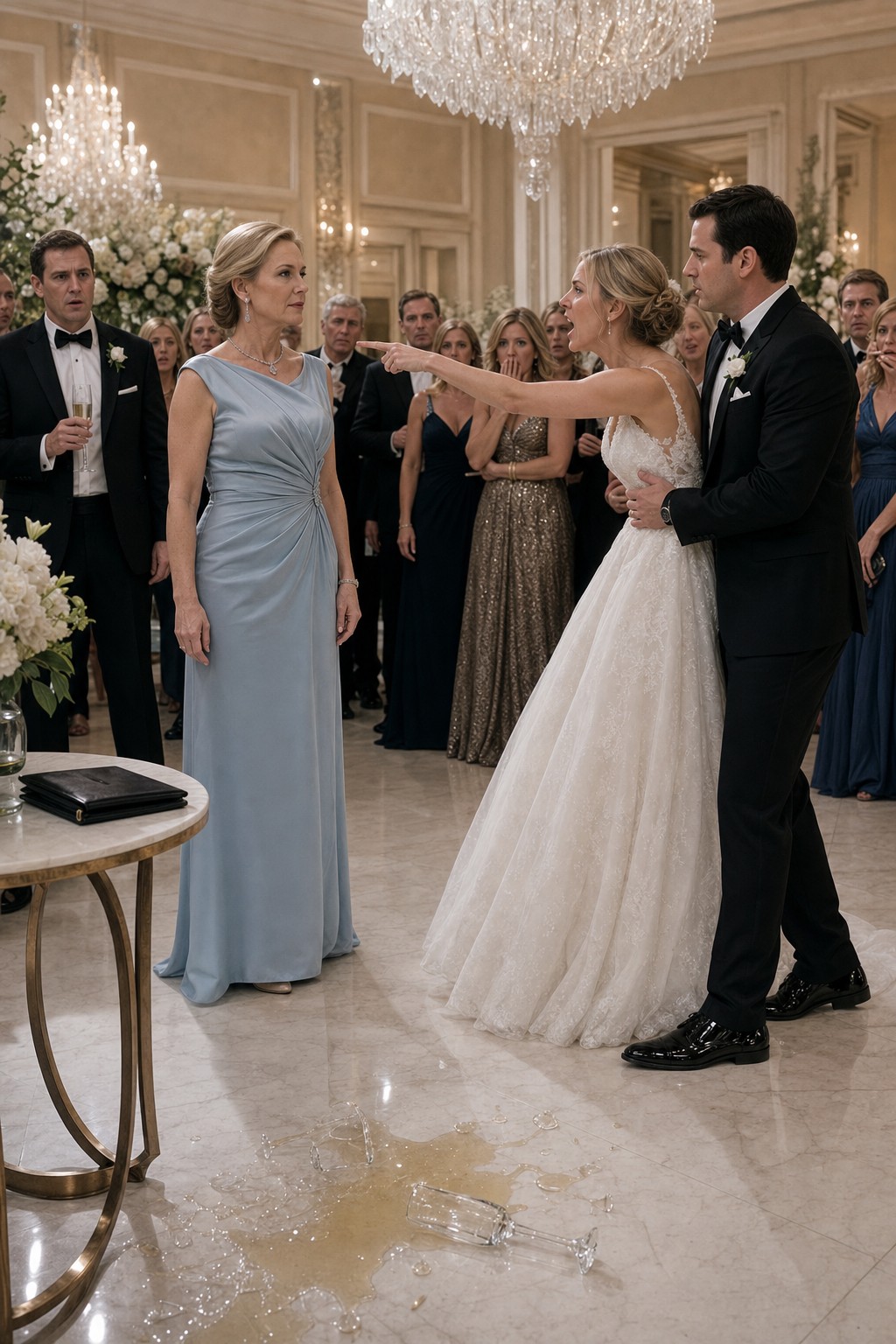
Now he stood outside, surrounded by investigators, trying to defend himself without the authority he had relied on all his life.
Ethan squeezed my hand once.
"Do you want to stop?"
There was no pressure behind the question.
That was one of the reasons I loved him.
He never trapped people with expectations. He offered a choice and trusted the answer.
I looked toward my mother. She remained standing now, one hand at her throat. Caleb sat bent forward with his elbows on his knees, staring at the floor. Through the open doors I could see my father arguing beside the state vehicle, his jacket tight across his shoulders.
Every instinct from childhood told me to run after him.
Calm him down.
Smooth the room over.
Apologize for chaos I had not created.
Instead, I looked at the people in gray.
They had not come to ruin my wedding.
They had come because Ethan had once stood beside them when no one else would.
My father had wealth, influence, and status.
Ethan had earned loyalty.
I turned toward Pastor Mitchell.
"Please continue."
Then I faced the altar and resumed walking.
Only this time, I was not alone.
Marcus and the others stepped to both sides of the aisle, forming an honor guard no one had planned. The woman with the graduation photograph pressed it to her chest. The veteran with the cane straightened. The retired judge bowed his head as I passed.
When I reached the altar, Ethan took both my hands.
"I should have told you sooner," he said.
"Yes," I answered. "You should have."
His eyes filled.
"But I know why you were afraid. You thought my father would make me choose."
I looked toward the chapel doors.
"He already did. Just not the way he expected."
The Vows After The Warrant
The ceremony was not graceful.
My mother cried through most of it. Caleb looked as though he wanted to disappear. Half the guests whispered behind their hands while the other half pretended nothing unusual had happened.
Then Ethan began his vows.
"Maya," he said, "I cannot promise you a life without hard days. I cannot promise people will always understand what we choose. But I promise I will never use love as a leash. I will never ask you to become smaller so I can feel stronger. I will stand beside you, not in front of you, unless you ask me to block the wind."
A tearful laugh escaped me.
My own written vows were tucked beneath the ribbon around my bouquet. I had rehearsed them until they sounded polished. Standing there, polished no longer mattered.
"Before I met you," I said, "I thought peace meant keeping everyone calm. I thought love meant earning approval. I thought family meant accepting whatever hurt came from the people who raised you. Today, I walked alone because someone wanted me to feel unwanted. But I reached you because you never made me feel alone."
At 3:42 that afternoon, Pastor Mitchell pronounced us husband and wife.
When Ethan kissed me, applause began softly, then rose until it filled the chapel.
My mother did not clap immediately.
She stood frozen, one hand over her mouth, watching me as if she were seeing me clearly for the first time.
Then she joined.
Outside, my father turned toward the sound.
Through the open doorway, I saw his face.
He looked smaller than I had ever seen him.
The reception felt like a house after a storm. Some of my father's business friends left early, mumbling about emergencies while avoiding my eyes. The people in gray stayed, careful and respectful, as if they understood the day had become delicate.
Marcus approached me near the cake table.
"I am sorry for the timing," he said.
"Did Ethan really save your son?"
His professional calm softened.
"Jordan was nineteen. Wrong place, wrong jacket, wrong witness. The public defender before Ethan told him to take the plea. Ethan stayed up three nights going through bus footage and found the real suspect stepping off at the next stop." He looked across the room at my husband. "My son is studying engineering now."
Ethan stood near his mother, smiling at something she had said.
His suit was not expensive.
It was not rented either.
We had bought it together, and he had worried about spending too much.
"Your husband is not flashy," Marcus said. "But he shows up."
Those words stayed with me longer than any wedding toast.
What My Father Lost
My mother found me outside an hour later.
The first thing I noticed was that she had removed her pearl necklace. She never attended formal events without those pearls because my father said they completed her appearance.
"Are you here to tell me I embarrassed the family?"
Her face folded.
"No," she whispered. "I am here to tell you I am sorry."
I did not know what to do with that.
She reached toward my hand, then stopped, leaving the choice to me.
"I should have stood up when he said that to you. I should have stood up many times."
Forgiving her immediately would have been easy.
Pretending years of pain could vanish with one apology would have been easier still.
But real wounds do not heal the moment they are acknowledged.
"You watched him humiliate me," I said.
She nodded.
"Yes."
"You let me believe I was difficult for wanting respect."
"Yes."
For once, she did not explain him. She did not ask me to understand his pressure or his childhood or his fear of losing control. She gave me the one thing she had withheld for years.
The truth.
"I am going to speak with an attorney," she said. "And with the investigators. If he used my charity work for fraud, I need to know."
Later, Caleb admitted the foundation had paid his condo deposit. He had believed it came from a bonus account. He had never asked questions because in our family, asking questions was treated like betrayal.
"I am going to tell the investigators," he said.
That was when I realized the day had done more than break something apart.
It had opened something.
The investigation continued for fourteen months. My father was formally indicted six months later on wire fraud, tax fraud, falsifying charitable records, and witness intimidation. He appeared on local television claiming political persecution. He accused Ethan of targeting a respected businessman out of bitterness.
Then the evidence came out.
Invented scholarship recipients.
Money routed through shell vendors.
Instructions telling employees to clean up records after Ethan started asking questions.
Before trial, my father changed his plea. He received a federal prison sentence and was ordered to pay restitution. The dealerships were sold. My childhood home was listed. My mother filed for divorce before sentencing.
Newspapers called it a dramatic downfall.
To me, it felt like an ending that had arrived years too late.
Ethan and I did not become magically happy because the truth had surfaced. I struggled with the fact that he had hidden the investigation. He struggled with knowing he had tried to protect me in a way that still left me blindsided.
We went to counseling.
We learned how to disagree without treating every hard conversation like a courtroom.
I learned how often I apologized for things that were not my fault.
Ethan learned that hiding the truth to protect someone could still make them feel betrayed.
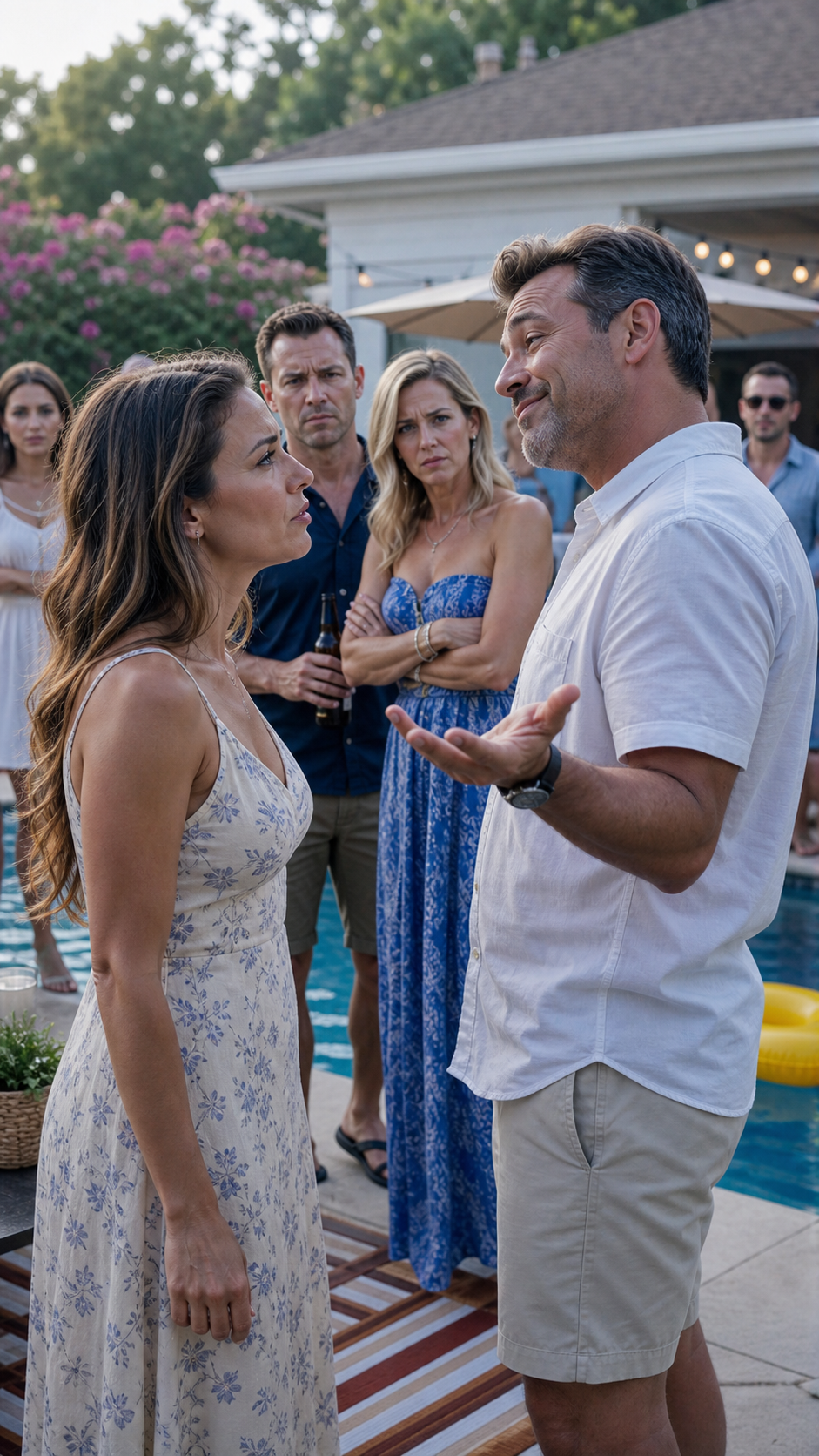
One year after the wedding, we invited a small group to our backyard. No oversized checks. No donors. No front-row performance. Just folding chairs, string lights, barbecue, and the people who had stood beside us when it mattered.
Marcus came with Jordan, who brought engineering textbooks because he had an exam. My mother brought flowers from the balcony of her new apartment. Caleb arrived early to arrange chairs. Ethan's mother made potato salad and cried when she saw the cake.
At sunset, Ethan tapped his fork lightly against his glass.
"I am not giving a speech," he said.
Everyone laughed because Ethan hated speeches.
"I just want to say that one year ago, Maya walked down the aisle by herself. But she did not walk alone after that. Not because of me. Because she chose truth over fear. Somehow, the rest of us got brave enough to follow."
Later, after everyone left, Ethan and I sat on the back steps while summer rain gathered in the air.
"Do you ever miss him?" Ethan asked.
I knew who he meant.
"Sometimes," I admitted. "Not the man he is. The father I kept hoping he would become."
For years, I imagined my wedding aisle would connect two families.
Instead, it became the line between the life I inherited and the one I chose.
My father wanted me to walk alone so I would feel insignificant.
But halfway down that aisle, the doors opened.
By the time I reached Ethan, I understood something I should have known long before.
Being rejected by people who value control more than love is not abandonment.
Sometimes it is the first honest step toward freedom.