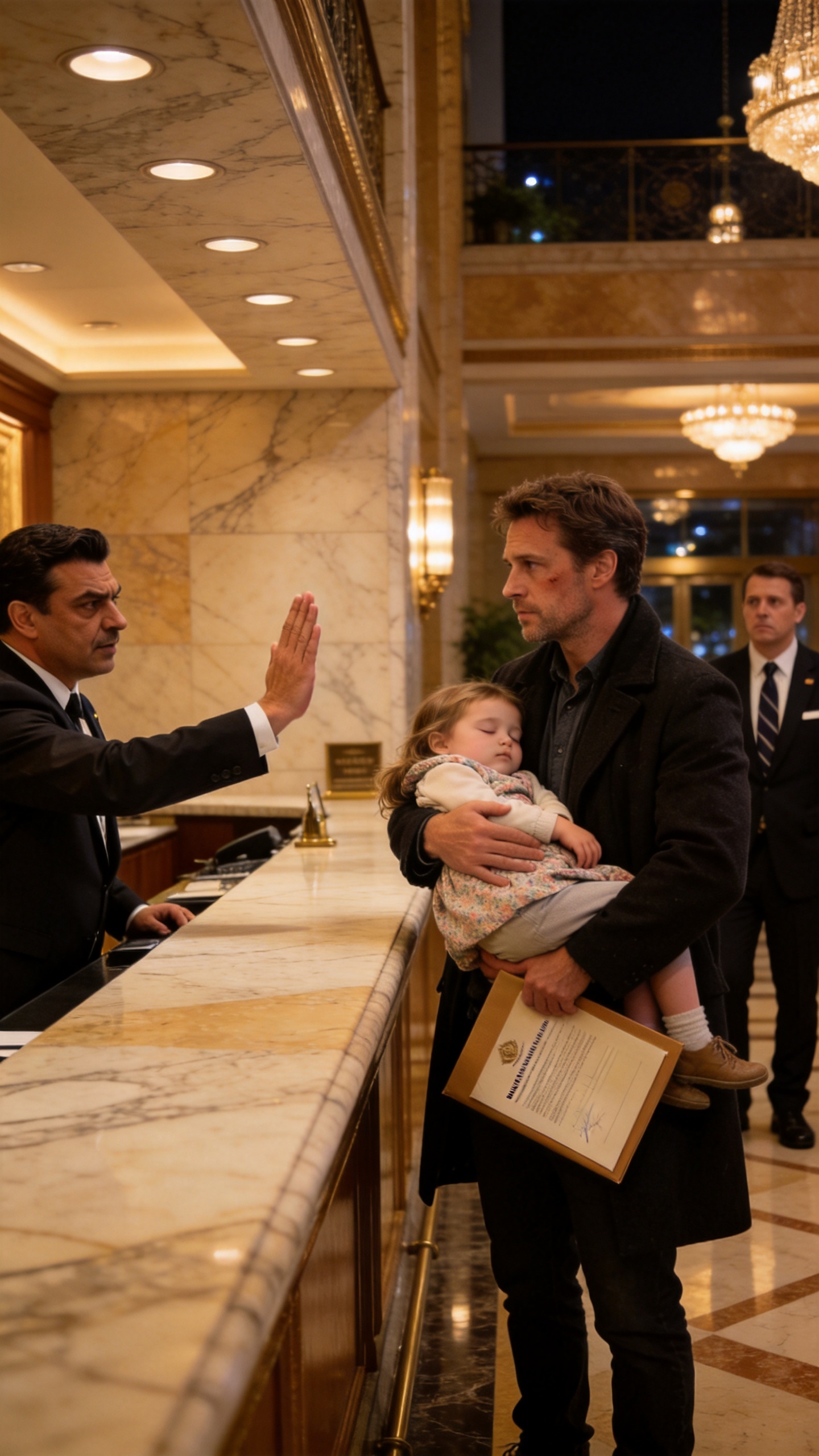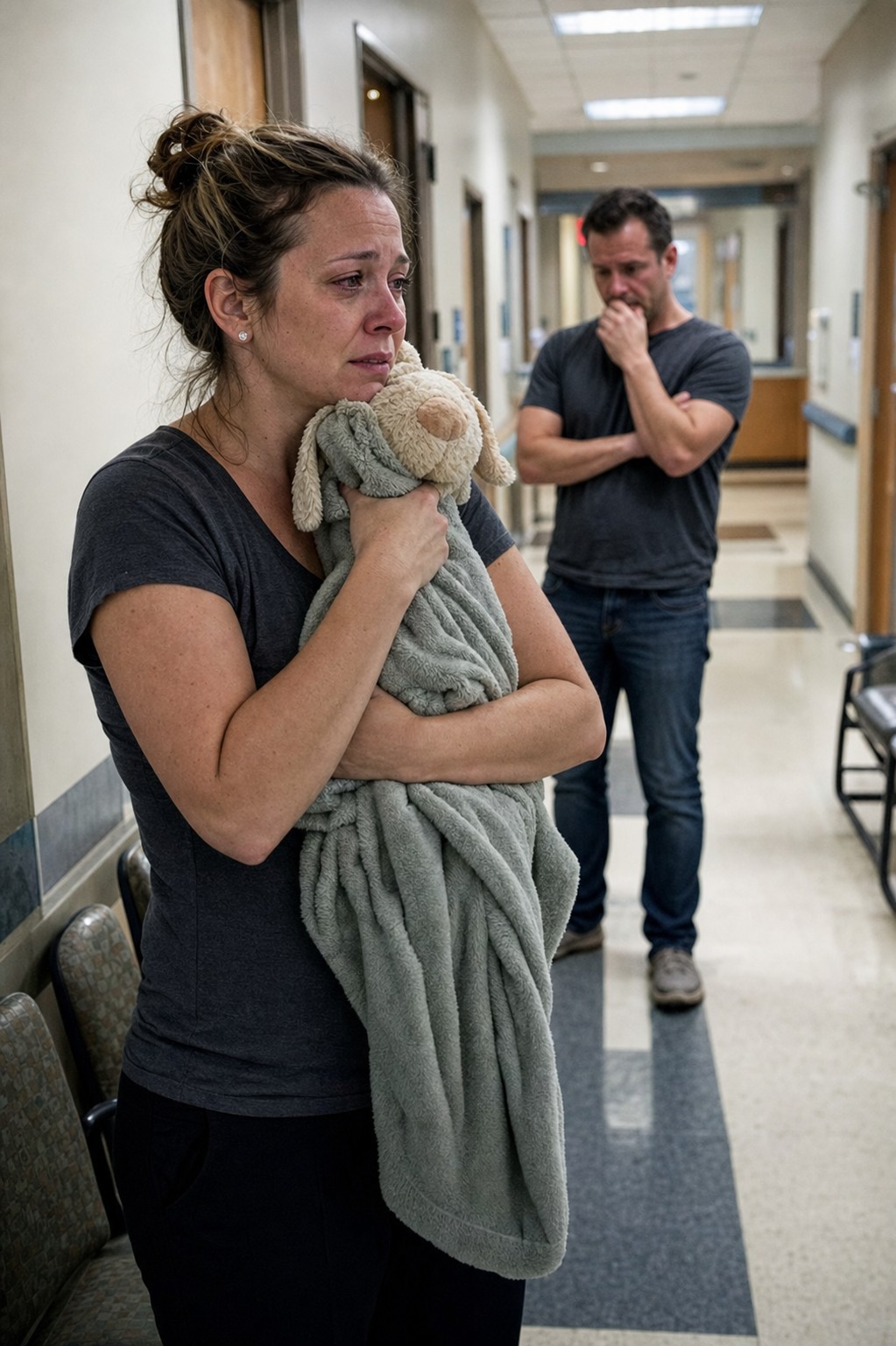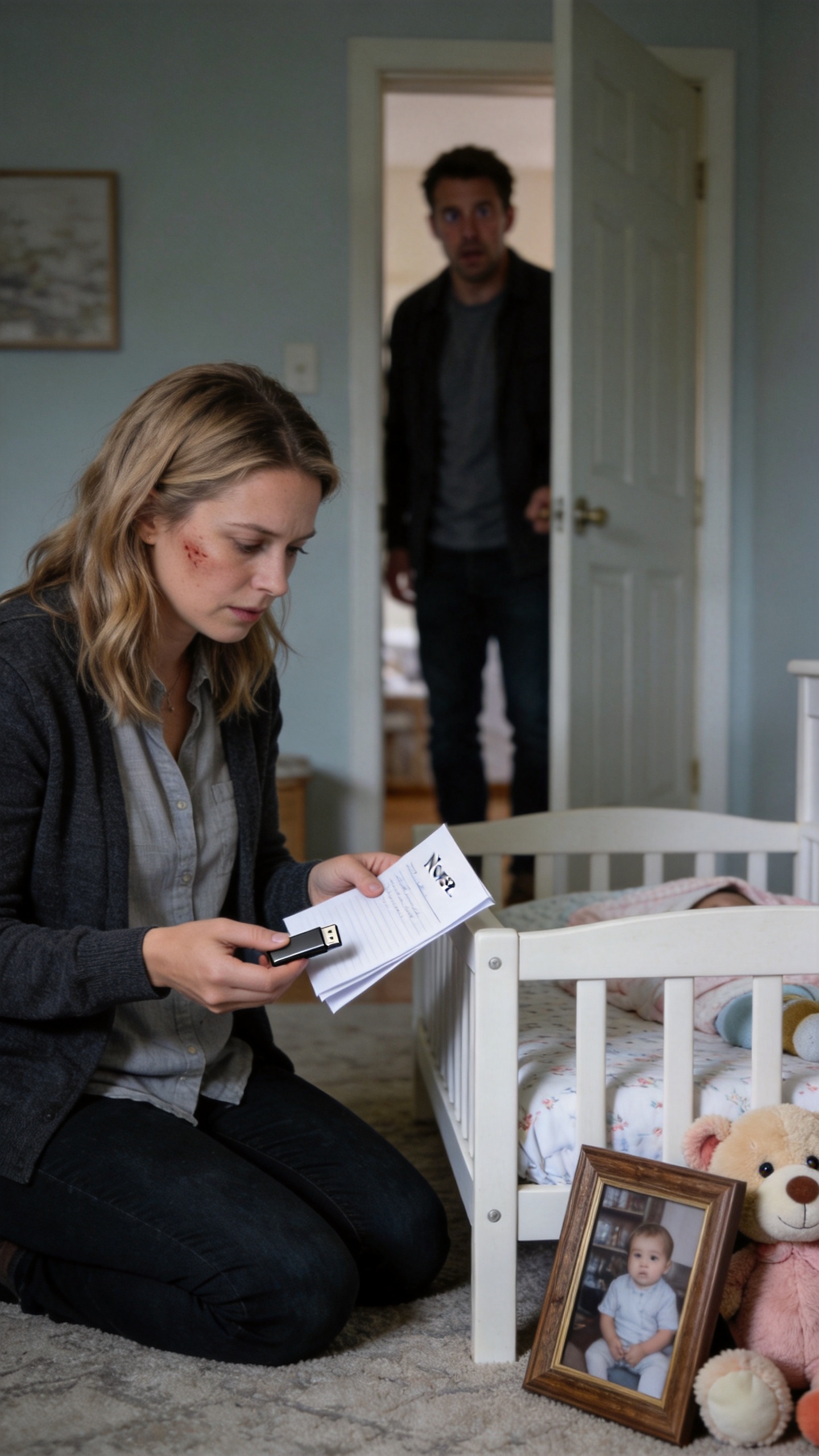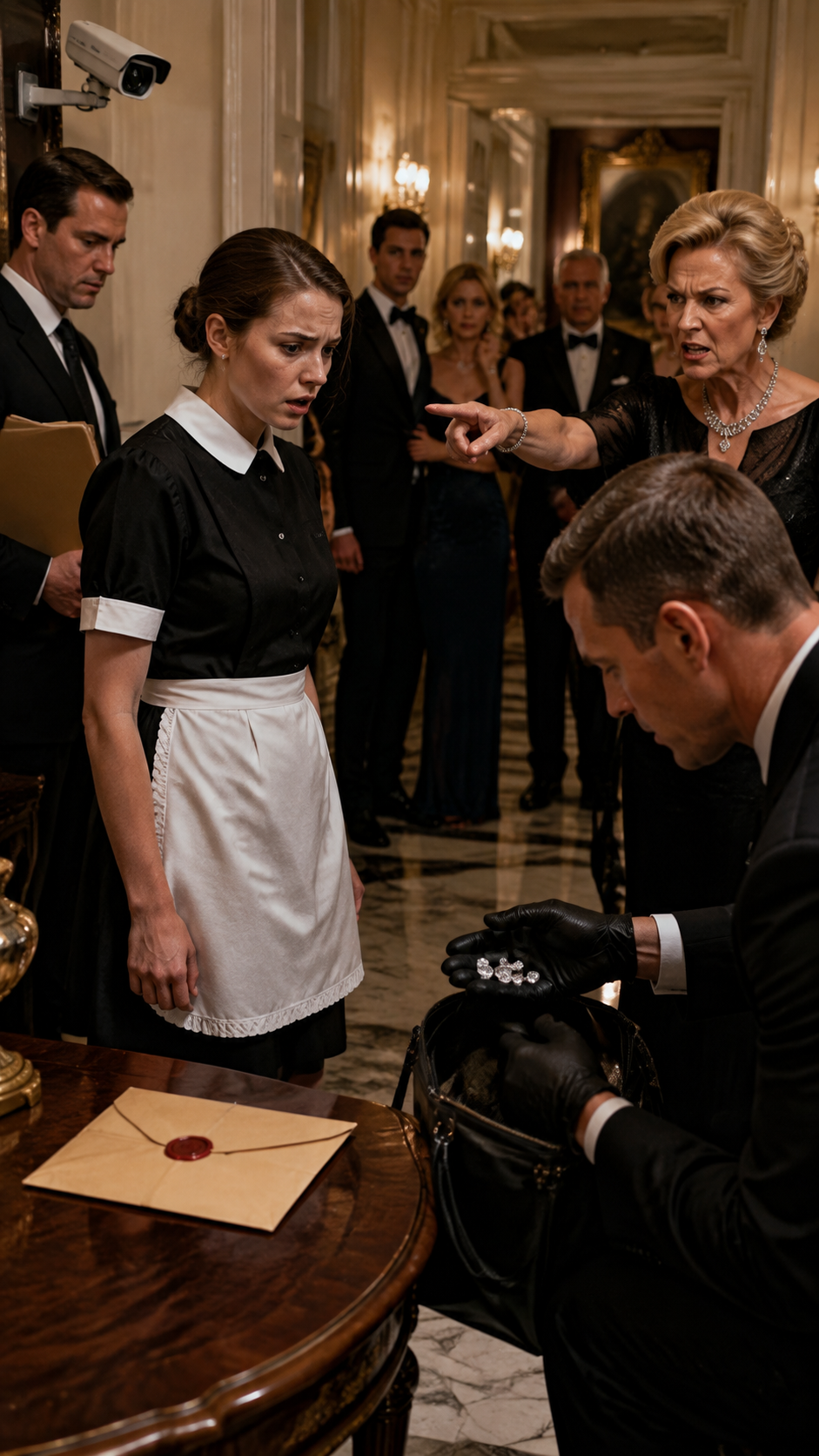
At My Sister's Wedding, My Mother Called Me "No Degree, No Future" In Front Of 200 Guests. I Raised My Glass And Said, "This Is The Last Time You Will Ever See Me." Then The JAG Lawyer Walked In
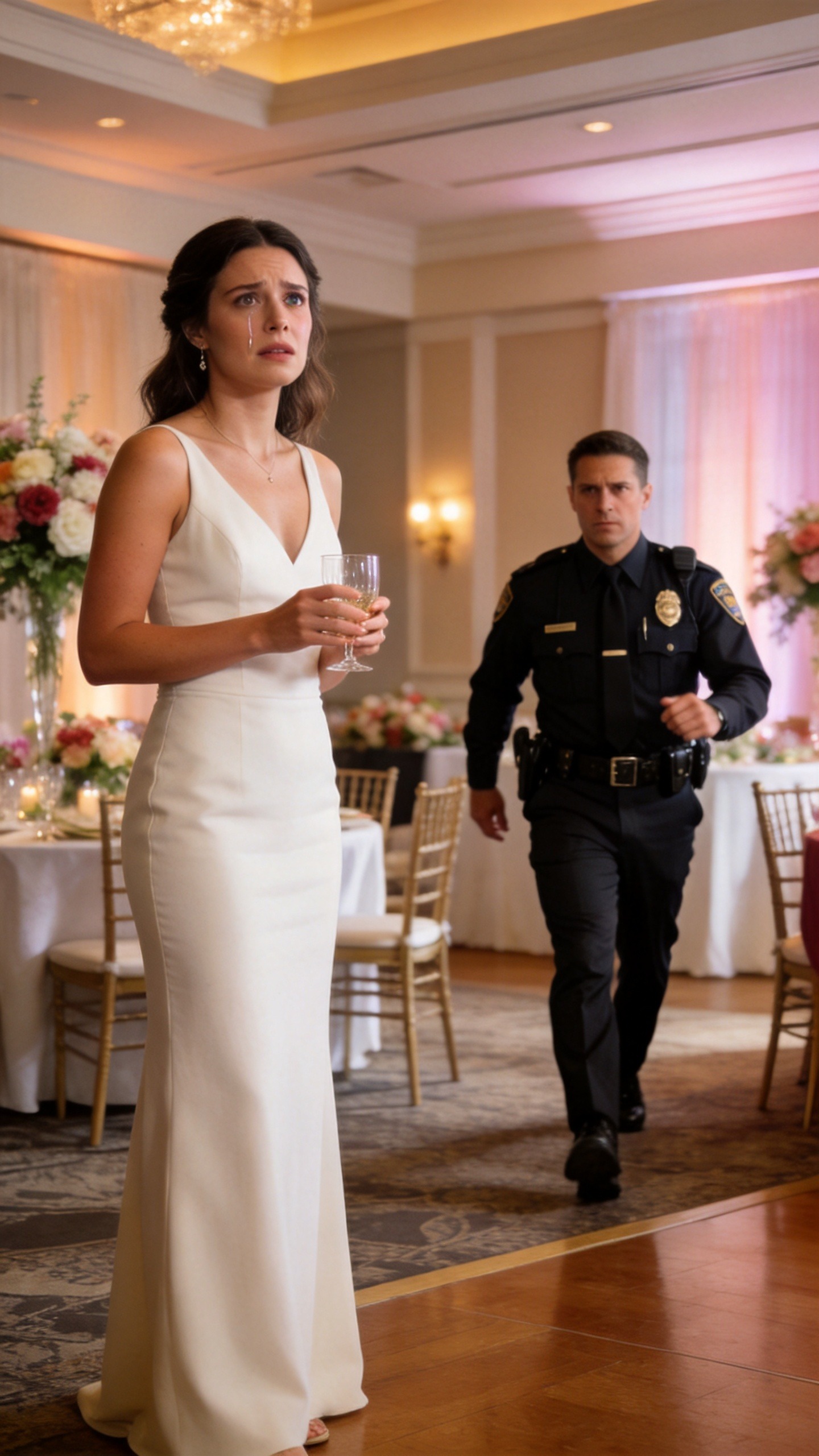
The Wedding Toast That Changed Everything
The spotlight hit my face before I knew my mother had turned the wedding into a trial.
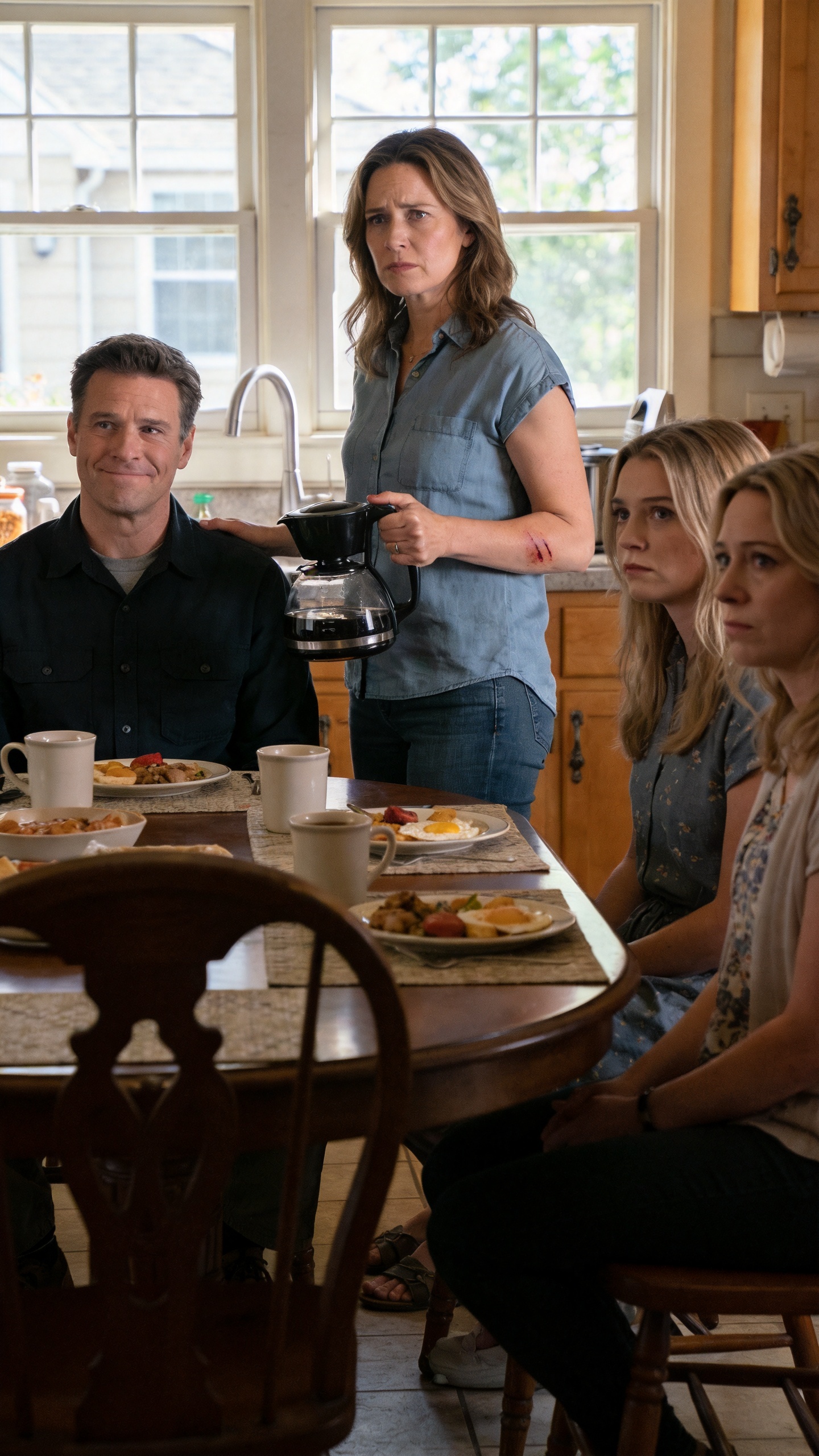
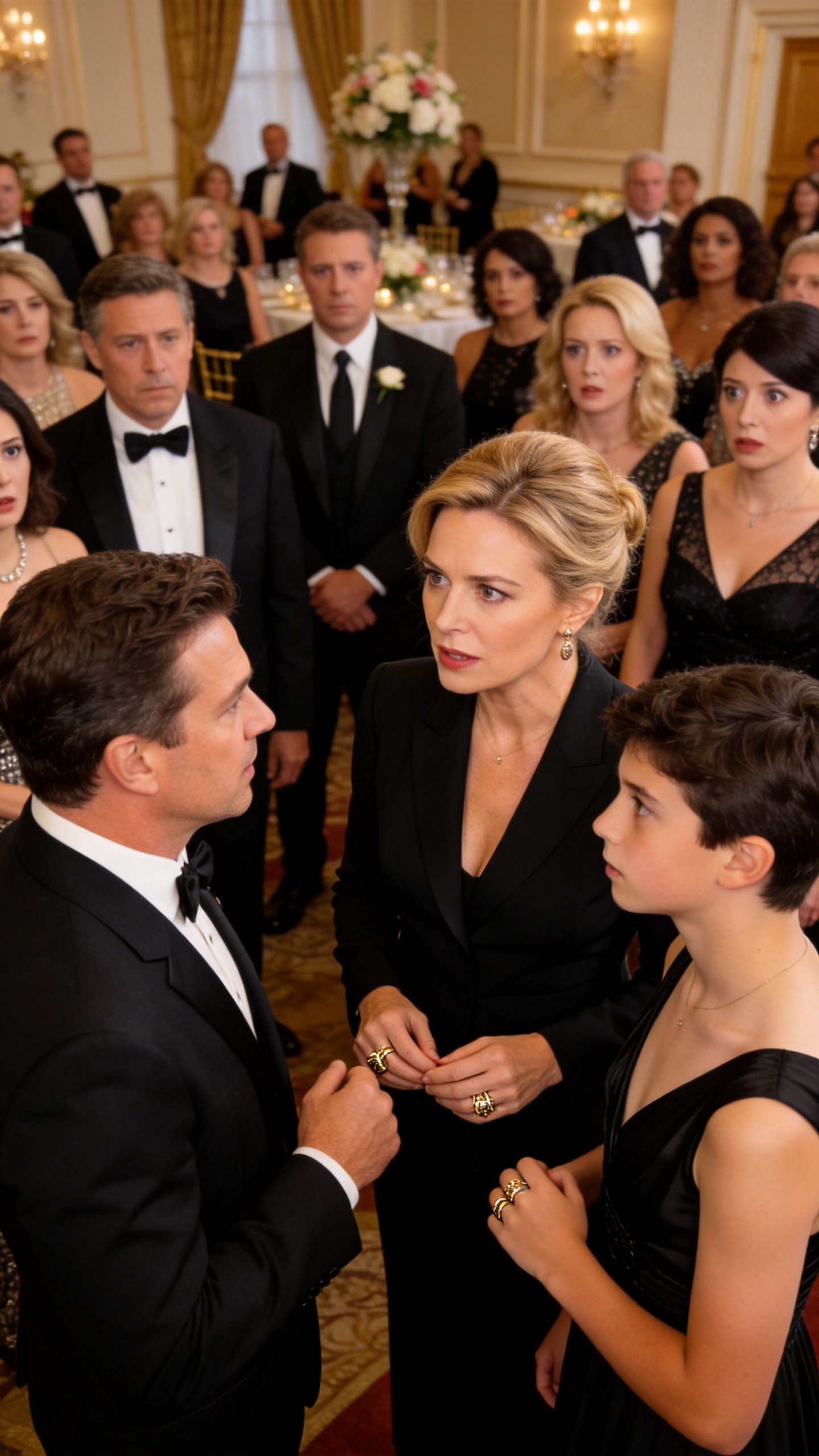
Two hundred guests sat beneath the chandeliers of the Fairmont Officers Club, champagne in their hands, smiles already waiting for permission.
My stepsister Brielle stood beside her new husband in a white gown that cost more than my first car. My mother, Marlene Vale, held the microphone like she had been born with a courtroom in her palm.
"And now," she said brightly, "we should all acknowledge my other daughter, Clara."
Every head turned.
I sat at the far corner table in my Army dress uniform. My ribbons were straight. My hands were folded. I had spent twelve years learning how to stay still while pressure tried to make me small.
Marlene smiled at me.
"Clara never did understand ambition," she said. "No degree. No future. Still living off the family name while the rest of us build something."
Laughter rippled across the ballroom.
My stepfather, Grant Sutton, lifted his glass.
"Every family needs someone to carry boxes," he added.
The laughter grew louder.
Brielle covered her mouth as if she were horrified, but her eyes shone with satisfaction. Her husband stared at his plate. A few officers at the neighboring tables went very quiet.
I felt the old memories move through me.
Birthdays forgotten on purpose. My father's study emptied before his clothes lost their smell. My academy application found torn in the trash. The education fund my father had promised me, suddenly "unavailable" when Brielle needed tuition.
I picked up my champagne glass.
I had not taken a sip all night.
"Cheers," I said.
My voice carried without the microphone.
The room softened, waiting for me to cry.
I looked at my mother, then at Grant, then at Brielle.
"To the people who taught me what love should never look like," I said. "And to the last time any of you will ever mistake my silence for weakness."
The glass touched the table with one clear sound.
Then I stood and walked out.
I made it to the parking lot before my hands started shaking.
The night air smelled of rain on hot pavement. My mother's perfume still clung to my uniform from the photographs she had forced me into before the ceremony. I gripped the door handle of my SUV until the metal stopped blurring.
My phone buzzed.
Lieutenant Colonel Dana Merrick's name lit the screen.
Dana was a JAG attorney who had helped me during my transition paperwork. For the past year, she had also been reviewing a set of financial records I had been afraid to believe.
Her first message was short.
Do not answer your family. Do not sign anything. Call me now.
The second message arrived before I could breathe.
The bank records came through tonight. Your mother did not just refuse to pay for school. Clara, she took the fund your father left you.
The third message made the parking lot tilt under my feet.
And we can prove where every dollar went.
The Fund My Father Left Behind
My father died when I was eight.
The last time I saw him awake, his hospital room smelled like bitter coffee and plastic tubing. He held my hand with the same fingers that used to fix broken cabinet hinges and braid my hair badly on Saturday mornings.
"Your future is taken care of," he whispered through the oxygen mask.
I thought he meant my mother would protect me.
After the funeral, Marlene performed grief in public and erased him in private. His photograph disappeared from the mantel. His military books went into boxes. His study became Grant's whiskey room within six months.
Grant arrived with Brielle right before my tenth birthday.
By Christmas, Brielle had a new bedroom, new clothes, and a private tutor. I had a card with my name spelled wrong.
Marlene said I was "sensitive." Grant said I was "difficult." Brielle learned quickly that a sad face in front of adults could turn me into the problem.
The only person who never let them rename me was my grandmother June.
She had been an Army nurse, and she had the calm voice of someone who had seen panic try and fail to become useful.
"Being ignored does not make you invisible," she told me once, while I hid in the coat closet during Thanksgiving. "It makes you observant."
"They don't see anything in me," I whispered.
"That is their failure," she said. "Not your identity."
When I turned twenty, I applied to commission through an Army program. I had the grades, the fitness scores, and a recommendation from my military science instructor. What I did not have was access to the education trust my father had promised.
Marlene called me into her office on a rainy Thursday.
Grant stood behind her desk with a drink in his hand. Brielle had just been accepted into a defense-management program that Marlene described as "the family legacy."
"There is no fund available to you," my mother said.
"Dad told me he made arrangements."
"Your father made unrealistic plans before he died."
"For me," I said.
Her face hardened.
"Money has to go where it produces a return. Brielle will help run the company. You want to march through mud."
Grant smiled.
"You could stay here, Clara. Answer phones. Maybe marry an officer one day."
He thought the closest I should come to a uniform was standing beside a man who had earned one.
I packed three changes of clothes, my father's dog tags, and Grandma June's phone number into an old backpack.
The next morning, I walked into a recruiting office.
The Army did not care who my mother entertained at dinner. It cared whether I could stand in the rain, learn the work, meet the standard, and keep moving.
Logistics suited me because I had spent my childhood studying what people tried to hide.
Bad inventories. Weak supply routes. Missing fuel requests. Leaders who smiled at reports they had not read.
I became good at finding the pressure point before the whole system failed.
During an overseas exercise, a storm washed out the main supply road. Senior planners argued over the obvious route for six hours. I found an old service road, split the loads across smaller vehicles, and kept three units supplied.
Colonel Victor Raines called me into his tent afterward.
"Who taught you to see weak points like that?"
I almost laughed.
"My family," I said.
The Call In The Parking Lot
When I called Dana from the wedding parking lot, I expected her to tell me to drive home and sleep.
Instead, she asked, "Are you still at the venue?"
"Outside."
"Good. Stay there."
"Why?"
"Because your mother and stepfather are inside a room full of witnesses, and they just publicly repeated the lie that you took from them."
I looked back at the golden windows of the ballroom.
"Dana, I left. I am not going back in there."
"Yes, you are," she said. "But not alone."
Fifteen minutes later, a black sedan pulled up under the portico. Dana stepped out in a navy suit with a leather folder tucked under one arm. Behind her came a civilian investigator named Paul Keene, carrying a sealed evidence envelope.
Dana looked at my uniform, then at my face.
"Did they say it in front of everyone?"
"My mother said I had no degree and no future. Grant said I carried boxes."
"Anything about money?"
"Living off the family name."
Dana's jaw tightened.
"Perfect."
I stared at her.
"That is not the word I would use."
"It is the word a lawyer uses when someone commits defamation in a ballroom while standing beside evidence of financial misconduct."
She opened the folder just enough for me to see copies of checks, transfer records, and trust documents with my father's signature on the first page.
My knees weakened.
"How much?"
Dana did not soften it.
"The original education trust was four hundred eighty thousand dollars. With interest and investment growth, it should have been more than seven hundred thousand by the time you turned twenty-one."
The number did not feel real.
"Where did it go?"
"Brielle's tuition. Grant's consulting company. A remodel. Two vehicles. And a transfer marked as a loan repayment to your mother."
For years, they had told guests I was bitter because I had chosen a harder life.
They had built that story with money stolen from the future my father had left me.
"There is one more thing," Dana said.
Paul handed her a small flash drive in a plastic sleeve.
"Your grandmother recorded a meeting with your mother three years before she died. She suspected the fund had been drained. She sent the file to an estate attorney, but the attorney retired before anyone followed up."
Grandma June had known.
Even from the edge of her own illness, she had tried to leave me a door.
Dana looked toward the ballroom.