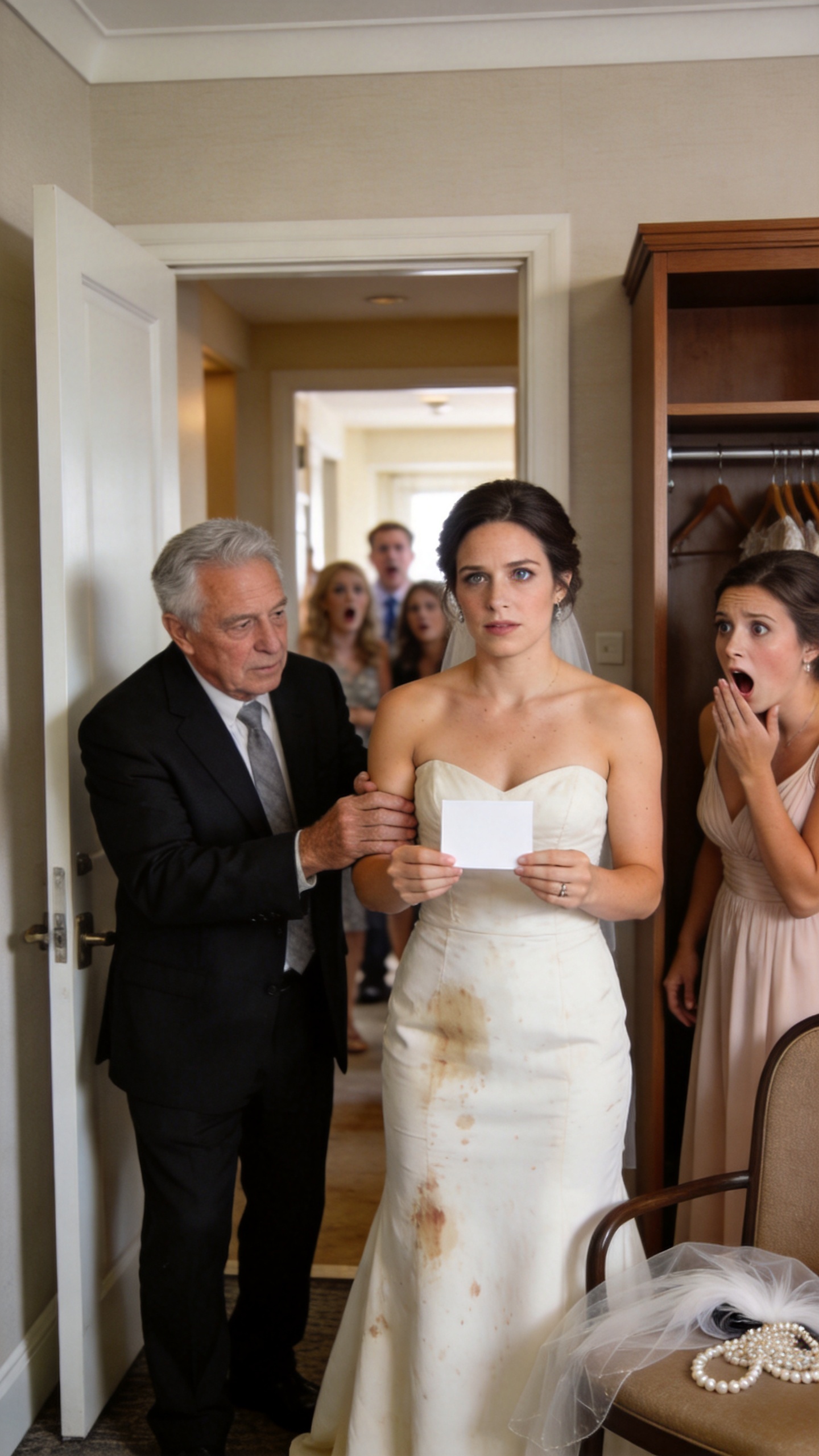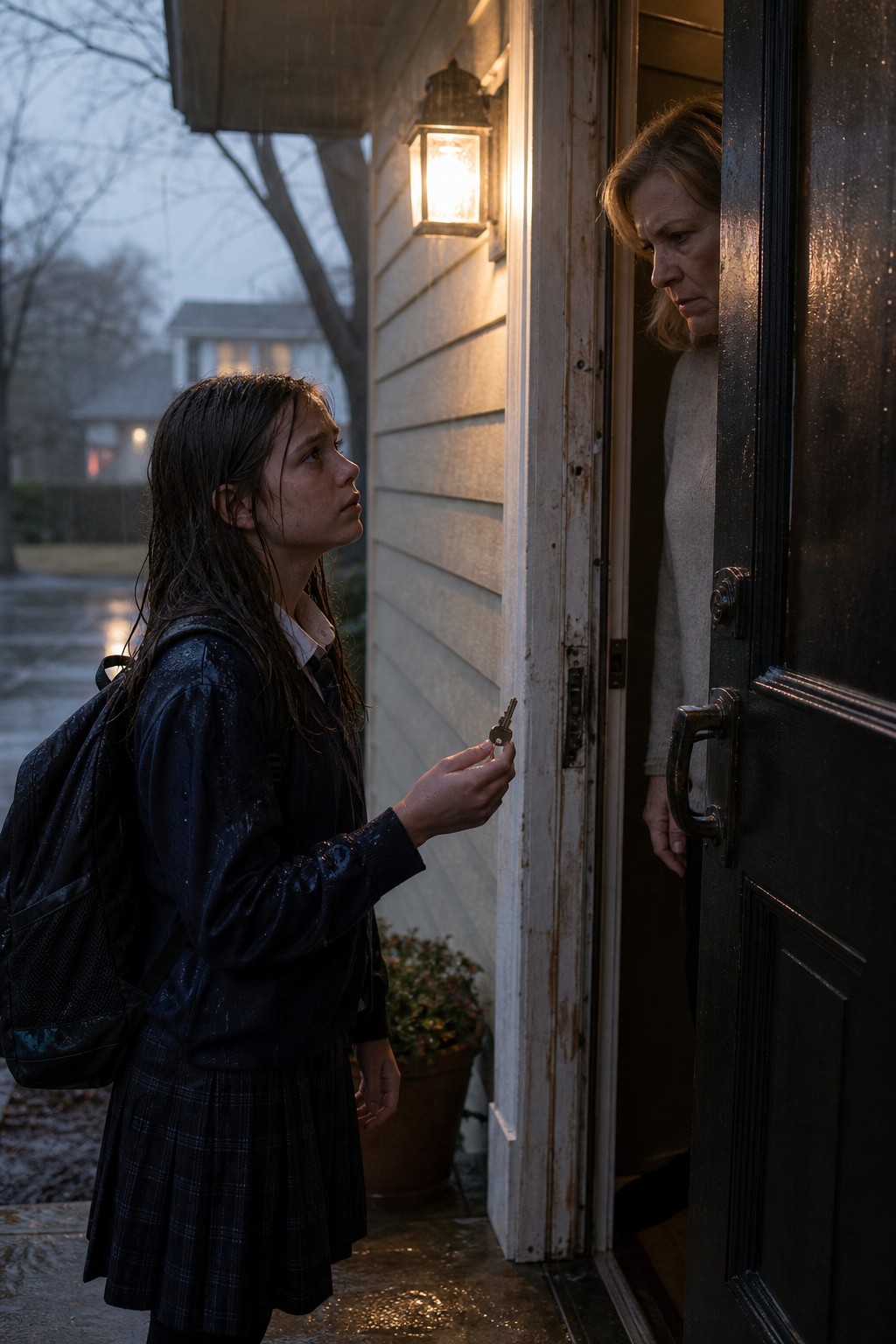
My Parents Reported My Car Stolen After I Refused To Hand My Sister $15,000

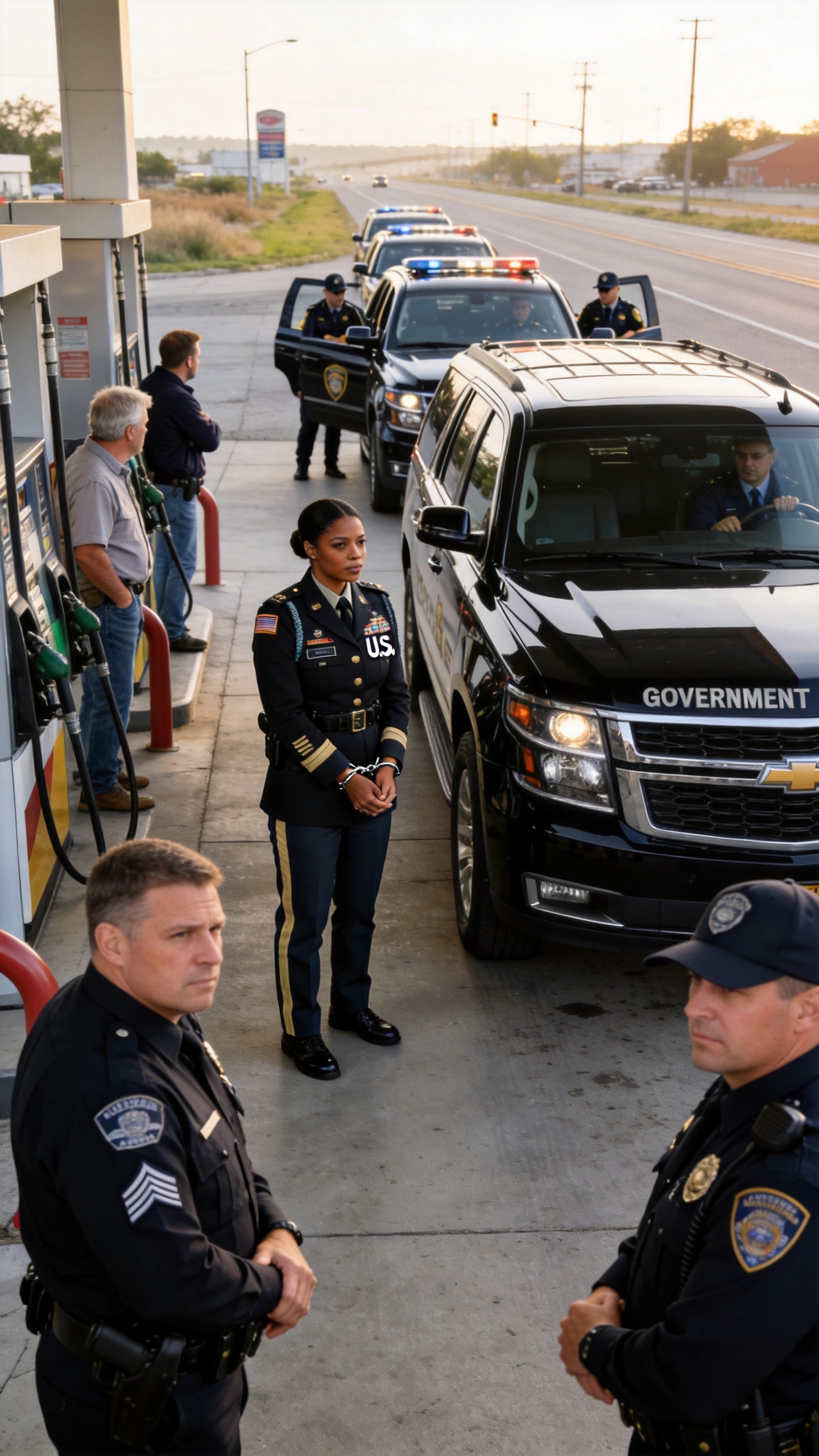
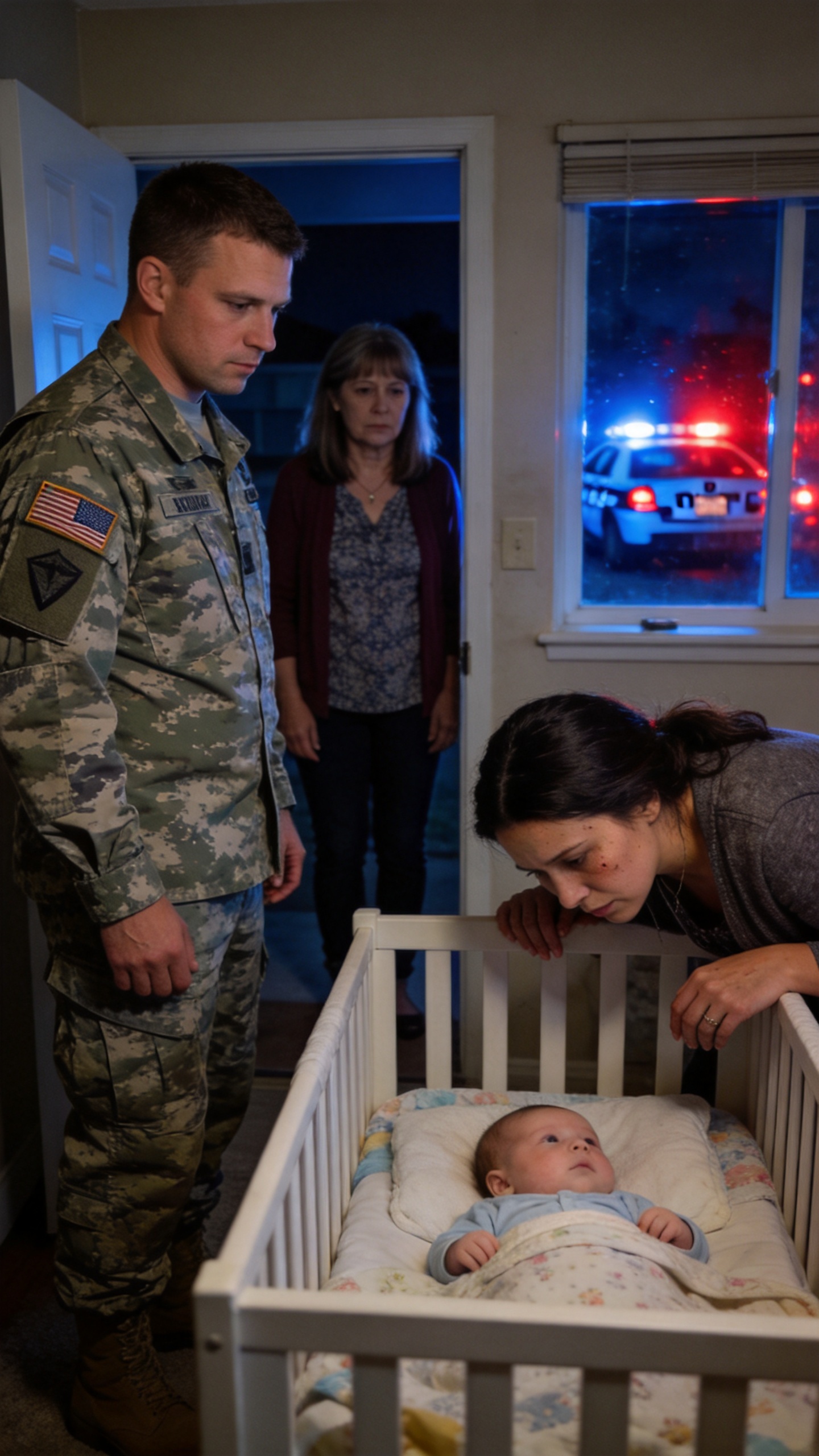
The first time I understood how far my parents would go, I was sitting in my own car with police lights washing over the dashboard.
My Honda Civic was paid off. The insurance was current. The registration was in order. I had not stolen anything.
Still, two patrol cars boxed me in on Interstate 25 because my father had called the police and told them the vehicle was stolen.
He did it after I refused to give my older sister Chloe fifteen thousand dollars.
The officers had been warned that I might be angry, unsafe, and ready to run. I found that out later. In the moment, all I knew was the voice over the speaker ordering me to turn off the engine and toss my keys outside.
The keys landed somewhere near the front tire. I kept my hands high and tried not to breathe too fast.
I was twenty-nine, a senior data analyst, and the worst trouble I had ever caused on the road was forgetting to renew a parking meter.
Then one officer stepped into the headlights and stopped.
"That is my fiancee," Officer Ryan Bell said, loud enough for the other officers and their cameras. "Bring the response down while we confirm the car."
He came to my window carefully, professional first, terrified second.
"Ava," he said under his breath, "what happened with your family?"
That was Ryan. He did not ask whether I had stolen my own car. He knew my parents too well for that.
He had seen years of small humiliations. Chloe received sympathy, rescue money, and excuses. I received lectures about duty whenever anyone needed a check.
Ryan told me my father had made the report less than fifteen minutes earlier.
The car had an old connection to him because he co-signed when I was eighteen and had no credit record. That was the only thread he still had. Every payment after that came from me: loan, insurance, tires, repairs, registration, and the final payoff.
The title was not a family favor.
It was mine.
My father had taken a detail from a decade ago and tried to make it sound like ownership.
"Why now?" Ryan asked.
"Because I would not give Chloe the money."
The Dinner
Two nights earlier, my parents invited me to dinner with the cold politeness they used when they had already decided I was guilty.
Chloe was crying at the table before I even took off my coat.
My father sat in his usual place at the head. My mother barely looked at my face. Her eyes kept dropping to my engagement ring, as though the ring itself had betrayed them.
"Your sister needs help," Dad said.
I asked what kind of help.
No one gave me a real answer. They spoke in circles about family, loyalty, hard times, and how lucky I was to have savings.
Those savings were not luck. Ryan and I had built them slowly for our wedding and the down payment on a small house.
When I said the money was not available, my mother folded her napkin with theatrical disappointment.
"So a wedding party matters more than your sister," she said.
"No," I told her. "A secret demand for fifteen thousand dollars does not become reasonable because Chloe is crying."
Chloe put her face in her hands. My father pushed his chair back hard enough to scrape the floor.
"There are consequences when you abandon this family."
I thought he meant the usual punishment: phone calls at midnight, relatives recruited to scold me, weeks of silence followed by another demand.
I did not picture armed officers surrounding my car.
The Alert
Ryan got the stolen-vehicle report cleared at the roadside, but I was shaking too hard to drive home.
Another officer took the Civic back to my apartment. Ryan followed separately and called his supervisor before he even sat down in my living room.
Because he was engaged to me, he removed himself from whatever came next. He was careful about that. Careful enough that I did not understand yet how serious it already was.
Then my phone buzzed.
It was a credit-monitoring alert for a new loan application in my name.
The amount was fifteen thousand dollars.
Ryan looked at the screen, and every bit of softness left his face.
"Freeze everything," he said.
I opened the full report with hands that still felt numb from the traffic stop.
The new application was only the fresh mark on top of older damage.
There was a credit line secured by property, a business loan, and a private refinancing agreement. I recognized none of them.
The combined balance was over three hundred thousand dollars.
Every account led back to my parents' house.
Before I could form a complete thought, my father called.
Ryan started recording because he already understood what I was too stunned to name.
Dad did not ask if the stop had frightened me. He did not ask whether I had made it home safely.
"Send the fifteen thousand," he said, "and tonight's confusion can disappear."
"You told the police my car was stolen."
"You left me no choice."
"What loans did you open in my name?"
Silence answered first.
It was only three seconds, maybe less, but it told me more than a denial would have.
Then he warned me to stop making claims I could not prove and hung up.
I saved the recording.
By the end of that night, a fraud detective had copies of the alert, the credit report, the vehicle title, Ryan's recording, and the body-camera footage from the stop.
The Bank Meeting
The next morning, a bank investigator asked me to come to a conference room downtown.
My parents and Chloe were already there.
My father had dressed for respectability: charcoal suit, polished shoes, calm smile. He looked like a man arriving to correct a clerical error.
"Ava is overwhelmed by wedding stress," he told the investigator. "She is confusing a family arrangement with something improper."
The investigator introduced herself as Ms. Nadia Cole and opened a folder thick enough to make my mother grip the edge of the table.
Inside were loan applications, property documents tied to my parents' home, and a notarized power of attorney that claimed my father could manage my finances.
I had never agreed to that.
Ms. Cole slid a blank sheet of paper toward me.
"Write your full legal signature, please."
I signed.
She placed my signature beside the one on the power of attorney.
The two marks looked as if they came from different planets.
The forged version was too tall, too stiff, and wrong in the places only someone who had watched me sign for years would have known to hide. It was not a clever forgery. It was a family member assuming no one would check.
My mother whispered my father's name.
He kept lying anyway.
"She gave permission years ago," he said. "She was young. She forgets things."
That was when a detective entered with another stack of papers.
Ms. Cole turned to the back of the folder.
"Before we talk about the loans," she said, "Ava needs to know who effectively controls your house now."
For the first time since I arrived, my father looked afraid.
What They Built With My Name
The investigation did not uncover one bad decision. It uncovered a system.
My father's business had been sinking for nearly a decade. He hid it by borrowing, refinancing, and rolling old debts into new ones until the paper structure underneath him started to give way.
When lenders stopped believing in his name, he borrowed mine.
Four years before the traffic stop, he forged the power of attorney. After that, my credit history became another tool in his failing business.
He used my steady income, my clean record, and documents connected to the property to secure more than three hundred thousand dollars.