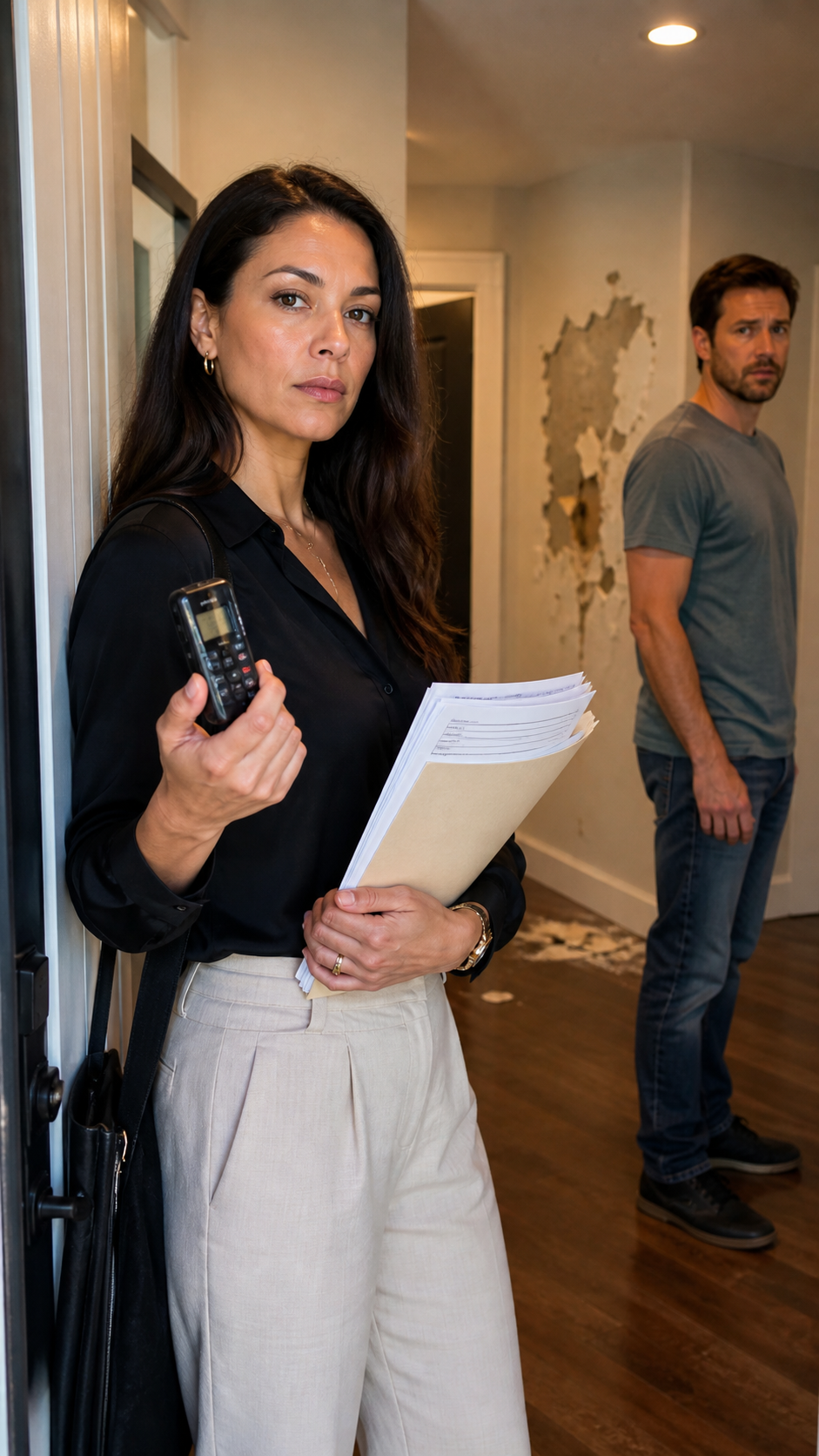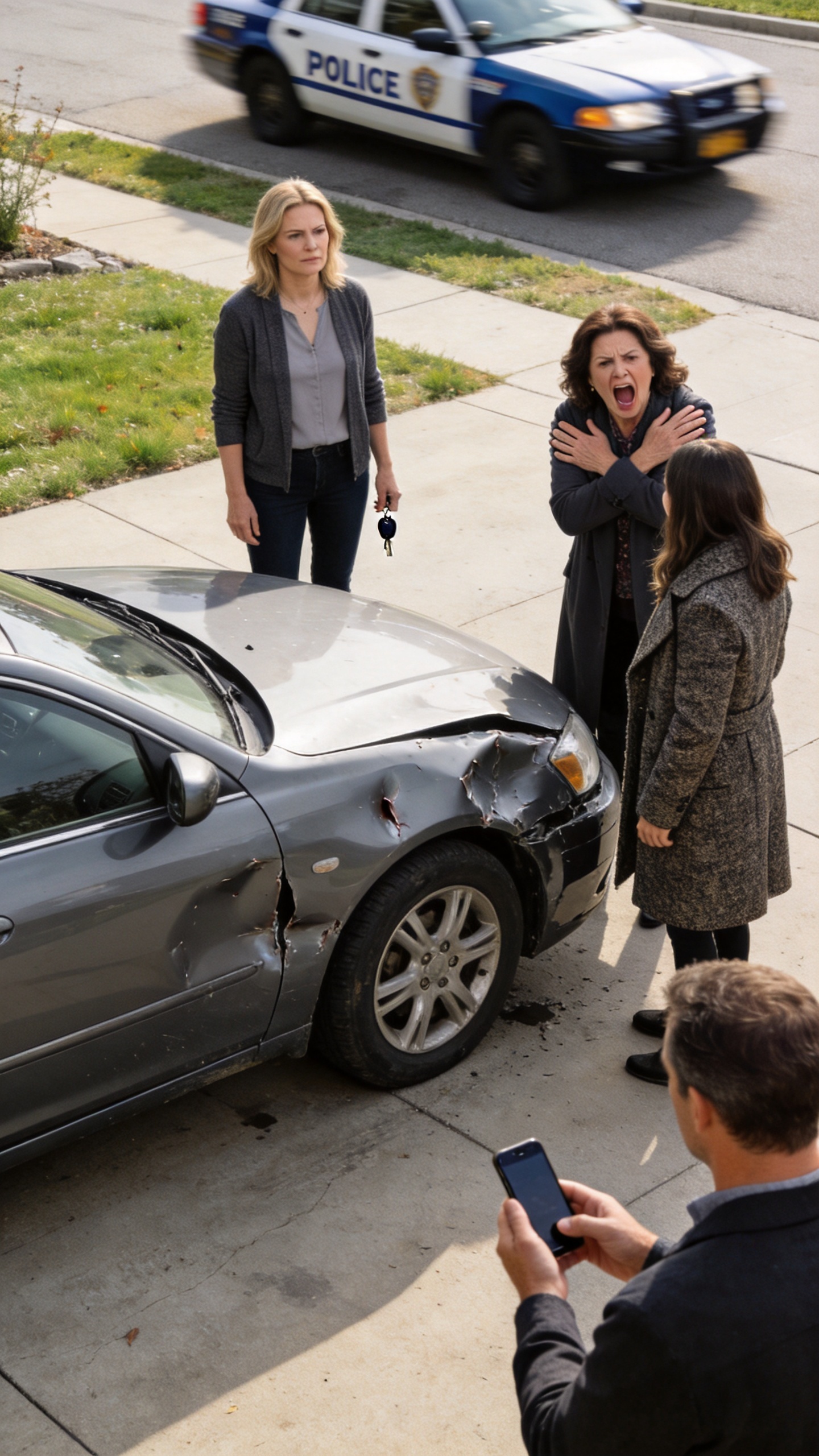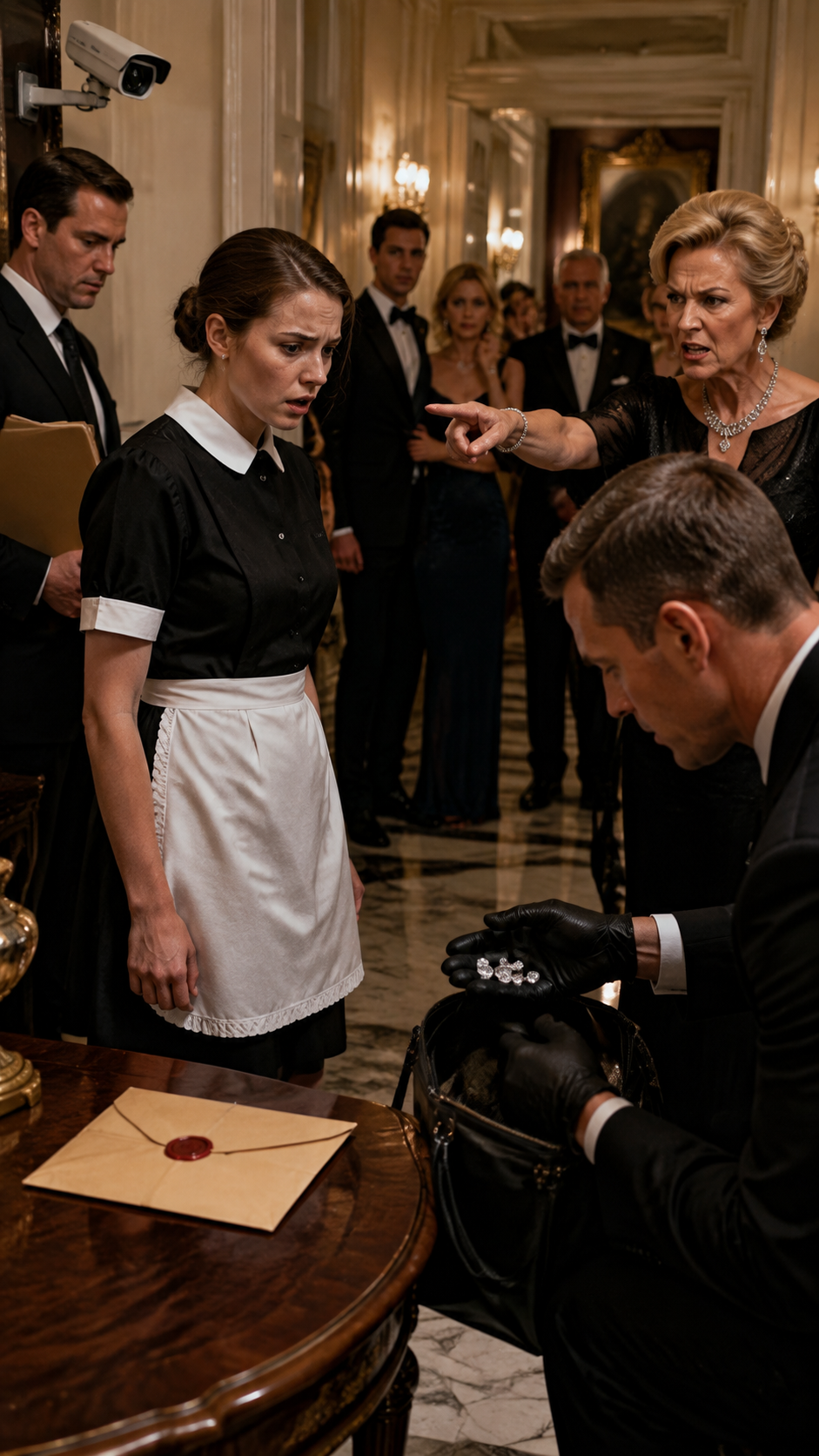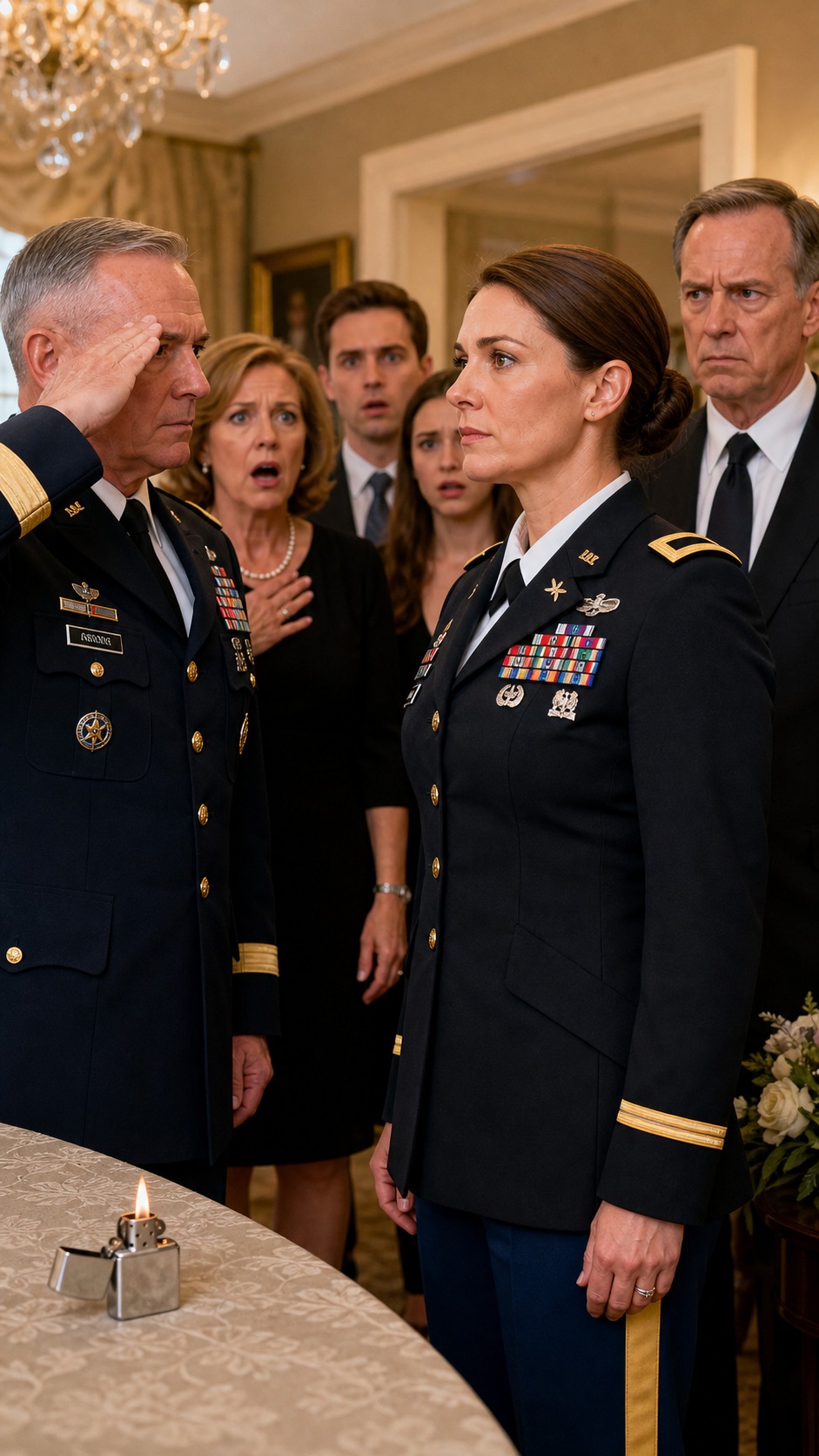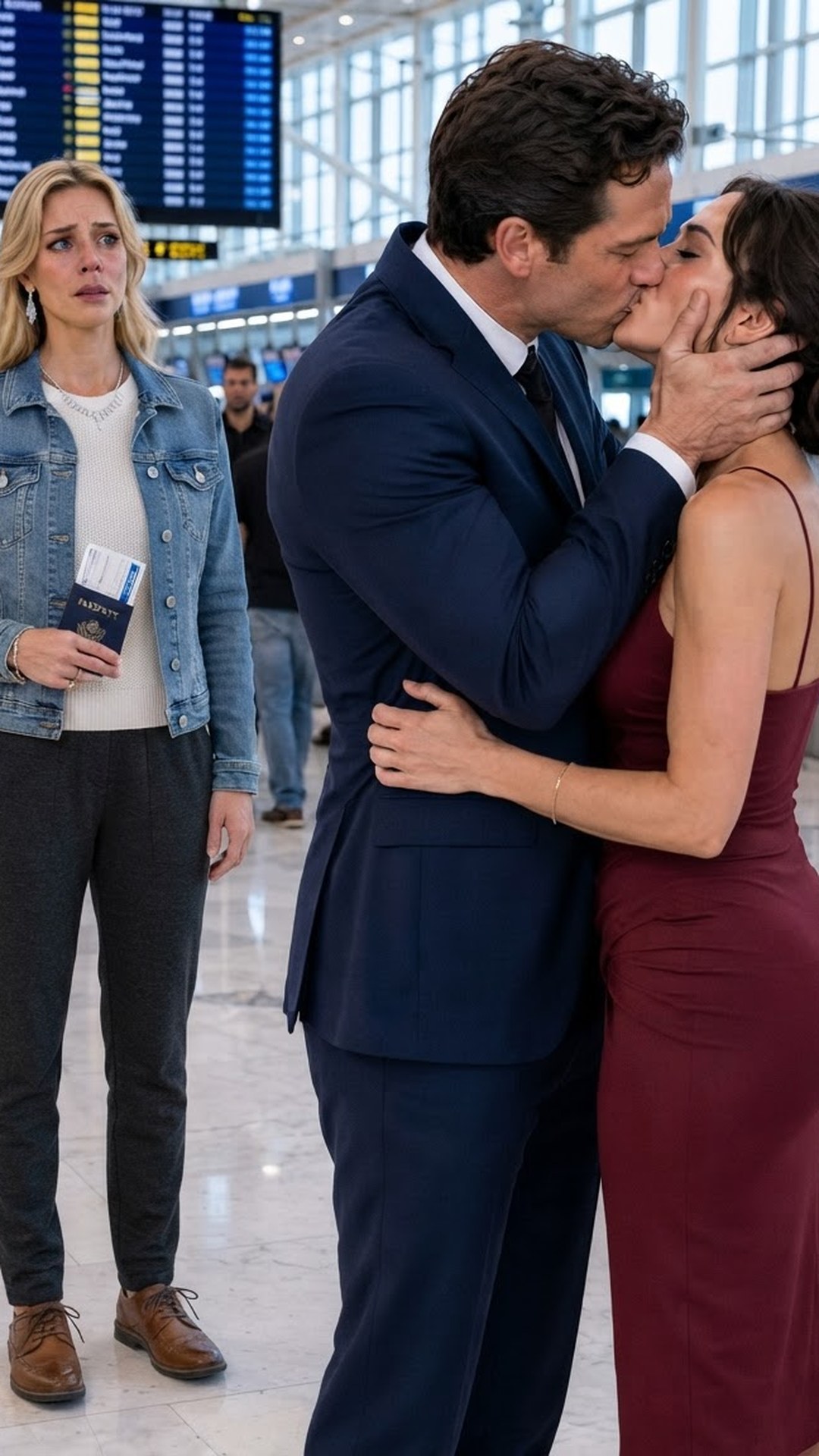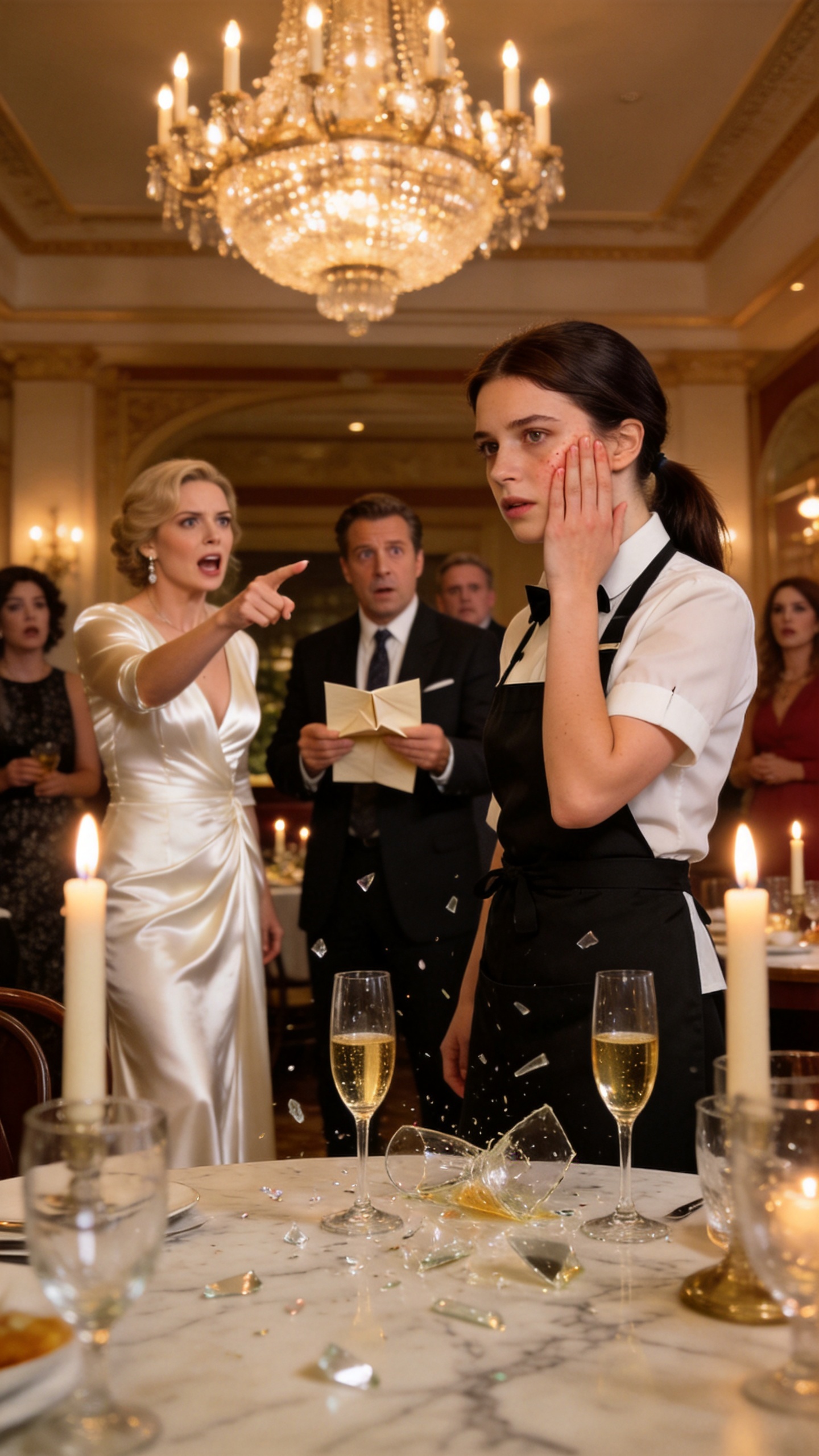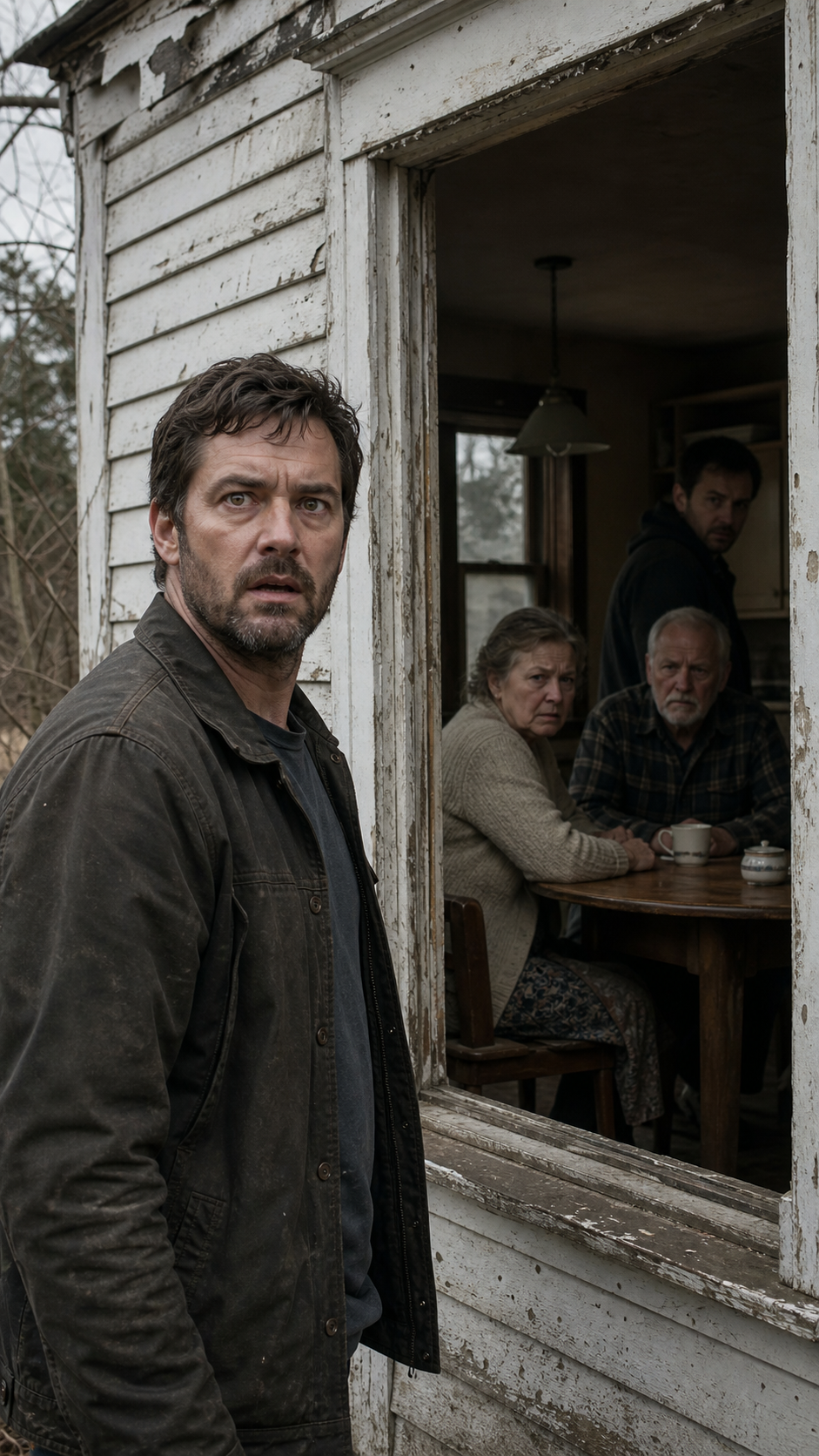
My Father Smashed a Brick Into My Face After My Fiancé Refused to Leave Me for My Sister, and My Mother Just Laughed. “Let's See If He Still Loves You Now.” I Didn't Scream. At the Hospital, I Asked Them to Preserve the Evidence, Never Imagining That Six Witnesses and an Old Will Would Destroy Them.
“And when Diane was born three years later, he decided she was the daughter he'd be proud of,” he added. “But Diane wasn't a son either,” I said.
“It didn't matter because Mark always believed Diane should have been born first, and he blamed you for taking her place,” Harvey clarified. I felt breathless. For years, I thought I'd done something wrong, that I was a difficult and selfish child.
But my only mistake was being born first. Harvey took out a package of old envelopes tied with a blue ribbon. “Your grandfather wrote these for you,” Harvey said. My name, Eleanor Hayes, was on each envelope in nice handwriting.
“He asked me to give you a letter on every birthday, but I couldn't because Mark threatened to ruin my life if I came near you,” Harvey confessed. I touched the first envelope with shaking fingers. My grandfather had loved me before I knew what rejection was.
“I kept them all safe for twenty - six years,” Harvey said. I couldn't stop crying, and Wyatt wept quietly beside me. Chief Briggs looked down to give us privacy. “There is something else,” Harvey said. He pulled out a small brass key with a leather tag.
“What does it open? ” I asked. “A safety deposit box that Walter rented six months before he died. He left instructions because he knew you'd need the truth one day,” Harvey explained. Before I could ask more, Chief Briggs stepped forward.
“Sorry to interrupt, but we have big news,” the chief said. His face was shocked. “The Prosecutor's Office searched your parents' house, and we found files inside your father's desk,” Chief Briggs revealed. Wyatt frowned. “Files of what? ” Wyatt asked.
When The Room Finally Understood
Eleanor's stomach churned as the chief, Chief Briggs, said, “Files about you, Eleanor. ” The chief checked his notes to share the details.
“Photographs, schedules, addresses, articles about the sale of your company, and notes tracking your movements,” he listed.
Eleanor and her fiancé, Mark, realized they'd been stalked. “Yes, for months,” the chief said, then paused. “We also found handwritten notes,” he added.
“What did they say? ” Eleanor asked. The chief read them aloud. “One says, 'If Eleanor is no longer an option, Mark will end up with Diane,'” he read.
“Another says, 'Appearance matters, so if Eleanor's face changes, he'll see which sister is better,'” he finished.
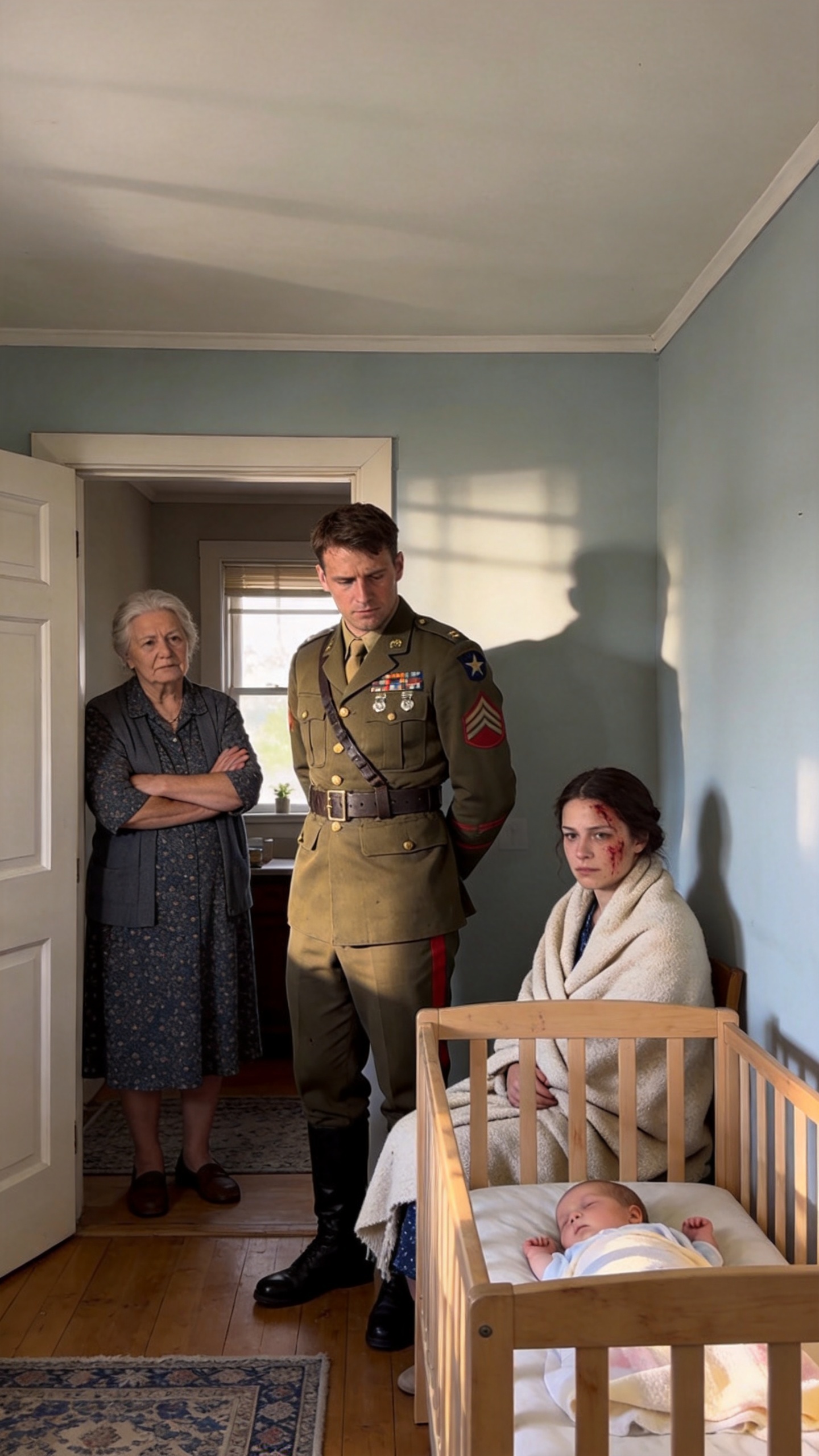
The room grew cold. It wasn't an accident or a quick fight. Eleanor's parents and sister had planned it. They'd talked about her face like a problem to fix with a brick.
Suddenly, a nurse came in with a phone. “Miss Hayes, there's a call from the detention center, but it's not your parents,” she said.
Eleanor took the phone, her hand shaking. “Hello?” she whispered. She heard heavy breathing and crying on the line.
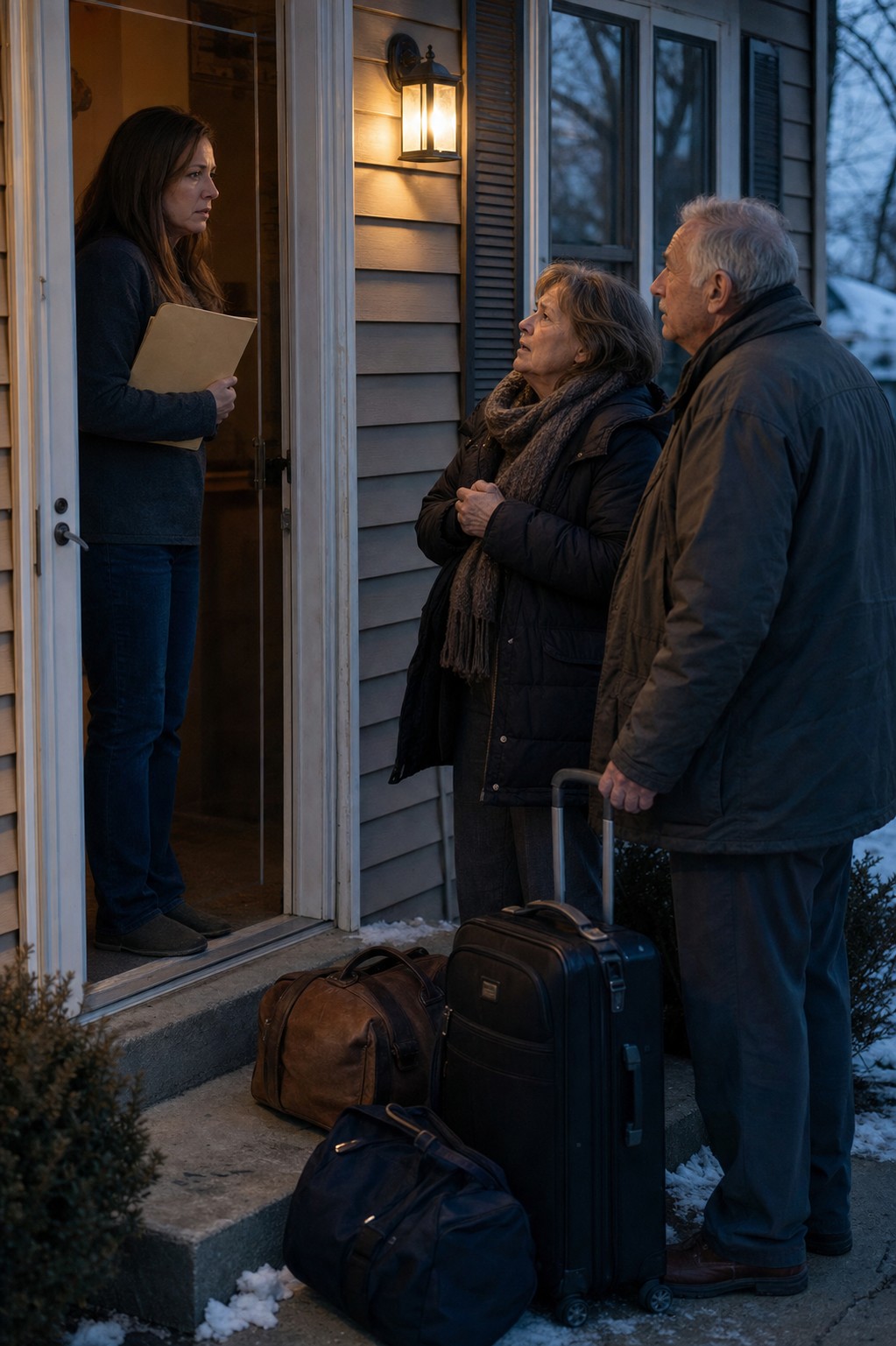
“Eleanor, you don't know me, but I'm Janice Foster, your father's younger sister,” the woman said.
Eleanor froze in her bed. “I didn't know I had an aunt,” she said.
“I know because Mark erased me from your life. I've lived under my married name for twenty years so he couldn't find me,” Janice explained.
Chief Briggs sat down to listen, and Mark closed his eyes. “When I heard Mark was arrested, I called right away. For the first time, I felt safe,” Janice wept.
“What do you need to tell me?” Eleanor asked. There was a long pause.
“Mark only knows half the story about the money,” Janice said. Mark raised his head in surprise.
“What story?” he asked.
“Mark wasn't always this cruel. He went crazy after our father changed his will,” Janice explained. Chief Briggs listened closely.
“Explain what happened with the will, ma'am,” the chief requested.
“Our father caught Mark stealing from the family hardware store twice, so he changed everything,” Janice said.
“What did he change?” Eleanor asked.
“He left Mark the business but with a strict rule,” Janice explained. “If Mark was ever convicted of a violent crime or intentionally hurt a family member, he'd lose all the assets,” she revealed.
Eleanor felt the blood drain from her face. “What assets?” she asked.
“The hardware store, the other shops, a cabin by the lake, investment accounts, and a trust fund worth over eleven million dollars,” Janice listed.
No one in the room said a word. “Our father knew Mark loved money more than family, so he added a final clause,” Janice continued. “If Mark committed serious violence against his own daughter, everything would pass directly to that daughter,” she explained.
The phone nearly slipped from Eleanor's hand. “To me?” she asked.
“Yes, to you, Eleanor,” Janice confirmed.
For twenty - six years, Mark thought controlling Eleanor was the way to keep his money. But when he threw that brick at her face, he ruined the future he'd tried to save.
Eleanor felt no joy, only deep sadness. It was like someone finally turned on a light in a dark room where she'd been lost all her life. Janice sent the original papers to the police that morning.
Eleanor used her grandfather's key to open the box. Inside were the real will, some letters, and an old voice recording. On the tape, her grandfather explained firmly why he feared his son, Mark, would hurt his own family.
Two days later, Dr. Curtis returned with new test results. “I have great news,” the doctor said with a smile. Eleanor's fiancé, Wyatt, stood up quickly.
“The optic nerve is healthy, the swelling is down, and we expect Eleanor will regain her vision completely,” Dr. Curtis revealed. Eleanor started crying like a little kid. Wyatt hugged her gently.
For the first time, crying didn't hurt; it felt like getting air back in her lungs.
The next few weeks went by slowly. There were legal statements, photos, minor surgeries, and meetings with lawyers. The electrician testified that Mark tried to stop the 911 call. The neighbor across the street told the police she saw Mark pick up the brick.
The security camera showed the whole attack, and the notes proved it was planned.
Eleanor's parents and her sister, Diane, tried to tell the judge it was just a family misunderstanding. But when they saw the evidence, they gave up. They took plea bargains to avoid a long trial and longer prison sentences.
The judge looked at the premeditation, the bad injuries, and the witness intimidation. They got long prison sentences, permanent restraining orders, and had to pay all of Eleanor's medical bills.
Diane, who wanted to steal Wyatt and the fortune, lost her freedom.
A month after leaving the hospital, Eleanor asked Wyatt to drive her to the cemetery. Harvey was waiting for them by her grandfather's grave, holding a small package wrapped in a blanket. “Walter wanted this to survive,” Harvey said as he uncovered it.
Inside was a thick wooden board, burnt at the edges. It was the only piece left of the cradle Mark had destroyed. In the center, hand - carved by her grandfather, were five words: For my beautiful first granddaughter.
Eleanor ran her fingers over the carved wood. For the first time in her life, she felt truly chosen, not just tolerated. They left wildflowers on the grave. “I received your letters, Grandfather,” she whispered into the wind.
The leaves moved gently, like he heard her.
Months later, the scars on Eleanor's face faded but never fully disappeared. At first, she covered them with a lot of makeup. Then one day, she stopped hiding. She looked in the mirror, running a finger under her left eye.
She used to think beauty meant an untouched face. Now she knew the scar proved she survived those who tried to destroy her.
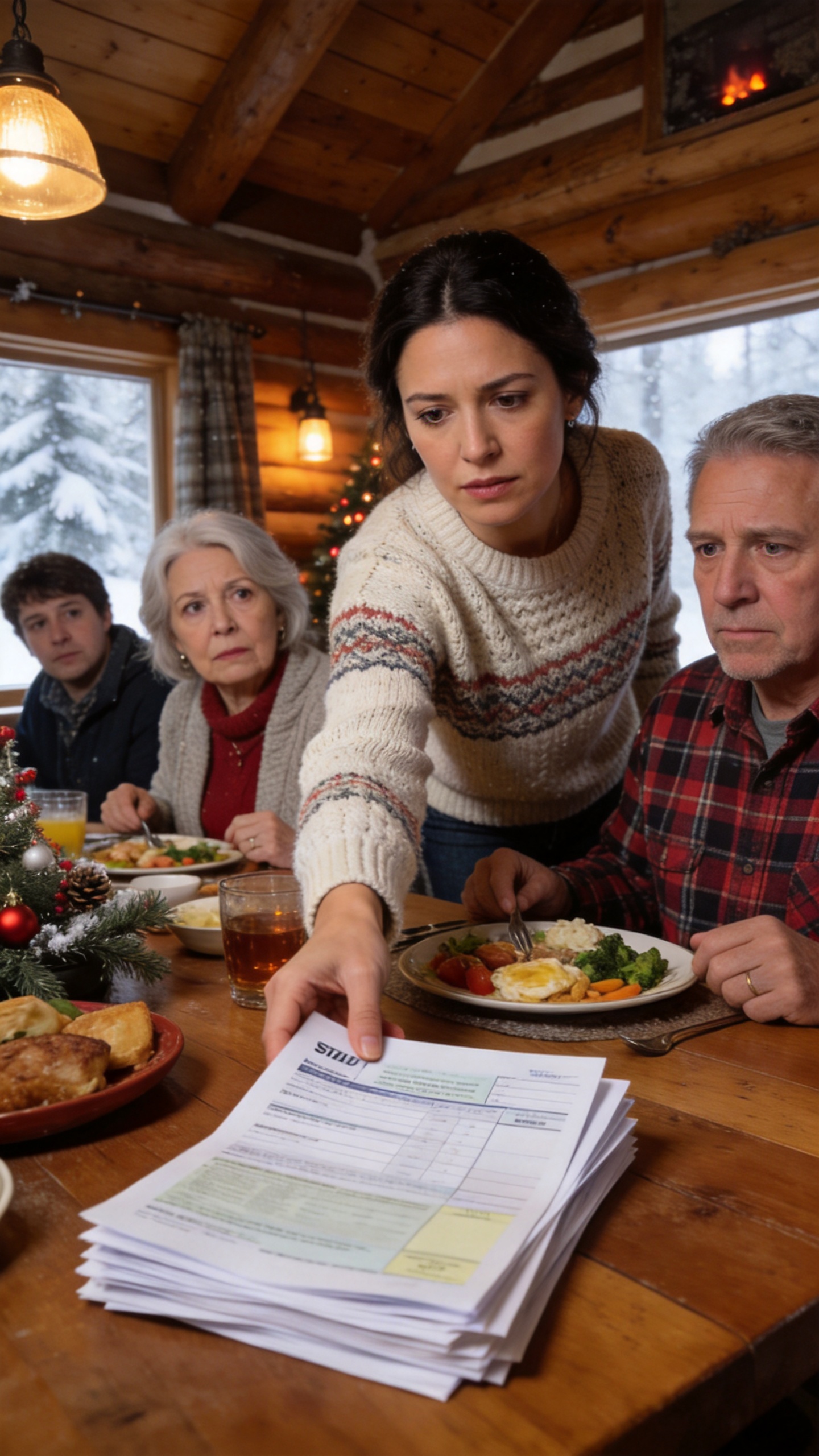
All the legal stuff was settled according to her grandfather's trust. Eleven million dollars in assets were transferred to her name. She didn't throw big parties or buy expensive cars.
She sold some properties to start a foundation that helps young people learn trades like carpentry and plumbing.
She kept the cabin by the lake and fixed up the old hardware store. She put a bronze plaque by the door. It read: Walter Davis, an honest man, a deeply loving grandfather. Harvey and Janice cried when they saw it. Eleanor just smiled.
Sometimes justice is quiet, and it restores a good man's name. That night, Eleanor and Wyatt drove to the cabin by the lake.
What Their Cruelty Cost Them
There were no cameras around. No big, grand speeches either. It was just Eleanor and Mark, sitting on the old wooden dock. They watched as the sun sank below the water's surface.
Mark reached into his pocket. He pulled out a small cloth sack. "If that's another ring, Mark, your timing is the worst," Eleanor joked. Mark's face turned serious. "It's not a ring, Eleanor," he said.
He handed her a letter. It was her grandfather's very first one. "I think you should read this today," Mark suggested. Eleanor carefully opened the yellowed envelope. She read the faded handwriting.
The last part of the letter said, "When you feel unloved, remember this: those who can't love you show their own flaws, not yours. Build a life where kindness is passed down, not cruelty."
Eleanor folded the paper. She stared out at the water. For years, she thought her family decided her worth. But they never did. They only showed their own worthlessness.
Mark took her hand. "So... do you still want to marry me?" he asked. Eleanor looked at the reflection of her scar in the dark water. Then she looked at Mark. He'd stayed with her when others tried to tear her down.
"I never doubted you'd love me, Mark," she said. "So what were you doubting?" he asked, smiling. Eleanor smiled back. She felt no fear.
"I was just doubting if you'd still tell terrible jokes at our wedding," she laughed. Mark let out a loud laugh. It echoed across the quiet lake. He almost dropped the box into the water.
That laugh was free, pure, and full of hope. For the first time since her father tried to ruin her life, laughter didn't hurt. It sounded like the start of her new life.
The hardest part was not the first consequence. It was the silence afterward, when everyone realized the old arrangement had ended. For years, they had treated my patience like a deed, a signature, or a permanent permission slip. That was the mistake.
I did not need to shout. The documents, the bruises, the records, and the witnesses had already said enough. By the time the calls started, I had stopped answering as the person they remembered. I was no longer protecting them from what they had chosen.
That was the part they never expected. I did not only take back a house, an account, a holiday, or a boundary. I took back the right to decide what my life would cost.