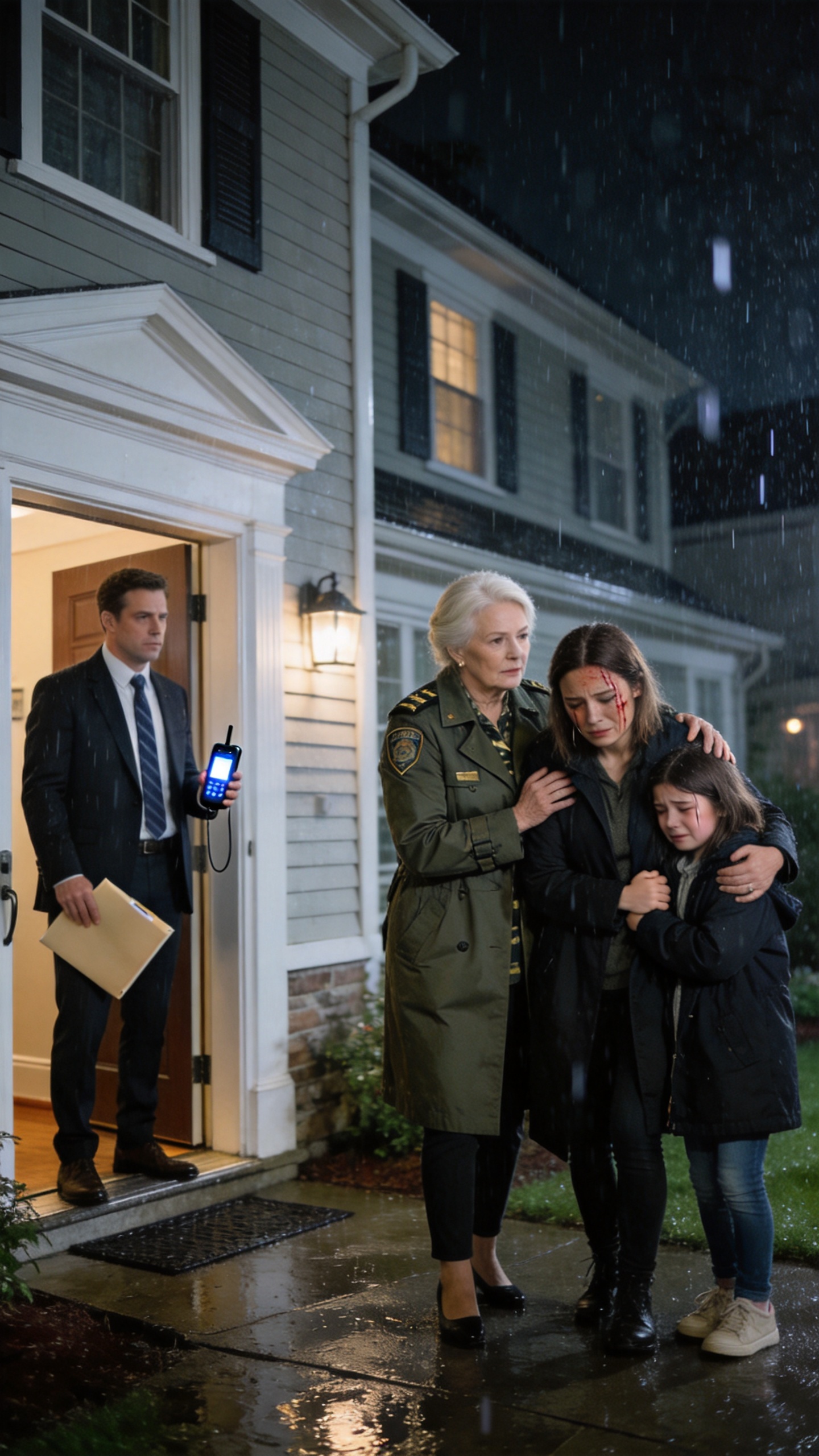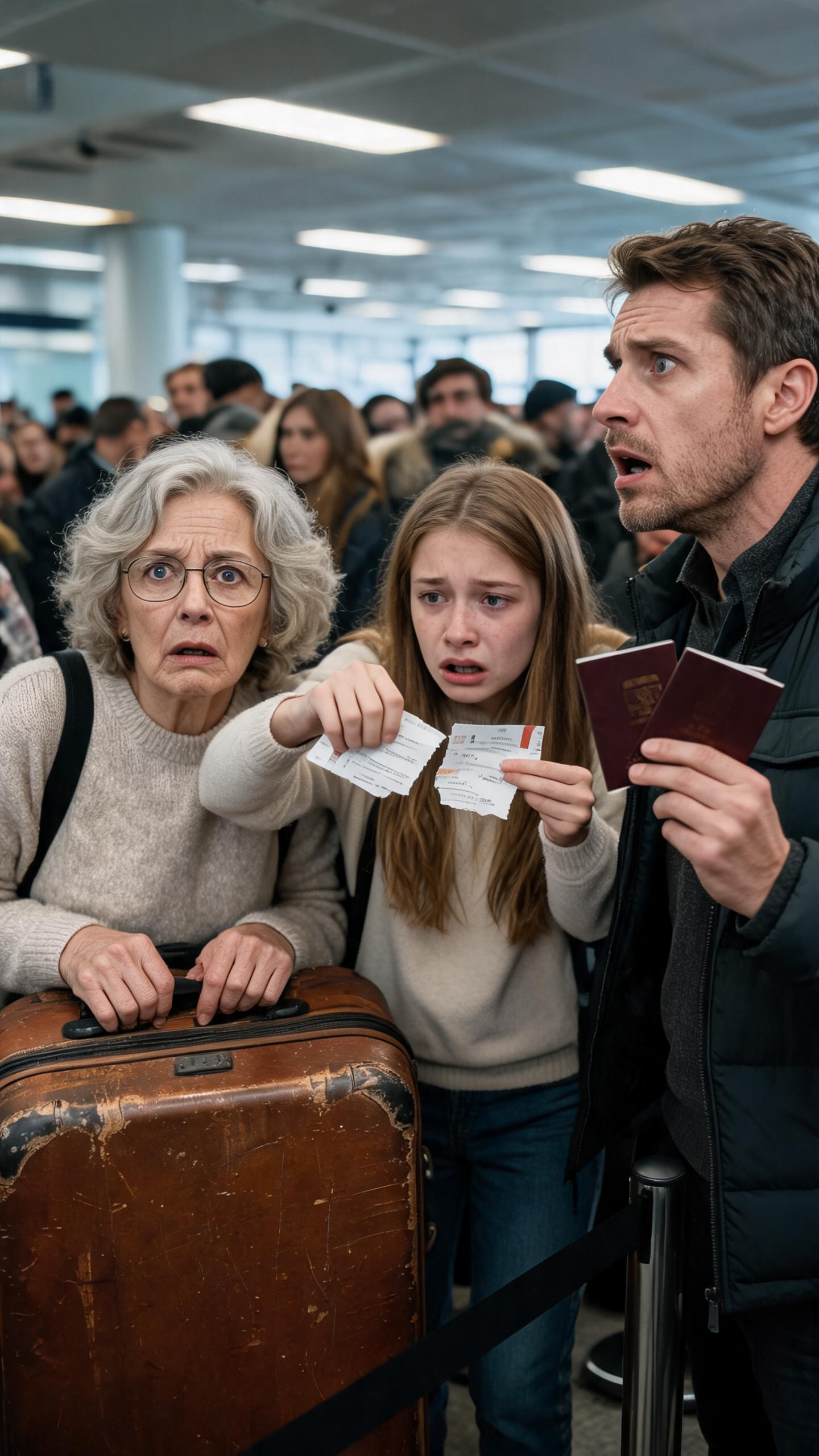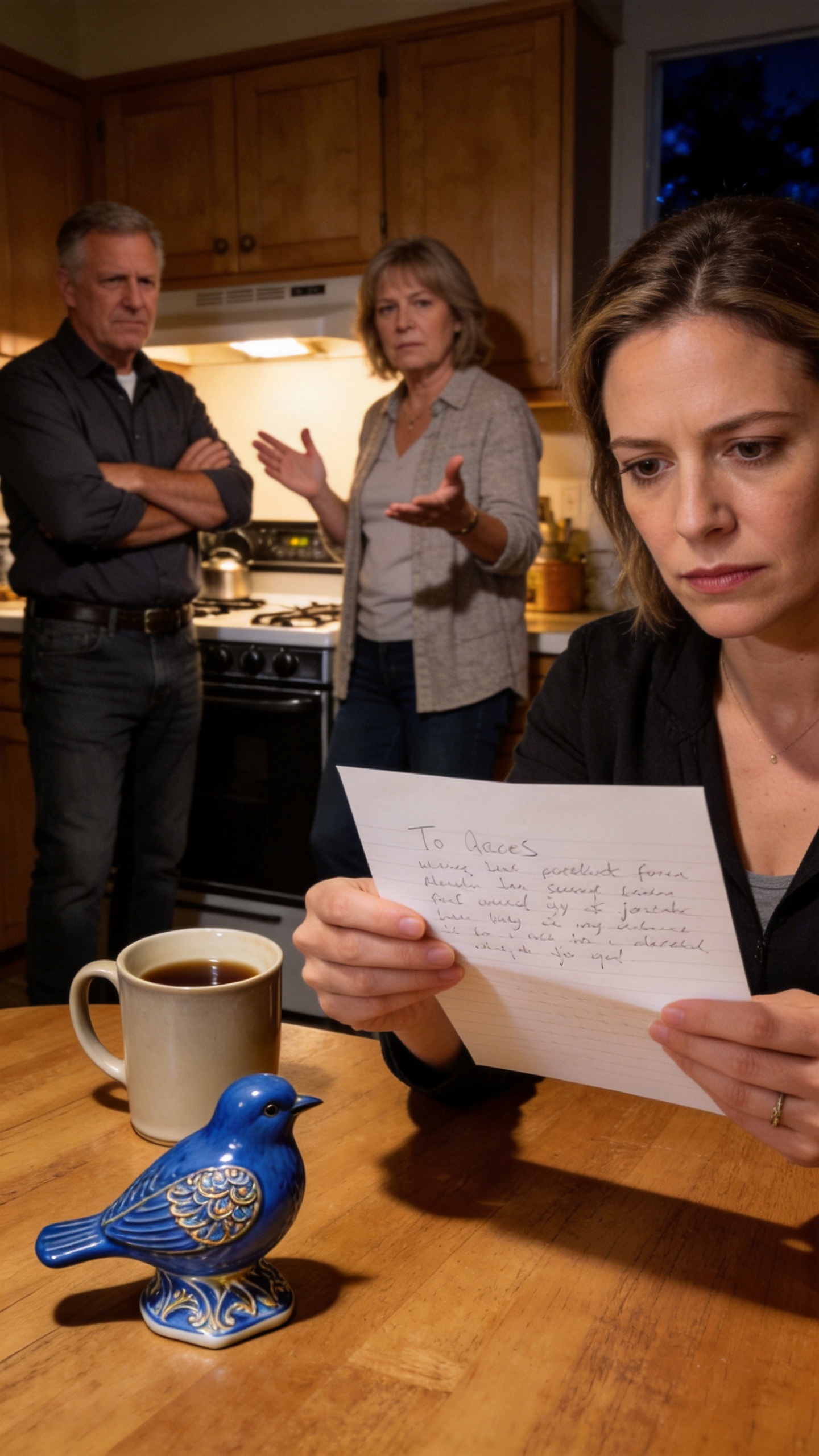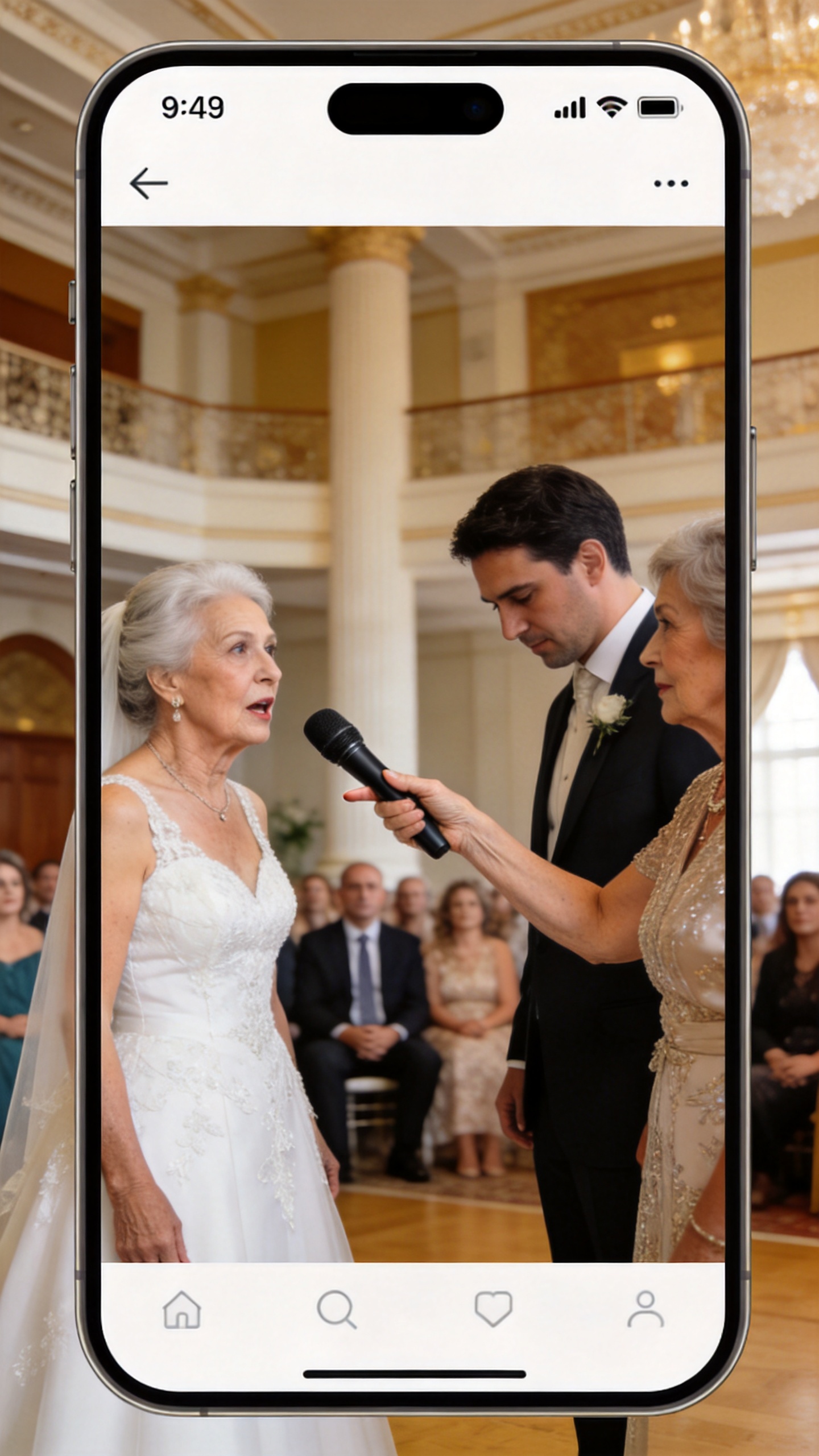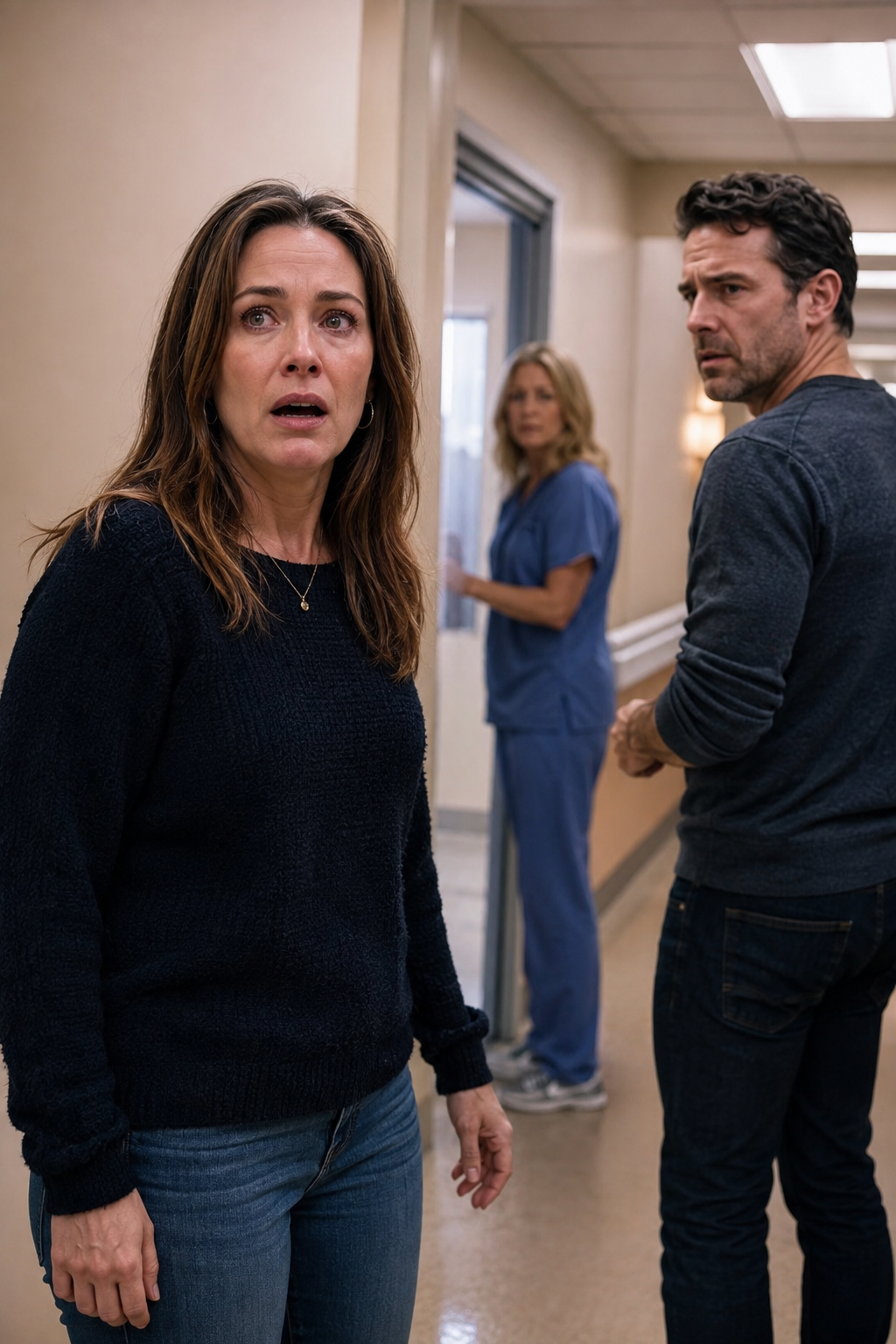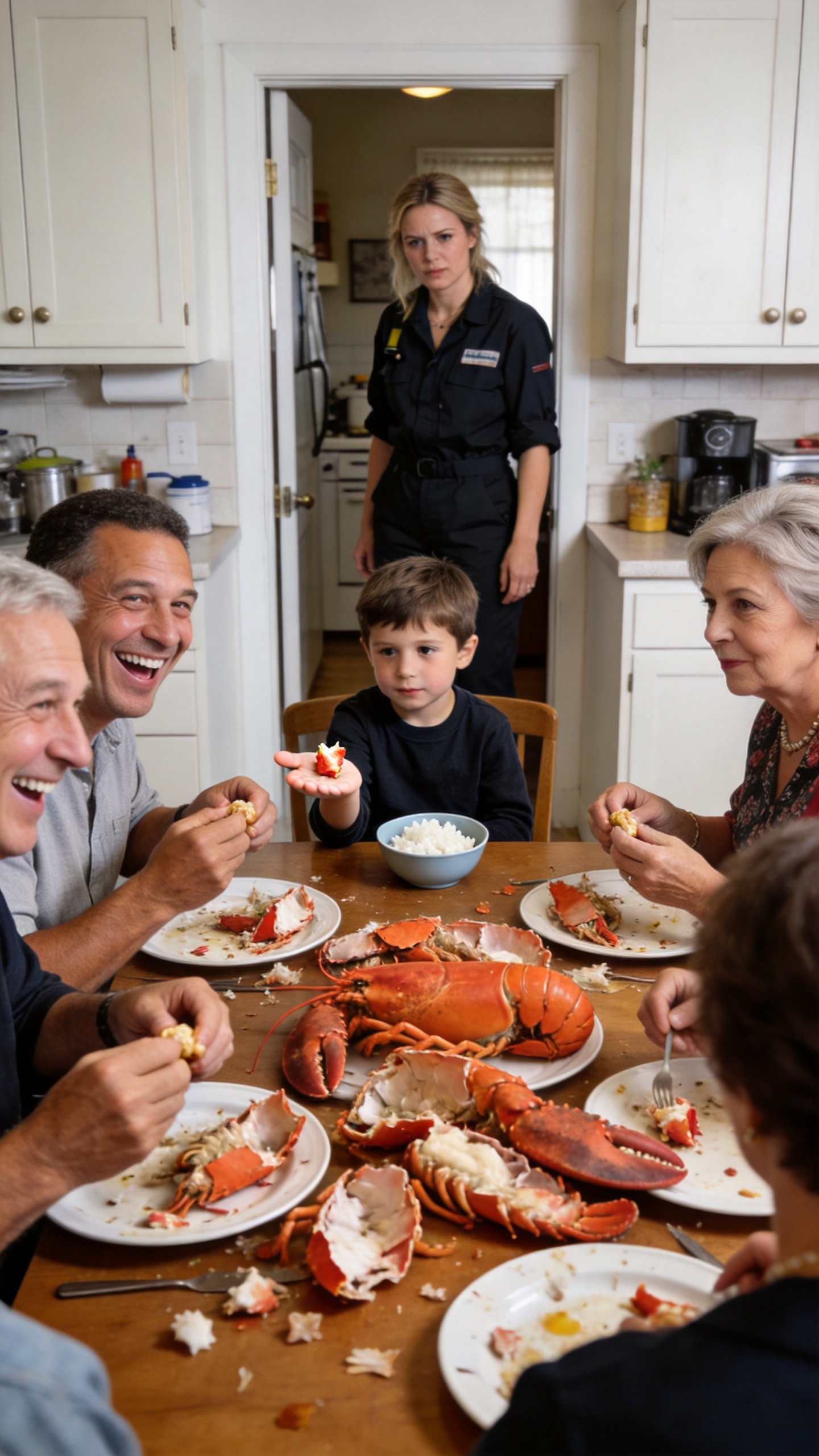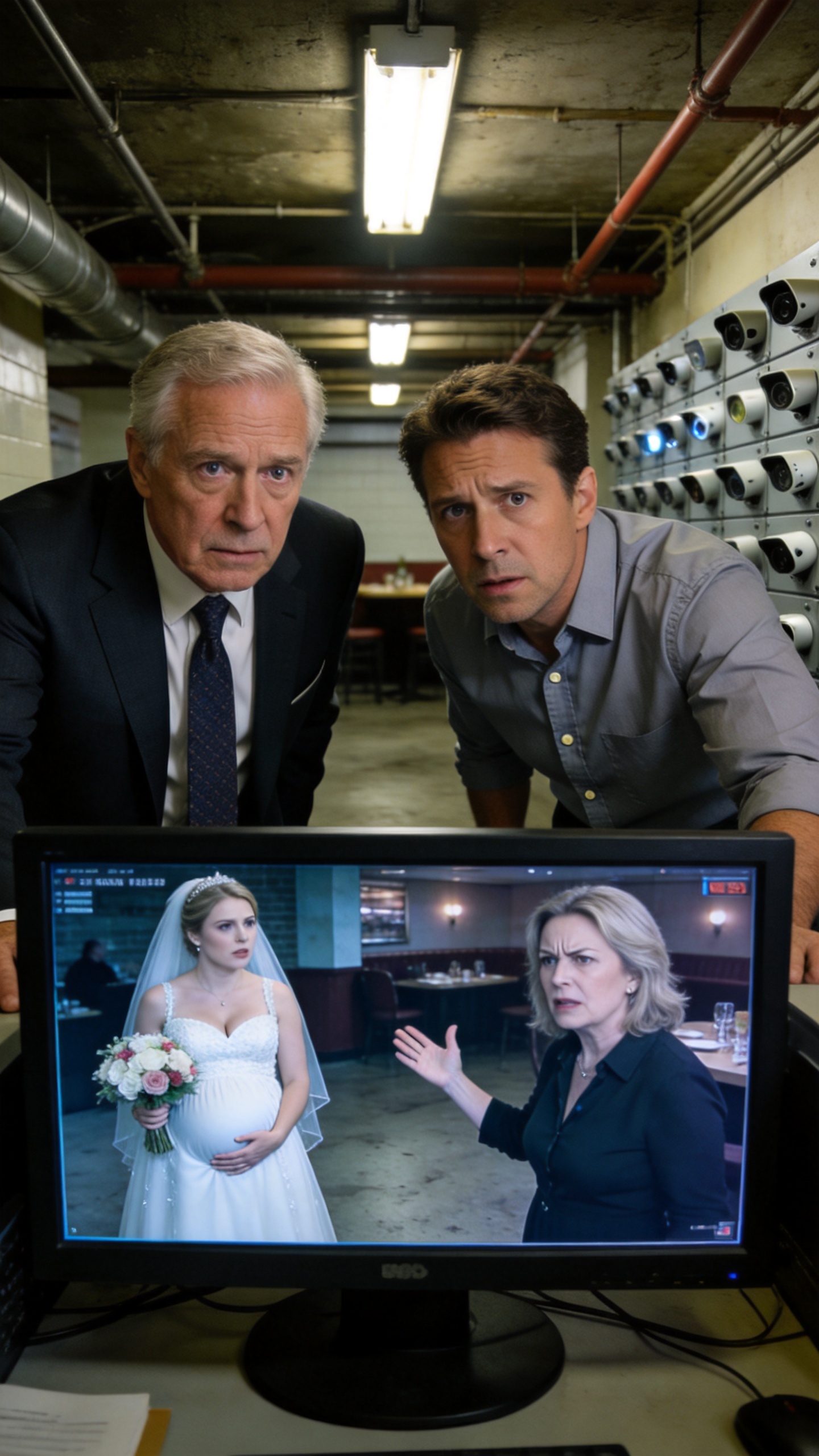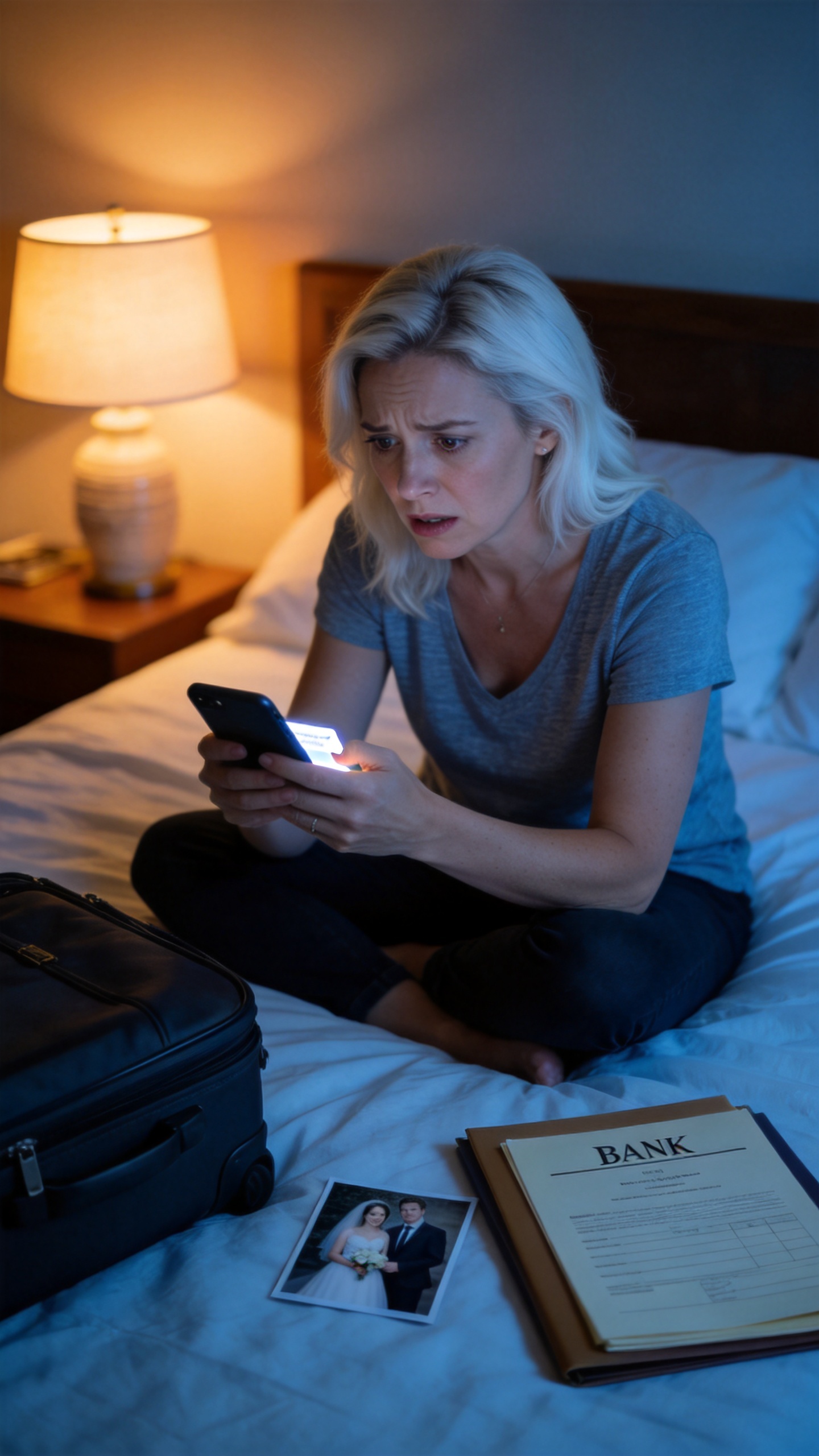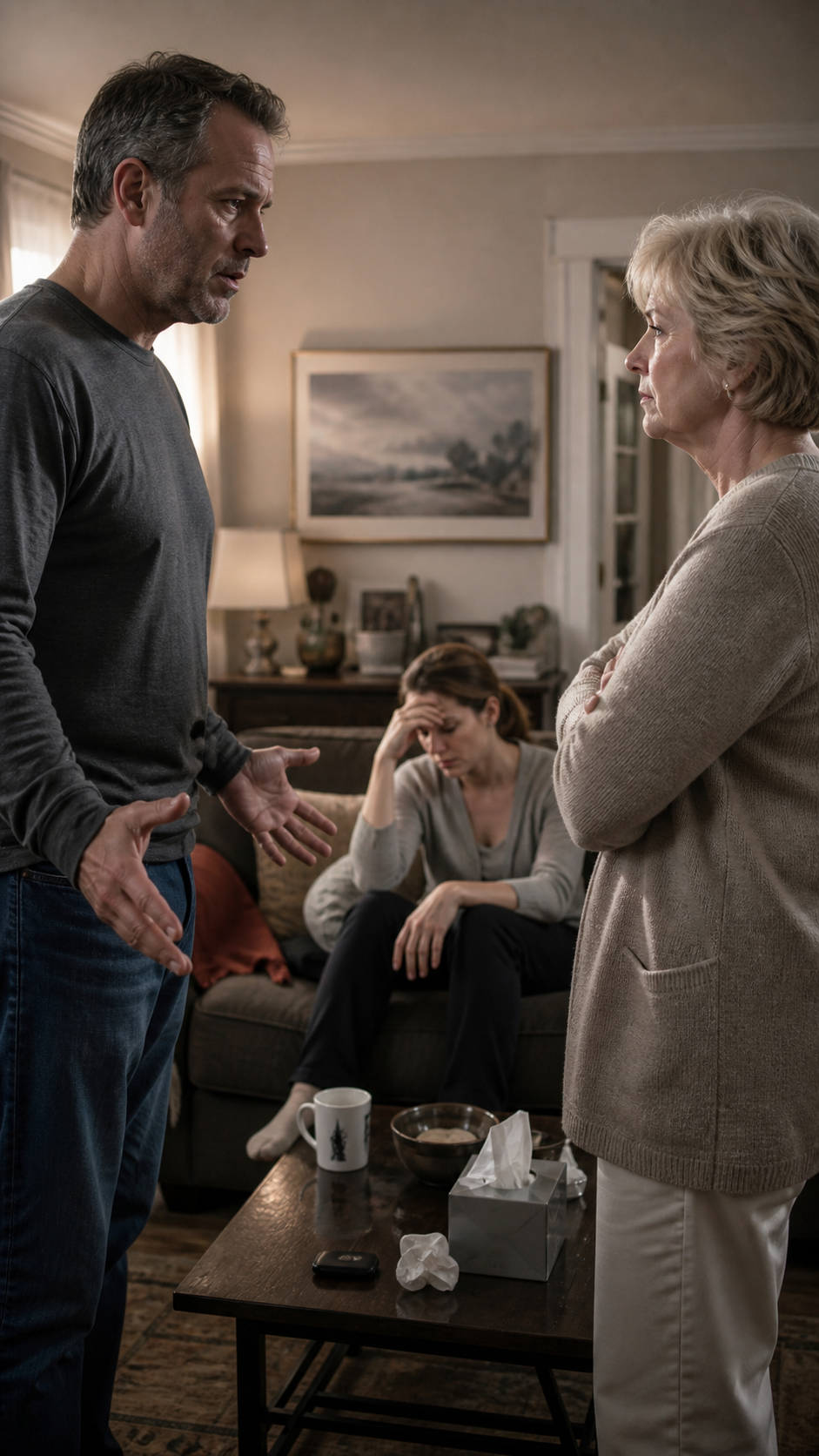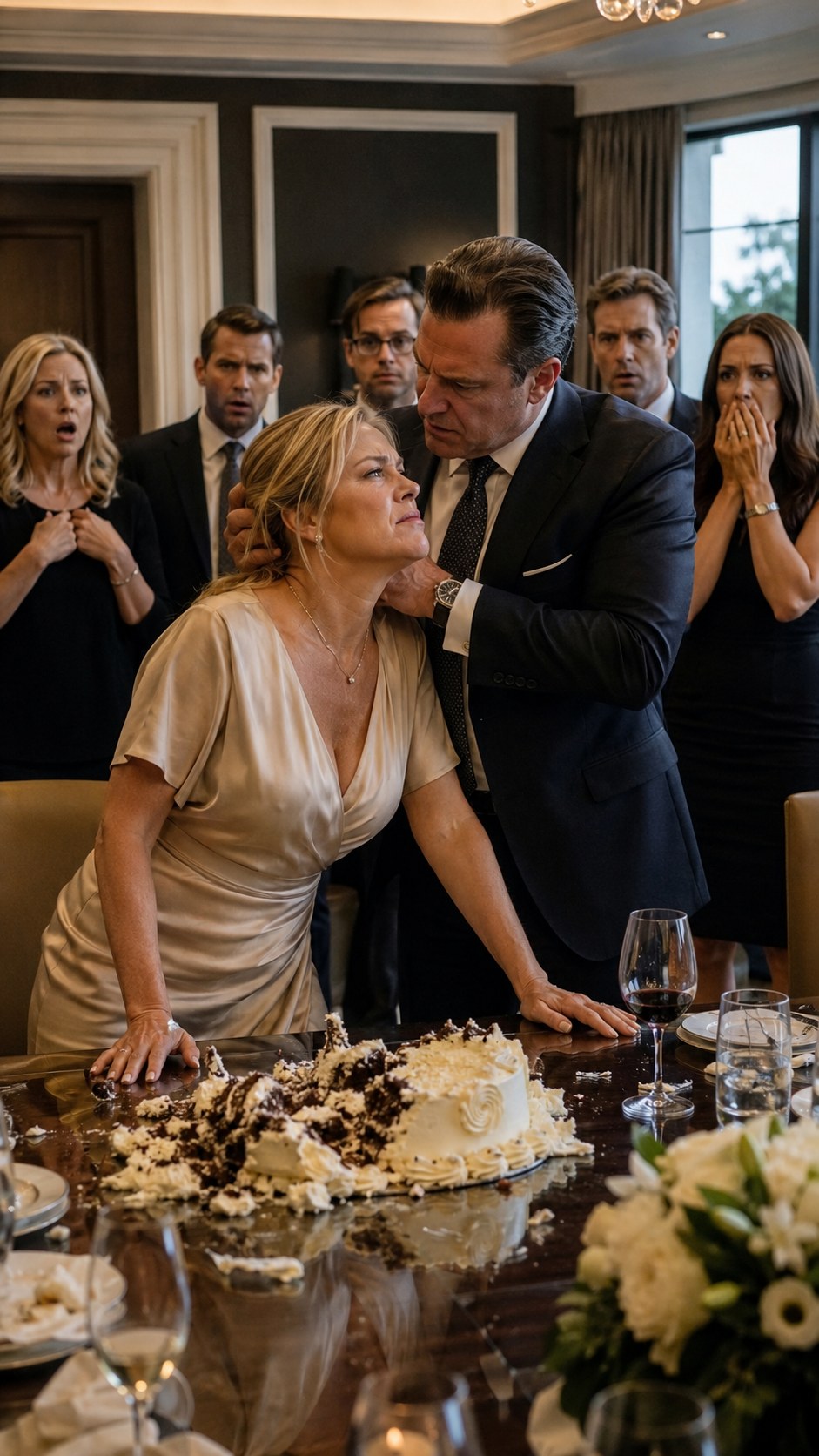
My daughter arrived at my training base badly hurt and shaken. She revealed that my ex-wife’s new family—all eleven of them—were responsible for confronting her and had even recorded the incident. As someone who trains tactical security teams, I immediately assembled my class and distributed their addresses. My only instruction to them was: "Get justice."
Deputies found him in his running Mercedes with a suitcase full of cash.
On day nine, the last two cousins were arrested in Phoenix. Eleanor looked through the infirmary window at Lily sleeping under a gray blanket. She hung up the phone and went back to the classroom.
Twenty - four trainees looked up from their after - action reports.
The Proof They Never Saw Coming
Eleanor stood near the whiteboard. “What’s next?” Mark picked up a marker and scribbled two words. “Now,” he said, “we ensure my daughter can testify.”
The Mercer County courthouse was wedged between a tax office and a bakery that opened bright and early at five each morning. That fact bugged Mark more than it probably should have.
People strolled by clutching cups of coffee and warm pastries while his daughter, Diane, sat in a secure room, gearing up to tell strangers in suits about the worst night of her life. The world just didn't stop for pain.
Diane wore a navy blazer over a white blouse. The swelling had gone down, but a faint mark still lingered beneath her makeup. Every few minutes, she pressed two fingers to her side, as if checking that she was still there. Mark stood by the door, hands folded.
“You look like you're about to storm the courthouse,” he said.
Diane shot back, “You look like a statue outside a military museum.” Tessa, standing by the window, smiled. “She's got a point.”
The prosecutor, Dana Wells, walked in with a thick red folder. She was calm, sharp, and noticed everything. “Admission of participation, surrender of devices, restitution, prison time, and written apologies,” Dana said, then paused.
“You don't have to read them. ” “I know. I don't want their written apologies. They'll just say what benefits them. I don't need fake remorse,” Mark replied. Diane looked at him. “What do you think?
” Mark could have said he wanted all of them locked up behind prison walls. He could have said Calvin should wake up to a cell door every morning and Marissa should be alone in the life she'd chosen over her daughter. But this wasn't his decision.
“I think you get to decide what makes you feel better,” he told her. She held his gaze, then turned back to Dana. “No private deals. No apology letters. Everything on the record. ” Dana jotted down a note. “Then we move forward. ”
Calvin entered wearing a charcoal suit. He was thinner than in old photos. His lawyer led him in like he was made of glass. Brent didn't even glance at Diane. The cousins lined up at the defense table also avoided her eyes.
She sat behind them in a cream - colored dress, twisting a tissue in her lap. Her eyes found Mark's first, full of blame, as if he'd planted the truth in her home.
The charges were read out. Motions were debated. Bail conditions were tightened after Dana showed that one defendant had tried to contact a witness through a third party. By the end of the hearing, four defendants were sent to custody.
Outside, reporters waited behind a taped - off area. Cameras swiveled when Diane emerged. “You don't have to say a word,” Mark told her.
Eleanor Hayes stood in the courtroom, her daughter by her side. Her daughter, with a determined look, began to speak. “My name is Eleanor Hayes. What happened to me wasn’t just a family squabble. It wasn’t a simple misunderstanding.
It was pre - planned, filmed, spread, and then covered up. I’m here because people like them expect me to stay quiet. I won’t be silent anymore. ”
A reporter shouted out, “Do you think your mother should be charged?” Eleanor answered firmly, “My mother just watched. Let the court decide what that means. I already have my answer.”
By the next morning, Diane, Eleanor's mother, was removed from the children’s charity board she always boasted about at parties. Mark, who worked for a company, saw his firm lose two municipal contracts.
Another relative, whose name was Brent, was put on indefinite leave from his job. The Hawthorne attorney issued a statement about privacy, healing, and so - called incomplete stories.
Eleanor scoffed, “They always say ‘incomplete narratives’ when there’s video evidence. ”
Getting an assault charge was tough, as Dana had warned. Diane hadn't laid a hand on Eleanor, and the law seemed more concerned with physical contact than betrayal. But Diane had deleted messages.
The morning after the incident, she'd called Eleanor and threatened, “If you tell anyone, I’ll say you came over drunk and started it. ” She'd also texted Mark, “Make sure the patio camera is erased. ” And she'd lied to deputies during the first welfare check.
In the real world, that was enough to put her in the defendant’s seat.
Eleanor moved into a small apartment near campus. It had two deadbolts, a security camera, and a rescue dog named Bishop. Bishop hated men in baseball caps. She went back to classes part - time.
Some days she'd laugh, but on other days, she'd sit on the floor with Bishop's head in her lap and stay silent. Eleanor's father learned not to rush her through this difficult time.
On the second day of the trial, the video was played. Eleanor's father couldn't bring himself to describe it in detail. He endured it because he had no other option. As the video played, the courtroom atmosphere changed. The jury stopped fidgeting.
Mark stared at the table. Brent closed his eyes. Diane looked at the screen for four seconds and then turned away. Her hands shook, but her eyes stayed open.
When the video ended, the silence was palpable. The prosecutor asked, “Ms. Hayes, do you recognize the people in that recording? ” “Did you give consent for the recording to be shared? ” “Did anyone in that room help you?
” The defense tried to turn it into a money - related issue. They insinuated that Eleanor had... well, they had their own ideas, but the truth was on Eleanor's side.
The hardest part was not the first consequence. It was the silence afterward, when everyone realized the old arrangement had ended. For years, they had treated my patience like a deed, a signature, or a permanent permission slip. That was the mistake.
I did not need to shout. The documents, the bruises, the records, and the witnesses had already said enough. By the time the calls started, I had stopped answering as the person they remembered. I was no longer protecting them from what they had chosen.
That was the part they never expected. I did not only take back a house, an account, a holiday, or a boundary. I took back the right to decide what my life would cost. The hardest part was not the first consequence.
It was the silence afterward, when everyone realized the old arrangement had ended. For years, they had treated my patience like a deed, a signature, or a permanent permission slip. That was the mistake. I did not need to shout.
The documents, the bruises, the records, and the witnesses had already said enough. By the time the calls started, I had stopped answering as the person they remembered. I was no longer protecting them from what they had chosen.
That was the part they never expected. I did not only take back a house, an account, a holiday, or a boundary. I took back the right to decide what my life would cost.