My Mother-In-Law Hid My Wedding Dress And Left Me A Maid's Uniform With A Note That Said Know Your Place, So I Wore It In Front Of 200 Guests
The Dress Was Gone Forty Minutes Before The Wedding
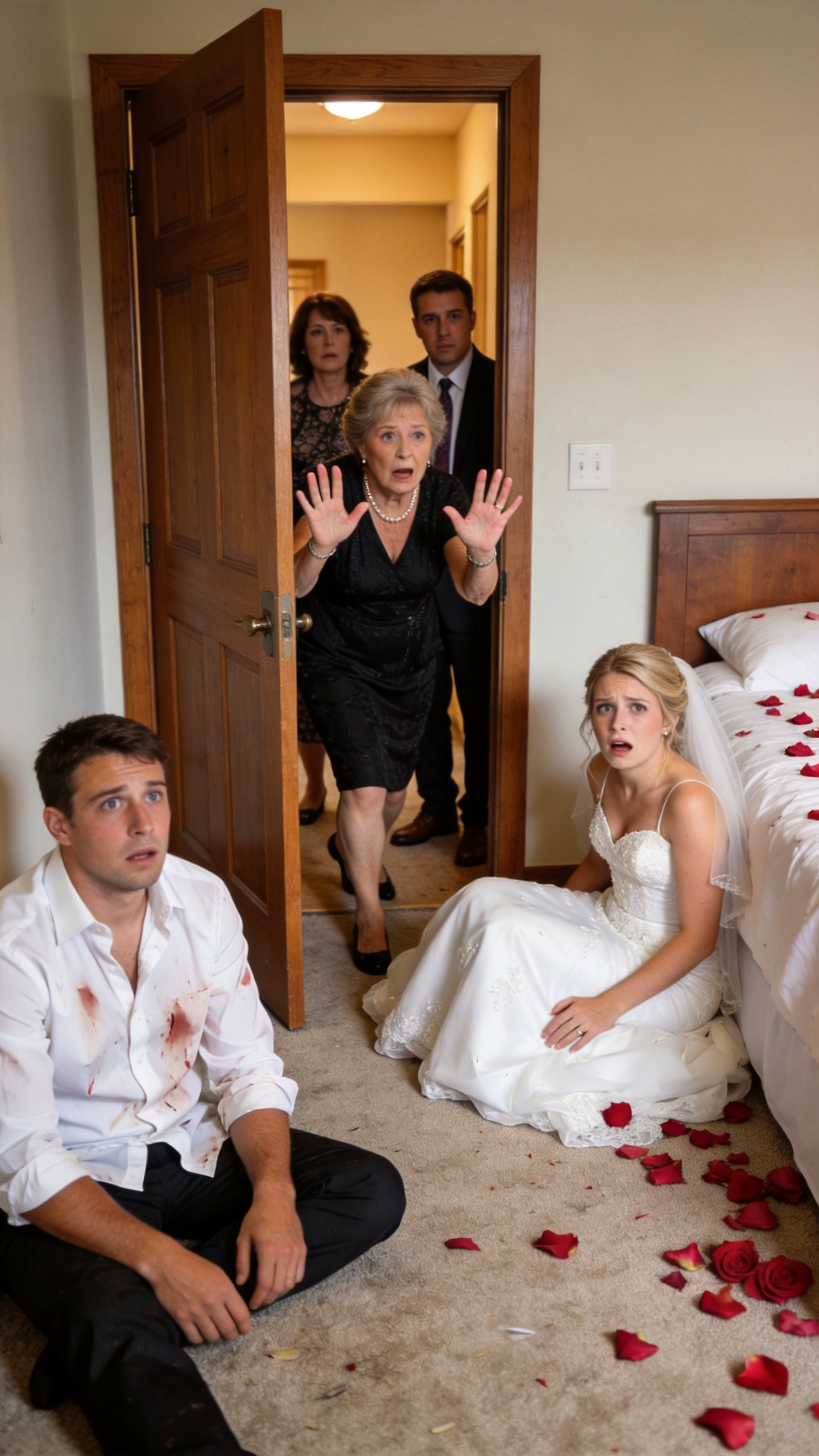
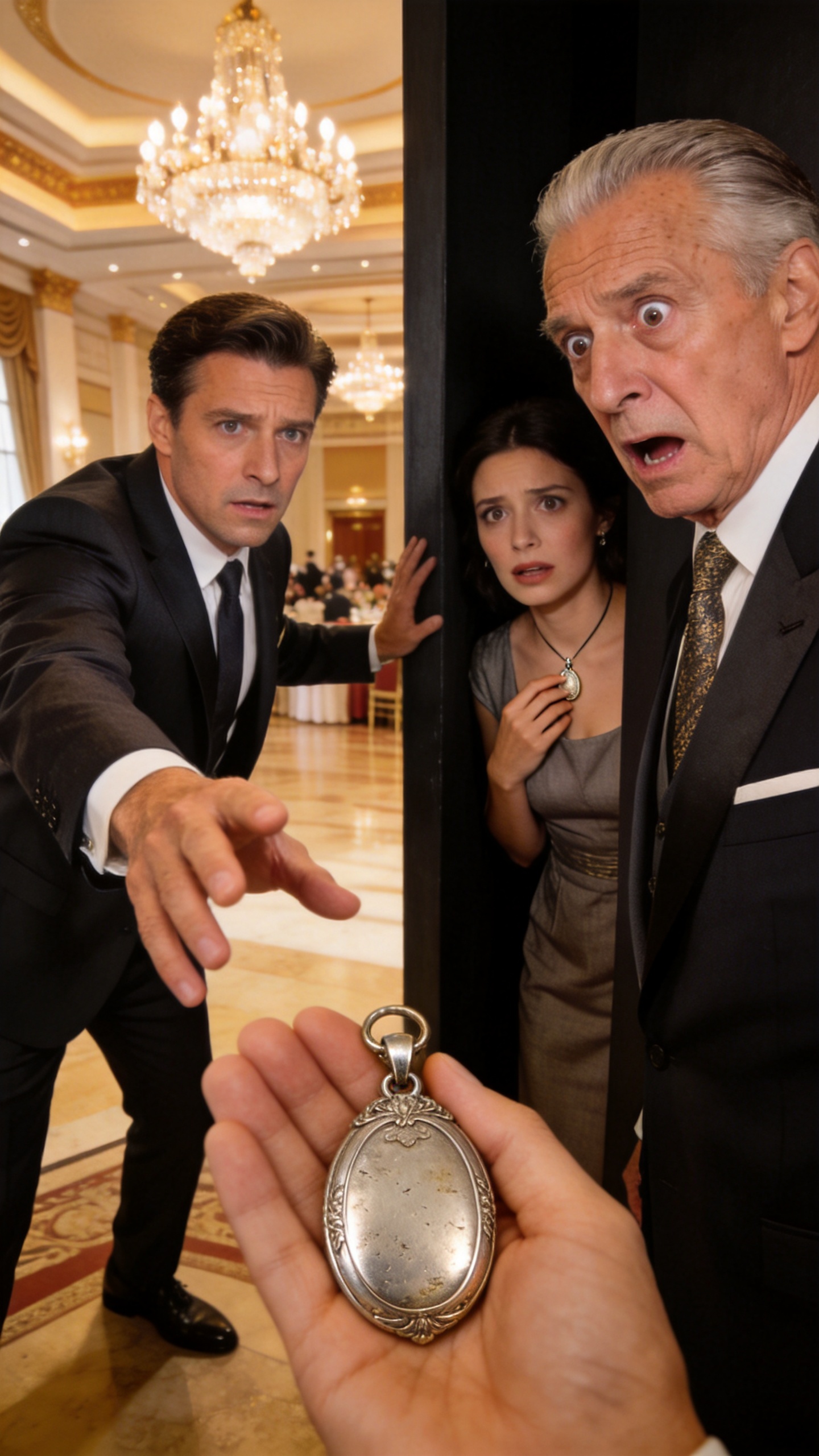
My wedding dress disappeared forty minutes before I was meant to walk down the aisle. Hanging where it should have been was a gray maid's uniform, perfectly pressed, with a note pinned to the collar: "Know your place."
For one brutal second, the bridal suite seemed to tilt around me.
At twenty-nine, I had negotiated labor settlements, survived hostile boardrooms, and buried my mother without breaking down in public. Still, that cheap uniform hit exactly where Celeste wanted it to. She wanted every guest to watch me be reduced, and every employee watching the livestream to know that the Whitmore daughter could be put in her place.
My hands trembled once. Then I remembered the encrypted folder waiting on my father's tablet.
Outside, two hundred guests filled the ballroom of the Whitmore Hotel, the luxury chain my father had built from one failing roadside inn. String music floated through the walls. Cameras waited. My fiancé, Evan Mercer, stood beneath an arch of white roses, ready to marry the woman his mother had spent two years calling "lucky."
Celeste Mercer had never forgiven me for having more money than her son.
She came in without knocking, diamonds flashing at her throat. "You found my gift."
My bridesmaids went still.
"Where is my dress?" I asked.
Celeste smiled. "Safe. Evan agrees that humility would improve you. Wear the uniform. Show everyone you understand what marriage requires."
Evan appeared behind her, fixing his cuff links. He did not look embarrassed.
"Mother thought it would be symbolic," he said. "After today, you won't need to play executive anymore. Sign the postnuptial documents, transfer your voting shares into our family trust, and focus on being my wife."
There it was—the demand they had denied making for months.
I looked at the uniform. Whitmore Housekeeping was stitched over the pocket. Celeste had chosen it because my grandmother had once cleaned hotel rooms to pay for my father's education. She thought that history made us lesser.
My father, Thomas Whitmore, stepped into the room. His face hardened when he saw me.
"Say the word," he said quietly, "and this wedding ends."
I touched the tiny pearl button on my bracelet. The hidden recorder inside it had captured every word.
"No," I said. "The wedding continues."
Celeste laughed. "Finally, some sense."
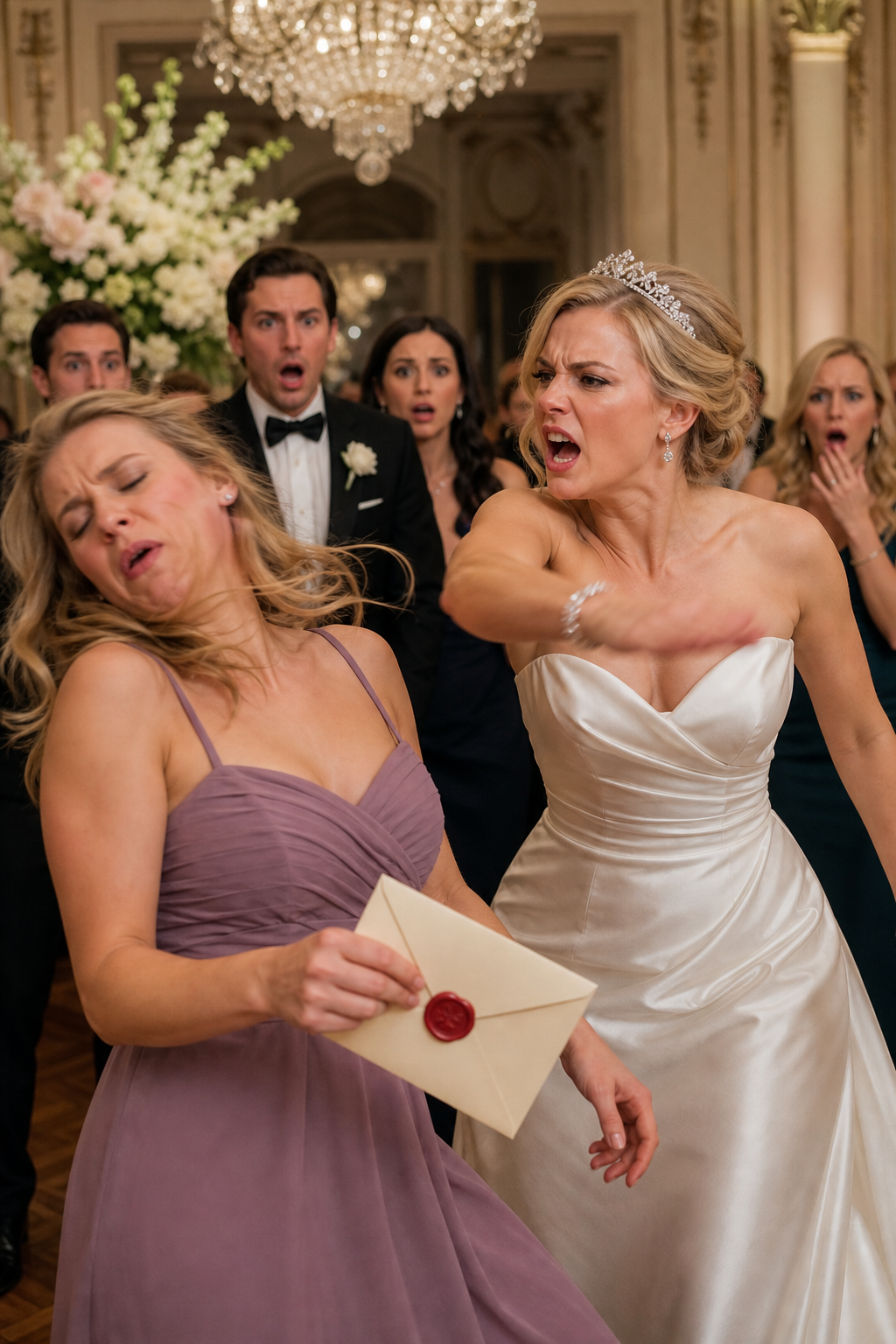
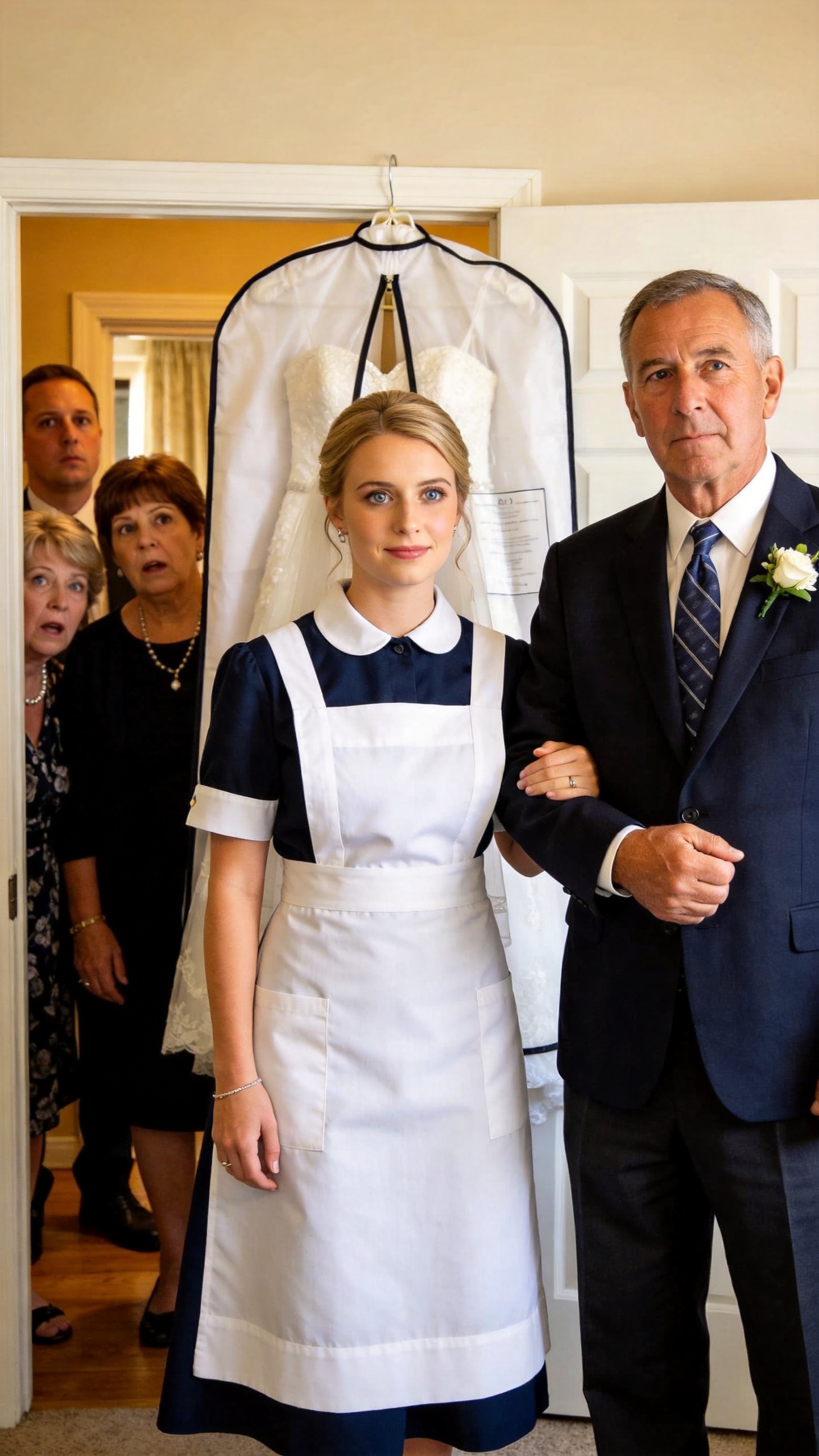
I changed into the uniform. My bridesmaids cried, but I did not. I pinned my grandmother's silver brooch above the embroidered name and slipped a sealed envelope into my pocket.
When my father offered his arm, his eyes searched mine.
I squeezed his hand. "They wanted a spectacle."
The ballroom doors opened.
Two hundred people turned toward me.
Evan's smile widened because he thought I had surrendered.
He had never looked more certain he had won.
He had never been more wrong....
Whispers spread through the ballroom as I walked between rows of investors, executives, politicians, and relatives. Celeste sat in the front pew with the satisfied posture of a queen watching a servant kneel.
Evan leaned toward his best man. "Told you she'd obey."
The microphone hidden among the roses carried his words through the speakers.
The Uniform Became Their Evidence
A nervous laugh moved across the room.
I stopped halfway down the aisle.
"My grandmother wore a uniform like this for fourteen years," I said. "She scrubbed bathrooms, changed sheets, and saved every dollar she could. My father used that money to study hotel management. Together, they created the company the Mercers have been trying to steal."
Silence dropped over the room.
Celeste stood. "This is inappropriate."
"So was hiding my dress."
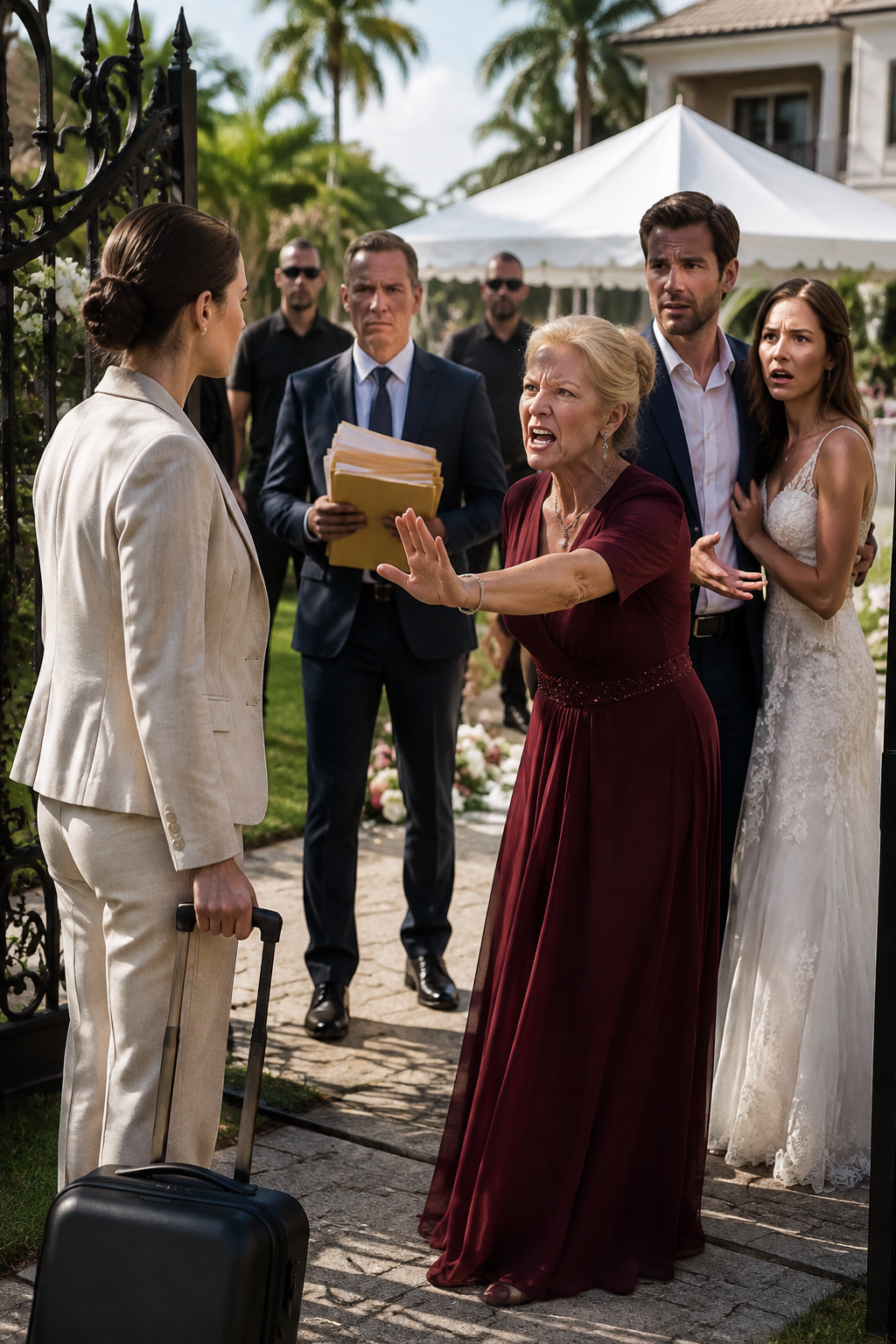
I took the envelope from my pocket and handed it to my father. Inside were copies of wire transfers, shell-company registrations, forged board approvals, and emails between Evan and Celeste. Over eleven months, they had moved thirty-eight million dollars from Whitmore renovation accounts into companies they secretly controlled.
Evan's confidence cracked. "Those documents are private."
"Some are," I said. "Some came from the forensic audit you triggered when you submitted a fake vendor invoice using my digital signature."
The clue had been Evan's carelessness: he used the same password for our wedding website and one of his hidden corporate accounts too.
I had served as Whitmore Group's chief compliance counsel for six years. They called my work decorative because I wore silk and spoke softly. They did not know I had spent the last three months tracing every payment, preserving every server log, and coordinating with outside auditors.
Evan stepped toward me. "You're confused. We were protecting the family."