I Told the Cops I Was a Judge, but They Jeered, Handcuffed Me, and Shamed Me in the County Lockup. The Next Morning, They Stepped into Court—and Stopped Cold the Moment They Saw Who Was on the Bench
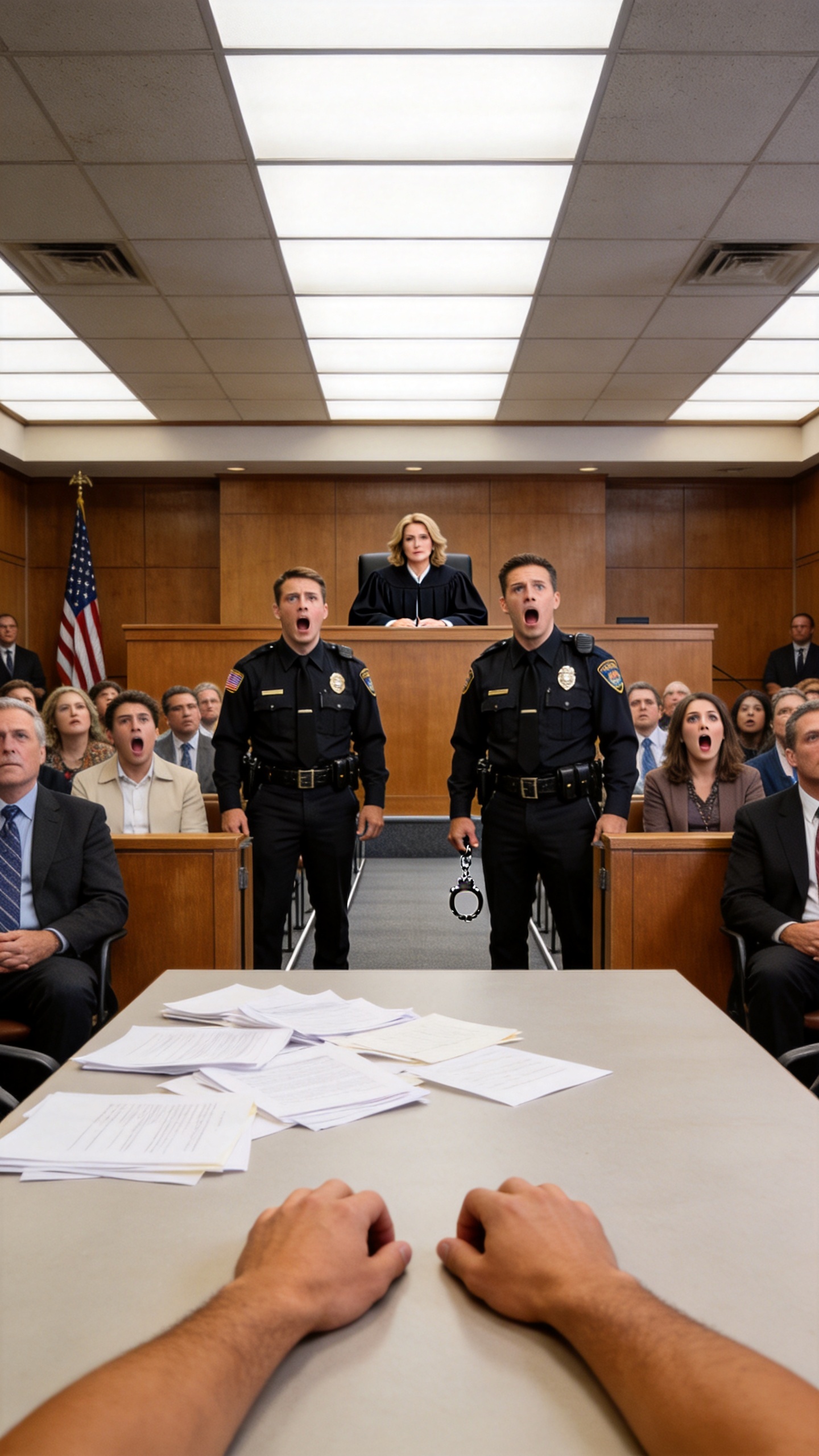
In the bustling town of Riverdale County, justice was supposed to be blind and the law unwavering. But one fateful day, the very pillars of the legal system were shaken when an innocent act of documentation turned into a nightmare for Judge Laura Thompson.
The Unjust Arrest
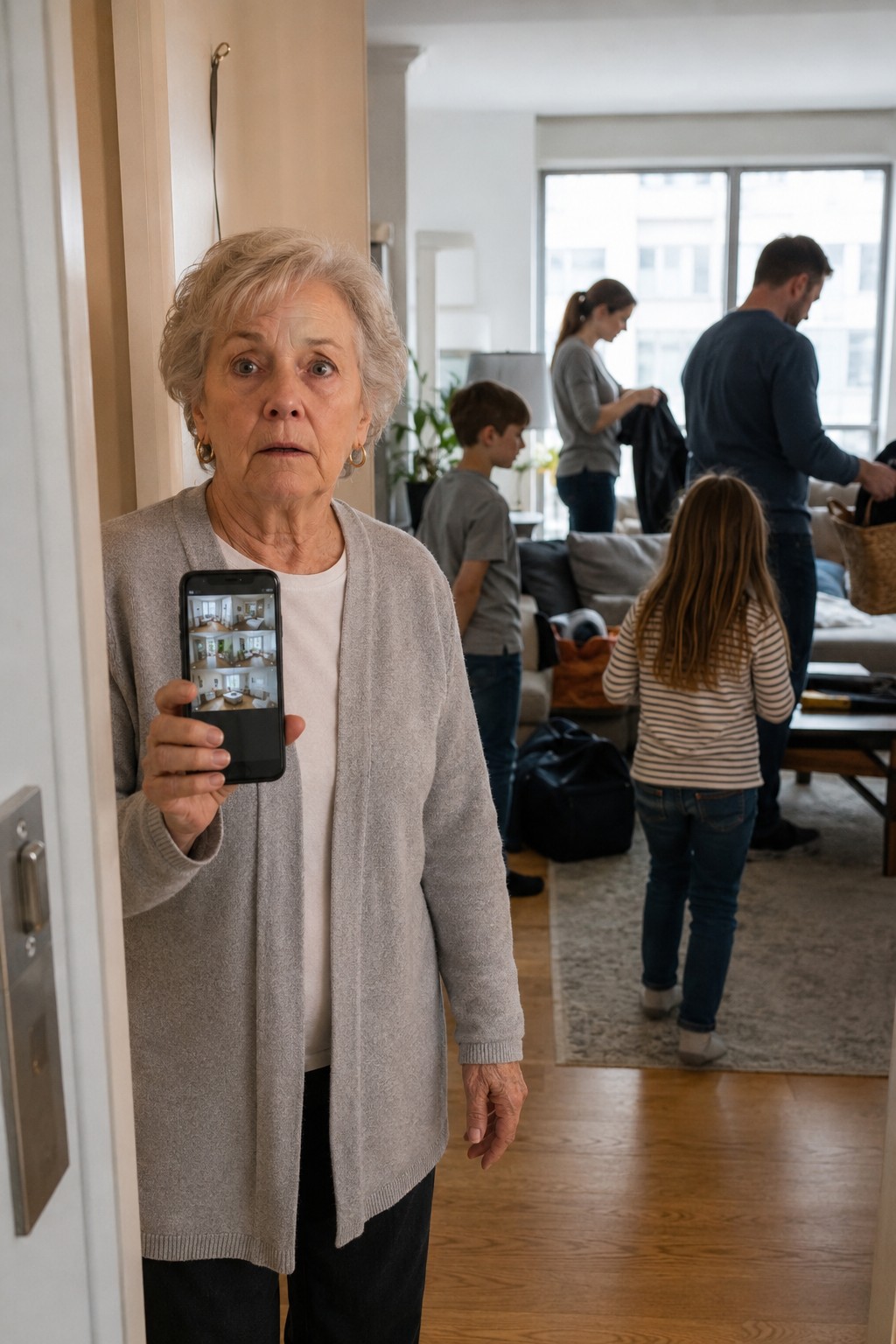
My name is Laura Thompson, and the first time those cops laughed at me, my face was pressed firmly against the burning-hot hood of their police car. The sun beat down on the metal, searing my skin. “Drop the phone! ” Officer Tom Jenkins barked, his voice booming with authority. I was standing in the courthouse square in Riverdale County, just a few minutes into my well-deserved lunch break.
A group of peaceful demonstrators was being forced away from the courthouse steps by a line of police officers. I wasn't shouting any slogans, trying to incite a riot, or blocking the traffic. I wasn't even touching anyone. I was simply documenting what was going on, as any citizen has the right to do in a public space.
Apparently, that simple act of exercising my right was enough to draw the ire of these officers. “I’m in a public area,” I said calmly, making sure not to raise my voice. I knew that losing my temper would only make the situation worse. “I’m not getting in the way of your work. ” Officer Ben Davis stepped right up in my face.
His breath reeked of cigarettes, and his eyes were filled with a cold, hard glare. “You folks always think the rules don’t apply to you,” he sneered. The insult stung like a whip, but I tried to remain composed. Before I could even react, Jenkins grabbed my wrist out of the blue.
I instinctively pulled back, not to fight, but just to keep my balance.
“Resisting arrest! ” he shouted right away.
The accusation came so fast it seemed like he had it memorized, as if he was waiting for any excuse to take me down. Before I could even finish saying who I was, they twisted my arms behind my back with such force that I let out a yelp of pain. They then slammed me against the police car.
The impact knocked the air out of me, and I gasped for breath.
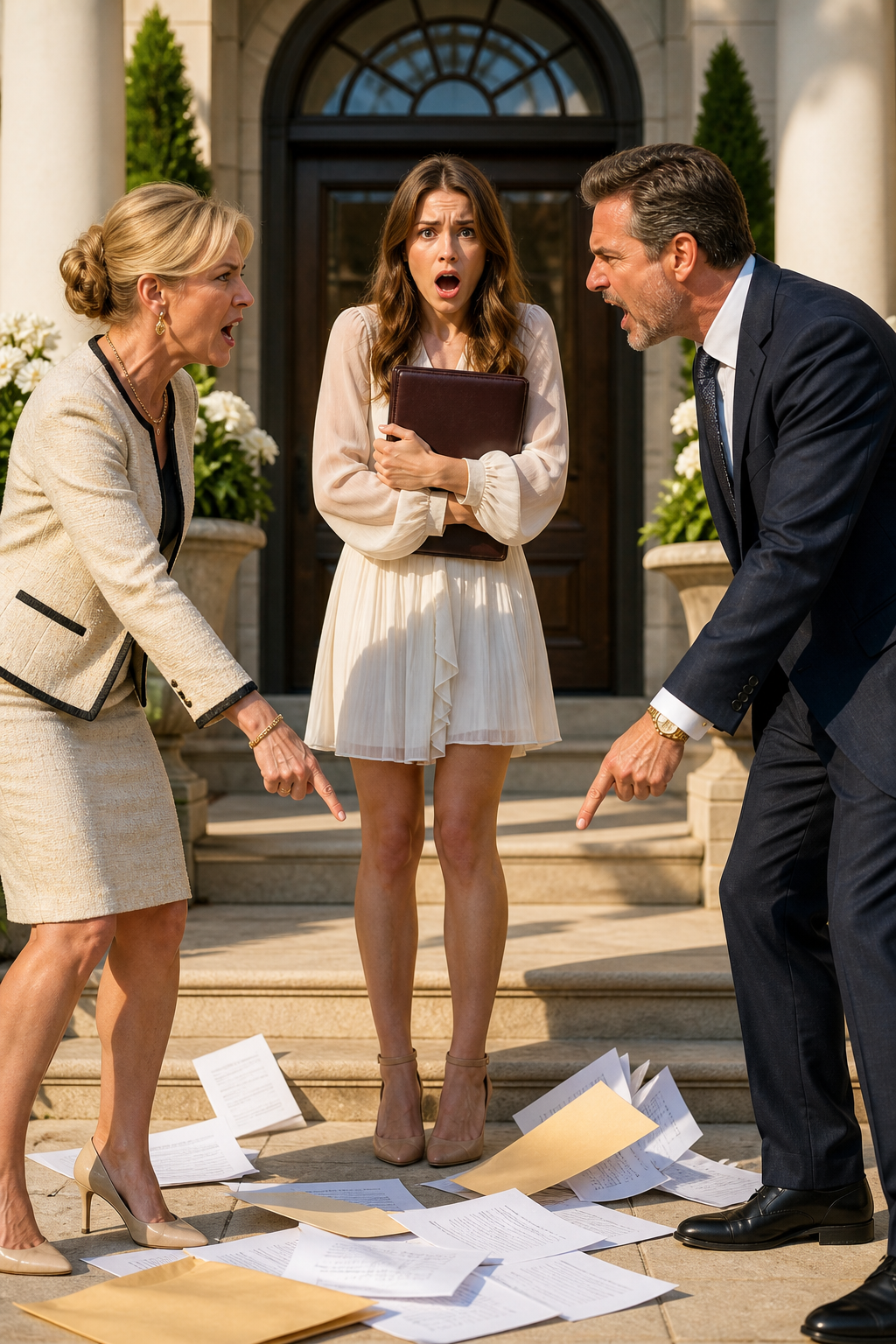
My briefcase flew open, and legal papers, case files, and court documents went flying all over the sidewalk. The papers fluttered in the wind like lost souls, a symbol of the chaos that had just erupted. A voice from the crowd yelled, “She’s a judge! ” Davis laughed. It was a big, dismissive laugh that echoed through the square.
“Everyone’s someone important these days,” he scoffed.
The handcuffs clicked shut around my wrists, and a sharp pain shot through my hands. “I am Judge Laura Thompson,” I said clearly and firmly, enunciating every word. “Riverdale County Superior Court. Check my ID. ” Jenkins just pushed me towards the back door of the car, his face devoid of any empathy.
“Tell that to the booking desk,” he said, as if my identity meant nothing to him.
The Humiliation in the County Lockup
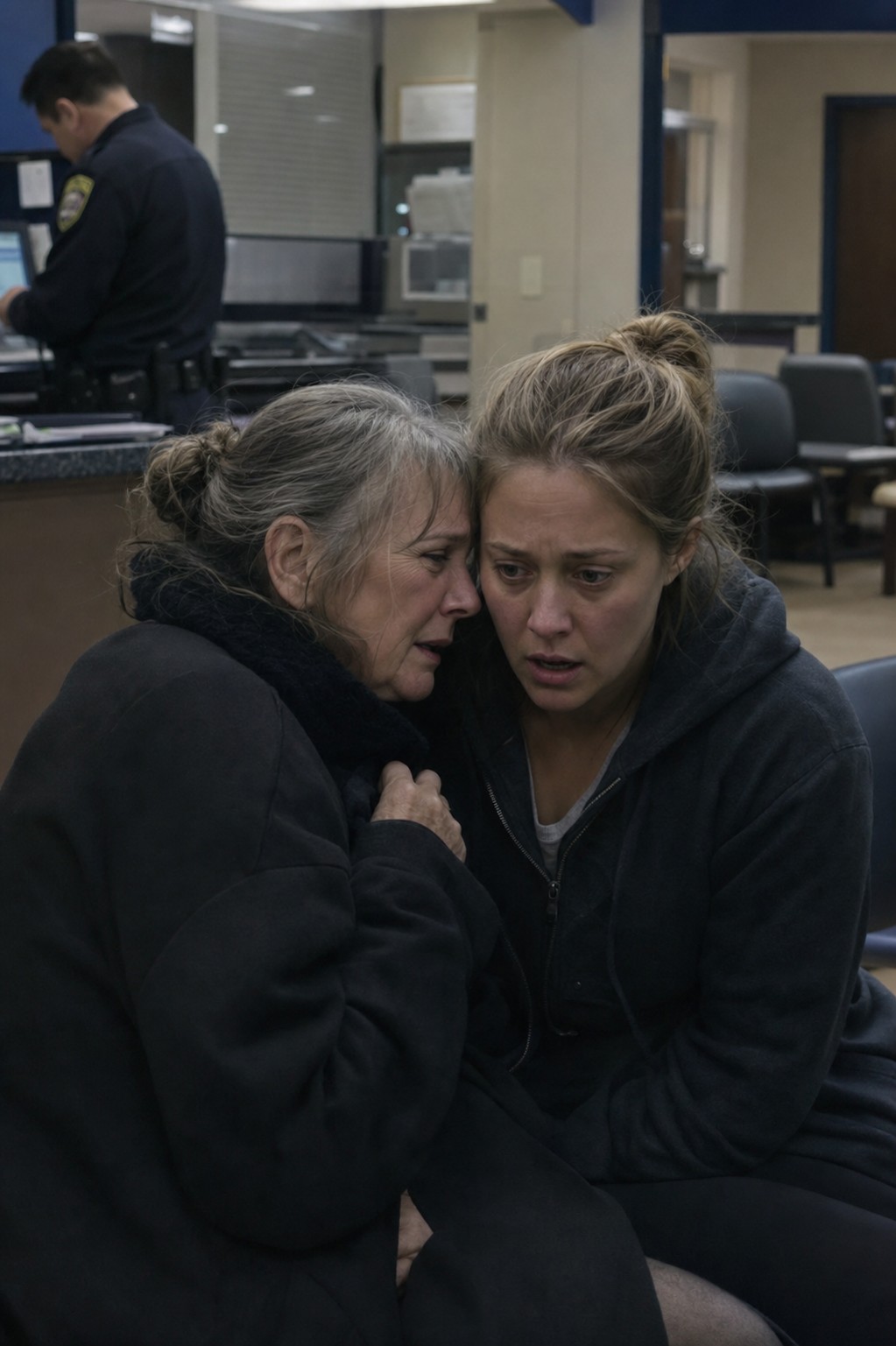
At the county jail, the situation only got worse. No one seemed to care about my claims of being a judge.
No one checked my credentials, and no one even bothered to look at my ID. It was as if they were on a mission to humiliate me rather than follow proper procedures. I asked to see the watch commander, hoping that someone in authority would listen to me. But they simply said no, without giving any reason.
I asked for a lawyer, knowing that I had the right to legal representation. They ignored me, as if my request was a nuisance. I asked them to keep all the body camera footage, understanding the importance of evidence in this situation. All I got were sneers and mocking looks. Then a detention officer came in with a pair of electric clippers.
“For the lice check,” she said, her voice monotone. I stared at her in disbelief.
“There hasn’t been an inspection,” I said, my voice rising with anger.
“No medical decision. No written order. No policy reference. This is illegal.
” Officer Davis leaned casually against the cell bars, grinning like he was at a comedy show. “Listen to her,” he said. “Still trying to give orders. ” The clippers started buzzing, and the sound echoed through the holding area like a death knell. I sat in that chair with my hands cuffed in front of me, feeling completely helpless.
Strands of my hair fell onto the concrete floor in dark, silent piles. The humiliation was on purpose. They wanted an audience, and they thought I’d cry, beg, or break down.
Instead, I looked right at them. One by one. Without blinking. Without looking down. I refused to give them the reaction they wanted. The clippers kept going, and more hair fell.
The concrete under my feet slowly got darker, as if it was absorbing my shame. Still, I stayed quiet, my eyes fixed on theirs, showing them that I would not be broken. When the last strand of hair dropped to the floor, Officer Jenkins stepped forward. A smug smile spread across his face.
“Tomorrow,” he said, “you’ll be begging. ” I slowly lifted my chin, my eyes filled with determination. Despite the handcuffs, the humiliation, and everything they had done, I refused to back down. “Tomorrow,” I replied, “you’ll be in my courtroom. ” For a moment, neither cop said a word.
Then they laughed again.
They really thought shaving my head would make me feel so small that I’d disappear, stay quiet, and forget what had happened. What they didn’t understand was that the jail surveillance cameras had been recording every single second. Witnesses had seen everything, and people were already talking outside those walls.
And morning court was coming a lot faster than they thought.
The Realization in the Holding Cell
The holding cell got quiet after that. It wasn't a peaceful quiet.
It was the kind of quiet that comes when people realize the joke might have gone too far and become evidence. Davis stopped laughing first, his face losing its smug expression. Jenkins followed, but he tried to cover it up with a sneer. “You think a camera can save you? ” he asked, his voice laced with hostility.
“No,” I said, my voice calm and steady.
“But it tells the truth when people won’t. ” He stepped closer to the bars, his eyes narrowing.
“Be careful, Thompson. You’re still in our place. ” That sentence told me everything. It wasn't a jail, a public institution, or a place bound by the law. It was their place, where they could do as they pleased without consequences.
For the next four hours, I sat on a metal bench under the fluorescent lights. My scalp burned from the shaving, and my wrists ached from the tight handcuffs. They refused to let me make a phone call twice, further isolating me from the outside world. They logged my arrest as disorderly conduct and resisting, even though every camera in that hallway knew that wasn't true.
They wrote that I had been “aggressive,” a blatant lie to justify their actions. At 3:17 a. m. , a young clerk walked by with a stack of papers. She stopped and stared at me, her eyes wide with shock.
“Judge Thompson? ” I looked up, and she turned white as a sheet. Within minutes, the watch commander showed up, suddenly all formal and wide awake.
Behind him came a deputy district attorney still buttoning his coat, and the county jail administrator with a look of panic under his professional face. “Your Honor,” the administrator said, his voice trembling. “There seems to have been a misunderstanding. ” I stood up slowly, my eyes fixed on him.
“My hair is on your floor,” I said.
“That’s not a misunderstanding. ” No one said a word.