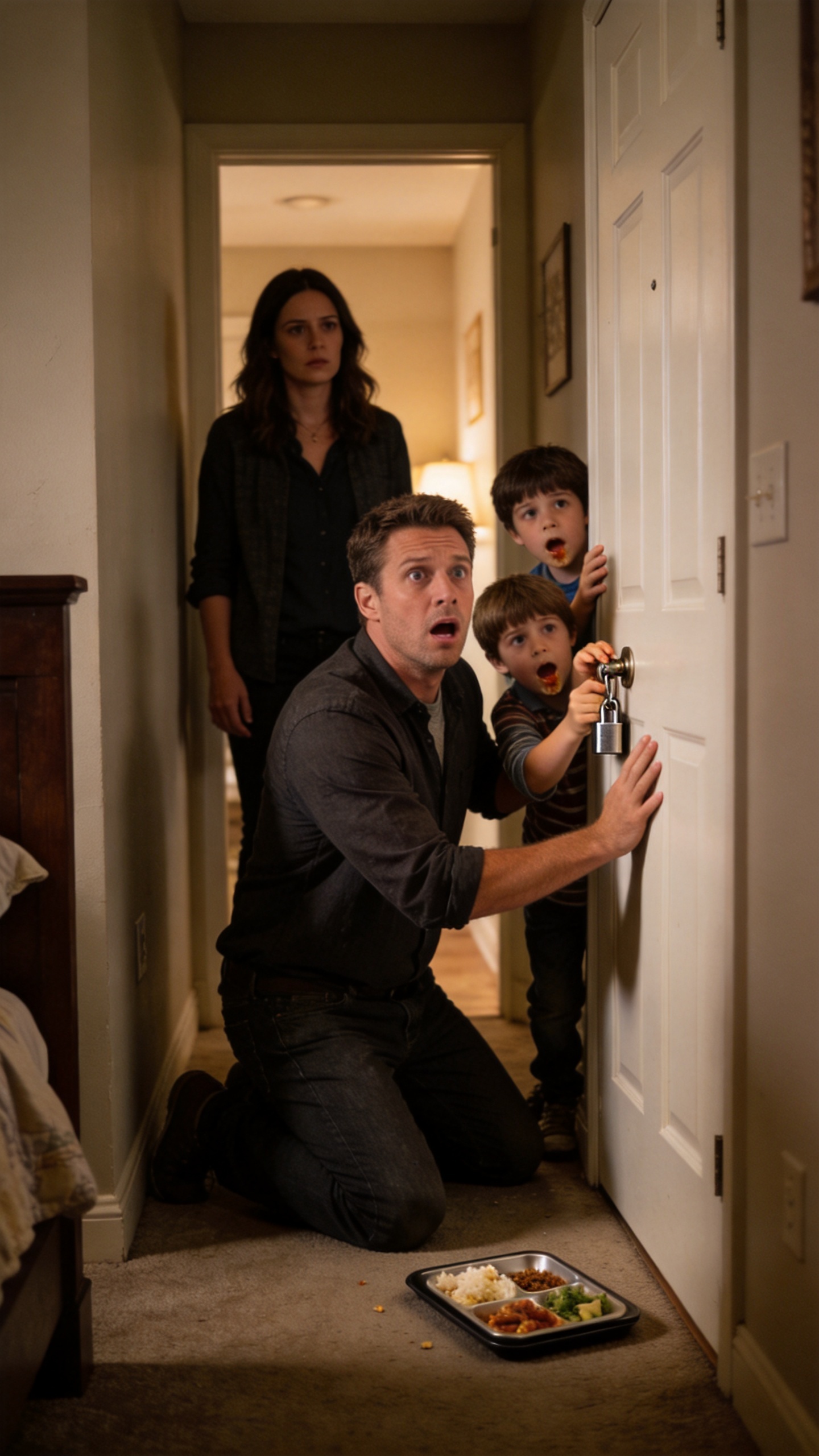
When My Son Got Married, I Never Told Him His Late Father Had Quietly Left Me a $4.2 Million Ranch in Eastern Washington, and Thank God I Didn't, Because Days After the Wedding My New Daughter-in-Law Showed Up at My Door With a Notary, a Smile, and Papers Meant to Put Me in Assisted Living and Hand Them Everything
The Moment They Thought I Would Stay Quiet
Eleanor Hayes never told her son Mark about the ranch she'd inherited from her late husband. She was glad every day she'd kept that secret.
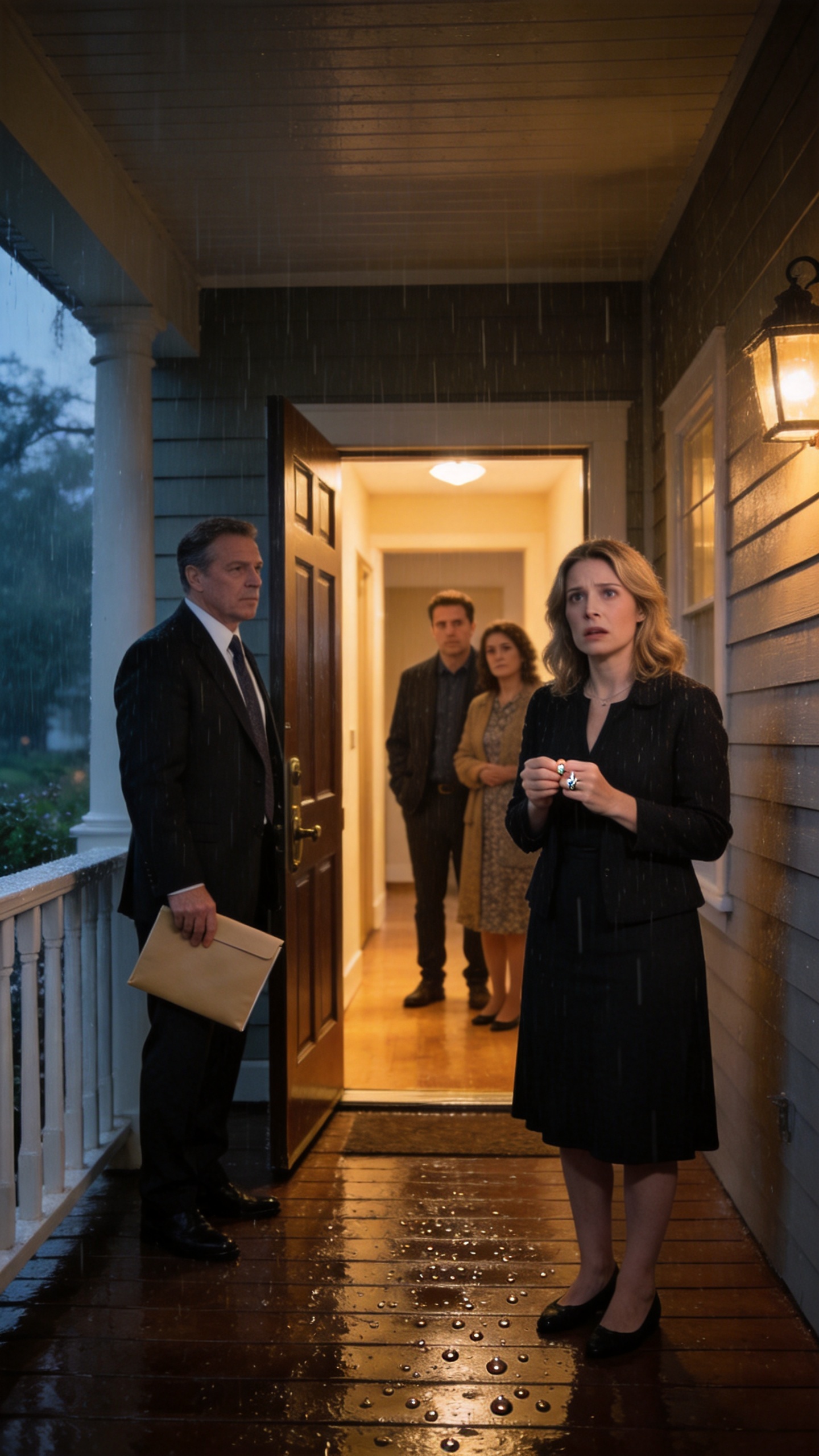
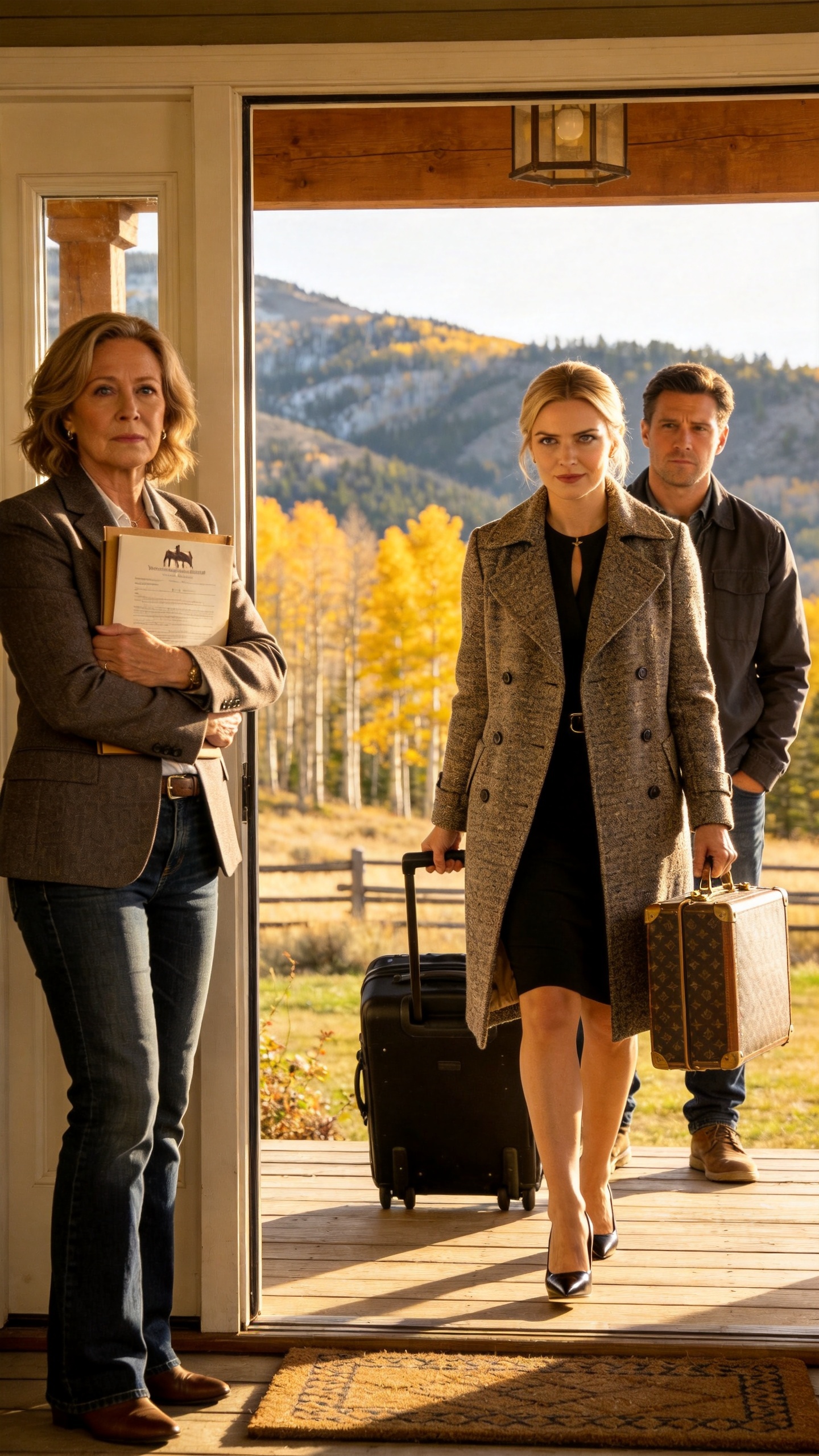
Just a week after Mark's wedding, his new wife, Diane, showed up at Eleanor's Seattle home. Diane's heels clicked on the porch. A well-dressed man with a leather briefcase stood beside her.
"Mom, this is Mr. Thompson. He's a notary," Diane said with a fake smile. "We're here to help you with some house paperwork."
Eleanor's heart sank. She knew exactly why they were there. But they didn't know how well she'd prepared. After her husband left her nearly 500 acres in eastern Washington, she'd learned the power of silence.
Eleanor was 69. She'd spent 30 years as a wife and mother in a simple house near Seattle. She'd worked part-time jobs, saved every penny, and made meals stretch.
When Mark decided to marry Diane, Eleanor sold her jewelry to pay his student loans. She brought him food when he was sick and wrote checks without a word.
Eleanor hoped to welcome Diane like a daughter. She cleaned the house, cooked Mark's favorite childhood meals, and wore her best dress.
But Diane greeted her with a light touch on the shoulders, avoided eye contact, and called her "ma'am." At dinner, Eleanor's questions about Diane's life got short, cold answers. Diane barely touched the food Eleanor had spent hours on.
"I usually like proper restaurants," Diane said softly, as if Eleanor's cooking wasn't good enough.
Eleanor thought Diane might be nervous. But the wedding showed Eleanor the truth. She was put in the fifth row, introduced as "Mark's mom" without any pride.
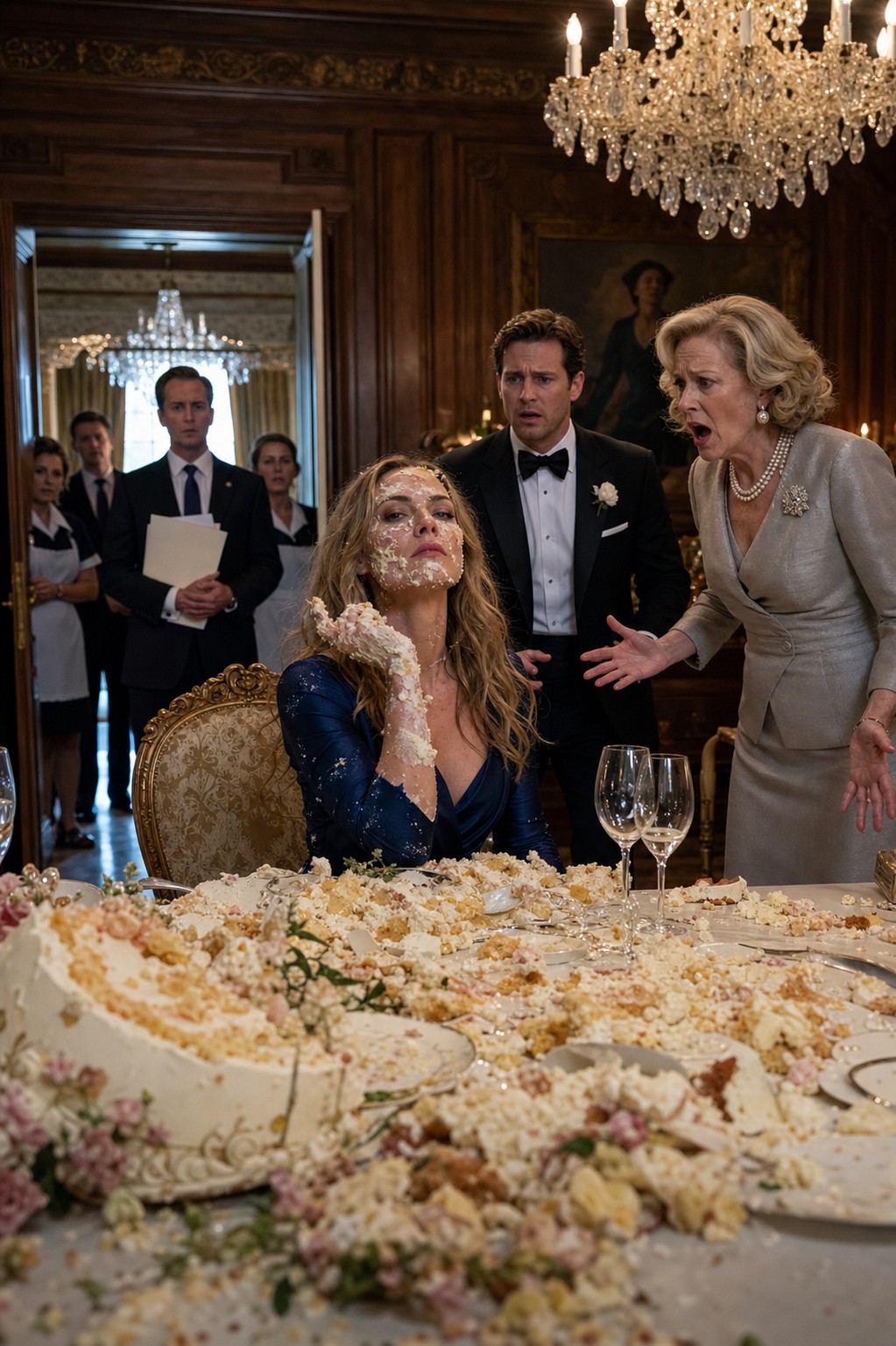
When Eleanor offered to bake the family cake, Diane laughed. "Oh no, Mom, I want a professional pastry chef. It'll look like a magazine photo."
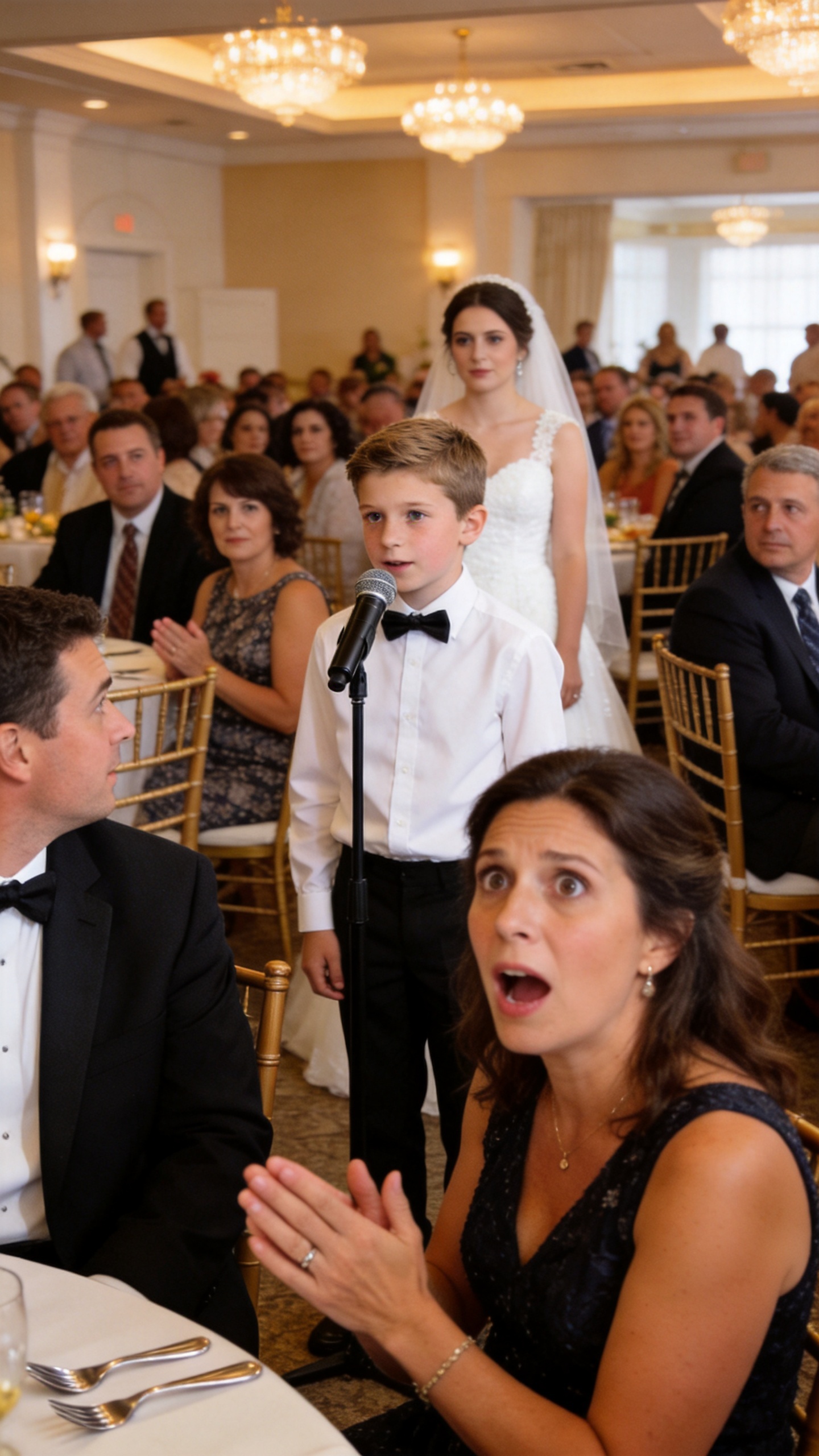
During the speeches, Eleanor waited with her notes full of love. Diane called everyone else first. When Eleanor started a childhood story, Diane clapped loudly, cutting her off.
Eleanor watched Mark celebrate without her that night. She felt invisible in a room that should have been full of family.
When she told Mark she was leaving, he hugged her quickly and said, "Thanks, Mom, love you," then turned away.
Driving home alone, Eleanor remembered her husband's last words. "If I'm gone, don't let anyone push you around. You're stronger and have more than you think."
The next morning, Eleanor Hayes opened the safe. There, beneath a bunch of old papers, was the deed that held the key to a whole new world. It was proof of nearly five hundred acres of land in eastern Washington.
The land had cattle roaming around, a big farmhouse, and several rental cottages. It was all legally hers. The property was worth over four million dollars, and she'd never breathed a word about it to her son, Mark.
Eleanor's husband had inherited the land. They'd once planned to give it to Mark someday. But after meeting Mark's new wife, Diane, Eleanor knew she had to keep quiet. It wasn't just about protecting the land anymore; it was a must.
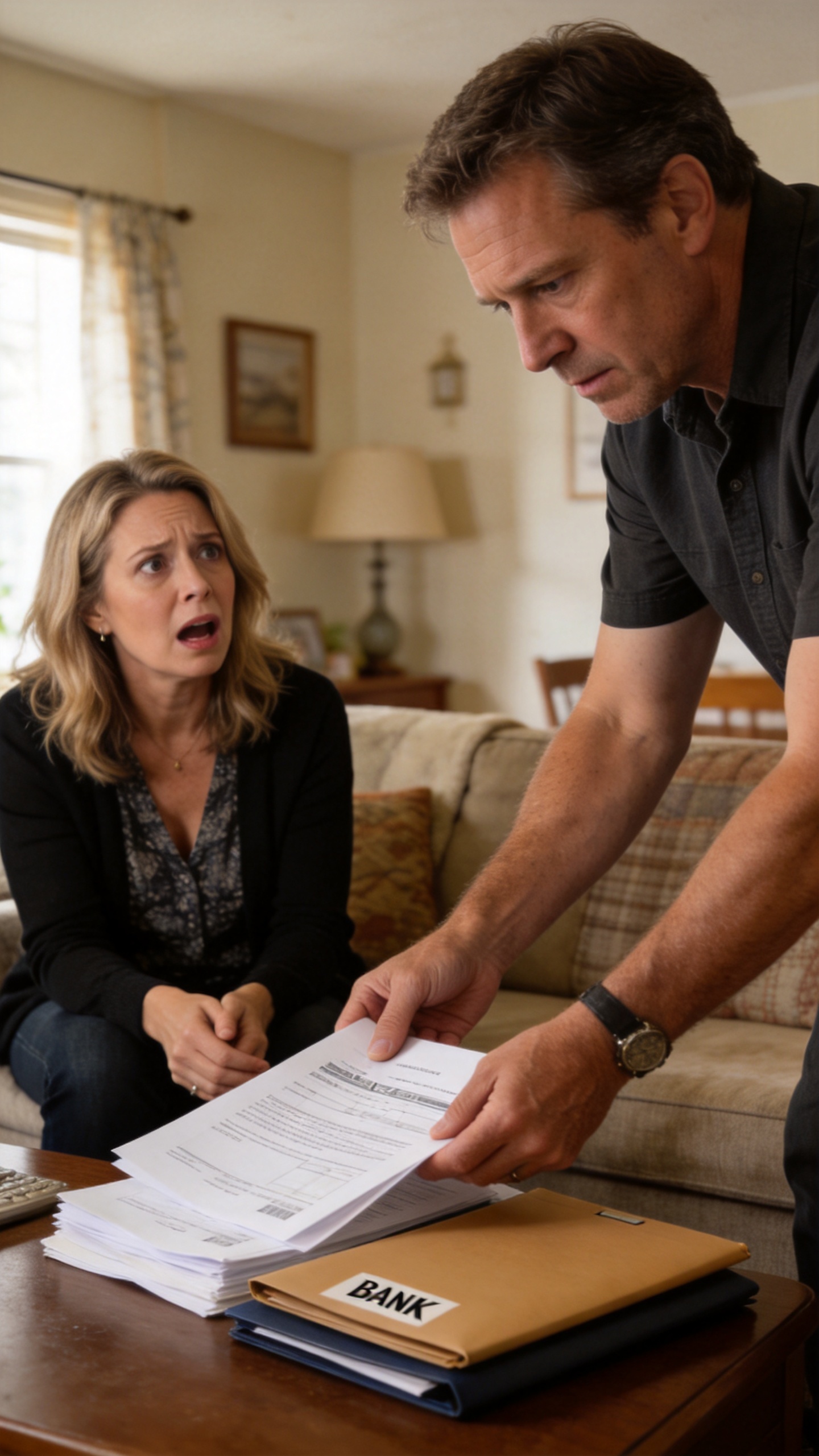
Three days after the wedding, Mark called. His tone sounded like he was being led by someone. "Mom, have you thought about moving to a smaller place? That big house is a lot for just one person," he said carefully. "I'm sixty-nine, not ninety.
I love my home," Eleanor replied, trying to stay calm. Mark kept gently pushing, talking about assisted living and safety. But Eleanor refused every time.
Two days later, Diane called. She wrapped the same suggestions in fake concern, saying they should sell the house and invest the money for Eleanor's future. "I'm not selling my house," Eleanor told her firmly.
The calls kept coming. Sometimes it was Mark and Diane together, sometimes it was Diane's father giving "advice." Eleanor realized they were testing her limits.
That's when Eleanor contacted an attorney named Laura Chen. A friend from church had recommended her as an elder-law specialist. "Tell me everything," Laura said. Eleanor poured out the whole story.
After a pause, Laura said, "This sounds like the start of financial exploitation. It often comes from family who think they're entitled. "
They spent hours building a legal shield around Eleanor's life. They set up a trust, gave power of attorney to Eleanor's trusted friend Nancy Collins, and documented every interaction. "If they bring documents, call me right away," Laura warned.