On the third day of our marriage, my husband kicked the table and shouted, “A wife has to be beaten if you want her to obey.” I didn't cry. I simply took out my phone, started recording, and asked him to repeat who had taught him that.
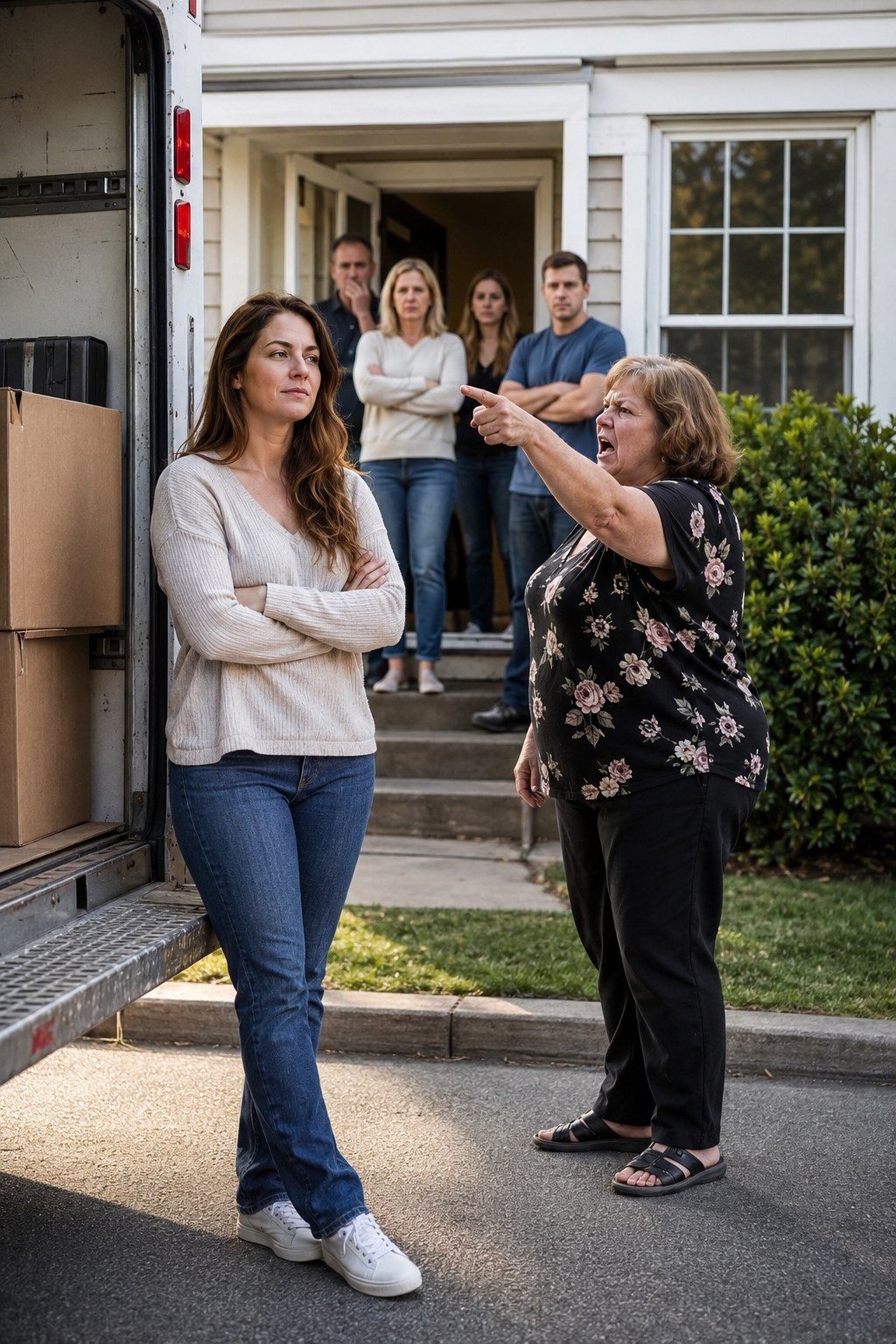
In the end, she left, yelling insults and dragging her embarrassed friends behind her. That was the last time she came to my workplace.
That night, my family lawyer, Mr. Raymond, sat in his quiet office and carefully looked at the new recordings. He was a kind, white - haired man who'd known my mom for years. He listened to every audio file without interrupting.
“You did the right thing by documenting everything,” he said, taking off his glasses. “But you need to know Mark will try to play the victim because he got hurt.
We have to prove you were just stopping a domestic attack and left as soon as it was safe. ”
He continued, “No private meetings and no unrecorded calls. From now on, everything in writing.”
Over the next few weeks, we followed his plan. I showed the photos of the broken table, the bruises on my arm, the scratch on my jaw, and the clear recording of Diane's instructions.
Mark soon got a legal notice to stay away while the police checked the facts. He didn't come to the sports center again, but he sent me dozens of confusing texts. First, he apologized a lot. Then he blamed me for his mom's hospitalization.
Then he begged for another chance at our marriage. I never replied to a single message.
What Their Cruelty Cost Them
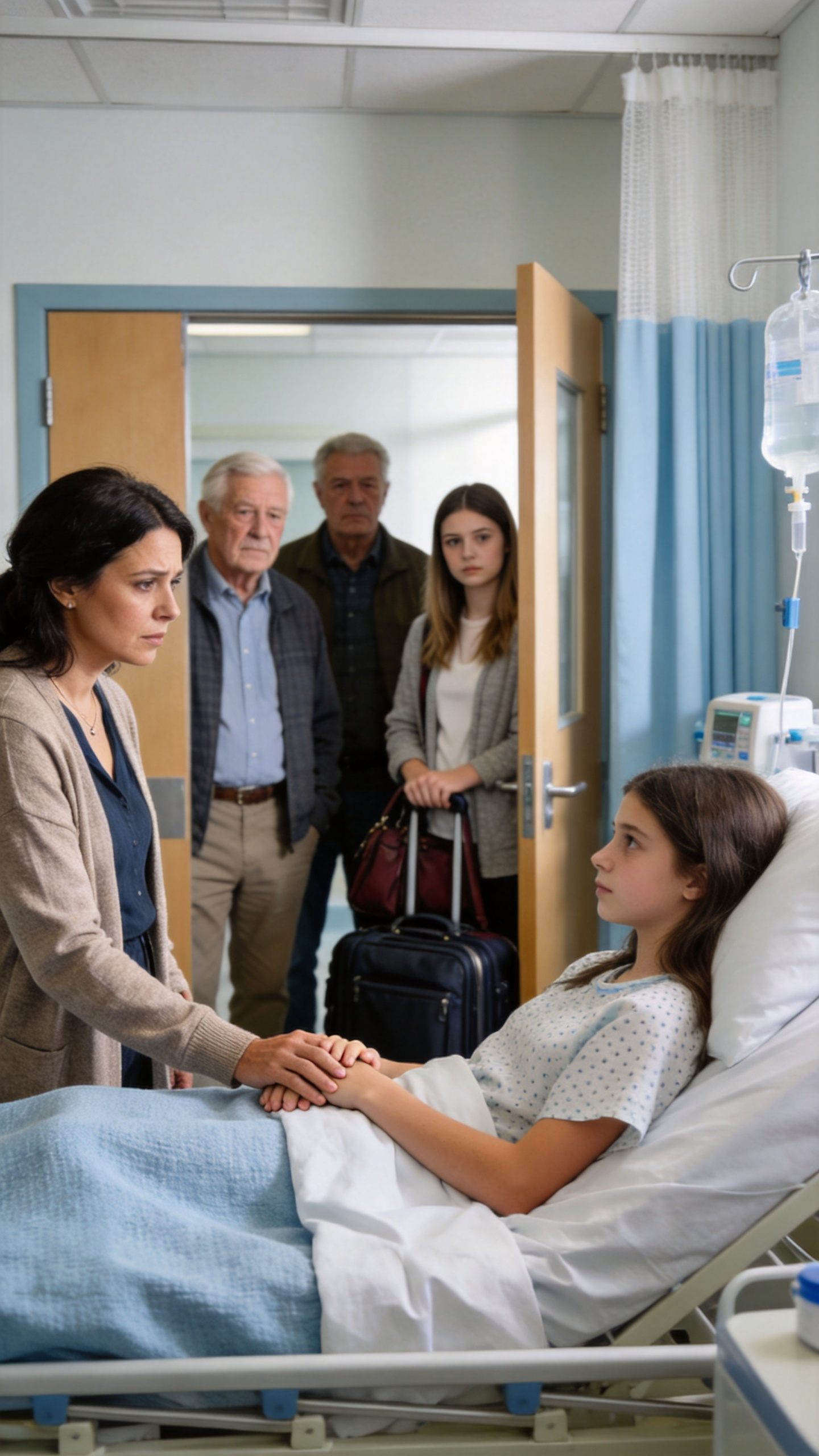
Eleanor ended up in the emergency room. The stress of public humiliation had triggered a severe high - blood - pressure crisis. This sudden hospital stay brought an unexpected family problem.
Mark rushed to the hospital pharmacy to get Eleanor's prescribed medicine. When he reached for his wallet, he found he had hardly any cash. He couldn't recall the PIN of the main bank account where Diane, his mother, kept all his salary savings.
In the hospital bed, hooked up to an IV, Eleanor was stubborn and furious. She refused to give Mark back his debit card. Right in the middle of the ward, in front of shocked nurses, they had a heated argument.
“I’m thirty - two! I can’t even buy my own stuff without your say - so!” Mark shouted, utterly frustrated. “Everything you have is because of my hard work!” Eleanor screamed back. “You can’t live a single day without me in control!”
For the first time, Mark heard the same controlling words he'd tried to use on Diane.
Two weeks later, he agreed to legal mediation at a quiet coffee shop near the courthouse. Diane came with Mr. Raymond. Mark arrived alone. His eyes were ringed with dark circles, his beard was unkempt, and his old sweatshirt was stained.
“Mom doesn't live with me in the apartment anymore,” he said softly before sitting down. “She packed up and went to live with her sister in the countryside.” Diane kept her face blank and didn't reply.
Her lawyer calmly placed the divorce papers on the table. The legal agreement was straightforward: an immediate divorce, the return of the money Diane had put towards the apartment down - payment, and both parties waiving future claims on personal property.
Diane said she'd avoid a long public legal battle if Mark respected the restraining order and signed right away.
Mark stared at the papers for several minutes. “Is there really nothing left between us, Diane? ” His voice cracked. “What you broke that night wasn't just a kitchen table, Mark,” Diane looked him in the eye.
“It was my sense of security, and without it, there can't be a marriage. ”
“I was just so angry that night,” he stammered, looking at his hands. “Mom filled my head with nonsense about how to treat a wife. ” “Your mother raised you badly, that's true. But you were the one who picked up the chair,” Diane said firmly.
“You chose to follow her cruelty. ”
He looked down at the table, unable to meet her gaze. “I can change, I promise,” he whispered. “Change for yourself, but do it far from me,” Diane replied. He picked up the pen and signed the papers. The divorce was quickly finalized by the court.
Diane got her down - payment money back and gave up all claims to the apartment. She didn't want to live in a place bought with her savings if every corner would remind her of that terrifying night.
For a long time, I lived in a plain, cramped room behind the municipal sports court. There was just a twin bed, a small metal desk, and a shared hallway shower. But I slept better there than in the new apartment. The building had 24 - hour security.
No one could get in without being registered.
The day after the mediation ended, I went back to my martial arts training. After a long, tiring class, I gathered my students on the soft tatami mats.
“What we learn in this dojo isn't for showing off, starting street fights, or punishing those who hurt you,” I said, looking at each of them. “It's to create a chance to escape danger. Uncontrolled force turns a victim into an aggressor.
Force with a purpose protects life and dignity. ”
Kimberly raised her hand shyly from the back row. “What if there's no way out of a bad situation? ” she asked. “Do what you need to survive. As soon as you can, leave the area,” I replied clearly.
“Then get professional help, document the evidence, and don't go back to that person alone. ”
After the other students packed up, Patrick stayed in the gym. He reached into his backpack and pulled out a small training stick. It wasn't a weapon, just padded equipment for defense practice. “Keep this, coach.
Remember you're not alone,” he said, holding it out. “Patrick, I can't take this. It belongs to the municipal club,” I said, smiling a bit. “Jimmy said the administration will change the team gear next month,” he said, looking embarrassed and running out.
A few months later, I got an unexpected business offer from a group in the capital. A team of former martial - arts competitors wanted to open a self - defense center for women and teens. It wouldn't just teach physical strikes.
There'd be psychologists, free legal advice, and workshops on spotting financial control, social isolation, threats, and family manipulation. The project was called Root Force.
When I quit the municipal sports center, the director tried to make me stay. “I can give you the head coordination position and a big raise,” he pleaded. “I'm not running away, boss. I'm moving forward,” I told him with a smile.
On the day I left, Jimmy drove me to the bus station. Just before I got on the bus, Patrick ran up, out of breath. He had a heavy paper bag with bottled water, chips, a napkin - wrapped sandwich, and a slightly bruised apple.
“Here's food for the long trip, coach,” he panted, handing me the bag.
What Their Cruelty Cost Them
Eleanor stood there as Mark carefully put a small, roughly - sanded wooden board in her outstretched hand. He'd used a hot soldering iron to burn a single word, “Strength,” right in the middle of the wood.
On the back, there was a neatly written note: “From a student who did learn. ”
Eleanor was stunned. For several long seconds, she couldn't say a word. Tears welled up in her eyes. Her old martial arts teacher, Mr. Kenneth, always said a true victory wasn't about knocking an opponent down.
It was about stopping fear from being passed down through generations. That little, burned piece of wood showed her Mr. Kenneth had been right all along.
Eleanor's organization, Root Force, started in a tiny, rented commercial space in the city center. At the first intro session, only eight nervous women showed up. Some were too ashamed to look at each other.
One woman tried to hide deep purple bruises under her long winter sleeves. An older woman had given her whole monthly salary to her husband for fifteen years because he said she couldn't handle money.
A young teen came because her boyfriend checked her phone and threatened to post her private photos if she left.
They didn't start the first class by punching heavy bags. Instead, they named the problems happening in their homes. “Control is not love,” Eleanor repeated every day as they sat in a circle.
“Jealousy isn't protection, humiliation isn't discipline, and marriage doesn't make someone your property. ”
After they grasped those truths, the women learned proper posture, balance, how to use their voices, keep a safe distance, and find escape routes in a room.
They spent hours practicing how to get a heavy hand off their wrists, call for help in public, attract bystanders, and run fast without falling.
They also rehearsed making emergency calls under pressure and made safety plans to get important legal documents before leaving an abusive home.
Over the next two years, the community center grew beyond Eleanor's wildest dreams. A local charity funded scholarships for low - income women. The city government let them offer free weekend workshops in public parks.
Volunteer lawyers took on tough divorce cases once a week. Specialized psychologists supported women not ready to leave their partners.
Two years later, on a cold winter night, Eleanor got an unexpected call from Marvin. She stared at the ringing phone for a long time, almost not answering. When she finally did, Marvin said in a quiet voice, “Barbara, I don't want to bother you.
I just needed to say something. ”
Eleanor stood in the empty gym room. The walls were white, and on one of them, hundreds of students' hand - written signatures were visible. Her phone rang, and it was Mark.
Mark explained that he now worked as a heavy - equipment operator on a big construction site in a northern city. He'd broken free from Diane's financial grip. Now, he just sent her a set amount each month for her medicine. He lived alone in a small apartment.
He'd learned to cook. He could make basic pasta and fry eggs without getting eggshells in the pan. After a short pause, he quietly said he'd been going to therapy weekly.
The psychologist helped him see that in his childhood home, fear and respect were all mixed up. Diane dominated his father, who always avoided her anger. Mark grew up thinking a real man had to dominate others.
Eleanor listened to his heavy breathing on the line, staying silent. Mark was honest. He said he wasn't calling to get her back. He knew that part of their lives was over. He just wanted to admit it was all his fault.
It wasn't Diane's fault, nor was it the alcohol that night. He'd made the choice to threaten Eleanor. Eleanor looked around the gym again.
She spoke calmly to Mark. She hoped he'd keep working on himself. She didn't hate him, but she made it clear that forgiving didn't mean going back or forgetting. She told him to take care and hung up.
The call didn't change Eleanor's life, but it closed an emotional door that had been making a soft noise in her memory. As time passed, Root Force moved to a new, much larger commercial space.
At the grand opening, Patrick showed up with a silver medal from a national martial - arts tournament. Kimberly brought some of her preschool - teacher friends. Jimmy brought a framed photo of their first training group.
Mr. Kenneth, old and frail, came with his granddaughter. He walked slowly to the center of the new white tatami mats, leaning on his cane. He smiled and asked Eleanor if she finally understood the purpose of all the tough training.
Eleanor smiled back, feeling at peace. She said it was so no one would ever have to pick up broken dishes thrown in anger. Mr. Kenneth nodded, his eyes getting moist with pride.
Before the first official class at the new place, Eleanor watched the line of women in front of her. There were young students, tired mothers, busy professionals, retirees, and survivors of violence.
Some were still a bit nervous, while others lifted their chins proudly for the first time. Eleanor took her place at the front of the class.
What Their Cruelty Cost Them
I stood up and spoke out, my voice booming across the big room. “We didn't come to this center to learn to hate men,” I declared. “We're here to know that no one has the right to control our bodies, our money, or our voices.”
True strength doesn't start with using our fists. It starts when we stop making excuses for the wrongs done to us. I took a long, clear breath.
The gym floor vibrated as the whole class stepped forward in perfect sync. Their firm steps were loud. In that moment, I knew my violent father's dark shadow ended with me.
Mark's bad influence could end with Diane if she really decided to turn her life around. Fear had spread from house to house for years. It went from parents to kids, from deep - seated wounds to stifling silence.
But I saw that inner power could spread just as easily. It could go from a committed teacher to a struggling student. It could pass from one brave survivor to another.
It could move from one woman getting back up to the one next to her. That, I thought, was the only family tradition worth keeping.
The hardest part was not the first consequence. It was the silence afterward, when everyone realized the old arrangement had ended. For years, they had treated my patience like a deed, a signature, or a permanent permission slip. That was the mistake.
I did not need to shout. The documents, the bruises, the records, and the witnesses had already said enough. By the time the calls started, I had stopped answering as the person they remembered. I was no longer protecting them from what they had chosen.
That was the part they never expected. I did not only take back a house, an account, a holiday, or a boundary. I took back the right to decide what my life would cost. The hardest part was not the first consequence.
It was the silence afterward, when everyone realized the old arrangement had ended. For years, they had treated my patience like a deed, a signature, or a permanent permission slip. That was the mistake. I did not need to shout.
The documents, the bruises, the records, and the witnesses had already said enough. By the time the calls started, I had stopped answering as the person they remembered. I was no longer protecting them from what they had chosen.
That was the part they never expected. I did not only take back a house, an account, a holiday, or a boundary. I took back the right to decide what my life would cost. The hardest part was not the first consequence.
It was the silence afterward, when everyone realized the old arrangement had ended. For years, they had treated my patience like a deed, a signature, or a permanent permission slip. That was the mistake. I did not need to shout.
The documents, the bruises, the records, and the witnesses had already said enough. By the time the calls started, I had stopped answering as the person they remembered. I was no longer protecting them from what they had chosen.
That was the part they never expected. I did not only take back a house, an account, a holiday, or a boundary. I took back the right to decide what my life would cost. The hardest part was not the first consequence.
It was the silence afterward, when everyone realized the old arrangement had ended. For years, they had treated my patience like a deed, a signature, or a permanent permission slip. That was the mistake. I did not need to shout.
The documents, the bruises, the records, and the witnesses had already said enough. By the time the calls started, I had stopped answering as the person they remembered. I was no longer protecting them from what they had chosen.
That was the part they never expected. I did not only take back a house, an account, a holiday, or a boundary. I took back the right to decide what my life would cost. The hardest part was not the first consequence.
It was the silence afterward, when everyone realized the old arrangement had ended. For years, they had treated my patience like a deed, a signature, or a permanent permission slip. That was the mistake. I did not need to shout.
The documents, the bruises, the records, and the witnesses had already said enough. By the time the calls started, I had stopped answering as the person they remembered. I was no longer protecting them from what they had chosen.
That was the part they never expected. I did not only take back a house, an account, a holiday, or a boundary. I took back the right to decide what my life would cost. The hardest part was not the first consequence.
It was the silence afterward, when everyone realized the old arrangement had ended.