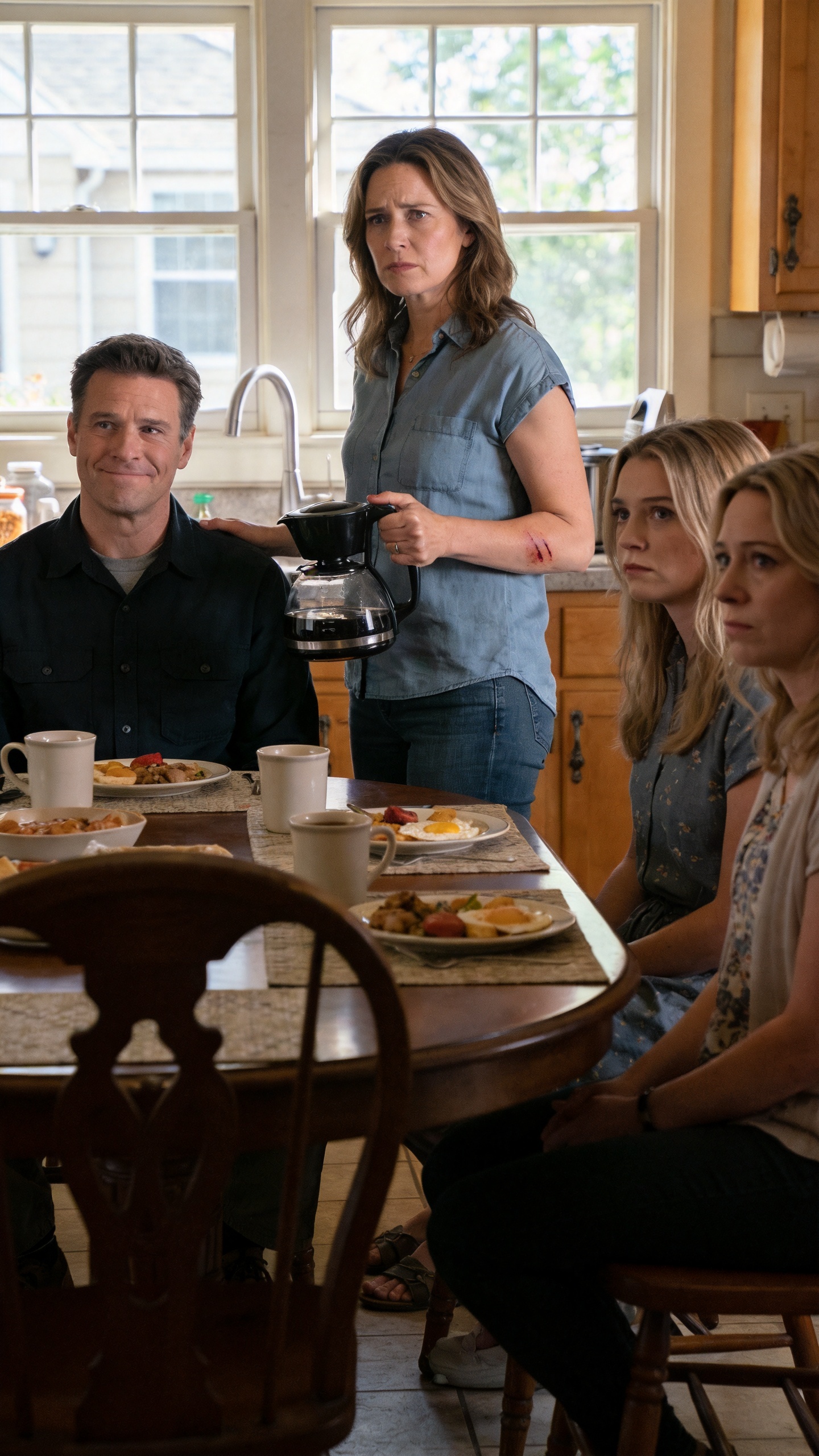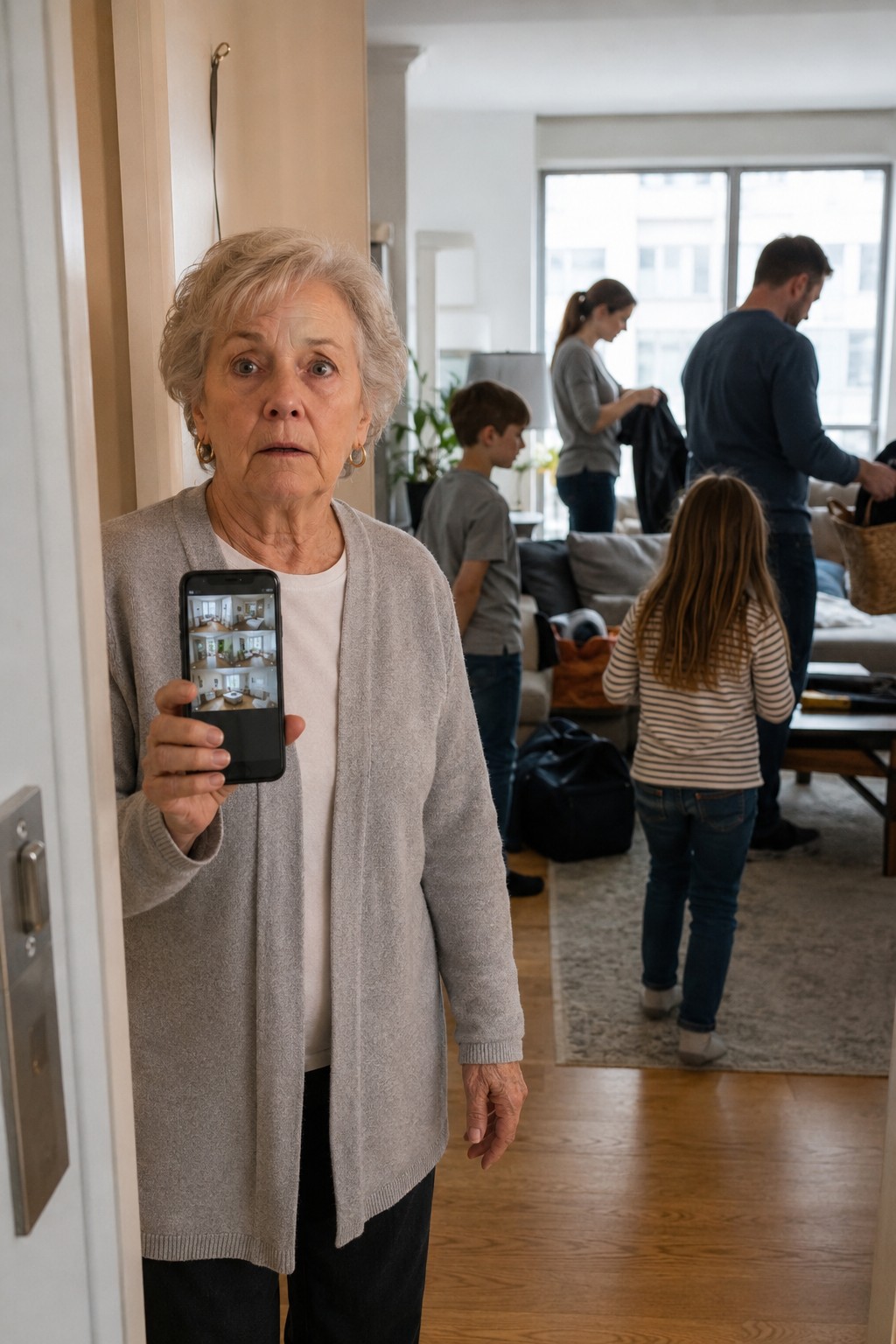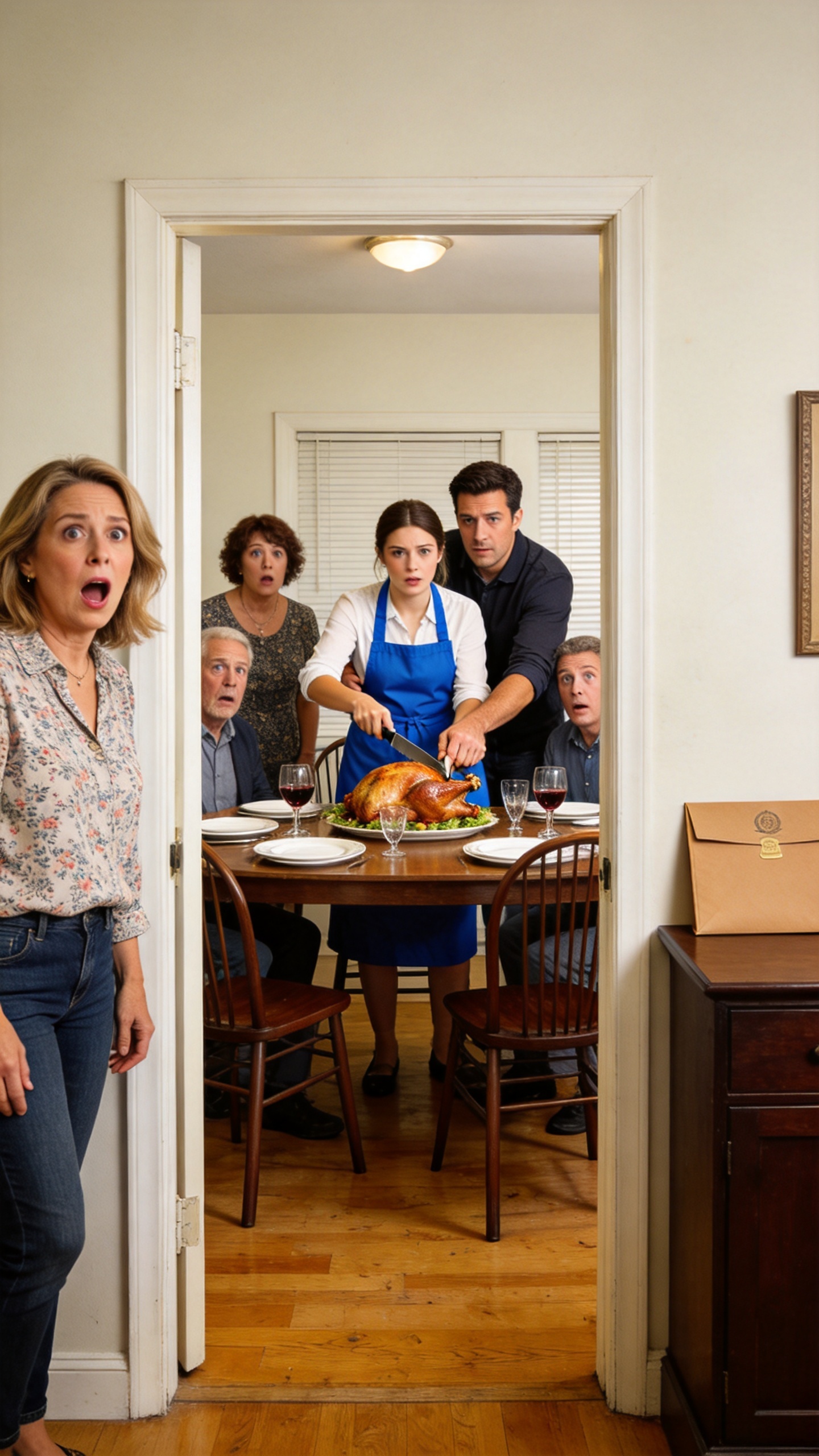
A week before Christmas, I was shocked to overhear my daughter saying on the phone, “Just bring all eight kids to Mom’s. She’ll watch them while we go on vacation and enjoy ourselves.”
On Christmas Eve, Nora and her friend Paula went to the town market. They strolled slowly, not following any schedule or list of things others expected them to buy. Nora picked out a simple bracelet with blue and green woven strands.
It was just for herself, because she liked it.
That afternoon, they sat under an umbrella on the beach. Paula read while Nora watched the waves. No one asked where the serving spoons were. No one griped about food, gifts, or the schedule.
That evening, they made fresh pasta, vegetables, salad, and opened a bottle of local wine. They ate on the terrace as the sunset painted the sky orange and pink. “Merry Christmas,” Paula said, raising her glass.
For the first time in years, Nora really meant it when she said it back.
Christmas Day had the same easy pace. They ate breakfast slowly, walked along a coastal trail, and had lunch at a little restaurant by the water. Nora's phone stayed quiet in her suitcase. Any crisis back home was for the people who'd caused it.
They had to take care of their own kids, cook their own meals, and realize that family celebrations didn't just happen by magic. Someone had always been doing the work.
The rest of their trip was peaceful. They read, walked on the beach, collected shells, and talked for hours without any interruptions.
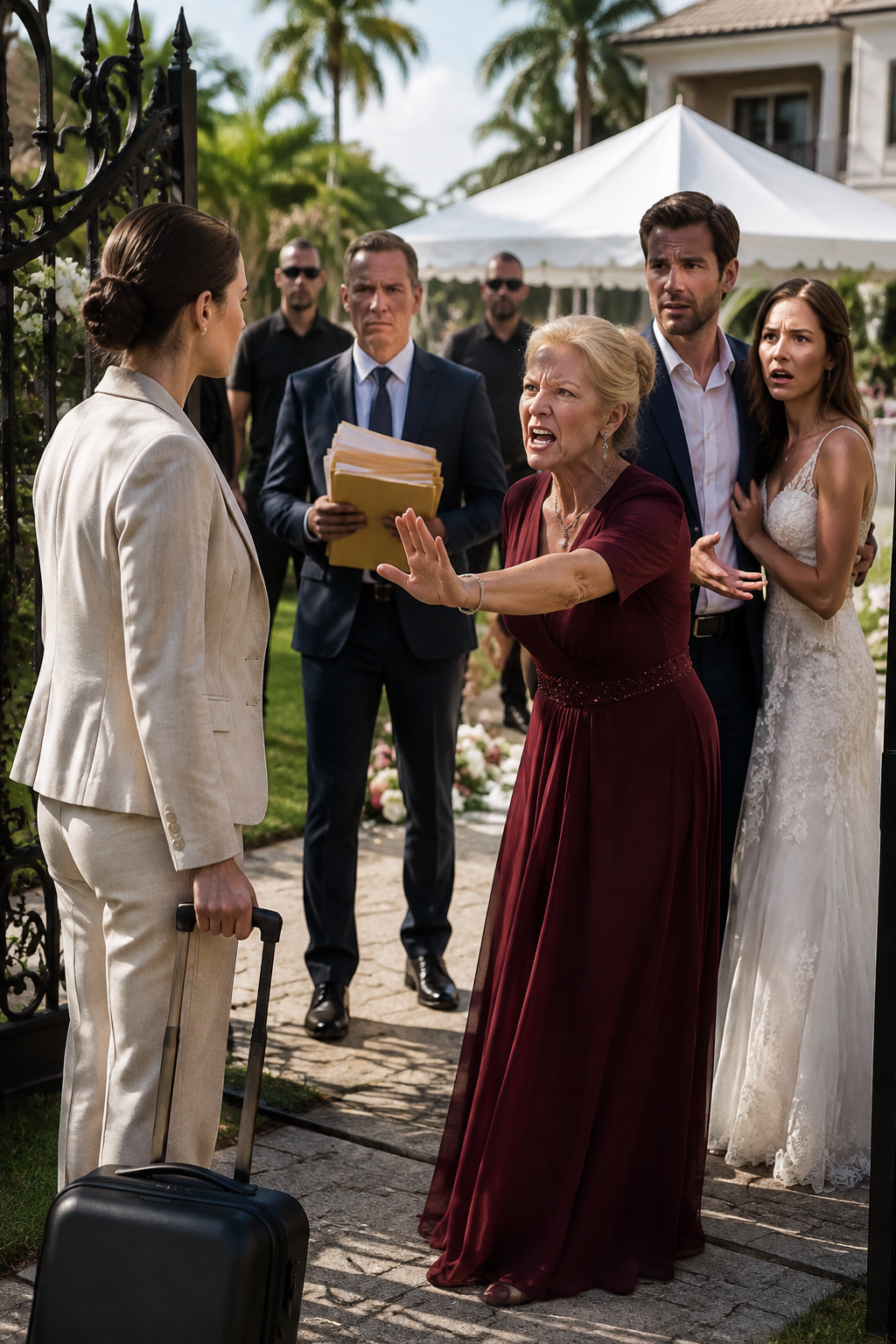
On January 2, Paula drove Nora home. Before leaving, she helped carry Nora's suitcase to the porch.
“We need to talk straight,” Nora said. “No guilt - tripping and no manipulation.”
“I didn't ruin anything. You made plans using me, and I decided not to play along,” Nora told Robert.
“We lost thousands on reservations,” Robert said. “We spent the whole holiday dealing with eight disappointed kids.”
“And I had a peaceful Christmas for the first time in years,” Nora shot back.
Then she finally said what she'd been meaning to for ages. “You stopped treating me like family. You turned me into a service - useful when you needed childcare, food, money, or help, but unimportant the rest of the time.”
“You can call it what you want. I call it self - respect.”
Nora made it clear. She wouldn't take last - minute babysitting requests. She wouldn't pay for the whole family's celebrations alone. She wouldn't cancel her plans just because theirs were more important to them.
If they wanted her in their lives, they had to respect her time and needs.
“What if we can't accept these boundaries?” Kelsey asked.
“Then there's nothing more to talk about,” Nora replied. “My door will be open when you see me as a whole person. But I won't beg for basic respect.”
Amanda turned and walked to her car. “I never thought you'd do this,” Robert said.
“Neither did I,” Nora admitted. “I guess I'm stronger than we all thought.”
The weeks after that conversation were unusually quiet. No more demands for her to cook meals or fix their problems. It started to feel like free space.
Nora signed up for a watercolor class at the community center. There, she met women her age who were also learning to rebuild their lives after years of putting others first. She joined a Thursday evening book club at the library.
She began taking long walks in the park, not checking her phone every few minutes.
Nora Whitman cooked simple meals just the way she liked them. Her family kept their distance, but her life grew richer. She stopped waiting for her kids, especially Kelsey, to let her be happy.
One early - April afternoon, Nora was planting flowers in her garden when the gate swung open. She was used to defensiveness, a sense of entitlement, and manipulation from her family. But what she saw that day seemed different.
Evan, looking a bit sheepish, said, “I've been thinking about what you told me. ” He continued, “You were right about how Kelsey and I treated you. We used you to fix every little problem we had. ” “We never cared if you were tired or had your own plans.
We just assumed you'd always be there because you always had been. ”
This was the apology Nora had once yearned for. Strangely, she didn't need it to feel good about herself anymore. “Thanks for admitting it,” she replied.
“Can we start over?” Evan asked. “Do things differently this time?” Nora reminded him that her boundaries would stay. If they needed babysitting, they had to ask nicely, not just dump the kids on her. Her time was as important as anyone else's.
“Kelsey and I want to do better,” Evan promised. It was a bit awkward at times, but it was sincere.
Nora didn't know if Kelsey would come around. She also didn't know if their family would ever be like it used to. But her peace didn't rely on her kids changing. It depended on her standing up for herself.
That evening, Nora sat on the back porch sipping herbal tea and listening to the birds in the trees. She remembered the morning she'd heard Kelsey laughing in the living room. Her words had been so hurtful then.
For years, Nora thought being a good mom meant giving everything. But at 67, she finally learned that loving her family didn't mean losing herself.
She could spend her money on things that made her happy. She could say no without having to explain until everyone agreed. Most of all, she could expect respect from those who said they loved her.
What she truly left behind was the idea that her worth came from being useful to others. For the first time, Nora chose herself. And that choice was the start of a more meaningful life than any perfect Christmas. It was the start of her own story.
The hardest part was not the first consequence. It was the silence afterward, when everyone realized the old arrangement had ended. For years, they had treated my patience like a deed, a signature, or a permanent permission slip. That was the mistake.
I did not need to shout. The documents, the bruises, the records, and the witnesses had already said enough. By the time the calls started, I had stopped answering as the person they remembered. I was no longer protecting them from what they had chosen.
That was the part they never expected. I did not only take back a house, an account, a holiday, or a boundary. I took back the right to decide what my life would cost. The hardest part was not the first consequence.
It was the silence afterward, when everyone realized the old arrangement had ended. For years, they had treated my patience like a deed, a signature, or a permanent permission slip. That was the mistake. I did not need to shout.
The documents, the bruises, the records, and the witnesses had already said enough. By the time the calls started, I had stopped answering as the person they remembered. I was no longer protecting them from what they had chosen.