I Raised My Fiancé's Ten Children After He Left Us. Thirty Years Later, His Attorney Came To My Door And Said, "He Asked Me To Deliver This Envelope Today"
She was not cruel.
She was practical.
I signed the guardianship papers anyway.
The adoptions took years.
In my heart, they became mine that day.
I stopped waiting for easy.
I stopped waiting for apologies.
I stopped waiting for Thomas.
At least, that was what I told myself.
The truth was smaller and more painful.
Every time an unfamiliar truck slowed near the house, part of me listened.
Thirty Years Later, The Envelope Found Me
Thirty years passed in permission slips, fevers, graduations, first dates, broken bones, weddings, babies, and Sunday dinners that filled every chair we owned.
The children became nurses, teachers, engineers, business owners, and helpers of other people who had been left behind.
They brought spouses home.
Then children.
Then casserole dishes with their own names taped to the lids.
Every milestone had an empty chair.
Every milestone also had my hand on someone's shoulder.
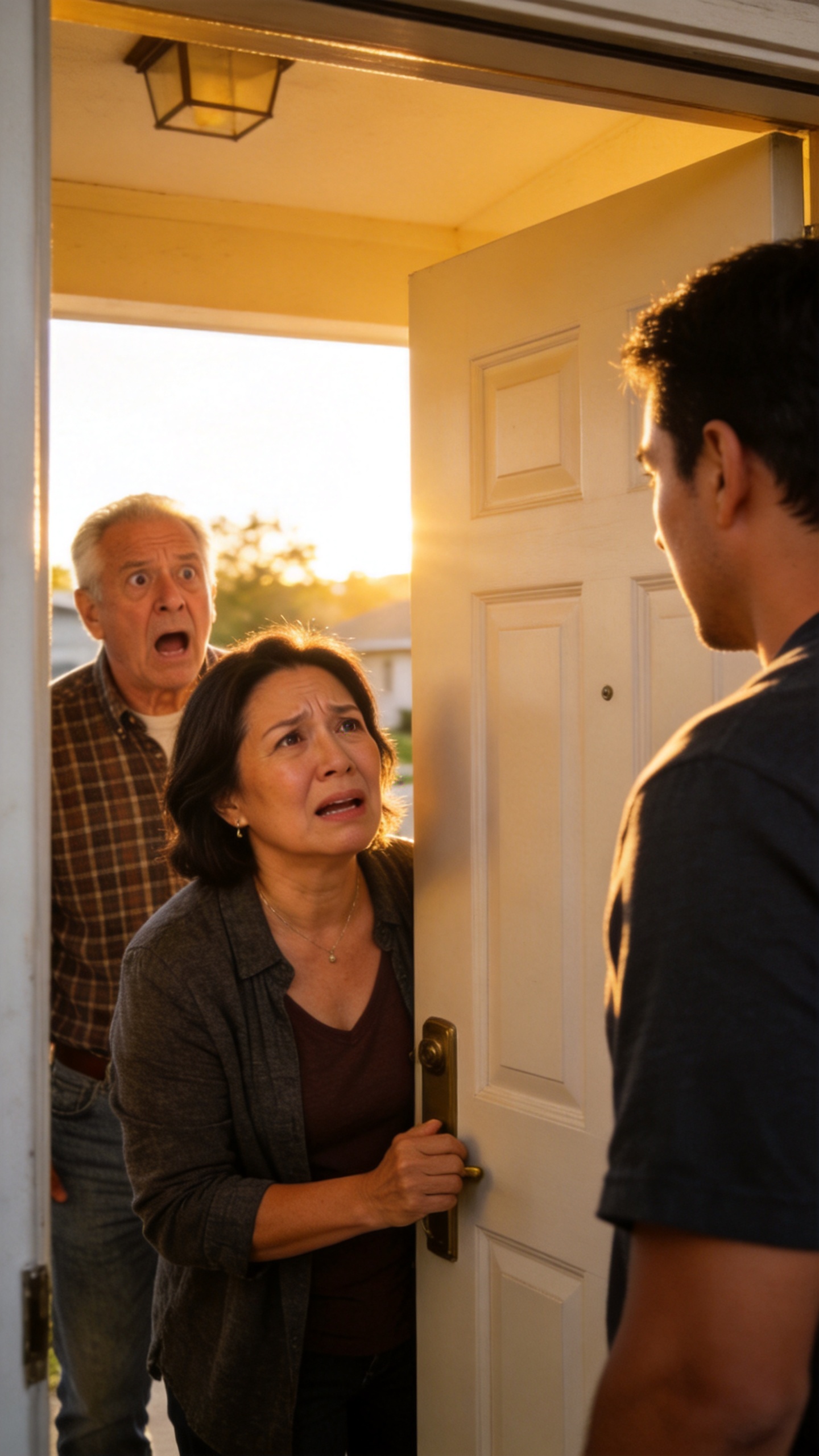
By the time Mr. Whitaker knocked, my hair had silver in it and my knees complained on cold mornings.
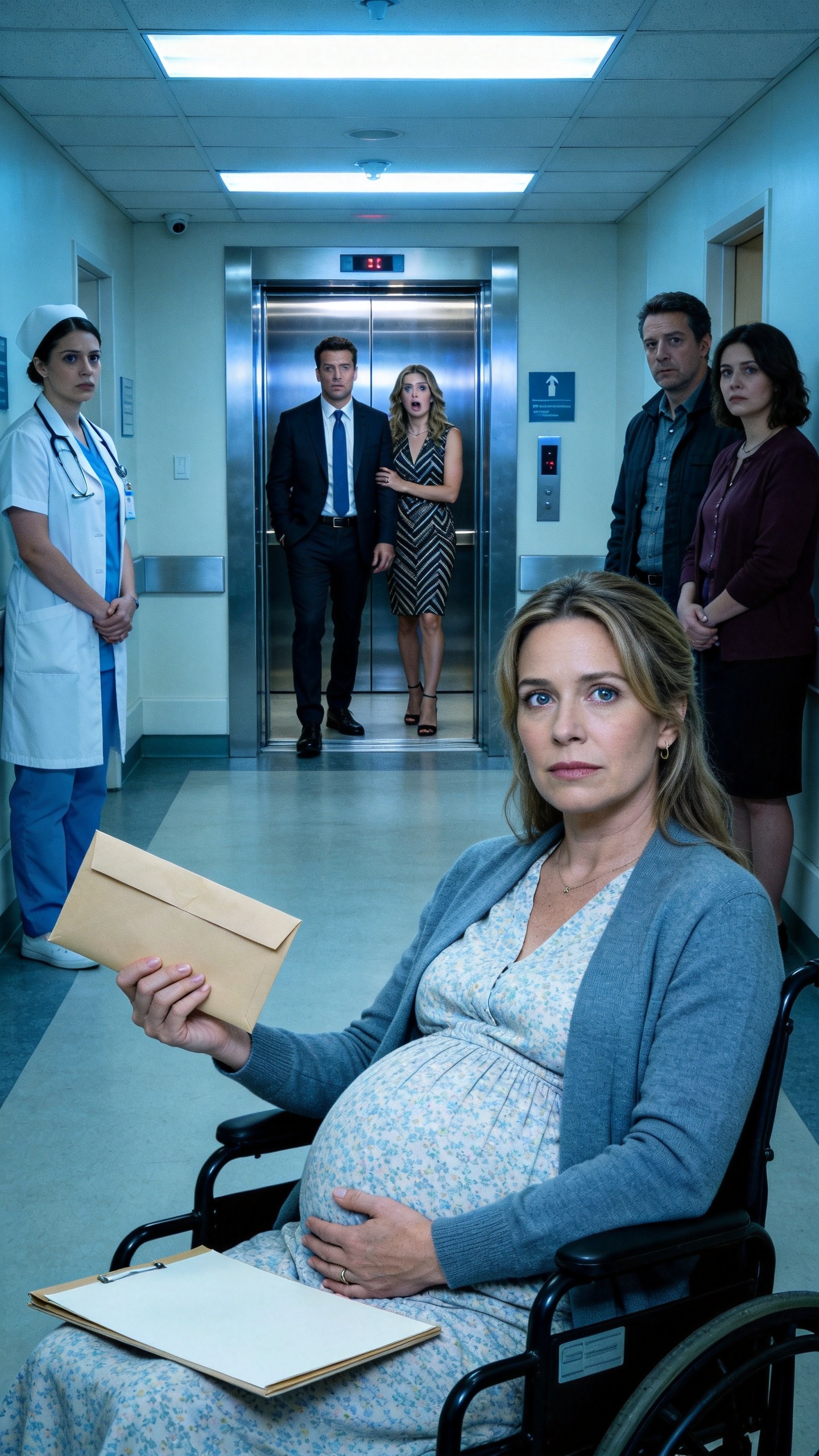
He stood on my porch in a gray suit, holding that envelope like it weighed more than paper.
"Thomas asked me to deliver this exactly thirty years after he disappeared," he said.
Grace came up behind me.
Caleb stopped in the hallway.
Lily, no longer little, covered her mouth with both hands.
I opened the envelope at the kitchen table.
The letter was six pages long.
Thomas had been sick before the wedding.
Not tired.
Not afraid of responsibility.
Sick.
Doctors had told him he might only have months.
He wrote that he could not bear to marry me, make me a widow, leave me with ten grieving children, and bury us under medical bills.
So he ran.
I read that sentence three times.
Then I read the next one.
The treatment worked.
Two years later, Thomas had driven past the house.
He saw the children safe.
Stable.
Calling me Mama.
He believed coming back would reopen wounds and confuse them all over again.
So he left a second time.
He had watched from a distance through an investigator.
He knew about graduations, careers, marriages, and babies.
He never remarried.
He never had more children.
He saved money in a trust for the family he believed he had lost by trying to protect.
His Empty Chair Finally Stopped Hurting
The envelope did not give me back the nights I cried where no child could hear me.
It did not give Grace her childhood back.
It did not give Lily the father she waited for by the window.
It did not erase the anger I had carried so long it had become part of my bones.
But it gave me an ending.
Mr. Whitaker slid one more document across the table.
The trust named all ten children.
It also named me.
Not as guardian.
Not as temporary caregiver.
As their mother.
Thomas had written one final note beneath the legal language.
She did what I was too afraid to do.
For the first time in thirty years, I cried for him without hating him.
That evening, the whole family stayed.
Someone made tea.
Someone brought out pie.
The grandchildren were too young to understand why the adults kept touching my shoulder when they passed.
I lifted my cup when the room finally quieted.
"To Thomas," I said.
Grace raised hers.
"And to Mama."
Everyone repeated it.
I did not forgive every choice Thomas made.
Some choices leave scars even when the reasons are finally explained.
But the empty chair stopped feeling like a wound.
It became part of the story we had survived.
For thirty years, I thought I had been abandoned with ten children.
That was not the whole truth.
The whole truth was harder, sadder, and strangely kinder.
I had been left with ten children.
And somehow, they became the life that saved me.